

Motion Sensors price list
Last updated Saturday, Oct 17, 2026





View 3 Offers
Loading...
Last updated Saturday, Oct 17, 2026
Motion sensors can turn a quiet room, hallway, office, or entry point into an active part of your security setup. Instead of relying only on locks, cameras, or alarms, you can add a device that watches for movement and helps a connected system react. The right sensor may also support lighting, occupancy awareness, elderly monitoring, or smart-home automation.
In the current comparison, three different approaches stand out. The Garmin 010-13009-03 Ondeck Security Sensor is a wired door- or window-mount option. The MoesHouse Tuya Zigbee 3.0 Smart Human Presence Sensor combines movement and presence detection with illuminance sensing. The Hi-Link HLK-LD2420-P uses 24 GHz millimeter-wave radar to identify movement and subtle human motion.
ZoneOffer is a comparison site, so it does not sell these products directly. Instead, it helps you review the available product information and listed offers from different stores. Prices and availability can change, making it sensible to check the current listing before making a decision.
A motion sensor works like an extra set of eyes. It can detect activity in an area and pass that information to a compatible security, automation, or monitoring system. That can be useful when you want more awareness without watching a camera feed all day.
For a home, a sensor may help monitor a room, passageway, door, or window. In a business environment, it can support awareness around equipment, storage areas, entrances, or workspaces. However, the best choice depends on what you need to detect: a person crossing a space, someone standing still, subtle movement, or activity near a specific opening.
These products are not identical, and that is a strength rather than a weakness. A wired door or window sensor serves a different role from a radar module or a smart presence sensor. Think of them as different tools in a toolbox: one may protect an access point, while another watches the activity inside a room.
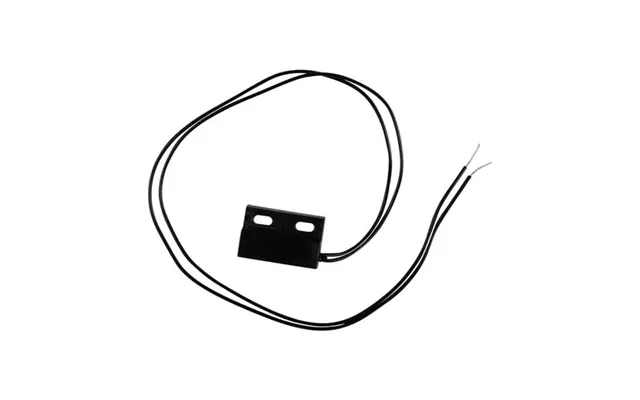
The Garmin 010-13009-03 Ondeck Security Sensor is listed as a wired motion sensor designed for door or window mounting. The reference data identifies it as non-waterproof and says it does not include LED status indicators. Its listed price is $27.12 through The Twister Group.
This format may appeal to you if your main goal is monitoring a door or window rather than measuring detailed room presence. The wired design can be a practical choice where a stable connection is preferred and a suitable installation point already has wiring available.
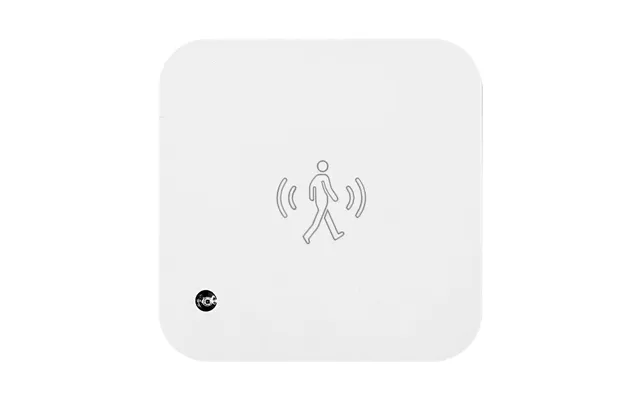
The MoesHouse sensor is a wired smart human presence sensor using the Zigbee 3.0 communication protocol. Its listed features include motion detection, motionless detection, illuminance sensing, adjustable sensitivity, and real-time app notifications. The listing shows a price of $24.99 through Banggood.com.
Its stated moving and stationary detection range is up to about 20 feet, with a 90-degree detection angle. The sensor also supports an illuminance range from 0 to roughly 279 foot-candles. It operates from 10 to 131 degrees Fahrenheit and is designed for indoor applications such as home security, elderly monitoring, and light sensing.
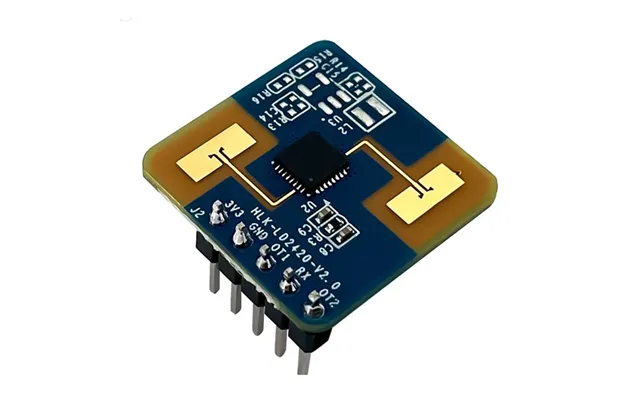
The Hi-Link HLK-LD2420-P is a compact 24 GHz millimeter-wave radar module. It is designed to detect moving and subtly moving people, including a standing human body, according to the supplied product information. The listing states a maximum moving-person sensing distance of about 26 feet and a listed price of $7.59 through Banggood.com.
This module is notably small, measuring approximately 0.79 by 0.79 inches. It supports GPIO and UART interfaces, uses a 3.3-volt power supply, and reports detection results in real time. It also supports configuration of sensing distance, sensitivity, and reporting time through visualization tools.
Start with the location you want to monitor. If your priority is an access point, the Garmin Ondeck sensor’s door- or window-mount design may be the most relevant match. It is a focused option rather than a broad room-presence product.
If you want to know whether someone is moving or remaining in a room, the MoesHouse and Hi-Link products are more closely aligned with that goal. Both listings describe human presence or motion-related detection, but they use different technologies and are aimed at different types of integration.
Ask yourself a simple question: are you watching an opening or watching a space? Monitoring an opening often calls for a dedicated mount, while watching a room may benefit from a wider detection area, configurable sensitivity, or presence sensing that can notice more than a quick movement.
Two of the listed products use a wired design or wired power arrangement. The Garmin sensor is described as wired, while the MoesHouse product is also described as having a reliable wired connection and includes a USB cable in the package. Wired devices can provide consistent power, which is useful when you do not want to manage battery replacement.
The trade-off is installation flexibility. A wired sensor may need to be positioned near a suitable power or connection point. Before buying, consider cable routing, mounting surfaces, and whether the sensor will be easy to access later. A neat installation is like laying train tracks: once the route is planned, the system can run smoothly.
The MoesHouse listing identifies a DC 5-volt, 1-amp operating requirement. It also states that the package includes the main unit, a USB cable, a sticker, and a user manual. The Garmin listing does not provide comparable power details in the supplied information, so you should consult the current product listing for installation specifics.
The MoesHouse Tuya Zigbee 3.0 sensor is built around smart-home use. It can detect motion and subtle stationary presence, adjust sensitivity, measure light levels, and send real-time app notifications. That combination may be useful when a simple “movement detected” signal is not enough.
For example, a sensor that can notice motionless presence may be useful in a room where someone remains still for a period of time. The supplied data specifically identifies elderly monitoring as one possible application. It also mentions light sensing, which may support automation ideas such as using room brightness as part of a lighting routine.
The sensor’s stated detection range reaches about 20 feet for both moving and stationary detection, with a 90-degree angle. Room layout matters, though. Furniture, walls, mounting height, and the direction of the sensor can affect how much of the space falls inside the practical detection area.
Illuminance sensing gives the MoesHouse model an additional role beyond security. The listed illuminance range is 0 to approximately 279 foot-candles. In simple terms, the device can report information about how bright the monitored area is.
That may help you build a more thoughtful automation setup. Rather than turning lights on every time movement occurs, you could use motion and brightness as separate pieces of information. Why switch on a lamp in an already bright room? A light sensor can help make that decision more intelligently when supported by the wider system.
The Hi-Link HLK-LD2420-P takes a different approach by using 24 GHz millimeter-wave radar. Its supplied description says the module can detect movement, micro-movement, and a standing human body. That makes it particularly interesting for projects where ordinary motion detection may not capture enough detail.
The module reports detection results in real time and can be configured for different sensing distance intervals, sensitivity levels, and reporting times. This flexibility may help developers or advanced users tune the device for a particular room or smart product.
At approximately 0.79 by 0.79 inches, the module is designed for compact applications. It supports GPIO and UART interfaces, which can make it suitable for integration into terminal products or custom smart scenarios. The listing also mentions plug-and-play operation with a default human-sensor configuration.
The Hi-Link product may be a strong candidate for someone building or modifying a smart device rather than simply mounting a finished home sensor. Its interface support, configuration options, small size, and low listed price make it relevant to electronics projects and custom automation.
That said, a module may require more technical understanding than a ready-to-use consumer sensor. You should review the current documentation and compatibility details before planning an installation. The reference data confirms its interfaces and electrical requirements, but it does not state that it works with every smart-home platform.
Detection range is an important specification, but it is not the entire story. The MoesHouse sensor lists a range of up to about 20 feet and a 90-degree detection angle. The Hi-Link module lists a maximum moving-human sensing distance of about 26 feet. The Garmin listing focuses on door or window mounting and does not provide a comparable room-range figure in the supplied data.
A longer range does not automatically mean better performance in every room. A compact hallway may need only modest coverage, while a larger open area may benefit from a greater sensing distance. Mounting direction matters too. A sensor aimed across a walkway may detect movement differently from one pointed directly toward a person.
Use a simple floor-plan approach before buying. Mark the sensor position, draw the intended coverage area, and note obstacles such as walls or large furniture. This small planning step can prevent the classic mistake of buying a powerful sensor and placing it where its useful field of view is blocked.
Begin by defining the event you want the sensor to detect. For a door or window, choose a position that clearly covers the access point. For room presence, place the device where people are likely to move or remain, while keeping the stated detection angle and range in mind.
Keep the mounting surface stable. A sensor that shifts over time can change its coverage and produce inconsistent results. With a wired product, plan the cable route before attaching the device. With a module such as the Hi-Link, make sure the surrounding project provides the correct power and interface connections.
The MoesHouse listing gives an operating temperature range from 10 to 131 degrees Fahrenheit and an operating humidity range from 0% to 95% relative humidity. These are useful reference points for indoor planning. The Garmin sensor is identified as non-waterproof, so it should not be treated as an outdoor weatherproof device based on the supplied information.
A good sensor should notice meaningful activity without turning every small change into an alert. Placement is your first line of defense. Avoid aiming a room sensor at areas with constant, unwanted movement if your goal is to monitor a specific zone.
Adjustable sensitivity can also help. The MoesHouse listing specifically states that sensitivity can be customized, while the Hi-Link listing describes configurable sensing sensitivity for different intervals. Start with a moderate setting, observe the results, and adjust gradually. It is better to tune a system like a musical instrument than to turn every control to maximum.
Notifications should also match the purpose of the sensor. Real-time alerts may be valuable for security or monitoring, but too many alerts can cause alert fatigue. If your connected platform allows it, consider using different responses for movement, presence, and light-level changes.
The supplied offers show three different listed prices. The Garmin 010-13009-03 Ondeck Security Sensor is listed at $27.12 from The Twister Group. The MoesHouse Tuya Zigbee 3.0 sensor is listed at $24.99 from Banggood.com. The Hi-Link HLK-LD2420-P is listed at $7.59 from Banggood.com.
Price alone should not decide the purchase. The Garmin is aimed at door or window mounting, the MoesHouse model adds smart presence and illuminance features, and the Hi-Link is a compact radar module with integration-focused specifications. Comparing only the dollar figure would be like comparing a key, a flashlight, and a circuit board because they all fit in your hand.
ZoneOffer provides comparison information rather than selling the products. Check the current offer details before ordering, since the supplied reference data does not establish permanent pricing or availability. It is also wise to confirm the product version, included accessories, compatibility, and installation requirements on the active listing.
The Garmin 010-13009-03 may suit you if you want a wired sensor designed for a door or window. Its listing clearly identifies that mounting purpose, along with its non-waterproof construction and lack of LED status indicators.
The MoesHouse model may be a better match if you want Zigbee 3.0 connectivity, app notifications, motionless detection, adjustable sensitivity, and illuminance sensing. Its stated range of about 20 feet and 90-degree angle make it relevant to indoor room monitoring.
The Hi-Link HLK-LD2420-P may appeal to makers, developers, and integrators who need a small radar module. Its support for GPIO and UART, 3.3-volt operation, real-time reporting, and configurable detection behavior gives it a project-oriented profile.
The best motion sensor is the one that matches the space, the event you want to detect, and the system you plan to use. The Garmin focuses on wired door or window mounting, the MoesHouse combines smart presence detection with light sensing, and the Hi-Link brings millimeter-wave radar to compact custom applications. Review the specifications, plan the placement, and compare the current offers on ZoneOffer before choosing the device that fits your security or automation goals.