


Hatches price list
Last updated Wednesday, Nov 4, 2026





Loading...
Last updated Wednesday, Nov 4, 2026
Hatches can make a home, boat, workshop, or storage area more useful. A well-chosen hatch may provide access to a hidden compartment, improve airflow, or create a clean way to finish an opening. The right option does not have to look purely functional, either. Some designs combine access with visual appeal, helping a project feel finished rather than improvised.
In this guide, we’ll explore the hatch option included in the reference data: the WHITECAP 60714 Teak Louvered Insert. We’ll look at its listed dimensions, design, potential uses, buying considerations, and ways to plan a project around a small insert. Since ZoneOffer is a comparison site rather than a store, the goal is to help you understand the product and compare information before making a purchase decision.
A hatch is an opening or access feature designed to cover, protect, or organize a space. Depending on the project, a hatch can lead to storage, equipment, wiring, ventilation areas, or another enclosed section. Think of it as a small doorway: it may be compact, but it can make an otherwise awkward space much easier to use.
A hatch insert is typically fitted into a prepared opening or panel. The insert may add a finished appearance while serving a practical purpose. In this case, the listed product is a louvered insert, which means its face includes angled openings rather than being completely solid. That design gives the insert a distinctive appearance and may suit projects where airflow is part of the overall plan.
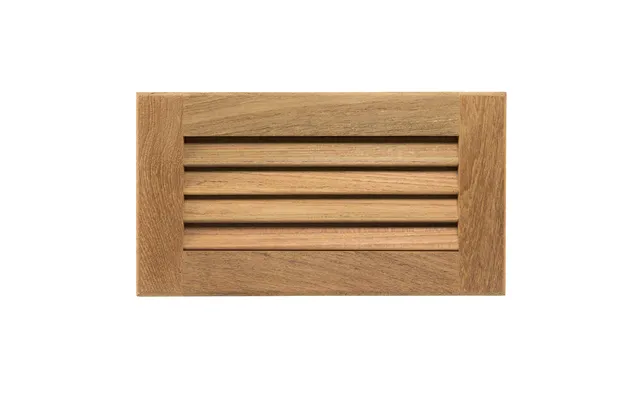
The reference data identifies the product as the Whitecap 60714 Teak Louvered Insert. It is listed under the WHITECAP brand and is offered by The Twister Group. The listed price is $34.12. ZoneOffer presents this information for comparison purposes; it is not the seller and does not operate as a store.
The product description identifies the insert as teak and louvered. Its listed size is 6-3/8 inches high, 11-3/16 inches wide, and 3/4 inch deep. These measurements are especially important because hatch inserts depend on a close fit. A small difference between the opening and the insert can affect installation, appearance, and stability.
Teak is often chosen for projects where a warm, natural appearance matters. Its wood look can bring more character than a plain synthetic panel, particularly when the surrounding design includes timber, marine-inspired details, or traditional trim. The product data specifically identifies this insert as teak, so shoppers looking for a wood-style louvered feature may find it worth considering.
Still, appearance should be only one part of your decision. Before choosing any wood insert, consider where it will be installed, how it will be exposed to moisture or sunlight, and whether the surface will need preparation or finishing. The reference data does not provide treatment instructions or environmental ratings, so those details should be confirmed from the product information available at the time of comparison.
The WHITECAP 60714 is listed at 6-3/8 inches high by 11-3/16 inches wide, with a depth of 3/4 inch. These are compact dimensions, making the insert suitable for projects that need a relatively small access or ventilation feature. However, a compact size does not remove the need for careful measuring. In fact, smaller inserts often require more precision because there is less room to hide an uneven cut.
Start by measuring the intended opening in several places. Check the top, middle, and bottom for width, then measure the height along both sides. If the measurements vary, use the smallest relevant measurement when planning the fit. This approach helps you avoid assuming that an opening is perfectly square when it is not.
Compare your measurements with the listed product size rather than relying on a visual estimate. A hatch that appears close in an online image may be very different in person. You should also account for any frame, lip, trim, fasteners, or clearance required by the installation method. The reference data gives the insert’s dimensions but does not specify a mounting system, so the project design may require additional planning.
The listed depth is 3/4 inch. That measurement matters when the insert sits inside a cabinet door, wall panel, deck surface, or another material. If the surrounding panel is thinner than the insert, the finished surface may not sit as expected. If the panel is much thicker, you may need to plan how the insert will be supported or framed.
Imagine fitting a picture into a frame. The width and height matter, but so does the thickness of the picture and the depth of the frame. A hatch insert works in much the same way. Confirm how the 3/4-inch depth will interact with the project before cutting material.
The reference data places this product in the hatches category, but it does not specify one particular installation location. That means you should treat possible uses as project ideas rather than confirmed applications. A small louvered insert may be considered for cabinetry, storage compartments, equipment enclosures, decorative panels, or other areas where a finished opening is needed.
Its louvered face may also appeal to people who want a more detailed look than a flat panel can provide. The angled slats create visual texture and can help a plain surface feel more intentional. If your project needs ventilation, you should verify whether the insert’s design and construction are appropriate for that purpose. The available reference information does not state an airflow rating, weather rating, or technical performance specification.
A compact insert can be useful when a cabinet or storage area needs a distinctive front feature. For example, a louvered design may help break up a large solid panel or complement other wood elements. Before installation, consider whether the opening needs to remain accessible, whether the insert will be exposed to impact, and how you will keep the surrounding material from splitting.
For a storage project, the best hatch is not necessarily the largest one. A smaller insert can be a better match when the opening is limited or when you want to preserve more of the surrounding panel. The WHITECAP 60714’s listed dimensions make accurate planning particularly important.
Louvers can add a traditional or nautical-inspired character to a project. The teak construction may be attractive when you want a natural material rather than a plain industrial appearance. However, you should separate visual preference from technical performance. A stylish insert is not automatically suitable for every outdoor, damp, heated, or mechanical environment.
Ask yourself what the insert must do. Is it mainly decorative? Does it need to provide access? Is ventilation essential? Will people touch or operate it frequently? Your answers can guide the rest of your comparison and help you identify any specifications that still need verification.
Good installation begins before any cutting takes place. Mark the intended location, confirm the orientation, and check both sides of the panel or surface. You want to know what is behind the opening before making changes. Hidden framing, wiring, plumbing, insulation, or equipment can turn a simple hatch project into a much larger job.
Use the listed dimensions as a starting point, not as permission to cut immediately. The product description provides the insert’s height, width, and depth, but it does not provide a cutout template or detailed installation instructions. If the manufacturer or seller supplies additional fitting guidance, review it carefully before preparing the opening.
A clean cutout improves both appearance and fit. Mark the opening with a square or another reliable guide, then check the lines twice. Measure twice and cut once is an old saying because it works. It is much easier to remove a little more material than to repair an opening that has become too large.
When working with wood, protect the edges from splintering and consider how the insert will be supported. The correct tools depend on the material and project, so choose equipment appropriate for the surface. If you are uncertain about structural, electrical, or mechanical concerns, consider asking a qualified professional before proceeding.
The reference data does not identify the included hardware or specify how the WHITECAP 60714 should be secured. For that reason, do not assume that screws, clips, hinges, or other mounting components are included. Review the current product listing and installation information to determine what the project requires.
Fasteners should suit both the insert and the surface receiving them. A secure installation should hold the insert evenly without damaging the teak or distorting the frame. If the insert is intended to open or close, allow room for movement and check that surrounding trim does not interfere.
Online comparison is more useful when you look beyond the product title. Begin with the core details: material, design, dimensions, brand, seller, and listed price. For the featured product, the reference data identifies WHITECAP as the brand, the twister group as the store, and $34.12 as the listed price.
Next, consider the information that is not shown. Does the listing provide a cutout size? Does it explain mounting? Are fasteners included? Is the insert intended for indoor or outdoor use? Does it have a finish already applied? These questions are not answered in the supplied data, so they should be checked through the available listing or manufacturer information rather than guessed.
The lowest listed price is not always the best overall fit. A hatch that requires extensive modification may cost more in time and materials than one that fits your opening more naturally. On the other hand, a decorative insert may be exactly what you need if appearance is your main goal.
Use the product’s dimensions as a filter. If your project needs an insert wider than 11-3/16 inches or taller than 6-3/8 inches, this particular option may not match without changes. If your available depth is less than 3/4 inch, installation may also require a different approach. These are practical fit questions, not assumptions about product quality.
Because the featured insert is identified as teak, think about how you want the wood to look over time. Some people prefer the natural appearance of wood as it changes, while others want to preserve a more consistent color. The reference data does not state whether the product is sealed, finished, or treated, so check the current listing before deciding on a maintenance routine.
Keep the insert clean using a method appropriate for its finish and location. Avoid applying a product unless you know it is suitable for the material and existing surface treatment. If the insert is installed near moisture, inspect the surrounding area periodically for swelling, staining, loose fasteners, or changes in fit.
A hatch is only as successful as the panel around it. Even a well-made insert can look uneven if the opening is rough, unsupported, or exposed to repeated stress. Seal or finish cut edges when appropriate for the material and project environment, while following suitable product instructions.
Also check the insert occasionally after installation. A quick inspection can reveal movement or wear before a small issue becomes a larger repair. This is especially useful in areas that experience vibration, frequent handling, or changing moisture conditions.
This product may appeal to shoppers seeking a compact, teak, louvered insert with a natural appearance. It could be a consideration for DIY builders, cabinet projects, decorative renovations, and other work involving a small hatch or panel feature. Its listed dimensions make it most relevant to projects designed around a relatively narrow and short opening.
It may be less suitable for anyone who needs a large access panel, a fully specified weatherproof hatch, or a product with clearly stated technical ratings that are not included in the reference data. Those shoppers should compare alternatives and look for documentation addressing their specific requirements.
Before choosing the WHITECAP 60714 or another hatch insert, run through a short checklist. Confirm the required height, width, and depth. Decide whether the insert’s material and appearance suit the surrounding design. Identify whether the project needs access, ventilation, decoration, or a combination of these functions.
Then review the current listing for details not provided in the reference data. Check installation requirements, included components, finishing information, and suitability for the intended environment. Finally, compare the listed price and seller information through ZoneOffer, remembering that ZoneOffer is a comparison site and not a store.
The WHITECAP 60714 Teak Louvered Insert is a compact hatch option listed at $34.12, with dimensions of 6-3/8 inches high by 11-3/16 inches wide by 3/4 inch deep. Its teak construction and louvered design may suit shoppers who want a small access or decorative feature with a natural look. The key to a successful project is careful measurement, thoughtful installation planning, and verification of any specifications not included in the available data. Compare the details, match the insert to your project, and let the measurements guide your decision.