

Craft Organization price list
Last updated Saturday, Nov 28, 2026



View 126 Offers





Loading...
Last updated Saturday, Nov 28, 2026
A well-organized craft space can change the way you create. Instead of searching through tangled threads, scattered needles, or piles of paint, you can reach for the right tool and get straight to the enjoyable part. Whether you sew, quilt, embroider, knit, scrapbook, or decorate handmade projects, smart organization helps your supplies work for you rather than against you.
This guide explores practical craft organization ideas and highlights products found through ZoneOffer, a comparison site. The selection includes paint organizers, sewing storage bags, thread holders, needle storage, quilting templates, bobbins, measuring tools, and more. Prices and product details are based on the supplied listings and may change, so use the comparison process to review your options before buying.
Craft supplies have a habit of multiplying. One spool becomes five, one color of thread turns into a rainbow, and a small collection of needles somehow fills an entire drawer. Without a system, your workspace can feel like a treasure hunt with no map.
Organization gives every item a home. It also makes your materials easier to see, compare, and use. When you can quickly find a seam ripper or identify the right thread color, you spend less time searching and more time creating. A tidy setup can also make a small table feel larger because the available space is used more efficiently.
Think of your craft area like a kitchen. You would not toss every utensil, spice, and ingredient into one box. You group similar items so the right tool is close when you need it. Craft supplies deserve the same treatment.
Before buying storage products, sort what you already own. Create broad groups such as paint, sewing tools, thread, needles, quilting templates, paper craft supplies, embellishments, and finished projects. You do not need a complicated labeling system at first. Simple categories are often easier to maintain.
Next, separate frequently used items from occasional supplies. Your everyday scissors, measuring tape, thread, and needles should be easy to reach. Specialty tools can go in a less accessible drawer or container. This small distinction prevents your main work area from becoming crowded with items you rarely use.
A three-part sorting method can make the process less overwhelming. Keep the supplies you use regularly, move occasional items into secondary storage, and place uncertain items in a review box. After a few weeks, you may discover that some supplies are not as useful as you thought.
This approach is especially helpful for duplicate tools. For example, if several seam rippers are scattered around your workspace, keep one or two in your primary sewing kit and move the rest to backup storage. The goal is not to own fewer craft supplies at all costs. The goal is to make the supplies you own easier to manage.
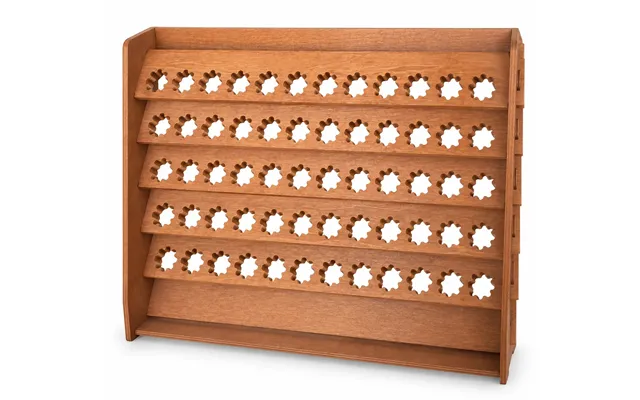
Paint storage should make colors easy to identify. A container that hides every bottle or jar can create just as much frustration as an untidy shelf. The listed 1001Canvas paint organizers are available in versions for 24, 36, 48, and 60 colors, giving you several capacity options.
The listed prices are $12 for the 24-color organizer, $14 for the 36-color organizer, $16 for the 48-color organizer, and $20 for the 60-color organizer. Which size makes sense? Choose based on your current collection and the amount of room available on your work surface.
If you mainly use a small palette, the 24-color version may be a practical starting point. If your projects require many shades, a larger organizer can reduce overflow and keep related colors together. You can arrange paints by color family, project, or frequency of use. A consistent arrangement makes it easier to spot missing shades before you begin.
Try reserving one section for your most-used colors and another for specialty shades. You could also create a small project-ready group before starting a painting session. When the project is finished, return each item to its assigned position. This simple habit keeps your organizer from becoming a temporary dumping ground.
Loose sewing supplies can quickly spread across a room. A dedicated storage bag gives fabric tools, accessories, and small materials a portable home. The PandaHall polyester sewing accessories storage bags listed in the data are rectangular and come in black or medium purple.
Both listed versions are priced at $20.69. The descriptions identify them as sewing accessories storage bags for sewing supplies. Their rectangular format can be useful when you want to keep a sewing project together and move it from one table to another.
Use separate pouches or small containers inside a larger bag to prevent the classic “everything at the bottom” problem. Keep cutting tools together, place measuring tools in another section, and store small notions where they cannot disappear beneath larger supplies.
A project bag can hold the current pattern, thread, needles, templates, and unfinished pieces in one place. When you pause, you simply close the bag rather than clearing the entire table. This is especially useful if your craft area also serves as a dining table, desk, or shared family space.
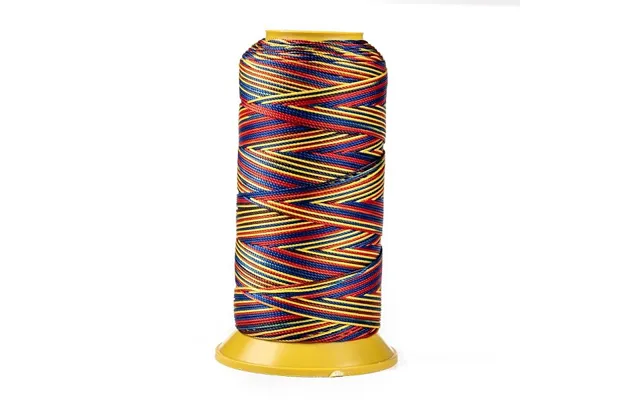
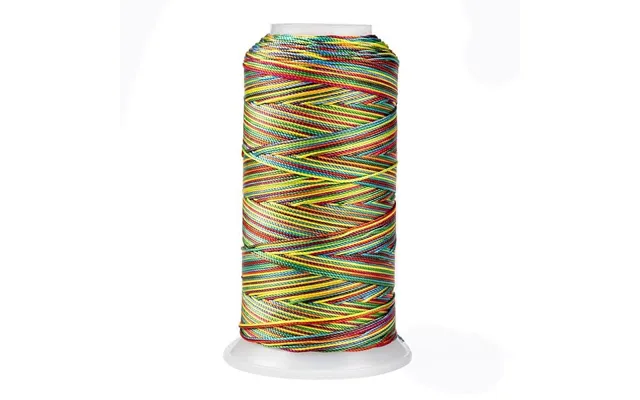
Thread is easier to use when you can see its color, thickness, and quantity. The supplied listings include polyester sewing threads, nylon sewing threads, mixed-color thread cords, and a solid wooden thread rack.
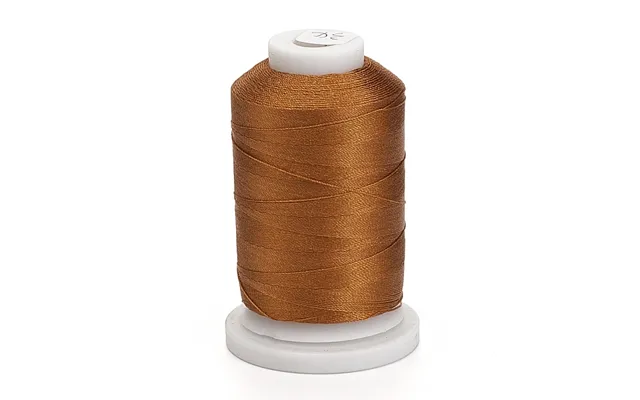
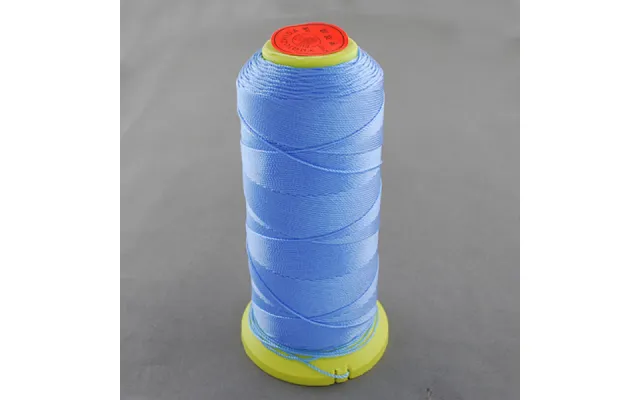
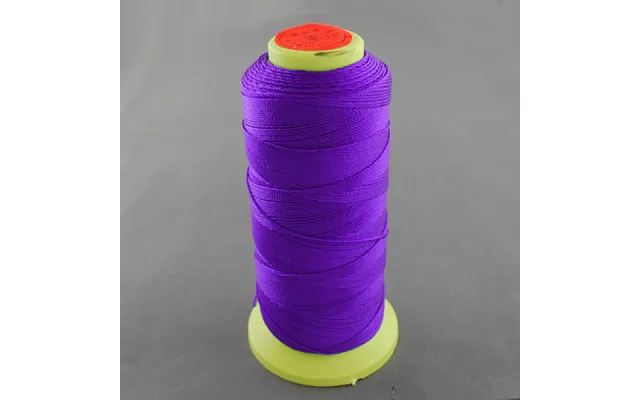
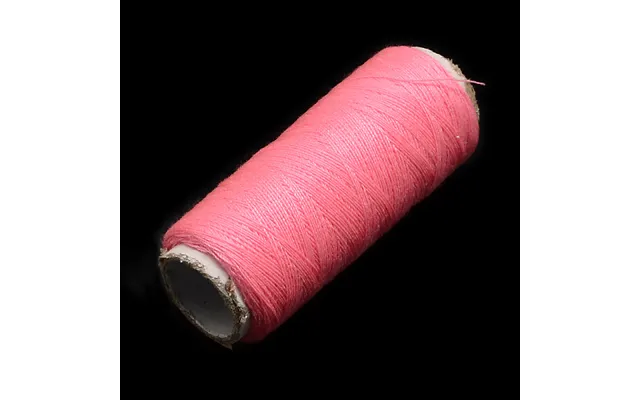
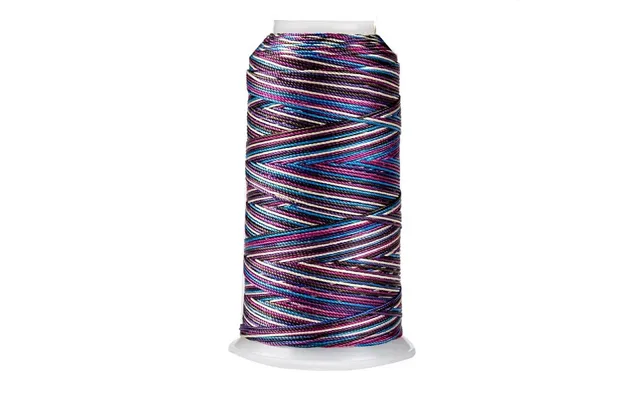
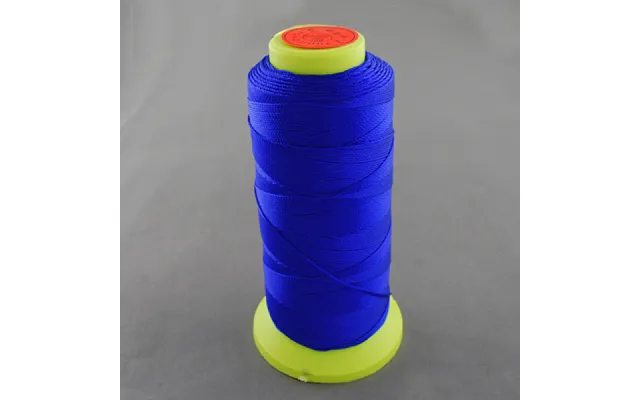
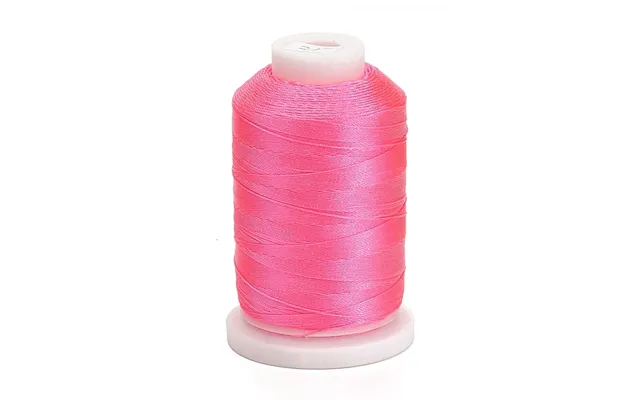
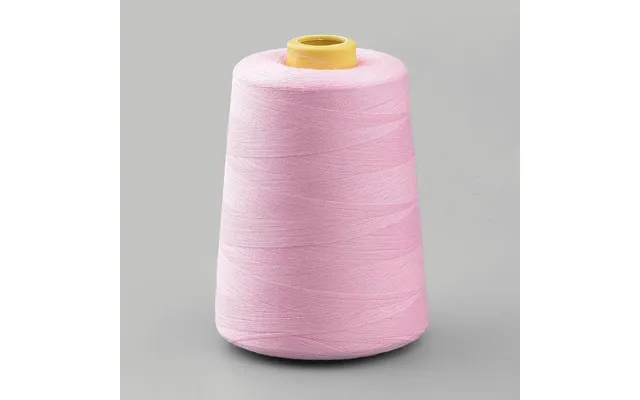
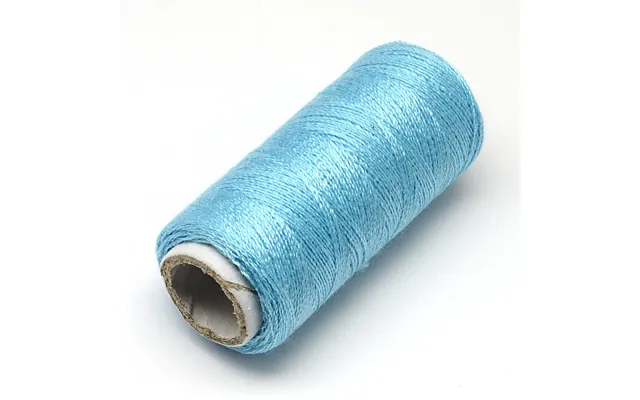
Several 402 polyester sewing thread cord listings are available in mixed color, light sky blue, gold, and light coral. The listed prices range from $0.82 to $1.00 depending on the color listing. These options are described as approximately 120-yard rolls in bags of 10 rolls. The assortment can be useful for crafters who want multiple colors in one purchase.
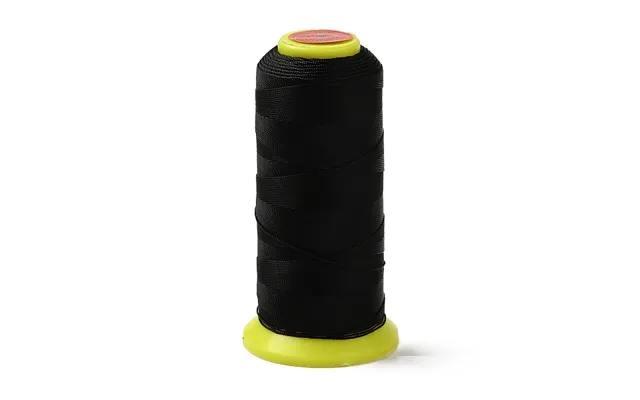
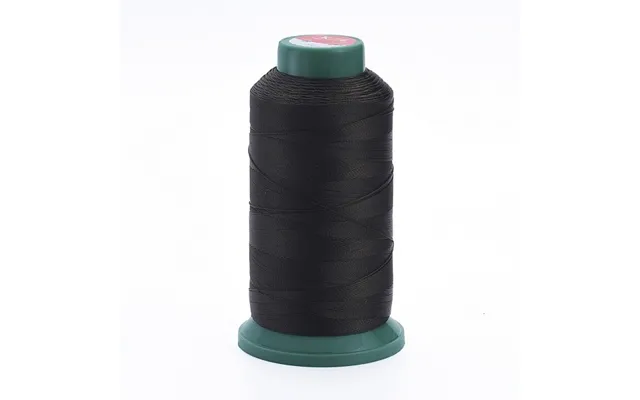
Other thread listings include a gold nylon sewing thread priced at $5.85, a black temperature heat-resistant polyester thread priced at $8.77, and a prussian blue nylon thread priced at $1.59. The product descriptions also identify different strand counts, thicknesses, and roll lengths, so compare the specifications carefully rather than choosing by color alone.
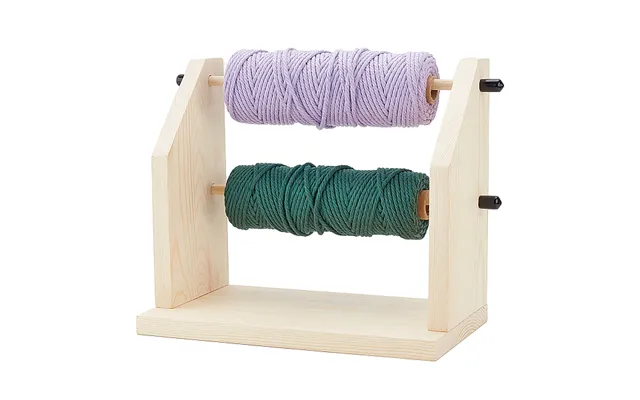
The PandaHall 2 Spools Solid Wooden Thread Rack is listed at $15.54. It is described as a detachable yarn thread holder organizer. A rack can keep selected spools visible and ready for use, while less frequently used thread remains in a bag or drawer.
Organize thread by color first, then by type if you have several materials. You might also keep active project thread on the rack and store backup supplies separately. This creates a helpful “working collection” without requiring every spool to sit on your desk.
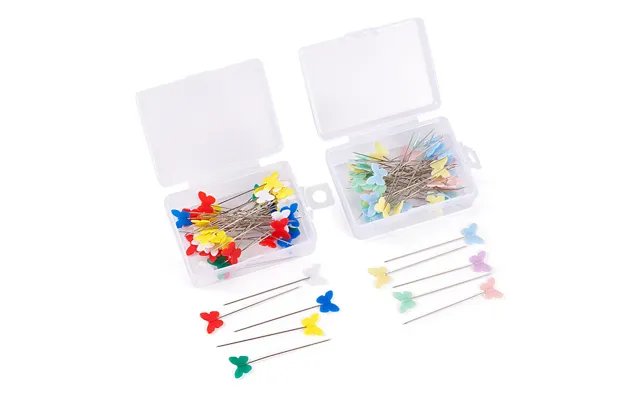
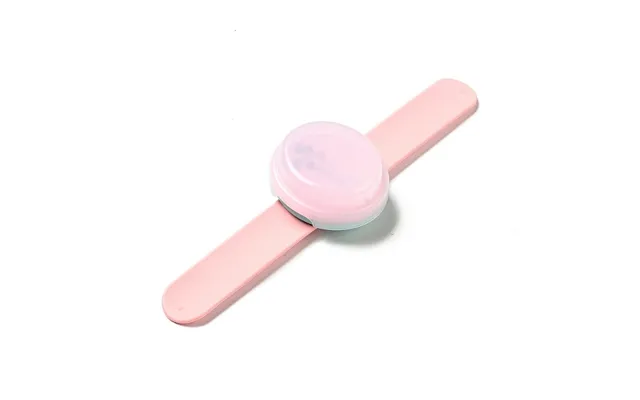
Needles and pins are small, easy to lose, and frustrating to sort after they become mixed together. Purpose-built storage can make a major difference. The supplied products include plastic needle keeper bottles, a magnetic needle storage case, a magnetic sewing pincushion wristband, cloth wrist needle cushions, and iron safety pins.
The plastic needle keeper bottle is listed at $11.76 and is described as a rotating magnetic storage box with a decorative lipstick shape. The magnetic needle storage case is listed at $5.02 and includes colorful steel needles. Another magnetic sewing pincushion wrist option is also listed at $5.02 and includes colorful steel needles.
For hands-on sewing, a wrist cushion can keep needles close without forcing you to stop and reach for a container. For general storage, a case or keeper is better suited to protecting and separating needles between projects.
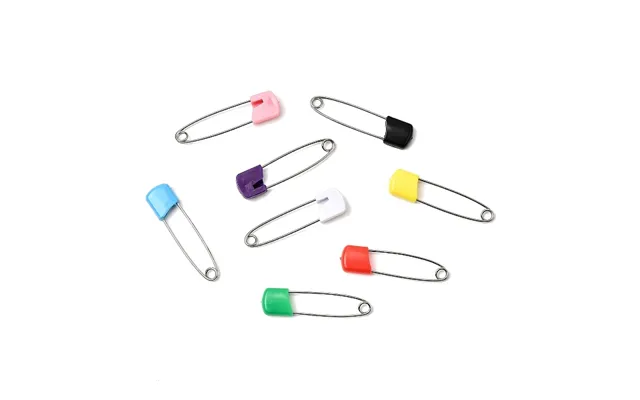
Not every pin needs the same storage method. Store working needles, safety pins, and decorative pins in clearly separated sections. The listings include iron safety pins in several styles and colors, including a lime green calabash-gourd style bag listed at $5.16, a dark slate blue version at $5.16, and a pink option listed at $1.42.
The product descriptions identify different quantities and sizes, so review each listing before choosing. Clear separation reduces rummaging and helps you select the right pin for the task.
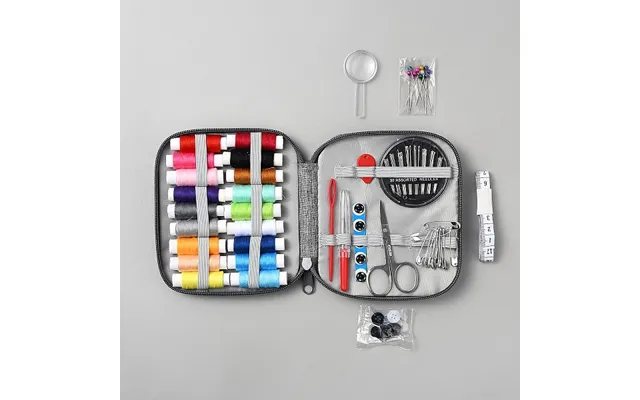
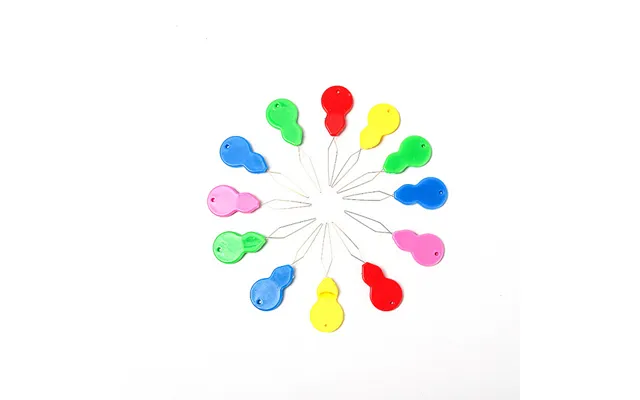
A compact tool set can prevent small sewing tasks from turning into a search mission. The listed PandaHall sewing tool set costs $9.48 and includes stainless steel scissors, needle threaders, an iron thimble, a tape measure, and seam rippers. A kit like this can serve as a central station for basic repairs and everyday sewing.
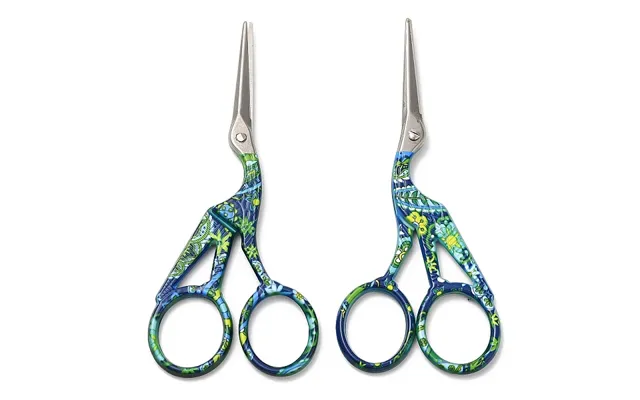
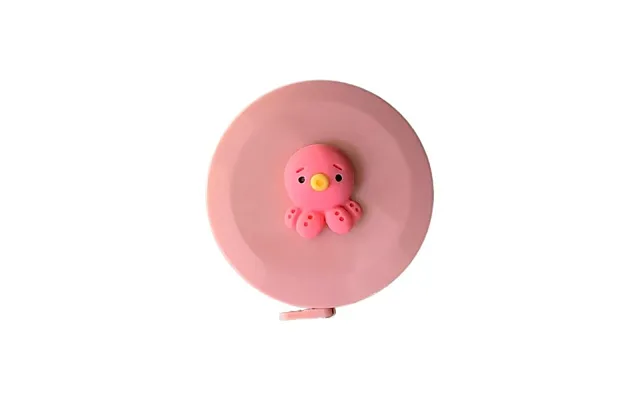
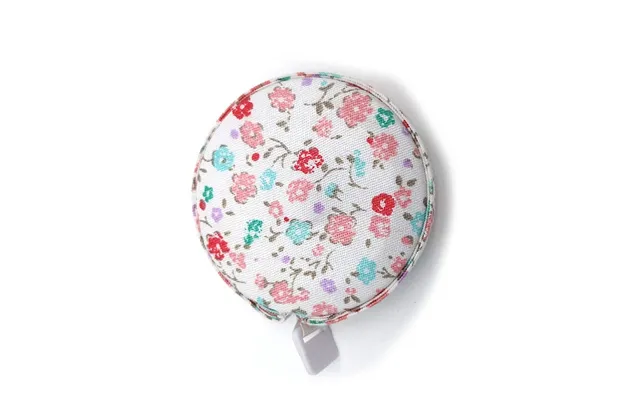
There are also individual tools for crafters who prefer to build a custom setup. The high-carbon steel embroidery scissors are listed at $7.76. A plastic tape measure is listed at $3.77 and is described as a soft, retractable sewing tape measure. Threaders, thimbles, and seam rippers are available separately as well.
Place your most-used tools together in one bag or tray. Keep scissors, a tape measure, threader, seam ripper, and a small selection of thread close at hand. This kit does not need to contain everything you own. It only needs to cover the projects you handle most often.
The listed sewing kits with cloth bags are priced at $3.88. A ready-made kit can be a convenient foundation, while additional specialty tools can stay in your main craft storage.
Quilting templates are easy to bend, scratch, or mix up when stored loosely. Keeping them together and arranged by shape can save time during patchwork projects. The reference listings include several acrylic quilting templates, transparent sewing measuring tools, and English paper piecing templates.
A 3-piece acrylic quilting template set for pet bandanas is listed at $4.80. A 4-piece trapezoid acrylic quilting template set is listed at $1.11. Another 3-piece acrylic quilting template listing is priced at $14.46 and includes cutting guides and sewing tools.
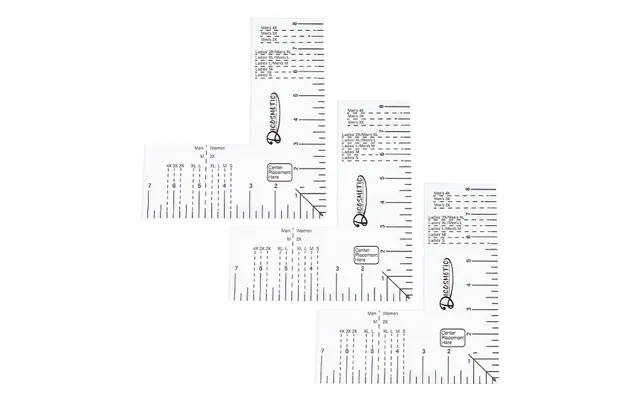
The listed 5-piece transparent acrylic sewing measuring tool set costs $25.74. Its description identifies wave-shaped clear tools with holes. For paper quilting, the 100-piece English paper piecing set is listed at $34.72 and is described as trapezoid paper quilting templates for patchwork.
Use a flat folder, document box, or divided sleeve to keep templates from becoming scattered. Add a simple label for the shape or project. If a template includes several pieces, keep them together rather than filing each piece separately. It is much easier to understand a set when all parts are in one place.
Small accessories often create the biggest organizational headache. Bobbins, threaders, seam rippers, stitch markers, and needle stoppers can vanish beneath larger tools. Grouping these items by function is more useful than storing them by purchase date.
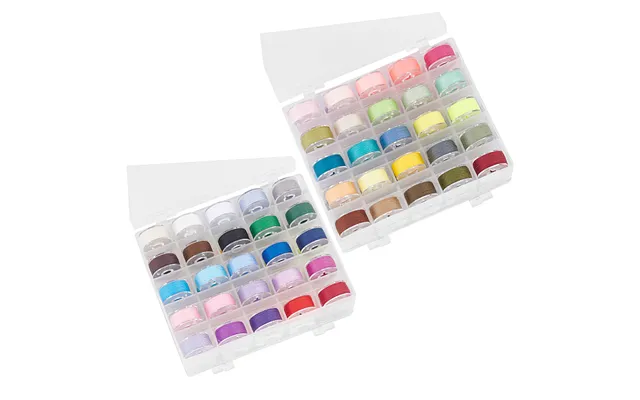
The listed plastic thread bobbins cost $6.28 and are described for embroidery and sewing machines. The wood thread bobbins are also listed at $6.28 and are described for embroidery and sewing machines. Keeping bobbins in a dedicated box or divided container can prevent them from rolling into drawers and becoming mixed with loose thread.
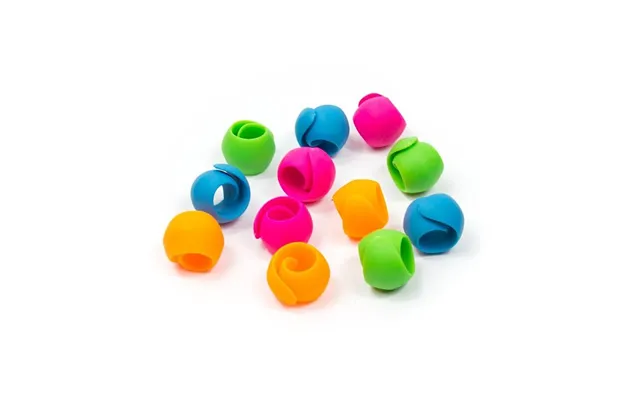
For knitting, the silicone alpaca-shape needle stoppers are listed at $14.78. Wooden knit crochet needle sizers are listed at $2.96 and are described as sock measurement rulers. Store these accessories near knitting needles, not with general sewing supplies, so each craft category remains clear.
Color coding can help, but too many colors may create another system to remember. Consider one color for sewing, another for quilting, and a third for knitting. Alternatively, use colored labels rather than buying different containers for every category.
Even a small craft table can benefit from zones. Create a cutting zone, a sewing zone, a storage zone, and a finishing zone. You can change these areas depending on the project, but the basic idea remains the same: tools should live near the task they support.
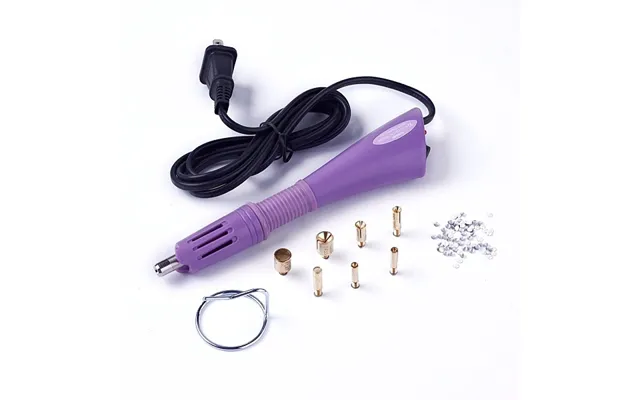
Place scissors, templates, and measuring tools near the cutting area. Keep thread, needles, seam rippers, and thimbles near the sewing area. Store embellishment tools such as the listed hotfix rhinestone applicators in a separate section so they do not become mixed with ordinary hand tools.
The hotfix rhinestone applicator listings include a type A US plug option priced at $6.21 and type C European plug options priced at $6.46. Because plug type matters, compare the listing details with your intended use before ordering.
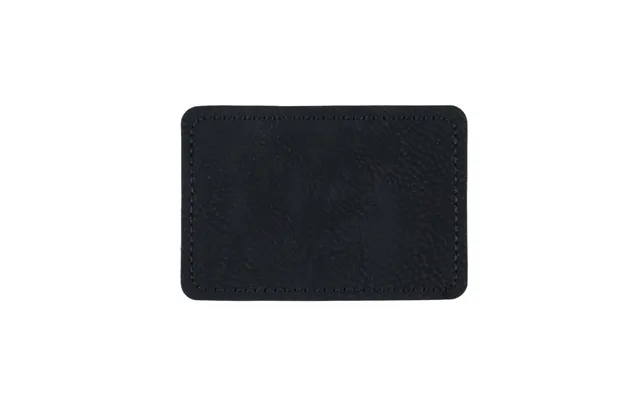
Labels are a small investment in future convenience. The LaserPecker blank rectangular PU leather labels are listed at $10.99 for 30 pieces. Each label is described as measuring approximately 3.0 by 2.0 inches and as compatible with specified LaserPecker laser systems, including the LP1 Pro, LP2, LP3, LP4, and LP5.
You could use labels to identify boxes, project bags, thread categories, or storage drawers. Since the product is blank, it offers room for your own organization system. Keep wording short and consistent, such as “Needles,” “Quilting,” “Paint,” or “Active Projects.”
A label such as “Frequently Used Sewing” may be more helpful than a label that simply says “Sewing.” The first tells you where to look for everyday tools, while the second could refer to several different containers. Imagine opening a drawer months from now. What wording would save you the most time?
Good organization does not require purchasing every storage product at once. Start with the category that causes the most frustration. If your paint is constantly scattered, begin with a paint organizer. If thread is tangled, focus on spools, bobbins, and a rack. If needles are difficult to locate, choose a needle case or magnetic solution.
The reference listings include low-cost options such as $1.00 paper quilling border buddies, $1.05 goldenrod nylon thread, $1.11 acrylic quilting templates, and $1.15 boxes of iron pins. These smaller items can help fill gaps in an existing organization system without requiring a complete workspace makeover.
At the same time, compare the quantity and intended use rather than choosing only the lowest price. A larger pack may be helpful for a busy crafter, while a smaller or specialized item may be better for limited storage.
The best system is one you can maintain. Set aside a few minutes after each project to return tools to their assigned spaces. Do not wait until the workspace becomes impossible to use. A quick reset is easier than a major cleanout.
Use a simple end-of-project routine: remove scraps, return tools, separate reusable materials, check needles and pins, and place unfinished work in its project bag. If something repeatedly ends up in the wrong place, that is useful information. The storage location may not be convenient enough.
Review your craft supplies occasionally. Move heavily used tools closer, combine duplicate materials when appropriate, and adjust labels as your hobbies change. Organization is not a one-time event; it is more like tuning an instrument so your creative process stays in harmony.
Craft organization can be simple, practical, and personal. Paint organizers help colors stay visible, storage bags contain sewing supplies, thread racks turn spools into an easy-to-read collection, and needle cases protect small tools from disappearing. Quilting templates, bobbins, measuring tools, and labels each solve a different part of the clutter problem.
Use the products listed through ZoneOffer as comparison points, then build a system around the way you actually craft. Start with one troublesome category, give every item a home, and maintain the setup with short daily resets. When your tools are ready, your ideas can take center stage.