

Yo-Yos price list
Last updated Saturday, Oct 17, 2026




View 25 Offers
Loading...
Last updated Saturday, Oct 17, 2026
Yo-yos are small, simple, and surprisingly versatile. Whether you want a nostalgic toy, a promotional giveaway, or a glowing conversation starter, the right yo-yo can turn a few minutes of free time into a hands-on activity. The reference selection includes classic plastic models, weighted metal-spool yo-yos, light-up designs, ball-bearing versions, and playful alternatives such as jellyfish and spaghetti yo-yos.
ZoneOffer is a comparison site that helps you review available product options in one place. It is not a store, so product purchases, availability, and final costs should always be checked through the listed offer source. In this guide, you will find practical ways to compare these yo-yos, choose the right style, and get more enjoyment from your purchase.
A yo-yo is like a tiny pendulum with a personality. You release it, guide its motion, and bring it back with a controlled tug. That combination makes it easy to pick up but difficult to master, which is part of the appeal.
Classic yo-yos can suit beginners, nostalgic shoppers, and organizations looking for a simple promotional item. Light-up designs add visual interest, while specialized models offer features that may change how the toy moves or returns. Because the products in this selection come in different quantities and styles, you can compare them based on purpose rather than appearance alone.
For some people, the best part is learning a basic throw. For others, it is practicing more advanced tricks. Still others may prefer a colorful item that attracts attention at an event. Which type sounds most like you?
The reference data includes several clear product categories. Classic plastic yo-yos focus on familiar play and customization. Classic series models with metal spools emphasize a professionally weighted construction. Light-up yo-yos use blinking or glowing LEDs for a more eye-catching experience.
There are also ball-bearing light-up versions described as having two ball bearings and an easy return. Another option is the auto-return classic yo-yo, which uses a double-loop string. The listing notes that this model returns automatically but does not sleep at the end of the string, making it unsuitable for tricks that require a sleeping yo-yo.
For something less traditional, the jellyfish yo-yo has a stretchy rubbery tether and flying tentacles. The spaghetti yo-yo uses rubber strands and a finger loop. These designs are closer to novelty activity toys than conventional trick yo-yos, but they can still offer playful movement and visual appeal.
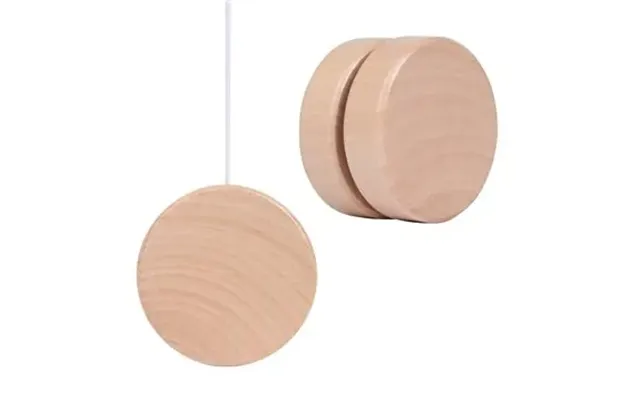
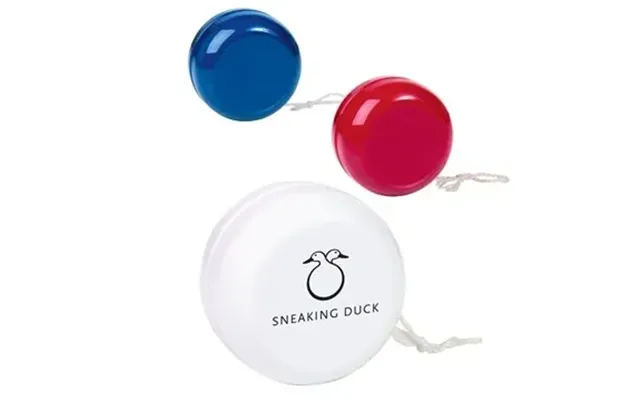
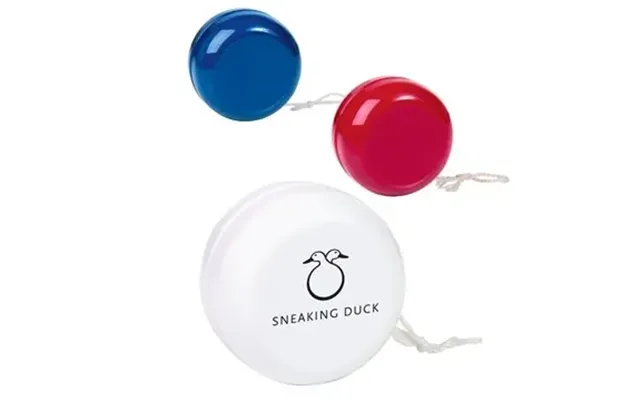
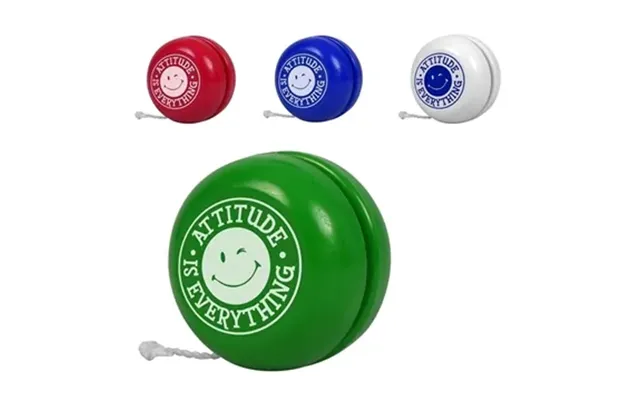
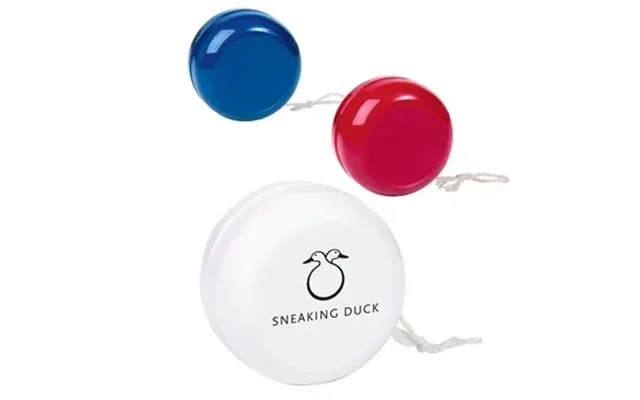
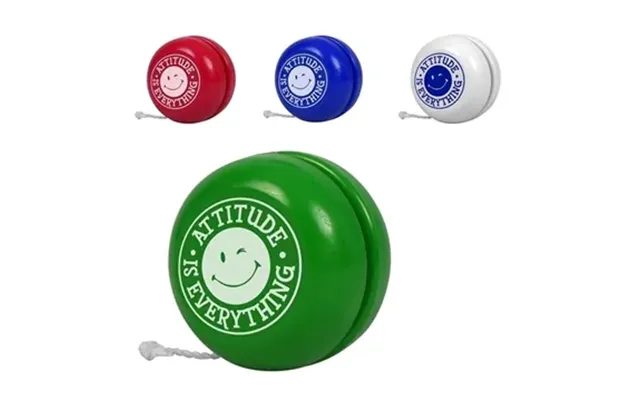
Classic models are often the easiest place to begin. The selection includes the 250 Custom Classic Yo Yo, described as having a plastic casing and approximately 3.5 to 4 feet of string. Two listed versions show a per-unit figure of $1.14, while another listing for the same product title shows $1.20 each. Since the reference data presents multiple offers, compare the individual listing details before deciding.
The 250 Promotional Classic Yo-yo with Auto Return is another beginner-friendly option. Its description explains that the double-loop string allows it to return automatically. That feature may reduce frustration during early practice because the yo-yo does not need the same degree of timing as a traditional sleeping model.
However, automatic return also means there is a trade-off. If your goal is to learn tricks that require the yo-yo to remain spinning at the end of the string, the listing specifically says this model is not designed for that style of play. Think of it as a guided bicycle: easier to control, but less suited to advanced maneuvers.
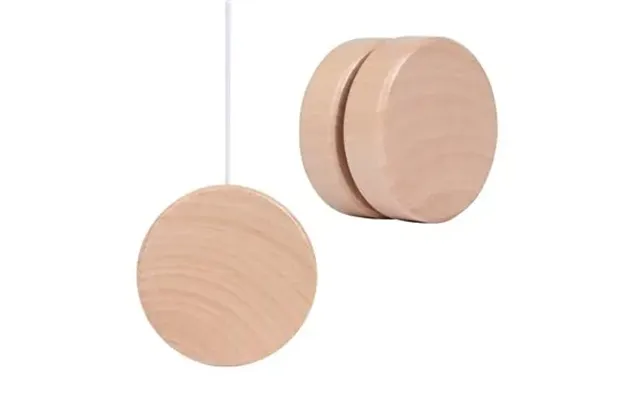
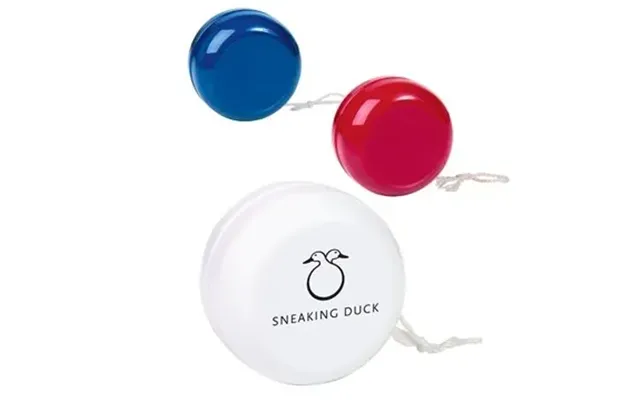
A classic plastic yo-yo may be a sensible choice when you want a straightforward item without lights or unusual parts. It can work for casual play, themed events, or customized promotional use. The familiar shape may also appeal to recipients who remember playing with yo-yos as children.
The reference selection includes several classic options from AmberPromos, including 250-unit and 100-unit listings. Because the displayed prices vary by product and offer, use the listed unit figures as a comparison starting point rather than assuming that every classic yo-yo has the same cost.
The 100 Custom Classic Series Yo-yo with Metal Spool is described as professionally weighted for optimal performance. Its classic design is intended for kids of all ages, and the metal spool is presented as a feature that supports good action.
The reference data shows two listings for this product title, with per-unit figures of $1.90 and $1.79. The total listed prices are $189.64 and $178.60 respectively. These differences show why comparing individual offers can be useful, especially when product names are identical or nearly identical.
A metal spool can make a yo-yo feel different from a lightweight plastic model. It may feel more substantial in your hand, which some users prefer when practicing controlled throws. Still, feel is personal. A beginner may value simplicity, while an experienced player may pay closer attention to balance and movement.
Start with a gentle throw instead of trying to force maximum speed. Keep your hand relaxed, let the yo-yo travel straight down, and use a small upward motion to guide the return. If the yo-yo tilts, adjust your hand position and string alignment rather than pulling harder.
As with any mechanical toy, inspect the string and body before use. A clean, untangled string gives you better control and makes practice feel less like wrestling with a kite in a storm.
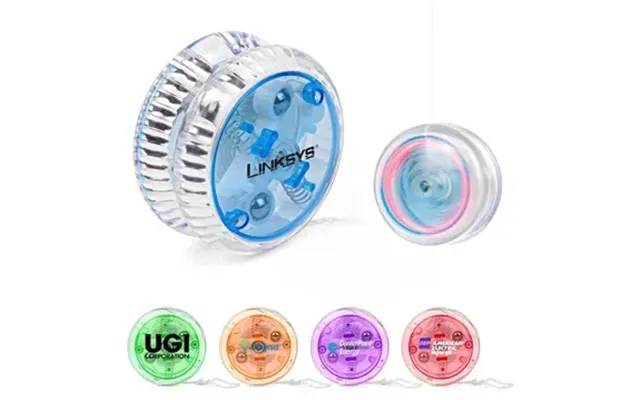
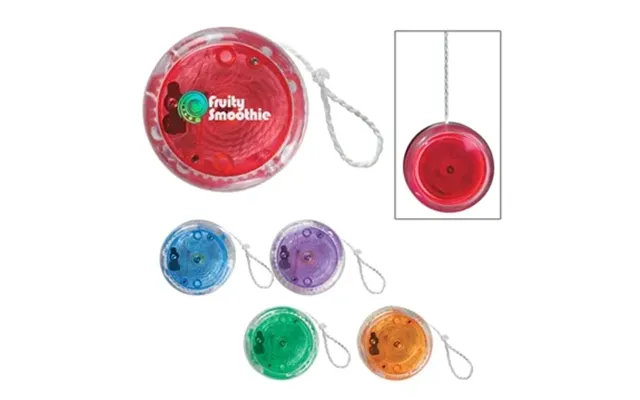
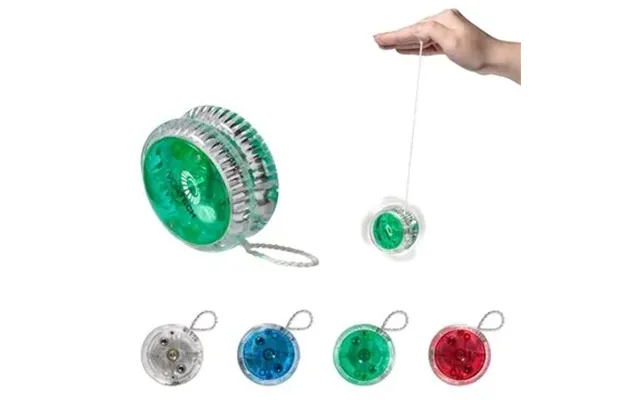
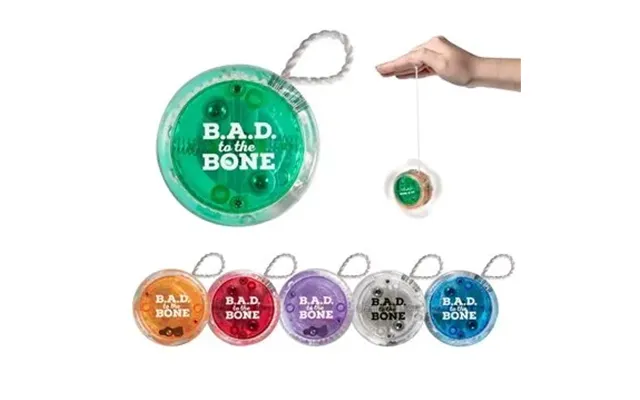
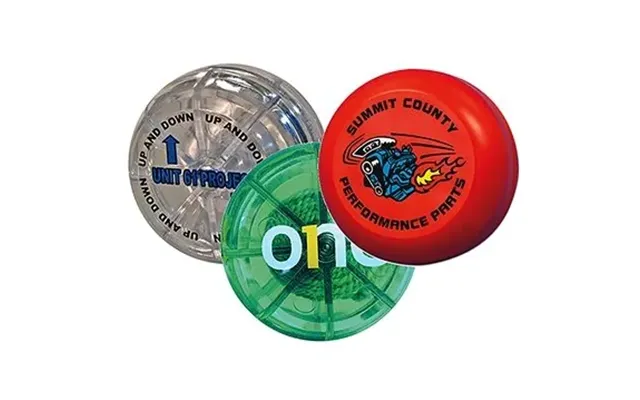
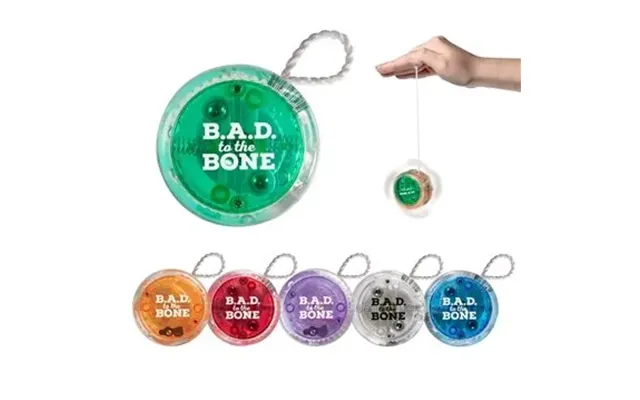
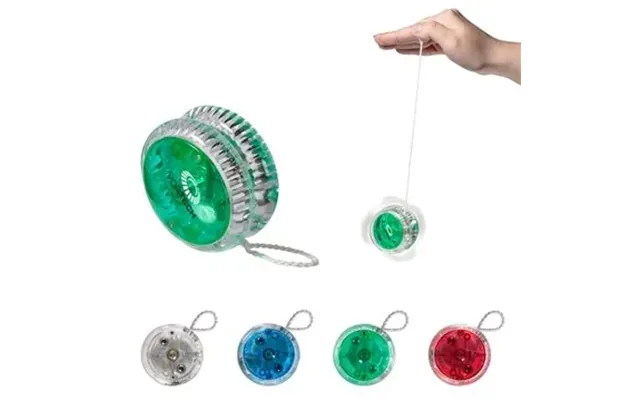
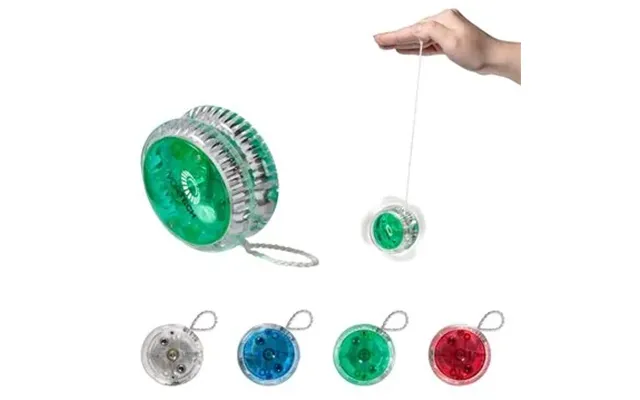
Light-up yo-yos are designed to attract attention. The reference data includes blinking LED models, battery-powered translucent models, recyclable plastic versions, and light-up ball-bearing designs. Some descriptions specify red lighting that activates while the yo-yo is in use.
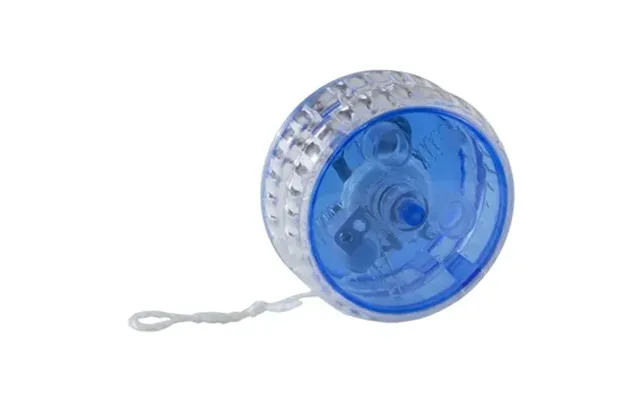
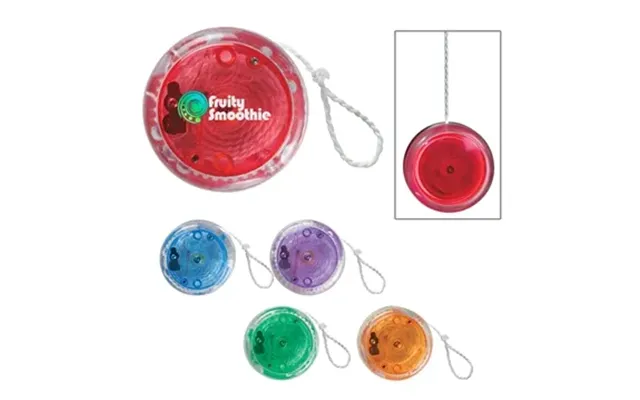
The 250 Customized Light Up Yo-yo with Blinking LED and Battery Powered construction uses a translucent PS plastic exterior and two LR41 button cell batteries. The description says the batteries are inserted and replaceable, and gives a product size of 2.16 inches wide by 1 inch high.
There are also 300 Custom Light Up Yo-yo listings with blinking LEDs. The reference data shows per-unit figures of $1.41 and $1.32 for separate listings. Another 250-unit light-up listing has a displayed figure of $1.50 each, while a separate listing shows $1.60 each.
These products can be useful when visibility matters. A glowing yo-yo can stand out more than a plain model at a gathering, promotional activity, or evening-themed event. Of course, the exact visual effect depends on the model, lighting, and use conditions described in the individual offer.
Battery-powered versions may be appealing if you want replaceable batteries and a translucent body. The 250 Customized Light Up Yo-yo listing specifically identifies two LR41 button cell batteries. Other light-up listings mention batteries being inserted, but do not provide the same battery details.
Before selecting one, compare the product description carefully. Look for the lighting style, battery information, quantity, and customization notes. A few seconds of comparison can prevent you from choosing a model that looks similar but has different features.
The 300 Promotional Light Up Yoyo with Ball Bearing is described as having two ball bearings to allow an easy return. Its red light turns on during use, and the listing says the batteries come inserted.
The reference data includes two offers for this product title. One shows $1.63 each with a listed total of $490.08, while another shows $1.53 each with a listed total of $459.72. These figures are associated with 300-unit listings in the data.
A ball-bearing design may interest users who want a light-up appearance combined with a feature intended to support the return motion. Still, “easy return” should not be confused with every kind of advanced trick capability. The product description tells you what the model is designed to do, so read it closely before making a choice.
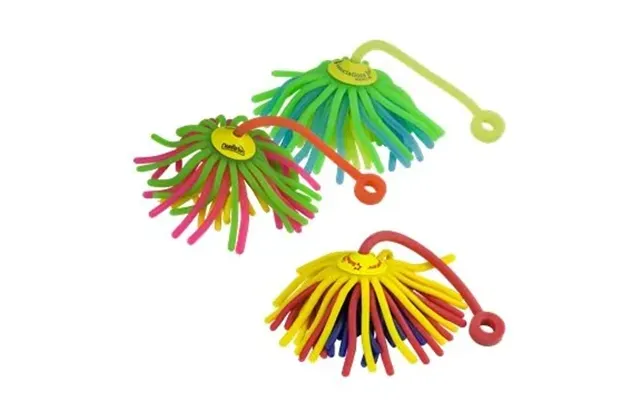
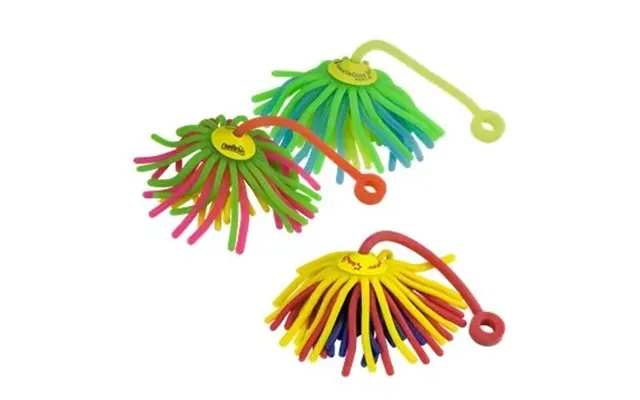
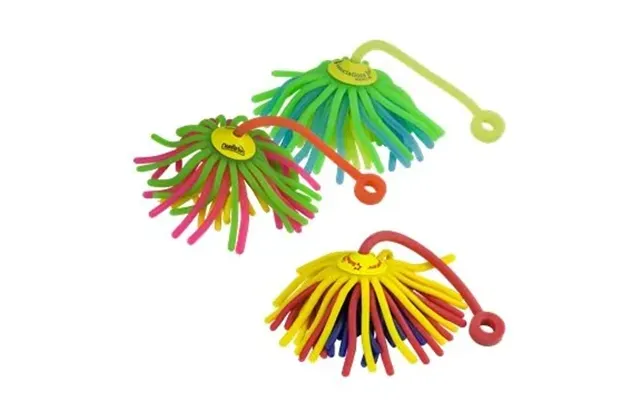
Not every yo-yo has to look traditional. The 150 Customized Jellyfish Yo Yo uses a stretchy rubbery tether, and its description says the tentacles fly during use. It is presented as safety tested and suitable for conferences or office stress relief.
Two listings appear for the jellyfish design. One shows $3.23 each with a total listed price of $484.70. Another shows $3.02 each with a total of $452.96. Both descriptions emphasize the stretchy construction and safety-tested positioning.
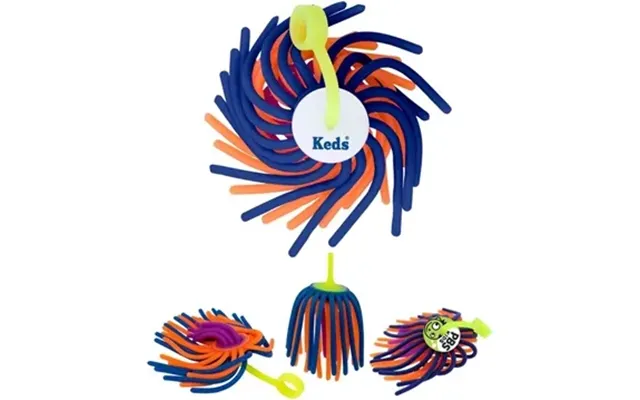
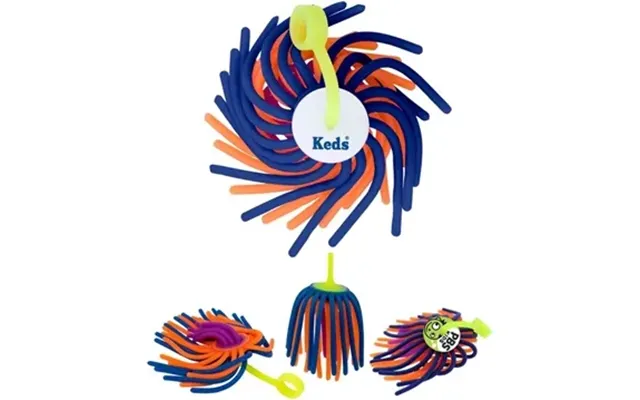
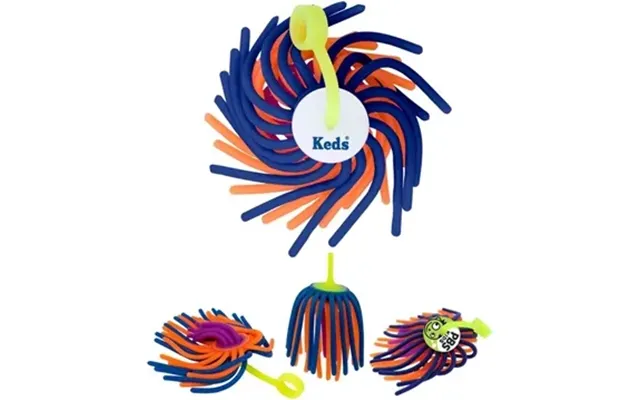
The 250 Promotional The Spaghetti Yo Yo is another playful alternative. It is described as a colorful ball with rubber hair-like strands and a loop that secures around the finger. Its listed figure is $1.84 each, with a total price of $458.80 for the stated quantity.
These novelty designs may be better suited to visual impact and casual interaction than to traditional yo-yo tricks. They are like the difference between a classic deck of cards and a novelty card trick: both can entertain, but they create different experiences.
Quantity is one of the most important comparison points in this selection. The reference data includes products in quantities of 100, 150, 250, and 300 units. A 100-unit order may be more suitable for a smaller activity, while 250 or 300 units may make sense for a larger promotional campaign.
Do not compare total prices without considering quantity. A listing with a higher total may contain more units, while a lower total may represent a smaller batch. The per-unit figures in the reference data make comparisons easier, but you should still confirm the offer details before making a decision.
For example, the 100-unit metal-spool listings show a lower total than several 250- or 300-unit offers. That does not automatically mean they are cheaper in every practical sense; they represent different quantities and product constructions. Comparing total cost and cost per unit together gives you a clearer picture.
Start by asking what the yo-yos are for. Are they intended for individual use, a classroom activity, an office event, or a promotional giveaway? Next, decide whether a classic look or a novelty feature better matches the audience.
Then review the quantity, customization wording, product features, and displayed per-unit figure. If two listings share the same title, check whether their prices or descriptions differ. The duplicate listings in the reference data demonstrate that product names alone may not tell the whole story.
Learning a yo-yo trick is less about strength and more about rhythm. Begin by placing the loop securely around your finger. Hold the yo-yo in your palm, keep your elbow near your side, and release it with a smooth downward motion.
Watch the string. If it twists or the yo-yo leans sharply, reset and try again. A straight throw is the foundation for almost everything else. Once you can make the yo-yo travel down and return consistently, you can experiment with small variations in speed and hand position.
Do not rush to perform complicated tricks. A steady basic throw is like learning the alphabet before writing a novel. Practice for a few minutes at a time, and stop if the string becomes tangled or the toy shows signs of damage.
Use a clear area and keep enough space between yourself and other people. Avoid swinging a yo-yo near faces, fragile objects, or crowded walkways. Children should use the product in a way that matches the product description and the supervision appropriate for the activity.
The jellyfish listing describes that product as safety tested, but you should still use care with any toy that has a tether, string, battery, or moving parts. Safety testing in a listing does not remove the need for sensible handling.
Basic care can help keep a yo-yo ready for practice. Store it in a dry place, keep the string free from knots, and wipe the exterior with a soft, dry cloth when needed. For light-up models, handle the battery area carefully and follow the product information supplied with the specific item.
Do not pull aggressively on the string or force the yo-yo to return when it is tangled. That is a little like yanking a stuck zipper: more force usually creates a bigger problem. Instead, unwind the string slowly and inspect the body for visible damage.
For customized or bulk orders, it may be helpful to separate unused items from those being actively played with. That way, your promotional stock stays organized while the practice yo-yos take the everyday wear.
ZoneOffer brings comparison information together so you can review different product types, quantities, and displayed prices more easily. You can use the reference details to compare classic models with light-up versions, or traditional shapes with novelty designs.
Remember that ZoneOffer is a comparison site, not a store. It does not replace checking the original offer details. Before proceeding, review the current listing for the exact product title, quantity, per-unit figure, total price, features, and any customization information.
A smart comparison is not always about choosing the lowest number. It is about matching the product to the job. A metal-spool model may suit a more traditional experience, a light-up model may create more visual excitement, and a jellyfish or spaghetti design may work better as a conversation piece.
Before choosing, confirm the product style first. Decide whether you want classic plastic, metal spool, auto return, blinking LED, ball bearing, jellyfish, or spaghetti construction. Each one offers a different kind of play.
Next, compare the quantity and displayed per-unit figure. Check whether the listing describes customization, batteries, string length, materials, or special movement. If you are buying for a group, consider whether the design is easy for beginners to understand.
Finally, review the offer source for the latest details. Product information can vary between listings with similar names, and the reference data includes multiple offers for some products. Careful comparison helps you choose with confidence instead of relying on a title alone.
Yo-yos may be compact, but they offer plenty of variety. From a classic plastic model to a glowing ball-bearing design, the right choice depends on your audience, your goals, and the kind of experience you want to create. Compare the options thoughtfully, practice the basics, and let your yo-yo become a small tool for play, focus, and connection.