

Ear Dryers price list
Last updated Saturday, Oct 17, 2026
| Ear Dryers | Price |
|---|---|
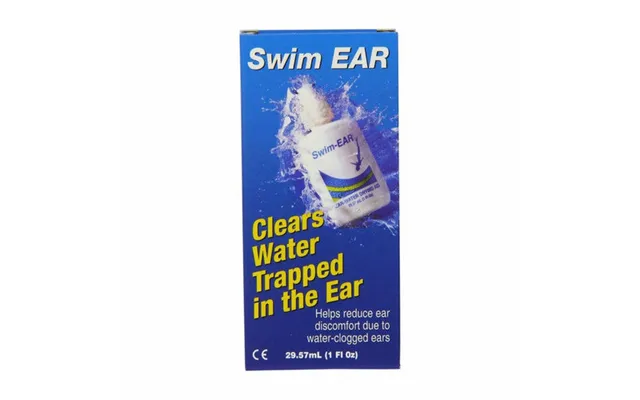
| Swim-ear - Ear Drying Aid | $5.06 |
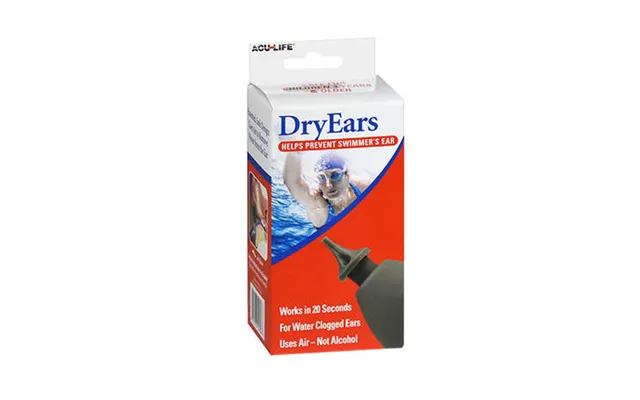
| Acu-life - Dry Ears For Swimmers | $7.58 |





Loading...
Last updated Saturday, Oct 17, 2026
| Ear Dryers | Price |
|---|---|
| Swim-ear - Ear Drying Aid | $5.06 |
| Acu-life - Dry Ears For Swimmers | $7.58 |
Water in your ears can feel like a tiny problem that refuses to leave. After swimming, bathing, or spending time around water, that clogged sensation may become distracting and uncomfortable. Ear-drying products are designed to help remove moisture and support a drier feeling, giving you a practical option when water seems trapped.
In the reference selection, two products stand out: Acu-Life Dry Ears For Swimmers and Swim-Ear Ear Drying Aid. Both are available through Herbsdaily, but they take slightly different approaches in their product descriptions. Acu-Life is presented as a swimmer-focused ear-drying product, while Swim-Ear provides specific active ingredients and application directions.
How do you choose between them? The best starting point is to compare the product format, listed ingredients, directions, warnings, and the kind of situation you want to address. Think of this guide as a map: it helps you understand the options without turning a simple purchase into a guessing game.
Moisture can remain in the outer ear after swimming or bathing. That damp, blocked feeling may make sounds seem different or leave you wishing you could simply tip your head and make the water disappear. An ear-drying product may be useful for people who frequently deal with water-clogged ears, especially after time in a pool or other wet environment.
The reference data describes Acu-Life as “Dry Ears For Swimmers,” making its intended audience clear. Swim-Ear is described as an “Ear Drying Aid” that helps prevent hearing problems and ear discomfort due to water-clogged ears. These descriptions point toward everyday moisture management rather than a broad treatment for every ear concern.
Still, a product label is not a substitute for medical advice. Ear discomfort can have many causes. If the issue involves pain, drainage, irritation, dizziness, or another unusual symptom, reviewing the warnings is especially important before use.
When comparing ear dryers, look beyond the product name. A useful checklist includes the intended use, size, ingredients, directions, warnings, and price. These details tell you how the product is meant to fit into your routine.
A swimmer-focused product may appeal to people who regularly spend time in water. Acu-Life Dry Ears For Swimmers is listed as one each, and its title directly connects it with swimming. Swim-Ear Ear Drying Aid is listed as 1 fluid ounce and is described as helping with water-clogged ears.
Swim-Ear has clearly listed active and inactive ingredients in the reference data. Its active ingredient is isopropyl alcohol at 95%, while anhydrous glycerin makes up 5% of the base. The listed direction is to apply 4 to 5 drops in each affected ear.
The Acu-Life listing does not provide a comparable ingredient breakdown or application direction in the supplied data. That does not automatically make it unsuitable; it simply means you should rely on the product packaging and available label information for details not shown here.
Warnings deserve more attention than flashy packaging. Swim-Ear is labeled flammable and should be kept away from fire or flame. It should not be used in the eyes. The reference data also says to ask a doctor before use if you have ear drainage or discharge, pain, irritation or a rash in the ear, a history of ear surgery, or dizziness.
The same listing says to stop use and ask a doctor if irritation, excessive burning, or pain occurs. It also states that the product should be kept out of reach of children. If swallowed, the label advises getting medical help or contacting poison control right away.
Acu-Life Dry Ears For Swimmers is listed under the Acu-Life brand and sold through herbsdaily. The reference data identifies the size as one each and lists a price of $7.58. Its name gives it a straightforward position in the category: it is aimed at people who want help drying their ears after swimming.
That focused name can make the product easy to understand at a glance. If your main concern is moisture after a swim, the product’s positioning may feel relevant without requiring you to decode a complicated description.
However, the supplied listing does not include a full set of ingredients, detailed directions, or product-specific warnings for Acu-Life. Before using it, read the packaging carefully and follow the instructions provided with the product. Why rush through that step? Ear products are used in a sensitive area, so label information matters.
Acu-Life may be worth considering for shoppers looking specifically for a swimmer-oriented ear-drying option. Its listed price is lower than the listed price of Swim-Ear, although price alone should not determine which product is right for you.
Use the product title as a starting point, not as a replacement for the label. Check the package for application instructions and safety information before making your final decision.
Swim-Ear Ear Drying Aid is listed under the Swim-Ear brand and sold through herbsdaily. The reference data lists a 1-fluid-ounce size and a price of $5.06. Its description specifically addresses water-clogged ears and ear discomfort, making its intended use easy to identify.
Unlike the Acu-Life listing, Swim-Ear includes an ingredient profile and a specific application direction. The product contains isopropyl alcohol at 95% as its active ingredient and anhydrous glycerin at 5% as its inactive base. The listed direction is to apply 4 to 5 drops in each affected ear.
Swim-Ear’s warnings should guide how you evaluate it. The product is flammable, so it must be kept away from fire or flame. It is not intended for use in the eyes. The label also identifies several situations in which you should ask a doctor before use, including ear drainage or discharge, pain, irritation, a rash in the ear, previous ear surgery, or dizziness.
If use causes irritation, too much burning, or pain, the reference information says to stop using the product and ask a doctor. Keep it away from children. If swallowed, seek medical help or contact poison control immediately.
Both products are connected with ear drying, but the available data gives you different kinds of information for each one. Acu-Life is listed as a swimmer-focused product with a price of $7.58. Swim-Ear is listed as a 1-fluid-ounce ear-drying aid priced at $5.06, with ingredients and application directions included.
Here is the simple comparison:
Acu-Life Dry Ears For Swimmers: Acu-Life brand, one each, listed at $7.58 through herbsdaily. The title emphasizes use after swimming, while the supplied description does not provide ingredient or dosing details.
Swim-Ear Ear Drying Aid: Swim-Ear brand, 1 fluid ounce, listed at $5.06 through herbsdaily. The listing identifies isopropyl alcohol at 95% as the active ingredient, anhydrous glycerin at 5% as the inactive base, and directs users to apply 4 to 5 drops in each affected ear.
Which one is better? That depends on what matters most to you. You might prefer the swimmer-focused presentation of Acu-Life, or you may value the more detailed ingredient and direction information shown for Swim-Ear. Price may also influence your comparison, but safety and suitability should come first.
Start by reading the product label every time you use a new ear-drying product. Confirm the intended use, application amount, and warnings. With Swim-Ear, the supplied information says to apply 4 to 5 drops in each affected ear. Do not assume that direction applies to another product.
Use only as directed and avoid improvising. More is not necessarily better, just as pouring extra water into a full glass does not make the glass work better. Keep the container away from flames when the label identifies the product as flammable.
It is also wise to keep the product away from your eyes and out of children’s reach. Store it in a way that reduces the chance of accidental misuse. If swallowing occurs, follow the listed emergency guidance rather than waiting to see what happens.
The reference information for Swim-Ear specifically says to ask a doctor before use if you have ear drainage or discharge, pain, irritation or a rash in the ear, a history of ear surgery, or dizziness. These warnings are important because an ear-drying product may not be appropriate for every ear condition.
You should also stop using Swim-Ear and ask a doctor if irritation, excessive burning, or pain develops. A little discomfort is not something you need to “push through.” Your ears are sensitive, and a warning sign deserves attention.
The Acu-Life listing does not include the same detailed warning information in the supplied data. For that reason, review the product’s own packaging before use and seek professional guidance if you have symptoms or concerns.
Your routine can help narrow the options. A frequent swimmer may naturally gravitate toward a product whose name directly references swimming, such as Acu-Life Dry Ears For Swimmers. Someone who prefers seeing a listed ingredient profile and application instruction may focus on Swim-Ear.
Consider when the moisture problem usually occurs. Is it after swimming, after bathing, or only once in a while? Do you want a compact product for personal care storage? The supplied data confirms Swim-Ear is 1 fluid ounce, while Acu-Life is listed as one each, but it does not provide additional package dimensions.
Make your choice using verified information rather than assumptions. A comparison site can help you review the available details, but you should still check the product label for the most complete use and safety instructions.
The reference data lists Acu-Life Dry Ears For Swimmers at $7.58 and Swim-Ear Ear Drying Aid at $5.06. These are the prices supplied for the listed offers through herbsdaily. No discount, sale, or regular price is provided for either item.
Price is useful for comparison, but it is only one piece of the puzzle. A lower listed price may appeal to budget-conscious shoppers, while a more detailed listing may be valuable to someone who wants to review ingredients and directions before buying.
ZoneOffer helps you compare available product information; it is not a store. Treat the listed details as a starting point for shopping research, and verify the final information on the product or offer page before making a decision.
One common mistake is assuming all ear-drying products work the same way. They do not necessarily share the same ingredients, directions, or warnings. Follow the instructions for the specific product you choose.
Another mistake is ignoring symptoms because the problem began after swimming. Swim-Ear’s listed warnings mention pain, discharge, irritation, rash, dizziness, and previous ear surgery as reasons to ask a doctor before use. Those details should not be brushed aside.
Finally, avoid treating price as proof of quality or suitability. Acu-Life is listed at $7.58, while Swim-Ear is listed at $5.06, but the right choice depends on your needs, the label, and whether the product is appropriate for your situation.
Ear-drying products can offer a practical option for dealing with water-clogged ears, especially after swimming. Acu-Life Dry Ears For Swimmers is listed as a swimmer-focused product at $7.58, while Swim-Ear Ear Drying Aid is listed at $5.06 and includes details about its 95% isopropyl alcohol active ingredient, 5% anhydrous glycerin base, and direction to apply 4 to 5 drops in each affected ear. Compare the products carefully, read every warning, and ask a doctor before use when the listed precautions apply. With a little attention, choosing an ear-drying aid becomes less like guessing and more like following a clear trail.