

Tube Feeding Supplements price list
Last updated Saturday, Oct 17, 2026




View 16 Offers

Loading...
Last updated Saturday, Oct 17, 2026
Choosing tube feeding supplements and enteral care products can feel like assembling a puzzle while balancing nutrition, comfort, safety, and routine care. The reference selection includes pediatric formulas, elemental nutrition, whole-food blends, hydration products, feeding tubes, extension sets, pump accessories, and related supplies. Each item serves a different purpose, so the best choice depends on the person’s care plan and the type of feeding access being used.
ZoneOffer is a comparison site that helps shoppers review product details and listed prices from available offers. It is not a store, pharmacy, or medical provider. Before changing a formula, tube, feeding method, or hydration routine, follow guidance from the appropriate healthcare professional.
Tube feeding supplements are liquid formulas or nutrition products designed to provide calories, protein, vitamins, minerals, or hydration through an enteral feeding system. Some are intended as complete nutrition, while others are better suited to supplemental use. Think of the formula as fuel and the feeding equipment as the delivery route: both need to match the individual plan.
The products in this comparison include options for infants and children, as well as formulas intended for broader nutritional support. Several products are labeled lactose-free and gluten-free, while others focus on elemental nutrition, fiber, plant-based ingredients, higher calorie density, or specialized pediatric needs.
Labels can look similar at first glance, but the details matter. Compare flavor, calorie content, fiber, allergen information, serving size, packaging, and intended age range. A product that works well for one person may not be appropriate for another.
Peptamen Junior Complete Elemental Nutrition is listed in both unflavored and vanilla liquid versions. Each 8-ounce can provides 250 calories, and both versions are described as lactose-free and gluten-free. The unflavored option may appeal to caregivers seeking a neutral taste, while vanilla offers a more recognizable flavor profile when taste is relevant.
Nestle Healthcare Nutrition Vivonex RTF Elemental Diet is another unflavored option listed at 250 calories per 8-ounce can. It is also described as lactose-free and gluten-free. Elemental formulas are often considered when digestion and tolerance are important parts of the nutrition plan, but a healthcare professional should determine whether this formula type is suitable.
For a peptide-focused pediatric option, the listed Kate Farms Pediatric Peptide Supplemental Formula comes in vanilla flavor and provides 375 calories in an 8.45-ounce container. The description identifies it as designed for children ages 1 through 13 and free of whey, lactose, casein, soy, gluten, and corn. It is also described as certified organic by QAI.
Flavor may seem like a small detail, yet it can make a routine easier for families who use a formula orally as well as through a feeding tube. Unflavored products may offer flexibility, while vanilla products can provide a familiar alternative. Always compare the full label rather than relying only on the product name.
Fiber appears in several pediatric nutrition choices in the reference data. Peptamen Junior With Fiber Vanilla Flavor provides 250 calories per 8-ounce can and is described as lactose-free and gluten-free. Nutren Junior Fiber Complete With Prebio1 Vanilla Flavor is listed in a 250-milliliter container, with 250 calories, and is also described as lactose-free and gluten-free.
Fiber-containing formulas may be considered when a care plan includes fiber, but tolerance varies. A gradual approach may be recommended by a healthcare professional, especially when the person has digestive sensitivity or a history of feeding-related discomfort. Caregivers should avoid changing fiber intake without professional direction.
When comparing these products, review whether the formula is intended for complete nutrition, supplemental use, or a specific age group. The reference data identifies both product names and calorie information, but it does not provide a universal serving schedule or individualized feeding instructions.
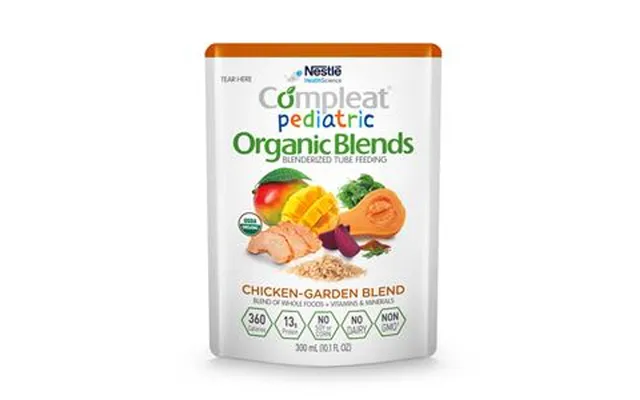
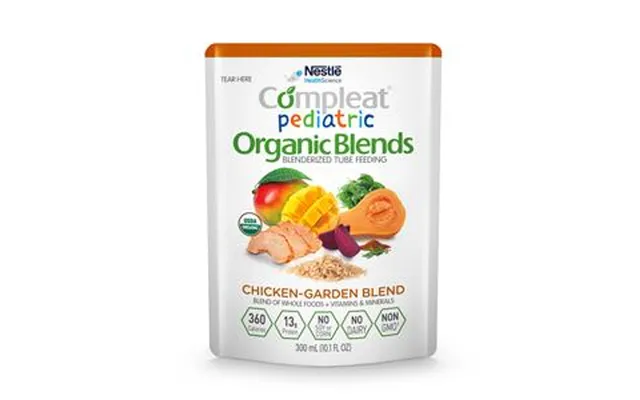
Nestle Compleat Pediatric Nutritional Formula Organic Blends offers a plant-based, blenderized tube feeding formula in a 10.1-fluid-ounce pouch. The listing describes 360 calories per pouch and identifies the product as made with organic, non-GMO ingredients. It is also described as free of corn, soy, dairy, artificial colors, sweeteners, and flavors, as well as gluten-free and lactose-free.
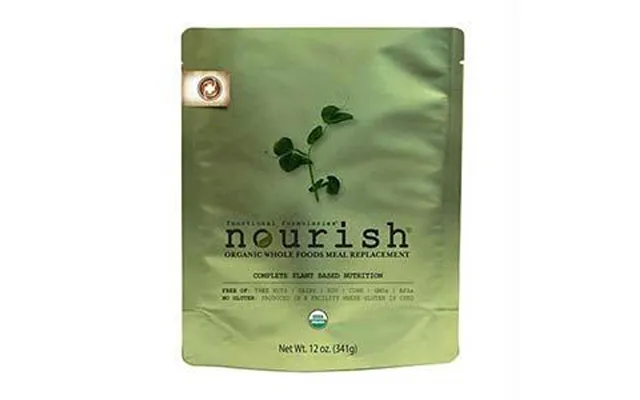
Nourish Organic Whole Food Meal Replacement is listed in a 12-ounce pouch with 400 calories. The description calls it a pediatric whole-food formula that provides at least 100 percent of the dietary reference intake for 26 key vitamins and minerals for children ages 4 to 8. It is described as organic, non-GMO, plant-based, and free of added sugar, soy, corn, dairy, nuts, tree nuts, and gluten.
The Nourish listing also describes the product as suitable for supplemental or sole-source nutrition under appropriate supervision. It is packaged in a BPA-free pouch and identified as shelf-stable for 2 years. These details may be helpful for caregivers comparing storage and ingredient preferences, but the individual nutrition plan should always come first.
Plant-based and organic labels can be valuable to families managing dietary preferences or restrictions, but they do not automatically determine suitability. Check the complete ingredient and allergen information, especially when multiple allergies, fluid restrictions, or low energy requirements are involved.
Nutren Junior Complete Vanilla Flavor is listed in a 250-milliliter carton with 250 calories and is described as lactose-free and gluten-free. There is also a Nutren Junior Fiber Complete option with Prebio1 in vanilla flavor. These products may be useful for caregivers comparing standard pediatric formulas with fiber-containing alternatives.
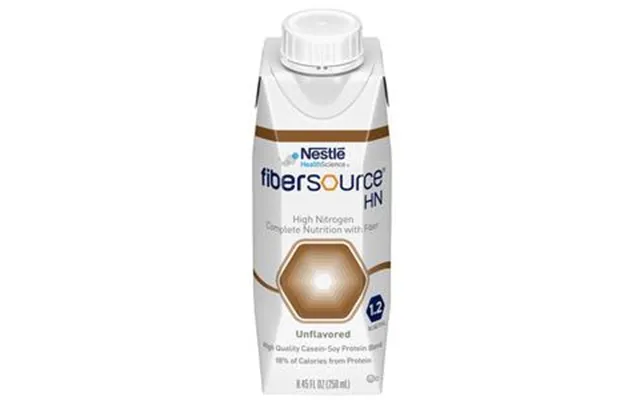
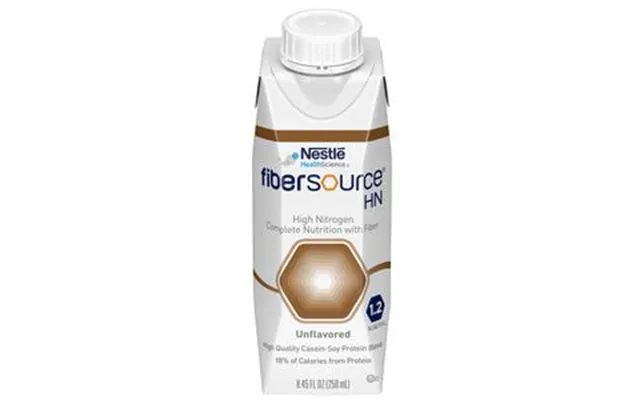
Isosource 1.5 Cal Complete Unflavored Liquid Food is listed in a 1,000-milliliter closed-system container and provides 375 calories per 250 milliliters. The description identifies it as lactose-free and gluten-free. Isosource High-Nitrogen Spikeright Complete Liquid Food is also listed in a 1,000-milliliter closed-system container, with 300 calories per 250 milliliters and 1.2 calories per milliliter.
The Isosource High-Nitrogen description calls it a nutritionally complete, high-protein formula for standard nutritional support and mentions use in dietary management related to oncology, dysphagia, malnutrition, and stroke. Those references describe the product listing; they are not a recommendation for any individual condition.
Pedialyte products in the reference data include ready-to-feed bottles and powder packs. The fruit-flavored ready-to-feed listing is a 1-liter bottle with 100 calories per bottle, while the strawberry version has the same bottle size and calorie statement. The institutional unflavored option is listed in 2-ounce bottles with 35 calories per bottle.
Pedialyte powder packs are offered as a four-flavor variety containing fruit punch, apple, strawberry, and grape. Each stick is listed as 0.3 ounces and is mixed with 8 ounces of water, providing 23 calories per stick. Caregivers should follow the product instructions and professional guidance when using hydration products through a feeding tube.
Hydration needs can vary based on age, medical condition, formula intake, activity, and fluid restrictions. A hydration product should not be treated as a universal replacement for medical advice. When in doubt, ask the care team how much fluid is appropriate and which products are compatible with the feeding plan.
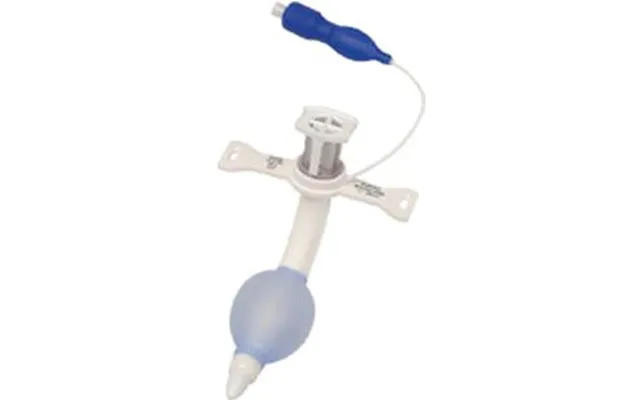
The selection includes a Gastrostomy Feeding Tube 24 Fr with a 7 to 10 milliliter balloon. It is described as silicone, with a tapered distal tip and gamma sterilization. The reference data also includes several MIC-KEY low-profile gastrostomy feeding tube kits.
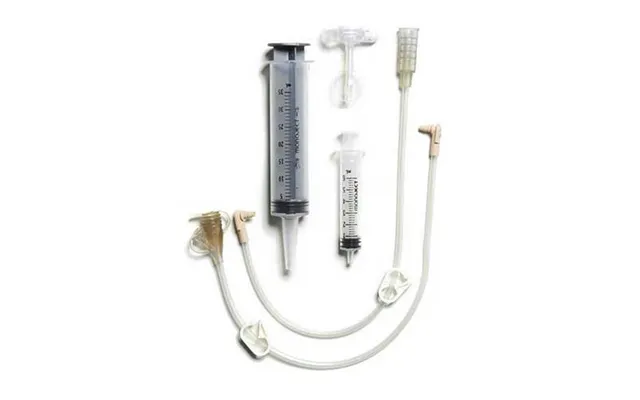
The MIC-KEY 14 Fr, 1.2-centimeter kit includes a low-profile feeding tube, a 6-milliliter luer slip syringe, a 35-milliliter enteral feeding syringe with an ENFit connector, a 12-inch continuous-feed extension set, a 12-inch bolus-feed extension set, and four gauze pads. The listing states that a stoma measuring device is not included.
A MIC-KEY 16 Fr, 2.5-centimeter kit includes similar components and is described as having a 10-milliliter balloon. Another MIC-KEY 14 Fr kit is listed for a 2.0-centimeter stoma length with a 5-milliliter balloon. Because tube fit and balloon size are clinically important, these products should be selected and replaced only according to professional instructions.
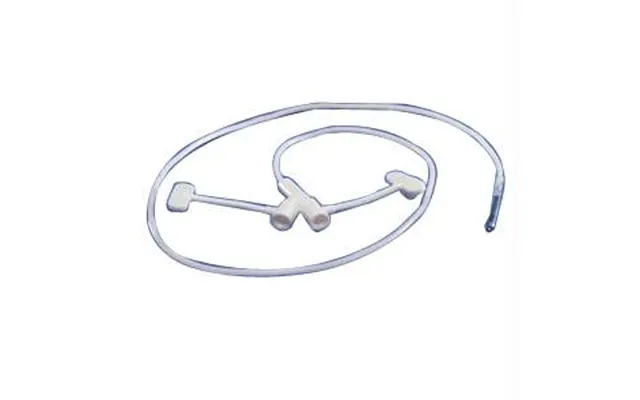
For pediatric nasogastric feeding, the reference data includes a Pedi-tube 6 Fr, 36-inch tube made from radiopaque polyurethane. It is described as sterile, with a dual-port connector and without a stylet. A second Pedi-tube listing is 6 Fr and 20 inches, with a stylet and weight, and is also described as sterile.
The Corflo Ultra Lite Nasogastric Feeding Tube is listed as 6 Fr and 36 inches, without a stylet. Its description includes a non-weighted design, an anti-clog feeding port, polyurethane or silicone construction, and latex-free and DEHP-free characteristics.
Another option is an indwelling polyurethane enteral feeding tube with a radiopaque orange stripe, listed as 8 Fr and 16 inches. The description includes centimeter markings, no DEHP, no BPA, and an intended use of up to 30 days. These details can help caregivers and clinicians compare design features, but placement and dwell time must follow professional direction.
The Dale Nasogastric Tube Holder is described as a one-size-fits-most holder for nasogastric and related tubes. Its listing mentions adhesive support, dual interlocking tabs, and features intended to reduce irritation and accidental tube movement. Securement products can make daily routines easier, but skin should be observed regularly for redness, pressure, or other signs of irritation.
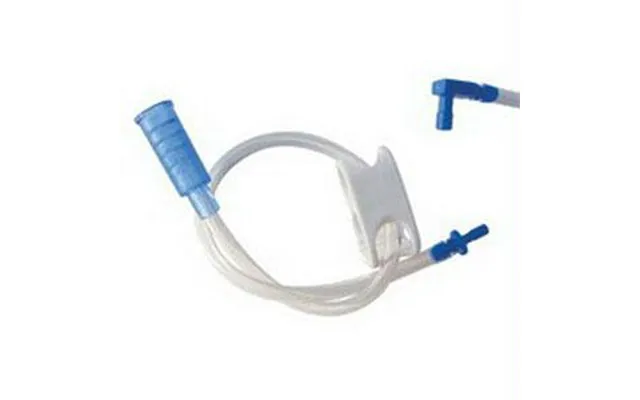
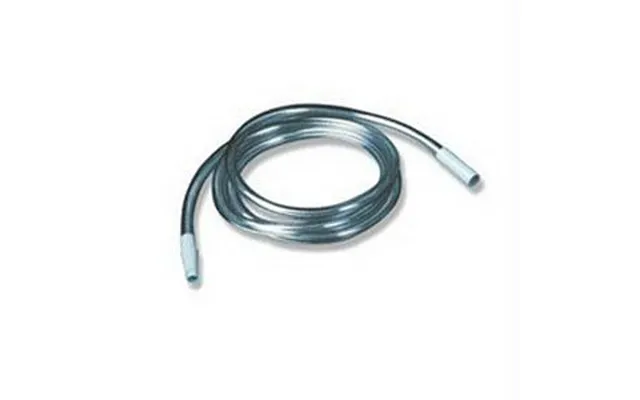
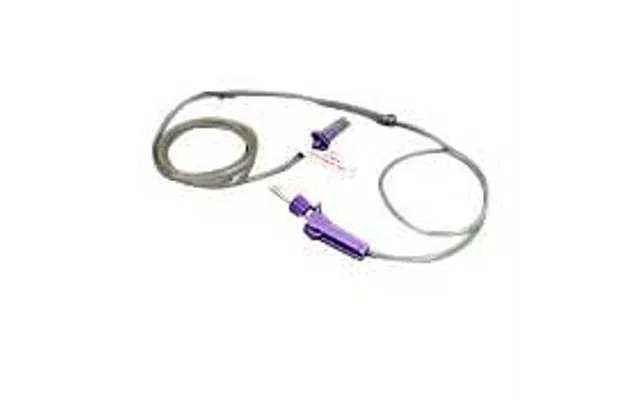
Extension sets connect the feeding tube to a syringe, bag, or other feeding component. The reference data includes AMT feeding extension sets with straight or right-angle connectors, bolus adapters, and Y-ports. Examples include a 24-inch bolus feeding extension set, a 12-inch set with a clear Y-port, and right-angle sets for 18 Fr and 24 Fr systems.
The AMT Mini One bolus medication set is listed at 2 inches and includes a straight connector with a purple bolus adapter. Its description identifies clear tubing and DEHP-free construction. The MIC-KEY kits also include both continuous-feed and bolus-feed extension sets, giving caregivers built-in options for different feeding routines.
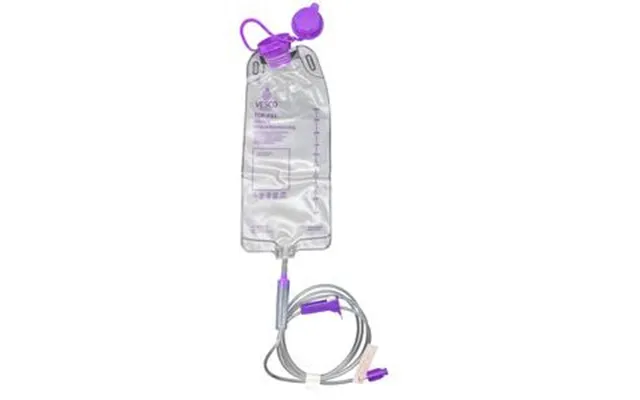
The Vesco Top Fill Gravity Feeding Transition Set is listed with a 1,000-milliliter capacity and an ENFit connector. The description mentions a snap cap, hanging ring, readable graduations, translucent material, a complete-drainage exit port, and latex-free, DEHP-free, and BPA-free features.
For pump feeding, the Alcor Amsure Enteral Feeding Pump Spike Set is described as having a locking distal tip and latex-free construction. Compatibility is essential, so caregivers should confirm that the connector and set match the pump and feeding tube before use.
The reference offers show a broad price range. For example, the Alcor Amsure pump spike set is listed at $1.96, while the MIC-KEY low-profile gastrostomy kits are listed at $200.14. The price difference reflects the fact that these are very different product categories, not necessarily differences in quality.
Nutrition products also vary widely. Nutren Junior Complete is listed at $2.76 per carton, while the Kate Farms Pediatric Peptide formula is listed at $27.58. The Solace Nutrition NanoVM pediatric vitamin and mineral supplement powder is listed at $99.95 for a 275-gram container. Compare the package format, serving information, and intended use before judging value.
Some listings include a regular price for comparison, while others show a regular price of $0.00. For example, Peptamen Junior Complete products are listed at $13.01 with a regular price of $391.66, and Isosource 1.5 Cal is listed at $11.13 with a regular price of $15.94. Prices can change, so use the current comparison listing as a reference rather than assuming a price is permanent.
Start with the care plan. Is the person using a gastrostomy tube, a nasogastric tube, a pump, gravity feeding, or bolus feeding? The answer narrows the equipment options quickly. Next, compare formula characteristics such as calories, fiber, flavor, allergen information, and age range.
Then check connector style and tube compatibility. ENFit, bolus, Y-port, right-angle, and straight connectors may not be interchangeable. If the product is a replacement tube, compare the size, length, balloon details, and stoma measurements with the existing prescription or clinical instructions.
Finally, review packaging and handling needs. A single bottle, carton, pouch, closed-system container, or case may suit a different routine. Keep a written list of the exact product name, size, connector type, and any professional instructions. That small checklist can prevent a large amount of confusion.
The reference selection covers many parts of tube feeding care, from pediatric elemental formulas and fiber-containing nutrition to whole-food blends, hydration products, gastrostomy kits, nasogastric tubes, extension sets, and pump accessories. The smartest comparison is not simply the lowest listed price; it is the product that matches the prescribed nutrition plan, tube system, age group, ingredient needs, and daily routine. Use ZoneOffer to compare available product details and listed offers, and rely on a qualified healthcare professional for individualized feeding decisions.