

Amaranth price list
Last updated Sunday, Oct 18, 2026
| Amaranth | Price |
|---|---|
| Now Foods - Amaranth Grain Organic | $5.19 |




Loading...
Last updated Sunday, Oct 18, 2026
| Amaranth | Price |
|---|---|
| Now Foods - Amaranth Grain Organic | $5.19 |
Amaranth has moved from an ancient staple to a practical pantry grain for modern kitchens. It is small, versatile, and naturally suited to everything from breakfast bowls to savory side dishes. If you want to add more variety to your meals, amaranth can be an intriguing alternative to familiar grains such as rice or oats.
This guide explores the featured organic amaranth grain from NOW Foods, including its listed nutrition, cooking suggestions, storage considerations, and everyday uses. You will also find comparison details for the listed offer on ZoneOffer, a comparison site that helps shoppers review product information rather than a store that sells products directly.
Amaranth is a tiny grain-like seed with a distinctive texture and a mild, earthy flavor. Think of it as a flexible kitchen ingredient: it can become soft and porridge-like when cooked with extra liquid, or it can be used as part of a thicker mixture for patties, bowls, and baked recipes.
Unlike many pantry staples that work best in only one type of dish, amaranth can move comfortably between sweet and savory recipes. You can pair it with fruit and spices in the morning, or combine it with broth and vegetables for lunch or dinner. Its small size also makes it easy to blend with other grains and ingredients.
Amaranth offers variety for people who want to experiment with grain-based meals. The featured product is labeled organic and contains organic amaranth as its only listed ingredient. That simple ingredient list makes it easy to understand what you are adding to your cooking.
It can also help you break out of a repetitive meal routine. Have you ever opened your pantry and found yourself reaching for the same rice or pasta again? Amaranth gives you another option without requiring complicated preparation or specialty cooking equipment.
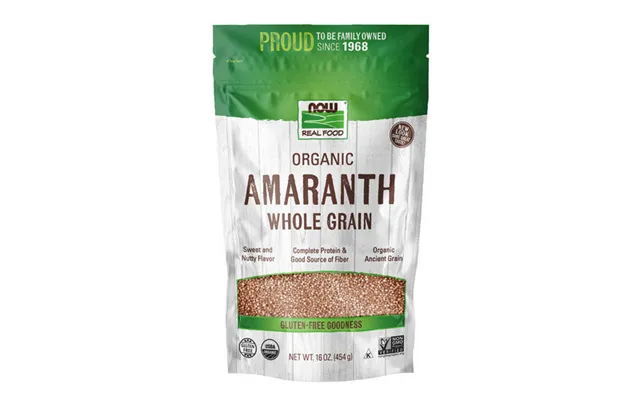
The reference listing features NOW Foods Amaranth Grain Organic in a 1-pound package. The product is described as certified organic by QAI, and the listed ingredient is organic amaranth. These details may appeal to shoppers who prefer a straightforward grain product with an organic designation.
The product information also provides serving facts based on a serving size of one-quarter cup. The package contains about 10 servings according to the listing. Because packaging and product information can change, it is sensible to review the current listing and package label before making a purchase decision.
At the time represented by the reference data, the product is listed with Herbsdaily at $5.19. The reference data does not provide a regular price or a stated discount, so it would be inaccurate to describe the offer as discounted. ZoneOffer presents this information for comparison and should not be confused with the retailer.
The reference data also does not establish broad availability, shipping terms, or delivery timing. Those details can vary and should be checked on the relevant retailer listing before ordering. In other words, use the comparison information as a starting point, then confirm the details that matter to you.
According to the provided product information, one-quarter cup contains 200 calories, 3 grams of total fat, 36 grams of total carbohydrate, 6 grams of dietary fiber, and 7 grams of protein. The listing also reports 0 grams of sugar, 0 milligrams of cholesterol, and 0 milligrams of sodium.
The same information lists 20% of the Daily Value for iron, 8% for calcium, and 24% for dietary fiber. These figures are based on the product’s stated serving information and a 2,000-calorie diet reference. Individual nutrition needs can differ, so you should consider the entire meal rather than viewing one ingredient in isolation.
The listed fiber and protein content can make amaranth a useful component in a balanced meal. Fiber is found in plant foods and can help add substance to a dish, while protein contributes to the overall nutritional structure of a meal. Pairing amaranth with vegetables, beans, dairy foods, eggs, or another protein source can create a more complete plate.
Nutrition is not a magic switch that flips after one serving. Instead, think of your diet as a mosaic. Each ingredient contributes a piece, and amaranth can be one practical piece in a varied eating pattern.
The product information specifically lists iron and calcium values. Iron and calcium are important nutrients, but the amount you need depends on factors such as age, sex, health status, and overall diet. If you are managing a nutritional condition or following a medically prescribed eating plan, consult a qualified healthcare professional for personalized guidance.
The provided cooking suggestion recommends using one-quarter cup of amaranth with three-quarters cup of liquid, such as broth or tomato juice, and cooking for 30 minutes. This simple ratio gives you a useful starting point for preparing the grain on the stovetop.
For a basic preparation, combine the amaranth and liquid in a saucepan. Bring the mixture to a boil, then reduce the heat and allow it to cook for the suggested 30 minutes. Stir occasionally and watch the texture as it develops. Since cookware and stovetops vary, use your judgment and adjust the heat if needed.
Water creates a neutral base, while broth can add savory character. The product description specifically mentions broth or tomato juice, giving you two easy ways to build flavor before adding any toppings or mix-ins.
Tomato juice can work well in a savory bowl with herbs and vegetables. Broth may be better when you want a comforting side dish or a foundation for beans. You can also season the cooked amaranth after preparation, allowing you to control the final flavor more easily.
Amaranth often develops a soft, creamy consistency when cooked with liquid. That texture can be a benefit rather than a drawback, especially if you enjoy warm breakfast bowls or spoonable side dishes. If you prefer more bite, try serving it with crisp vegetables, toasted seeds, or roasted ingredients to create contrast.
Texture is similar to music: a meal becomes more interesting when every note sounds the same. A creamy amaranth base paired with crunchy toppings can make a simple bowl feel more satisfying and thoughtfully prepared.
For breakfast, cooked amaranth can serve as a warm cereal-style base. Add fruit, cinnamon, chopped nuts, or a spoonful of yogurt for a comforting bowl. Because the grain has a soft texture, it can work well with toppings that add freshness or crunch.
You can also prepare a batch ahead of time and warm individual portions when needed. Add a splash of liquid during reheating if the mixture becomes thicker than you prefer. Keep the toppings separate until serving so fruit and crunchy ingredients retain their character.
Try pairing amaranth with apples, bananas, berries, or dried fruit. Warm spices such as cinnamon can provide a familiar breakfast flavor, while nuts and seeds can add contrast. You do not need an elaborate recipe; a few well-chosen additions can turn the cooked grain into a satisfying morning meal.
If you prefer less sweetness, use fresh fruit for flavor and skip heavily sweetened toppings. The product listing reports 0 grams of sugar per stated serving, but the sugar content of the finished dish will depend on what you add.
Amaranth can also become the foundation of a savory bowl. Start with the cooked grain, then add roasted vegetables, leafy greens, beans, eggs, or another ingredient you enjoy. Season with herbs, spices, or a flavorful sauce to create a flexible meal from simple pantry ingredients.
The cooking description’s suggestion of broth or tomato juice makes savory preparation especially easy. You can use amaranth as a side dish alongside roasted vegetables, or build a one-bowl meal with several complementary components.
Cooked amaranth can be mixed with vegetables and seasonings to form patties or fritters. The soft texture may help ingredients bind, although the exact result depends on the recipe and other components. Chill the mixture if it feels too loose, then shape it gently before cooking.
It can also work as a filling for stuffed vegetables or as an addition to soups and stews. Start with a modest amount and adjust according to the consistency you want. The goal is to complement the dish, not let one ingredient take over the entire bowl.
Store dry amaranth in a cool, dry pantry away from moisture and strong odors. Keep the package closed when not in use, and use a clean, dry measuring cup each time. These basic habits help protect the quality of dry grains and make the ingredient easier to manage.
If you cook more than you need, allow the leftovers to cool appropriately before placing them in a covered container in the refrigerator. Use clean utensils when serving and reheat only the portion you plan to eat. For specific storage duration and food-safety questions, follow current guidance from a qualified food-safety source.
The featured package provides about 10 servings based on the stated one-quarter-cup serving size. That can make it easier to plan several breakfast bowls or side dishes. You may use more or less depending on whether amaranth is the main component or one part of a larger meal.
Measuring dry ingredients before cooking keeps portions more consistent. If you are tracking calories or nutrients, remember that toppings, sauces, and cooking liquids may change the final nutritional profile.
Amaranth may appeal to home cooks who want to try a different grain-like ingredient, people seeking more plant-based variety, and shoppers who prefer organic pantry products. The featured NOW Foods product has a short ingredient list and an organic designation, which may be useful for shoppers comparing similar options.
It is also a practical choice for curious cooks. You do not need to redesign your entire diet to try it. Begin with one small batch, taste it in a familiar recipe, and decide whether its texture and flavor fit your preferences.
The product description includes a California Proposition 65 warning concerning possible exposure to chemicals, including lead, known to the state of California to cause birth defects or other reproductive harm. Shoppers should read the complete warning and consult the product packaging or retailer information for current details.
This article is for general food information and is not medical advice. If you have allergies, dietary restrictions, or concerns about specific nutrients, review the label carefully and speak with a qualified healthcare professional when appropriate.
When comparing amaranth products, look beyond the front label. Consider the package size, ingredient list, organic designation, serving information, and listed price. For the featured product, the reference data identifies a 1-pound package, NOW Foods as the brand, organic amaranth as the ingredient, and a listed price of $5.19 from HerbsDaily.
ZoneOffer can help you view comparison information in one place, but it is not the retailer. Before completing a purchase, verify the current price, product details, availability, and any terms shown by the retailer. This is especially important because online listings may change over time.
Would you prefer a product with one listed ingredient? Is the package size suitable for how often you cook grains? Do the serving facts fit your meal-planning goals? Asking these questions can help you choose based on usefulness rather than packaging alone.
Price matters, but value is personal. A product that sits unused in the pantry is not a bargain, while a reasonably priced ingredient that becomes part of several meals may earn its place quickly. Start with recipes you already enjoy so the new ingredient has a clear role.
Amaranth works best as part of a meal that includes different colors, textures, and food groups. Combine it with vegetables for freshness, a protein source for substance, and a flavorful topping or sauce for appeal. This approach turns a plain grain into a more complete and enjoyable dish.
You can also use portion balance as a simple guide. Let amaranth share the plate rather than carrying the entire meal every time. A small serving alongside vegetables and beans may feel just as satisfying as a large bowl, especially when you add herbs, acidity, or contrasting textures.
Amaranth is a versatile pantry ingredient with a soft, distinctive texture and a useful nutritional profile. The featured NOW Foods organic amaranth grain is listed in a 1-pound package, provides about 10 servings based on the stated serving information, and is offered in the reference data by HerbsDaily for $5.19. With a simple cooking method using one-quarter cup of amaranth and three-quarters cup of liquid, you can explore breakfast bowls, savory sides, patties, and hearty meal combinations. Use ZoneOffer as a comparison resource, verify current retailer details, and let your own taste guide the next recipe.