
3D Glasses price list
Last updated Sunday, Sep 27, 2026




Loading...
Last updated Sunday, Sep 27, 2026
Shopping for 3D glasses can feel a little like choosing the right lens for a camera. The frame may look impressive, but what matters is how well it fits your setup, your habits, and your expectations. Whether you want a more immersive movie experience, a playful light-up accessory, or a connected wearable device, comparing the details before buying can help you avoid the wrong match.
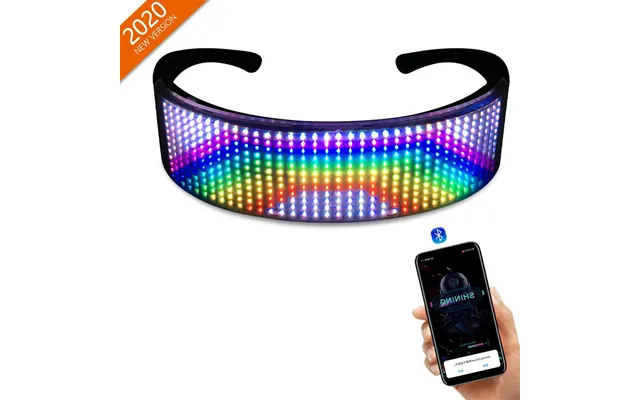
The reference offer in this category is for DIY Drawings LED Display Smart Glasses. The listing describes rechargeable, app-controlled glasses with Bluetooth connectivity and a full-color light-up display. It is shown through Alibaba at a listed price of $8. The offer description also mentions potential exclusive perks of up to $500 off, although the provided data does not explain the conditions, eligibility, or exact application of those perks.
ZoneOffer is a comparison site, not a store. That means its role is to help you review product information and compare opportunities rather than sell the glasses directly. As you browse, think of this guide as a map: it points out the useful landmarks, but you should still review the listing details before making a purchase decision.
3D glasses are wearable viewing accessories designed to support a three-dimensional visual effect. Depending on the product type and the equipment involved, they may be used with compatible televisions, projectors, gaming systems, demonstrations, or digital content. The goal is to make images appear to have more depth, as though parts of the scene are moving closer to you or farther away.
Not every pair marketed with a futuristic appearance works in the same way. Some glasses are intended for 3D viewing, while smart display glasses may focus on lighting, connected features, or visual effects. That difference is important. Before you buy, ask yourself a simple question: do you want glasses for watching compatible 3D content, or do you want wearable technology that creates a colorful visual statement?
Traditional 3D glasses are generally chosen for their relationship with a specific display system. Compatibility is the main concern, much like matching a key to a lock. Smart glasses, on the other hand, may offer features such as app control, Bluetooth connectivity, rechargeable power, and programmable lighting.
The featured DIY Drawings LED Display Smart Glasses fall into the smart wearable category based on the available description. Their full-color light-up display and app-controlled design may appeal to users who want an expressive accessory rather than a basic cinema-style viewing aid. The reference data does not confirm that they support conventional 3D movie playback, so buyers should not assume that feature without checking the listing.
The featured product is titled DIY Drawings LED Display Smart Glasses Rechargeable App Controlled BT Connected Full Color Light Up Glasses. The name highlights several functions in one line: a light-up display, rechargeable operation, app control, and Bluetooth connection.
At the listed price of $8, the product may attract shoppers seeking a low-cost way to experiment with connected wearable technology. The reference data identifies Alibaba as the store associated with the offer and does not provide a brand name. Since no regular price is supplied, it would be inaccurate to describe the listing as a specific percentage discount or to calculate savings from a previous price.
The full-color display is one of the product’s central attractions. Colorful lighting can make a wearable accessory stand out at parties, performances, creative events, or casual gatherings. It can also give you a way to personalize your appearance without changing your entire outfit.
App control suggests that users may be able to manage some display functions through a compatible application. Bluetooth connectivity is also included in the product title, indicating that the glasses are designed as a connected device. However, the reference data does not specify the app name, supported operating systems, Bluetooth version, control range, or available display patterns.
Rechargeable operation may be convenient because it can reduce the need for disposable batteries. Still, the available information does not state the battery capacity, charging time, runtime, charging connector, or whether a charging cable is included. Those are practical details worth checking on the product page before you commit.
These smart glasses may suit shoppers who enjoy expressive accessories and colorful technology. If you like customizing your look, experimenting with app-controlled gadgets, or adding a bright visual element to an event outfit, a full-color display could be appealing.
They may also interest creative users who want an accessory for photos, themed gatherings, performances, or personal projects. The word “DIY” in the product title suggests a hands-on or customizable angle, although the reference data does not explain exactly what can be drawn, edited, or programmed.
On the other hand, someone searching specifically for glasses to watch 3D movies should investigate compatibility carefully. The product title emphasizes LED display and connectivity rather than 3D playback. That does not prove the glasses cannot be used for a particular viewing purpose, but it does mean the available data is not enough to confirm that use.
Compatibility is the bridge between an exciting product description and a satisfying experience. For app-controlled glasses, check whether the associated application works with your phone or other device. The provided data does not identify supported platforms, so this point needs verification before purchase.
You should also examine how the glasses connect. Bluetooth is named in the listing, but the reference information does not state the connection range, pairing process, or supported profiles. If you plan to use the glasses in a busy environment, easy pairing and stable connectivity may matter more than a long feature list.
Read the product title and description as a complete picture rather than focusing on one keyword. “Glasses” does not automatically mean “3D movie glasses,” and “display” does not necessarily mean that the lenses show video. Here, the available wording points toward a wearable light-up display with smart features.
If your priority is conventional 3D viewing, look for clear information about supported content, display systems, lens technology, and device compatibility. If your priority is colorful wearable lighting, focus instead on control options, charging, comfort, display customization, and the app experience.
A clever feature is only useful if you enjoy wearing the product. Consider the frame shape, overall weight, nose fit, temple comfort, and whether the glasses stay secure during movement. The reference data does not provide measurements or weight for the featured item, so these details should be confirmed separately.
Think about where you plan to wear them. A frame that feels fine for a short photo session may not feel the same during a longer event. If you expect to move around, dance, or wear the glasses outdoors, stability and comfort become especially important.
Because the glasses include electronics, you may also want to check how the display affects visibility. The provided information does not explain whether the light-up elements sit in the lenses, around the frame, or across another part of the design. That distinction can affect both comfort and practical use.
Rechargeable accessories can be convenient because you can restore power instead of replacing batteries. However, convenience depends on the charging routine. Before buying, look for the listed runtime, charging duration, cable type, and battery information.
The reference data confirms that the glasses are described as rechargeable, but it does not provide those specifications. As a result, you should avoid assuming that the battery will last for a particular number of hours. If you plan to use the glasses at an event, charging them fully beforehand would be a sensible preparation step.
It is also useful to consider how the glasses behave when the battery is low. The available listing information does not say whether the display dims, turns off, or continues to support limited functions. A detailed product page may answer that question.
App control can turn a simple accessory into something more interactive. Instead of accepting one fixed lighting pattern, you may be able to adjust colors or select different visual effects through a connected device. The product title indicates app control, but it does not list the exact controls available.
Bluetooth may make the connection more convenient than a wired controller. Still, every connected device has a setup process. Before purchasing, check whether the app is easy to find, whether it requires an account, and whether the software is compatible with your phone. None of these points is confirmed in the reference data, so they should be treated as open questions.
Can the display show custom drawings, or does it only offer preset patterns? Does the app support multiple colors at once? Can you save designs? Are updates required? How far can the glasses remain from the connected device? These questions can help you separate a genuinely useful feature set from a vague product promise.
You may also want to check whether the glasses can connect to more than one device. The reference information does not address this capability. A careful review of the listing can help you understand what the Bluetooth and app functions actually do.
The offer is listed at $8 through Alibaba. That price is the specific figure supplied in the reference data. Because no regular price is included, there is no reliable basis for calculating a standard discount percentage.
The offer description mentions exclusive perks of up to $500 off. The data does not explain whether that amount applies to this product, a broader promotion, selected orders, or qualifying customers. Treat it as promotional wording that requires verification rather than as guaranteed savings.
Prices and offer conditions can change. Before making a decision, review the current listing for the final amount, product specifications, and any applicable terms. ZoneOffer helps you compare information, but it does not act as the seller.
Start with your intended use. If you want cinematic depth, prioritize compatibility with your viewing equipment. If you want a colorful accessory, focus on the display, app, battery, and frame design. This first decision can save you from buying a product that looks right but serves a different purpose.
Next, separate confirmed facts from assumptions. For the featured glasses, the confirmed details include the rechargeable design, app control, Bluetooth connection, full-color light-up display, Alibaba listing, and $8 price shown in the reference data. The brand, technical specifications, battery performance, supported devices, and 3D playback capability are not supplied.
Finally, compare value rather than headline features alone. A low price may be attractive, but the best choice depends on whether the glasses deliver the functions you actually need. Imagine the product as a toolbox: a large collection of tools is not useful if none fits the task.
Look for clear information about dimensions, materials, charging, app support, connection requirements, and intended use. You should also check product images closely to understand where the lights are positioned and whether the design matches your expectations.
When information is missing, do not fill the gaps with guesses. Instead, use the unanswered questions to guide your research. This approach is especially helpful for electronic accessories, where a small compatibility detail can make a major difference.
Comparing products can reveal differences that are easy to miss in a product title. Two pairs of glasses may both appear futuristic, yet one may be built for viewing and another for lighting effects. Comparing features, use cases, and available specifications helps you focus on the experience you want.
A comparison approach also makes it easier to judge a price in context. The featured $8 listing may be interesting for shoppers exploring affordable smart accessories, but price alone cannot confirm quality, comfort, compatibility, or performance. Those factors need separate attention.
ZoneOffer gives shoppers a place to review comparison information. Remember that it is not a store, so the listing details should be checked with the associated seller before purchase.
The DIY Drawings LED Display Smart Glasses offer an eye-catching mix of rechargeable power, app control, Bluetooth connectivity, and a full-color light-up display. The reference data lists them through Alibaba at $8, with promotional wording that mentions possible perks of up to $500 off but does not provide the conditions. They may appeal to creative users seeking a connected light-up accessory, while shoppers looking for traditional 3D viewing should verify compatibility carefully. By checking the intended use, app support, battery details, comfort, and current listing information, you can make a more confident choice.