

Surge Protection Devices price list
Last updated Saturday, Oct 17, 2026





View 6 Offers

Loading...
Last updated Saturday, Oct 17, 2026
Electrical surges can arrive like unexpected waves, putting sensitive electronics, solar equipment, networking hardware, and battery systems under stress. The right protection device can help manage that risk, but choosing one requires more than selecting the first product with “protection” in its name. You need to match the device to the system, voltage, current, connection type, and installation environment.
This guide explores the surge protection devices and related protection equipment listed in the reference data. You will find options from Allnet, XANTREX, Tongou, JIKONG, and DALY, with listed prices ranging from $12.12 to $89.00. ZoneOffer is a comparison site, so it helps you review these products and their listed offers; it is not a store and does not sell the products directly.
A surge protection device, often called an SPD, is designed to help protect electrical or electronic equipment from sudden increases in voltage. These increases may occur because of switching events, faults, or lightning-related activity. Instead of allowing the full electrical disturbance to reach connected equipment, an SPD helps direct or limit the excess energy according to its design.
Not every protection product serves the same purpose. An Ethernet surge protector is intended for network connections, while a photovoltaic DC SPD is designed for solar-related systems. Battery protection boards are another category entirely: they monitor and protect battery packs rather than acting as general-purpose plug-in surge protectors.
Think of protection equipment as specialized safety gear. A bicycle helmet is useful for cycling, but it is not the right choice for welding. In the same way, a device designed for RJ45 Ethernet connections should not be treated as a universal protector for household power circuits.
Before comparing products, identify what you need to protect. Is it a network cable, a solar array, a battery pack, or equipment connected to an inverter? That single answer can narrow your choices considerably.
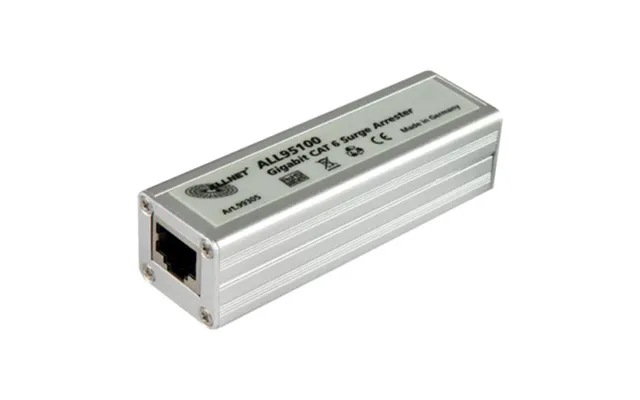
The Allnet Allnet-all95100 Ethernet Surge Protector PoE Giga RJ45 is listed under the Allnet brand and offered through The Twister Group for $12.12. Its product title identifies support for Ethernet, Power over Ethernet, Gigabit connections, and RJ45 interfaces.
This makes it relevant for networking installations where data and power may travel through Ethernet cabling. PoE equipment can be especially important to protect because the same cable may support connected devices such as network hardware or other powered endpoints.
This product may suit someone building or maintaining a wired network that uses RJ45 connections and PoE. It is a focused option rather than a broad electrical protection device. If your concern centers on a network cable, its interface-specific design may be more appropriate than choosing a general electrical product without checking compatibility.
When comparing an Ethernet protector, look at the connection type first. The words “Ethernet,” “PoE,” “Gigabit,” and “RJ45” point toward network use, but you should still confirm that the product fits your equipment and installation requirements before purchasing.
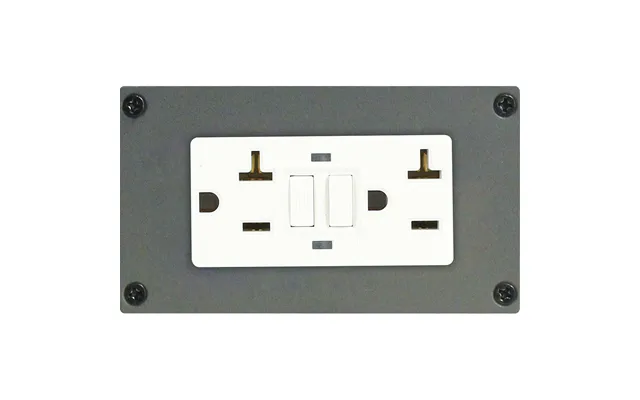
The Xantrex 808-9817 Freedom X GFCI Option is listed under the XANTREX brand through The Twister Group for $33.12. The title identifies it as a GFCI option associated with the Freedom X product line.
Because this is presented as an option rather than a general standalone surge protector, it should be evaluated in relation to compatible Xantrex equipment. Product compatibility is the key question here. A component or accessory can be useful when it fits the intended system, but less useful when purchased without confirming the matching equipment.
Review the equipment you already own and compare its model information with the product details. The listing identifies the Freedom X name and model number 808-9817, so those details can help you determine whether it belongs with your setup.
It is also wise to separate different protection goals. GFCI-related equipment and surge protection address different electrical concerns. A GFCI option should not automatically be assumed to provide the same function as a dedicated surge protection device.
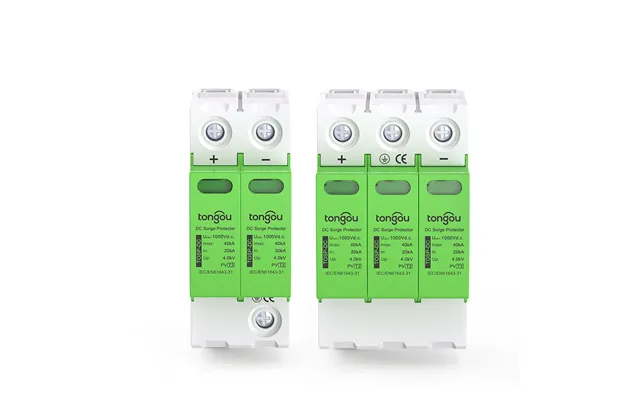
The Tongou SPD DC Surge Protector is listed through Banggood.com for $89.00. The product description states that it is intended for photovoltaic systems and includes models rated for DC 1,000 volts. It is described as available in 2P and 3P configurations, with maximum discharge currents of up to 40 kiloamps and nominal discharge currents of 20 kiloamps.
This is the most directly solar-focused surge protection product in the reference data. Photovoltaic systems can include exposed outdoor wiring and equipment, so system-specific protection deserves careful attention. The Tongou listing emphasizes use with solar installations and protection against surges and lightning-related events.
The 2P and 3P labels indicate different configuration options. Which one is suitable depends on the electrical arrangement and the installation design. Rather than choosing based only on price, compare the required configuration with the specifications of the solar system.
The listed DC 1,000-volt rating is another important detail. Voltage ratings are not decorative numbers; they are boundaries that help define where a product belongs. The device must be appropriate for the electrical conditions in the system where it will be installed.
The description states that the Tongou product can handle maximum discharge currents of up to 40 kiloamps. In simple terms, this indicates a high-capacity design for managing substantial surge energy. However, the rating alone does not replace professional system design or installation guidance.
If you are comparing this product for a photovoltaic project, consider the system voltage, configuration, wiring arrangement, and local installation requirements. Solar protection is a system decision, not merely a shopping-list decision.
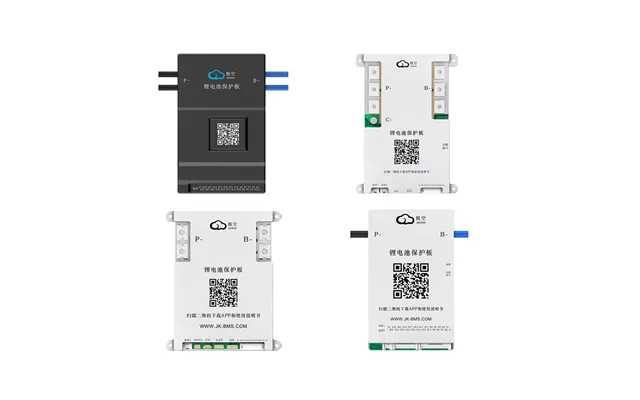
The JIKONG BMS Battery Protection Board is listed through Banggood.Com for $52.00. Its title describes six interfaces, RS485 connectivity, a display function, heat and NTC features, smart active balancing, and versions identified with 40A, 60A, 80A, and other current references.
This product belongs to the battery management system category. It is not a general-purpose surge protector for household electronics. Instead, the description includes battery monitoring and protection functions such as overcharge protection, over-discharge protection, overcurrent detection, short-circuit protection, temperature detection, and coulomb counting.
The description references support for different battery chemistries and battery-string arrangements, including lithium-ion, LiFePO4, and LTO configurations. It also mentions adjustable protection values, RS485 interfaces, optional CAN bus and heat-related interfaces, Bluetooth support for Android and iOS, and active balancing options.
These features may be useful in a battery-pack project that requires monitoring and balancing. Active balancing can help manage differences between cells, while temperature detection adds another layer of system awareness. Still, the correct version must match the battery chemistry, number of cells, charging requirements, and current demands.
Battery boards are highly specification-sensitive. A mismatch can create serious technical problems, so compare the number of battery strings, charge and discharge current, voltage limits, temperature requirements, and communication interfaces before making a decision.
The JIKONG listing includes multiple technical variations, which means the title alone may not identify the exact configuration you need. Treat the model information and detailed specifications as the map. Without that map, choosing a battery board is like selecting a key without checking the lock.
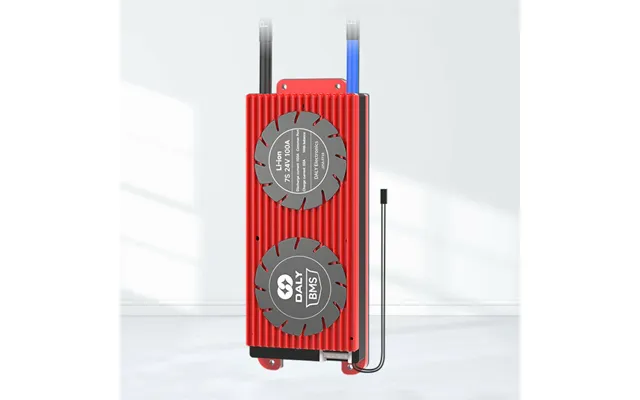
The DALY Ternary 7S 15A-250A 7-string 24V Lithium Battery Protection Board is listed through Banggood.Com for $20.50. The product description identifies it as a lithium battery protection board with a range of discharge-current options and parameters for charge protection, discharge protection, balancing, short-circuit protection, and temperature operation.
The listing references lithium-ion cell voltage values, adjustable current choices, balance current information, and protection thresholds. It also states that the package includes one cable and one battery protection board. The description notes that appearance and weight may vary between versions with different current ratings.
The title presents a current range from 15A to 250A, while the detailed description includes multiple selectable current specifications. This variety gives the product category flexibility, but it also makes careful selection essential. The correct current rating depends on the intended battery pack and load.
Do not assume that the highest current number is automatically the best choice. Overspecifying or underspecifying a protection board can affect how the battery system operates. Compare the board’s charge current, discharge current, overcurrent values, and cell count with the actual design.
The DALY description includes overcharge protection, over-discharge protection, overcurrent protection, short-circuit protection, and balancing information. It also mentions charge and discharge temperature ranges and storage temperature details.
These specifications help you assess whether the board is appropriate for a particular lithium battery project. The product is best viewed as a component within a carefully designed battery system, not as a universal device for protecting every kind of electronics.
The reference data also includes a “Worry-free Purchase” item from Seel, listed through Tiny Land for $10.19. Its description states that it is a value-added service connected to eligible purchases and that coverage details vary by order. It should not be purchased as a standalone item.
This service is not an electrical surge protection device, battery protection board, or solar SPD. It relates to purchase protection rather than protecting equipment from voltage surges. Keeping that distinction clear can prevent confusion when comparing the products in this category.
If you encounter the Seel item while reviewing an eligible purchase, read the specific coverage information associated with that order. The reference data says that protection details are shown in the relevant purchase process and confirmation information.
For electrical safety, however, this service does not replace a properly selected hardware protection device. It belongs to a different decision entirely: purchase-related peace of mind rather than electrical system protection.
The best comparison starts with application, not brand. First identify the system type: Ethernet, inverter equipment, photovoltaic DC wiring, or a lithium battery pack. Then compare the electrical ratings and connection requirements for that system.
Price can help create a shortlist. The reference listings show the Allnet Ethernet protector at $12.12, the XANTREX option at $33.12, the Seel service at $10.19, the DALY board at $20.50, the JIKONG board at $52.00, and the Tongou solar SPD at $89.00. These are listed prices in the supplied data, and they should be checked again before making a purchase decision.
For an Ethernet device, check the RJ45, PoE, and Gigabit requirements. For a solar SPD, review the DC voltage rating, pole configuration, and discharge-current specifications. For a battery board, focus on chemistry, cell count, charge and discharge current, balancing, temperature sensing, and communication interfaces.
Also consider installation. Some protection devices may require electrical expertise, especially those connected to solar or high-current battery systems. If you are uncertain, consult a qualified professional rather than guessing from a product title.
Protection equipment works best when it is installed as part of a complete electrical design. Wiring length, grounding, enclosure, device placement, and compatibility can all influence performance. A technically suitable device can still be a poor choice if it is installed incorrectly.
Inspect equipment periodically for visible damage, loose connections, corrosion, or signs of overheating. Solar and battery installations may face demanding environments, while networking equipment can be spread across different rooms or structures. A simple inspection routine can help you notice problems before they become larger ones.
Professional assistance is especially valuable for photovoltaic systems, high-current battery packs, and equipment connected to permanent electrical installations. A qualified installer can assess the system and confirm that the protection device matches the voltage, current, wiring, and applicable requirements.
For lower-voltage network equipment, installation may be more straightforward, but compatibility still matters. Never treat a familiar connector as proof that two devices are electrically compatible.
For network protection, the Allnet Allnet-all95100 is the focused choice in this data because its title specifically identifies Ethernet, PoE, Gigabit, and RJ45 use. For a Freedom X-related setup, the XANTREX 808-9817 should be evaluated as a compatible GFCI option.
For photovoltaic protection, the Tongou DC SPD stands out because the listing specifically describes solar use, DC 1,000-volt models, 2P and 3P configurations, and discharge capacity up to 40 kiloamps. For battery management, the JIKONG and DALY boards provide different sets of battery protection and monitoring features.
That shortlist is a starting point, not a substitute for checking the complete technical details. The right product is the one that fits the system—not necessarily the one with the lowest price or the longest feature list.
Choosing protection equipment becomes much easier when you separate the product categories and match each device to its intended system. The Allnet option focuses on Ethernet and PoE, the XANTREX listing identifies a Freedom X GFCI option, the Tongou product targets photovoltaic DC protection, and the JIKONG and DALY products focus on battery management and protection. Use ZoneOffer as a comparison site to review the listed options, prices, brands, and stores, then verify the technical specifications before purchasing or installing any device.