

Sandboxes price list
Last updated Monday, Nov 2, 2026





View 15 Offers

Loading...
Last updated Monday, Nov 2, 2026
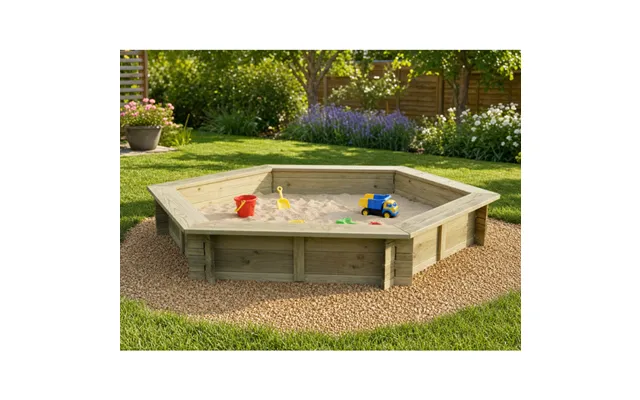
A sandbox can turn an ordinary backyard, garden, beach day, or play date into a small world of discovery. With a few simple tools, children can dig, scoop, shape, build, and imagine for hours. But choosing the right sandbox setup is about more than finding a container filled with sand. You also need to think about play accessories, age guidance, creative potential, storage, and safety.
The reference selection includes beach bucket sets, children’s shovels, play sand with molds, and even a digital sandbox game. These products do not all serve the same purpose, so it helps to understand what each one brings to playtime. ZoneOffer is a comparison site, not a store, and the listed offers come from different sellers. Prices and product details can change, so use the information as a starting point when comparing options.
Sand play is simple, tactile, and open-ended. A child can start by digging a hole and end by building a castle, road, animal habitat, or imaginary city. Unlike a toy with one fixed use, a sandbox adapts to the player. It is more like a blank canvas than a finished picture.
This kind of play can encourage creativity and hands-on exploration. Children can experiment with filling, emptying, balancing, pressing, and shaping. They also learn through repetition: how much sand fits in a bucket, what happens when a mold is packed tightly, or how a mound changes when it is tapped.
Open-ended play gives children room to create their own stories. A shovel may become a construction tool, a bucket may become a tower, and a mold may become the centerpiece of an entire pretend landscape. Because there is no single correct result, children can make decisions at their own pace.
Sandboxes are more engaging when children have tools to scoop, carry, press, and shape the sand. Accessories can also make shared play easier. One child can fill a bucket while another uses a shovel, helping turn solo play into a cooperative activity.
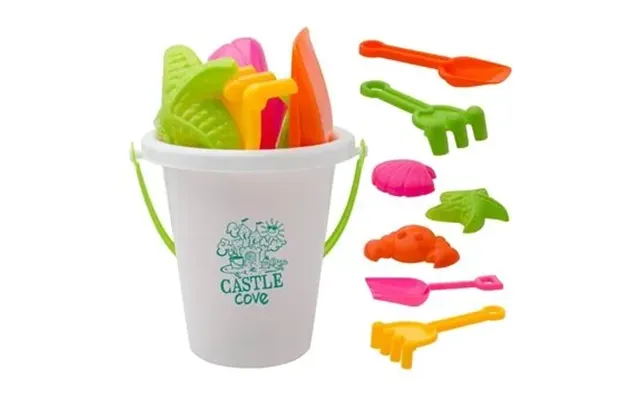
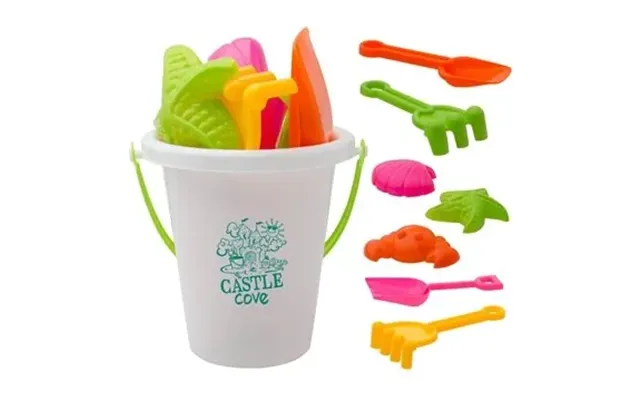
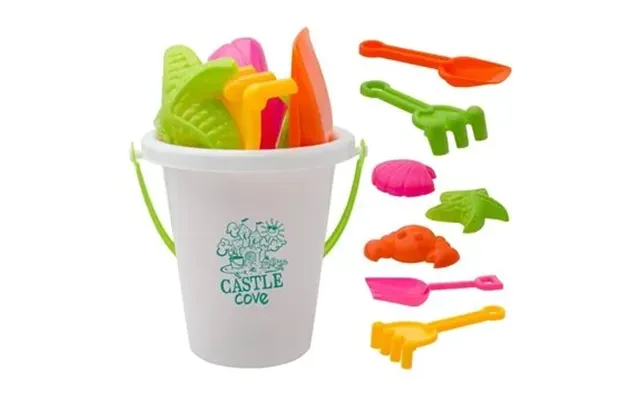
The reference data includes two listings for a “100 Custom Beach Bucket Set - Play Accessories.” Both are described as colorful play accessories intended to promote imagination. They are presented as suitable for a play date at the beach, pool, or garden, with a recommended age of 18 months and older.
One listing shows a price of 481.28, while another shows a price of 450.00. The reference data identifies the seller as AmberPromos. Since the two listings have different listed prices and different accompanying rating figures in their descriptions, compare the individual offer details carefully before making a decision.
When comparing a bucket set, consider how many pieces your children will realistically use, whether the accessories suit the available play area, and whether the pieces are easy for small hands to handle. A large set may be useful for group play, while a smaller collection can be easier to store and organize.
Colorful pieces can also help children sort, match, and invent games. A bucket might become a mixing bowl in a pretend bakery, while molds can transform loose sand into buildings or creatures. The best set is not necessarily the biggest one; it is the one that fits the children, space, and type of play you want to encourage.
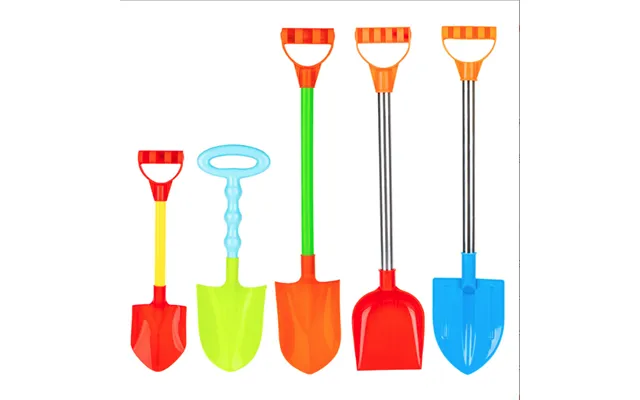
The reference selection includes a listing titled “Thickened Integrated Plastic Shovel Toys For Kids Excavate Tools For Playing Snow And Sand Children Beach Toys Outdoors.” It is listed through Alibaba at a price of 0.58. The description also mentions promotions connected with the seller, but those details may vary and should be checked on the current listing.
A shovel is one of the most useful sandbox tools because it supports several kinds of play. Children can dig channels, move sand into containers, flatten surfaces, or create pretend construction sites. A shovel can also make a sandbox feel like a work zone where every scoop has a purpose.
Look for a design that feels manageable for the intended child. A lightweight plastic shovel may be easier for young children to lift and control. An integrated design can also be appealing when you want a simple tool with fewer separate parts.
Before buying, review the product information for age guidance and material details. Also consider where the shovel will be used. A tool for a small sandbox may not need the same shape or size as one intended for a beach outing or outdoor activity involving snow and sand.
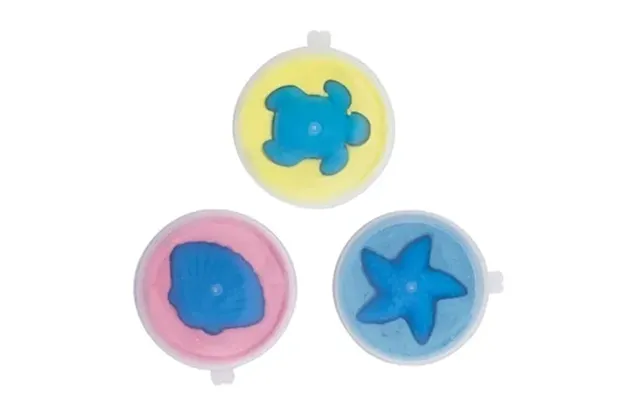
Another reference offer is “150 Promotional Play Sand With Mold - Stress Relief.” It is listed by Amberpromos at a price of 169.86. The description says that the sand feels wet to the touch while remaining dry on the fingers, and that each container includes a random plastic mold.
The same description states that the product is not intended for children or pets and may present a choking hazard to children under 3 years of age. That warning is especially important. Although the product appears in a category connected with sand play, the supplied information does not present it as a children’s sandbox product. Always read the specific safety guidance before considering play sand for a child.
Molds give children a quick way to create recognizable shapes. Instead of only scooping and piling, they can pack the sand, turn the mold over, and reveal a new object. This can make the play feel like a small magic trick: an empty form goes in, and a castle, figure, or other shape comes out.
Molds can also support storytelling. Several shapes can become a pretend town, a garden, or a collection of characters. If the mold is supplied randomly, the final piece may add an element of surprise, but you should not assume which design will be included.
The reference data also includes “Slime Rancher,” listed through Yuplay at a price of 2.4. Its description calls it a charming first-person sandbox experience in which players take on the role of Beatrix LeBeau, a young rancher beginning a new life far from Earth.
This is a digital sandbox experience rather than a physical children’s sandbox or outdoor accessory. It may appeal to people who enjoy exploration, collecting, and building within a game world. However, it should be considered separately from physical sand play, especially when choosing products for young children.
Physical sand play is hands-on and often social. Children can share tools, feel textures, and change the play area with their own movements. A digital sandbox offers a different kind of creativity, using a virtual world rather than real sand and accessories.
Neither option needs to replace the other. Families may choose outdoor sand play for active daytime use and digital play for indoor entertainment. The right choice depends on the child’s age, interests, available space, and the kind of activity you want to support.
Online comparison becomes easier when you separate products by purpose. A bucket set is designed for carrying and creating. A shovel is a focused digging tool. Play sand with a mold may be intended for a different audience and may include important restrictions. A digital sandbox game belongs in its own category altogether.
Start with the product title, then read the full description. Look for age guidance, safety warnings, included pieces, intended setting, and any information about material or construction. A low listed price may seem attractive, but the most suitable option is the one that matches your actual needs.
The reference offers come from Cerqular, Amberpromos, Alibaba, and Yuplay. These are separate sellers, and the information attached to one offer should not automatically be applied to another. Compare each listing on its own terms.
ZoneOffer helps you compare available information, but it does not operate as the retailer. Confirm current product details, pricing, and availability with the relevant seller before purchasing. This extra step can prevent confusion, especially when two listings have similar names but different prices or descriptions.
A product described for beaches, pools, or gardens may work well for outdoor play, but that does not mean every item is suitable for a traditional backyard sandbox. Likewise, a product that contains a choking warning should not be treated as a standard children’s toy simply because it includes sand or a mold.
Think about the complete play situation. Will the item be used by one child or several? Will it stay outdoors? Do you need tools for digging, carrying, or shaping? Answering these questions first makes the comparison process much less overwhelming.
Safety should guide every sandbox purchase. Begin with the age information supplied in the listing. The bucket set descriptions recommend use for ages 18 months and older, while the play sand with mold description specifically warns about children under 3 years of age.
Young children should be supervised around sand and small accessories. Keep an eye on how they use tools and whether they place pieces in their mouths. Even a harmless-looking mold or shovel can become risky when used in an unintended way.
After play, gather accessories and check them for damage. Removing cracked or broken pieces helps keep the play area orderly. Store tools where they can dry and remain easy to find for the next session.
It is also useful to create clear boundaries around sand play. Children can learn that tools stay in the sandbox or play zone, while other household items remain outside it. A tidy setup makes supervision simpler and helps protect the surrounding area.
Children develop at different speeds, so age guidance is only one part of the decision. Consider whether the child can hold and control the tool, follow basic instructions, and understand that some accessories are not for eating or mouthing.
When several children play together, choose activities that allow everyone to participate. A bucket set may support shared building, while multiple shovels can reduce disagreements over one favorite tool. Sometimes the simplest way to improve play is to provide enough space and enough tools.
You do not need an enormous collection of accessories to make sandbox play interesting. Start with a few tools that cover the basics: something for digging, something for carrying, and something for shaping. From there, children can create their own games.
Try introducing a theme without controlling the outcome. Ask, “Can you build a road?” or “Where would the animals live?” These questions act like small sparks. The child decides what the finished world becomes.
Sandbox play is a natural setting for teamwork. One child can collect sand, another can press molds, and a third can decorate the finished structure. Adults can join in too, but it is often more helpful to ask questions than to take over.
What happens if the wall is wider? Can the bucket become a tower? Where should the path lead? Questions like these encourage children to think, test ideas, and revise their designs.
For outdoor group play, the custom beach bucket sets stand out as the most directly relevant options in the reference data. For focused digging, the plastic shovel listing may be the more suitable direction. The play sand with mold requires extra care because its description includes a clear warning that it is not intended for children or pets.
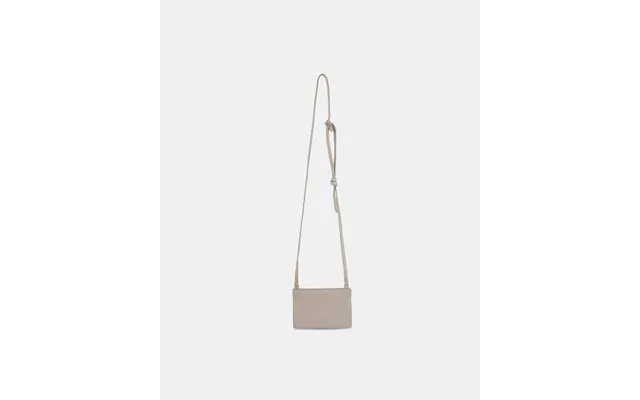
Slime Rancher is best viewed as a separate digital entertainment option rather than a physical sandbox product. Meanwhile, the “Bo Micro Sand - Sand” listing is described as a vegan leather bag from O.N.E., not as a sandbox or sand-play accessory. It is listed by Cerqular at a price of 59.0, but its supplied description does not connect it with children’s outdoor play.
This distinction matters. Product titles can contain words such as “sand” or “sandbox” without indicating that an item belongs in a children’s sandbox. Read beyond the title, compare the intended use, and choose based on the full description.
The right sandbox experience can be simple, creative, and memorable. Beach bucket sets can support imaginative group play, a plastic shovel can turn loose sand into a building project, and molds can add shape and surprise when the product is appropriate for the intended user. Digital sandbox games offer a separate virtual alternative, while other listings in the reference data are not children’s sandbox products at all.
As you compare options, focus on purpose, age guidance, safety information, seller details, and the features that match your play space. ZoneOffer is a comparison site that helps you review available offers; it is not a store. By checking each listing carefully, you can choose sandbox accessories that make outdoor play feel less like a routine and more like an open invitation to explore.