

Power Supply Enclosures price list
Last updated Saturday, Oct 17, 2026
| Power Supply Enclosures | Price |
|---|---|
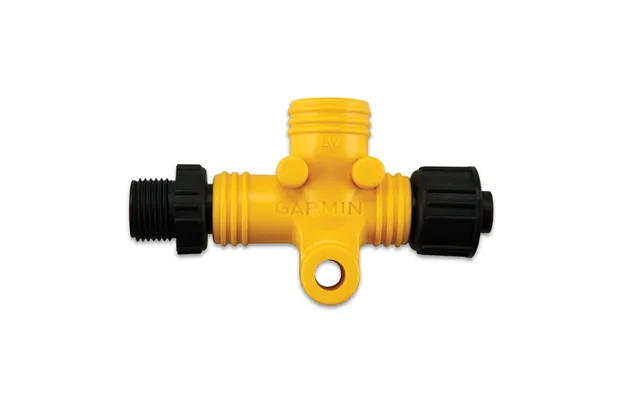
| Garmin 010-11580-00 Nmea 2000 Power Isolator | $21.12 |
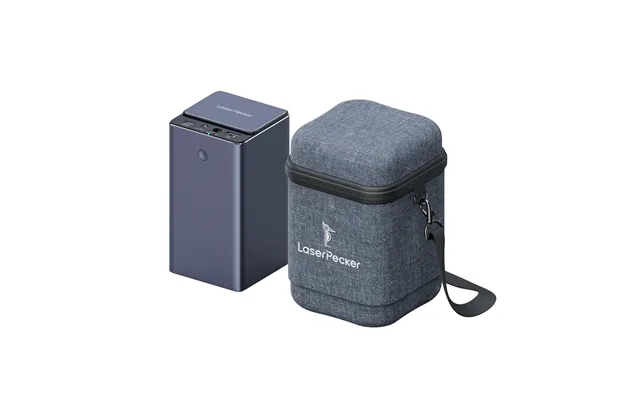
| Laserpecker Powerpack Plus - Powerpack Plus Storage Case | $249.00 |





Loading...
Last updated Saturday, Oct 17, 2026
| Power Supply Enclosures | Price |
|---|---|
| Garmin 010-11580-00 Nmea 2000 Power Isolator | $21.12 |
| Laserpecker Powerpack Plus - Powerpack Plus Storage Case | $249.00 |
Power equipment needs more than electricity alone. It also needs protection, organization, and dependable connections. That is where power supply enclosures and related accessories become useful. Whether you are powering a creative workstation, a portable laser engraver, or a marine electronics network, the right equipment can act like a protective shell around the system’s most important functions.
In the reference selection, two products stand out for different reasons. The LaserPecker Powerpack Plus is a portable power solution with a storage case-style design, multiple charging outputs, and support for compatible laser engraving machines. The Garmin 010-11580-00 NMEA 2000 Power Isolator is designed for power isolation within an NMEA 2000 setup. These products are not interchangeable, but both address a central concern: making power management more practical and controlled.
ZoneOffer is a comparison site, so it helps you review product information in one place rather than acting as the seller. As you compare these options, think about your actual setup first. Do you need portable energy for equipment away from a wall outlet, or do you need isolation for a connected marine electronics system?
The LaserPecker Powerpack Plus is a portable power supply and storage case designed to support LaserPecker devices and other compatible electronics. Its stated battery capacity is 23,550 mAh, with a 5-volt, 3-amp rating. That combination gives mobile creators a way to bring power with them instead of keeping every project tied to a fixed outlet.
The unit is listed with a price of $249.00 from LaserPecker in the supplied data. It uses an aluminum alloy construction and comes in gray. The listed weight is 1.43 kilograms, which is approximately 3.15 pounds. Its dimensions are 150.5 by 81.6 by 81.6 millimeters, or approximately 5.93 by 3.21 by 3.21 inches.
Those proportions make the Powerpack Plus more like a compact equipment companion than a large stationary power cabinet. You can picture it as a small energy hub: easy to place beside a creative tool, move between work areas, or carry to an outdoor event.
A capacity of 23,550 mAh is one of the main points of interest for users who need portable power. The product description positions the Powerpack Plus for outdoor engraving sessions, events, studios, workspaces, and remote locations. That focus makes it especially relevant when access to a wall outlet is limited or inconvenient.
Portable power does not automatically mean unlimited runtime, however. Actual performance depends on the equipment connected, how much power it draws, and which output is used. It is best to treat the stated capacity as a key comparison specification rather than a guarantee of a specific operating time.
The Powerpack Plus supports several charging protocols, including DC, PD, QC, and bidirectional USB-C charging of up to 100 watts. This range of connection options gives the unit flexibility across supported devices. Instead of relying on one connection type, you can select the output that matches your equipment.
The listed ports include DC, USB-A, and USB-C. The description also states that the unit can charge up to two devices at the same time. That feature can be practical when you need to power a LaserPecker device while also charging another compatible item, such as a smartphone or tablet.
Think of the ports as lanes on a small power hub. Each lane serves a different type of device, while the overall system helps you keep your workspace less dependent on separate adapters. Still, you should confirm that your specific device supports the relevant connection and charging requirements before use.
The Powerpack Plus is listed as compatible with the LaserPecker LP1 Plus, LP2, LP2 Plus, LP3, LP4, and LP5. The description also states that it can power LaserPecker accessories, smartphones, tablets, and other USB- or DC-powered devices.
This compatibility list is useful because it narrows the product’s intended audience. If you already use one of the listed LaserPecker models, the powerpack may fit naturally into your equipment setup. If you use another device, review its power requirements and connector type rather than assuming compatibility based only on the presence of a USB or DC port.
Creative work often happens wherever inspiration appears. A studio may offer a controlled environment, but an event, workshop, classroom, or outdoor location can offer a different kind of opportunity. The Powerpack Plus is described for creators who want to engrave without being tied to a wall outlet.
Its travel-ready design may also help users organize a mobile setup. Instead of gathering several separate charging accessories, you can use one listed power source with multiple output types. The aluminum alloy material adds to its equipment-oriented design, while the compact dimensions make it easier to include in a portable kit.
There is also a convenience advantage to simultaneous charging. If your project involves both a laser engraver and a personal device, the ability to charge two devices at once may reduce interruptions. Why pause a project to search for another outlet when your power setup can support two compatible devices together?
The Garmin 010-11580-00 NMEA 2000 Power Isolator serves a different purpose from the LaserPecker powerpack. It is listed as a power isolator for NMEA 2000 systems, placing it within the world of marine electronics and network power management.
The supplied data lists the product at $21.12 from The Twister Group. Its brand is Garmin. Unlike the Powerpack Plus, it is not described as a portable battery, multi-port charger, or general-purpose power bank. Its role is tied specifically to power isolation in an NMEA 2000 network.
That distinction matters when comparing products in the broad power category. One product supplies portable energy to devices, while the other is intended to help manage power relationships inside a networked electronics installation. Comparing them by price alone would be like comparing a toolbox with a circuit component simply because both fit in a workshop.
NMEA 2000 equipment is used for connected marine electronics systems. A power isolator is associated with separating or managing power between parts of that type of network. The supplied product information identifies the Garmin unit as an NMEA 2000 Power Isolator, but it does not provide additional technical installation details.
Because the reference data does not specify wiring instructions, electrical ratings, or installation procedures, you should consult the relevant equipment documentation before adding the isolator to a system. Marine electronics installations can involve multiple connected devices, so matching the component to the network design is important.
The strongest reason to consider this product is therefore system-specific: you need an NMEA 2000 power isolator and want a Garmin-branded option listed for comparison. It is not a substitute for the Powerpack Plus, and the Powerpack Plus is not a substitute for an NMEA 2000 isolator.
The simplest way to compare these products is to start with the problem each one solves. The LaserPecker Powerpack Plus addresses portable power and multi-device charging. The Garmin 010-11580-00 addresses power isolation within an NMEA 2000 network.
If you are a mobile creator, the Powerpack Plus is the more directly relevant choice in this selection. Its listed capacity, output options, simultaneous charging support, and LaserPecker compatibility all point toward portable creative equipment. It is designed to travel with your tools rather than remain installed in a fixed network.
If you are working with marine electronics, the Garmin isolator is the more focused option. Its usefulness depends on your network architecture and whether an NMEA 2000 power isolator is appropriate for your installation. It should be evaluated as a component in a larger system, not as a standalone battery solution.
Portability is the defining theme of the Powerpack Plus. At approximately 3.15 pounds, it is listed as lightweight enough for creators on the move, with dimensions of approximately 5.93 by 3.21 by 3.21 inches. These details can help you estimate how it may fit into a carrying case or mobile workstation.
The Garmin isolator has no dimensions or weight listed in the reference data, so those details should not be assumed. Its product title and description point toward installation within an NMEA 2000 environment rather than carrying it as a general-purpose travel accessory.
Begin with the device or system you need to support. For the Powerpack Plus, check whether your equipment is one of the listed LaserPecker models or another USB- or DC-powered device. For the Garmin isolator, confirm that your project involves an NMEA 2000 network and that an isolator fits the system design.
Next, review connection needs. The Powerpack Plus offers DC, USB-A, and USB-C outputs and supports up to two devices simultaneously. Those features may be valuable if your equipment uses different connectors. For the Garmin product, the reference data does not list ports or connector specifications, so you should rely on official technical documentation for compatibility details.
Finally, consider where the equipment will be used. A portable power source makes sense for remote work, mobile engraving, and events. A network power isolator makes sense only in the correct connected electronics environment. The right choice is less about choosing the “best” product overall and more about choosing the correct tool for the job.
Ask yourself how often you work away from a wall outlet. If the answer is often, the Powerpack Plus’s portable design and stated 23,550 mAh capacity may deserve attention. If your work is based around a marine network, ask whether the Garmin isolator is the component your system requires.
You should also check the equipment’s power draw and connector requirements. The Powerpack Plus lists support for DC, PD, QC, and bidirectional USB-C charging up to 100 watts, but a device still needs to match the appropriate output. For the Garmin isolator, review the installation specifications because the supplied data does not include detailed electrical ratings.
Do you need to charge two devices at once? The Powerpack Plus is listed with simultaneous charging for up to two devices. Do you need to separate or manage power in an NMEA 2000 network? The Garmin product is the purpose-built option in this comparison. Simple questions often prevent complicated buying mistakes.
For the Powerpack Plus, keep your intended devices and cables together so the portable system is ready when you need it. Since the product supports several charging protocols, organizing the correct DC, USB-A, or USB-C cable can make setup faster. You should also keep the powerpack in a suitable protective location during transport and use.
For the Garmin isolator, installation should be treated as part of a broader NMEA 2000 system plan. Confirm the network arrangement and component requirements before connecting anything. The reference data identifies the product’s purpose but does not provide enough information to describe a complete installation, so avoid relying on guesswork.
In both cases, careful matching is the foundation of safe use. A power product is only helpful when its voltage, connection type, capacity, and system role align with the equipment around it. Think of compatibility as the bridge between a promising specification and a successful setup.
The listed prices show a significant difference between the two products. The LaserPecker Powerpack Plus is listed at $249.00, while the Garmin 010-11580-00 NMEA 2000 Power Isolator is listed at $21.12. These prices reflect products with very different functions, so they should not be treated as a direct performance ranking.
The Powerpack Plus includes a high-capacity portable battery, several output formats, support for charging two devices, and compatibility with listed LaserPecker machines. Its value may be strongest for users who regularly need portable power and want one unit to support multiple devices.
The Garmin isolator is a more specialized component. Its value depends on whether it solves a specific NMEA 2000 power-management need in your system. A lower price does not make it less important; specialized components can be essential when they match the right installation.
The LaserPecker Powerpack Plus and Garmin 010-11580-00 NMEA 2000 Power Isolator belong to the same broad power category, but they serve separate audiences. The Powerpack Plus is a portable, multi-output power source for LaserPecker devices and other compatible electronics. The Garmin unit is an NMEA 2000 power isolator for a marine electronics network.
Choose the Powerpack Plus when mobility, battery capacity, multiple output types, and simultaneous charging are central to your work. Choose the Garmin isolator when your project specifically involves NMEA 2000 power isolation. By comparing intended use first and specifications second, you can avoid buying a product that looks suitable on paper but does not fit your actual system.