


Stethoscopes
Loading...
Loading...
Choosing a stethoscope is a little like choosing a reliable pair of work boots: the right one should feel comfortable, perform consistently, and match the job in front of you. Whether you are a student, clinician, medical professional, or someone building a practical diagnostic kit, the details matter. Chestpiece design, tubing, ear tips, weight, and replacement parts can all shape your day-to-day experience.
The reference selection includes lightweight, classic, cardiology-focused, combination, and accessory options. Prices range from $15.67 for a pediatric diaphragm assembly to $382.46 for the 3M Littmann Master Cardiology Stethoscope. ZoneOffer is a comparison site, so the listed information is intended to help you compare products rather than represent a direct sale from ZoneOffer.
Start by considering how you expect to use the stethoscope. A student may value a lighter model that is easy to carry between classes and clinical settings. An experienced professional may place greater emphasis on acoustic performance, a specialized chestpiece, or long-term comfort during repeated examinations.
Look beyond the color and price. The listed products vary in construction, chestpiece style, tubing, ear-tip design, and intended use. Some include a dual-sided chestpiece, while others use a single-sided design. Several models are latex-free, which may be an important consideration for some users.
A useful comparison question is simple: which features will you use every day? Paying for features that do not fit your routine may not offer the best value, while choosing a basic model for demanding clinical work could leave you wanting more.
The Littmann Lightweight II S.E. range is represented by several color and configuration options. Listed choices include ceil blue at $87.22, burgundy at $87.22, black at $88.92, Caribbean blue at $87.22, and pearl pink at $78.43. These products are described as 28-inch models, with latex-free designs noted in the reference data.
Some of the Lightweight II S.E. listings include soft-sealing ear tips. That feature can make a difference when you wear a stethoscope for extended periods, because a comfortable seal helps you focus on the examination rather than constantly adjusting the headset.
The pearl pink version has the lowest listed price among the Lightweight II S.E. options in the reference data. However, color alone should not be the deciding factor. Compare the description, tubing details, ear-tip features, and price before selecting the model that best suits your routine.
A stethoscope may spend hours around your neck, in a pocket, or moving between patients. A lighter design can feel less noticeable during a busy shift. Comfort also depends on the headset fit and ear tips, so a low-weight model is only one part of the overall experience.
If you are comparing lightweight options, think of the stethoscope as a tool you carry constantly. Small differences can become more noticeable over time, just as a slightly uncomfortable shoe becomes harder to ignore after a long day.
The reference data includes several Littmann Classic models. The Littmann Classic III with a rainbow finish and Caribbean blue tube is listed at $192.32. A separate Littmann Classic III black edition with a black tube and black edition chestpiece is listed at $192.33.
The Classic III black edition is described as having a versatile two-sided chestpiece with tunable diaphragms. According to the product information, users can adjust pressure on the chestpiece to help hear different frequency sounds. Light pressure is used for lower-frequency sounds, while more pressure is used for higher-frequency sounds.
The same listing describes a non-chill diaphragm, adjustable headset tension, soft-sealing ear tips, and tubing designed to retain flexibility after being folded. It also states that the tubing is not made with natural rubber latex. These features make the Classic III a practical model to consider when you want flexibility for learning, patient monitoring, and physical assessment.
The Littmann Classic II S.E. is listed at $121.22. Its description highlights a dual-sided chestpiece, a tunable diaphragm, soft-sealing ear tips, an adjustable headset, and latex-free tubing. The product information also presents it as suitable for both students and experienced healthcare professionals.
A dual-sided chestpiece can give you additional versatility during an examination. Instead of relying on one listening surface for every situation, you have two sides available. That flexibility can be useful when you are learning how different chestpiece surfaces respond to various body sounds.
For shoppers focused on cardiology-oriented models, the reference selection includes the 3M Littmann Master Cardiology Stethoscope and the 3M Littmann Cardiology IV Stethoscope. The Master Cardiology model is listed at $382.46, while the Cardiology IV with a plum tube is listed at $300.22.
The Master Cardiology description highlights a handcrafted stainless steel chestpiece, a single-sided design, a tunable diaphragm, and soft-sealing ear tips. It also states that the headset can be flexed one million times. These details point to a model built for users who place a high value on acoustic response, durability, and a secure fit.
The Cardiology IV listing describes a 27-inch, latex-free model with a soft-sealing ear tip. Its plum tube gives it a distinctive appearance, but the more important comparison points are the model family, tubing material, chestpiece design, and price.
A cardiology-focused stethoscope may appeal to professionals who need a more specialized listening tool. Still, the most expensive option is not automatically the best choice for every user. If you are a student or primarily need a dependable general-purpose model, a Lightweight II S.E., Classic II S.E., or Classic III may better match your needs and budget.
Ask yourself what you listen for most often and how frequently you use the device. A specialized model can be worthwhile when its features support your regular work, but a simpler design may be the smarter value when your requirements are more general.
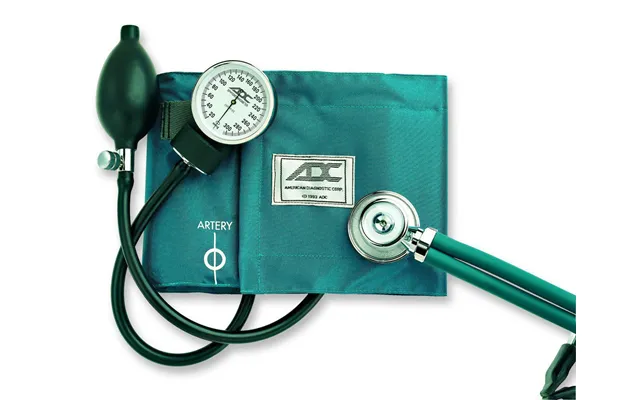
The selection also includes combination kits that may appeal to users who want more than a stethoscope alone. The Matchmates Dual Head Combination Kit in black is listed at $70.98. The American Diagnostic Pro’s Combo II Kit in teal is listed at $46.86 and includes a cuff and stethoscope, a latex-free inflation bladder and bulb, and a nylon case measuring 10 inches by 6 inches by 3 inches.
A combination kit can be convenient when you are assembling a basic assessment setup. Instead of comparing each component separately, you can review the included items together. This approach may be useful for students, training environments, or professionals who want a compact kit for specific tasks.
Before choosing a kit, check the description carefully. The two combination products in the reference data are not described in the same way. One is identified as a dual-head combination kit, while the other includes a cuff, stethoscope, inflation components, and a case.
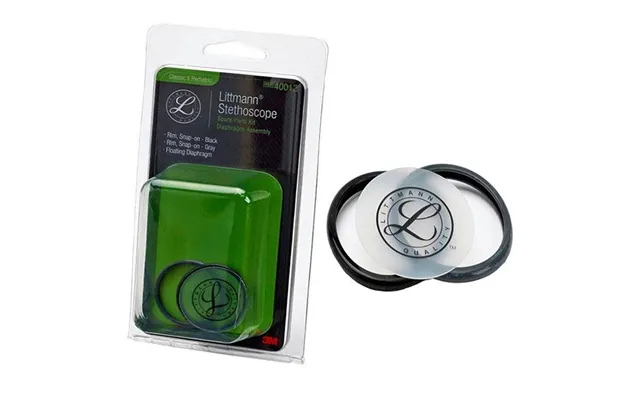
A stethoscope does not necessarily become unusable because one small component needs attention. The reference data includes replacement parts for selected Littmann models. The 3M Littmann Stethoscope Spare Parts Kit for Classic III in black is listed at $31.33.
There is also a 3M Littmann spare parts kit for a Classic II pediatric diaphragm assembly, listed at $15.67. These options show why it can be useful to consider maintenance when comparing the long-term value of a stethoscope.
Think of replacement parts as the spare tire of your equipment setup. You may not need them immediately, but knowing that compatible components are available can make ownership more practical. Always match a replacement part to the correct stethoscope model before making a purchase decision.
Model names matter. A Classic III spare parts kit should not be assumed to fit every Littmann stethoscope, and a Classic II pediatric diaphragm assembly is identified for a specific application. Use the exact model name and product description as your starting point when comparing accessories.
Replacement parts can also be useful when you want to refresh a familiar tool rather than replace the entire stethoscope. That can be especially appealing if you already like the headset fit and acoustic response of your current model.
Several product features appear repeatedly across the listed stethoscopes. These include tunable diaphragms, dual-sided or single-sided chestpieces, latex-free tubing, soft-sealing ear tips, adjustable headsets, and different tubing lengths. Each feature affects how the stethoscope may fit into your routine.
A tunable diaphragm is designed to respond to pressure changes, allowing the user to adjust listening characteristics without changing chestpiece sides. A dual-sided chestpiece provides another type of flexibility by offering two listening surfaces. Neither approach is automatically right for everyone, so compare the design with your training and work habits.
Latex-free construction appears in multiple listings, including several Lightweight II S.E. models, the Classic II S.E., the Master Cardiology model, and the Cardiology IV. If this specification matters to you, confirm it in the individual product description before choosing.
The listed prices create a broad range of options. The lowest-priced stethoscope-style product is the Pro’s Combo II Kit at $46.86, while the lowest-priced standalone replacement item is the Classic II pediatric diaphragm assembly at $15.67. Among the listed complete stethoscopes, the pearl pink Lightweight II S.E. is shown at $78.43.
At the higher end, the Master Cardiology model is listed at $382.46. The Cardiology IV is listed at $300.22, and the Classic III models are listed at approximately $192.32 to $192.33. This range makes it possible to compare entry-level, everyday, and advanced options in one place.
Prices are only one part of value. A lower-priced model may be a better fit for a student, while a higher-priced cardiology model may make more sense for a professional who specifically needs its described features. Use the price as a filter, not as the entire decision.
To narrow the options, begin with your role and daily environment. If portability and a lighter design are priorities, review the Lightweight II S.E. choices. If you want a versatile chestpiece and familiar all-purpose functionality, compare the Classic II S.E. and Classic III models.
If your work requires a more advanced acoustic tool, examine the Master Cardiology and Cardiology IV listings. If you are building a broader assessment kit, compare the Matchmates and American Diagnostic combination products. Finally, if you already own a compatible Littmann model, consider whether a spare parts kit could meet your needs.
Next, compare the details side by side: price, tubing length, color, latex-free construction, chestpiece type, ear-tip design, and included accessories. This simple checklist can turn a crowded product category into a manageable decision.
The best stethoscope is the one that fits your work, your comfort preferences, and your budget. The reference selection includes lightweight Littmann models, Classic II and Classic III options, cardiology-focused designs, combination kits, and replacement parts. By comparing the product descriptions instead of focusing on appearance alone, you can choose with greater confidence. Use ZoneOffer as a comparison resource to review the listed options, then verify the details that matter most to you before making your final decision.