

Industrial Storage - Other price list
Last updated Saturday, Oct 3, 2026




View 15 Offers



Loading...
Last updated Saturday, Oct 3, 2026
Industrial storage covers far more than shelves and warehouse bins. Depending on your operation, you may need a pressure storage tank, a regulated waste container, a bulk bag, a resealable pouch, a metal tin, or a large-scale battery energy system. Each option solves a different problem, so choosing the right format is a little like selecting the right tool from a toolbox: the best choice depends on the job.
The reference selection includes industrial storage products from brands and suppliers such as GROCO, Cardinal, and Alibaba listings. Prices range from small packaging items priced in cents to large energy storage systems listed at hundreds of thousands of dollars. ZoneOffer is a comparison site, not a store, so its role is to help you review available options and compare product details from different sources.
Industrial storage includes equipment and containers used to hold liquids, chemicals, waste, energy, dry materials, consumer goods, and other products. The category can therefore include both compact containers and major infrastructure. A small candle tin may support product packaging, while a high-voltage battery system may support a commercial facility.
Before comparing products, ask what you are storing, how much you need to hold, and how the item will be handled. Will workers move it by hand, place it on a pallet, connect it to a system, or transport it under regulated conditions? These questions quickly narrow the field.
Capacity is one of the clearest ways to separate the products in this selection. The GROCO PST-3A pressure storage tank is described with a 3.2-gallon drawdown. The Cardinal RCRA waste container is listed as an 8-gallon container with a count of 10. Other products are designed for much larger loads, including bulk bags described for capacities of roughly 1,102, 2,205, or 3,307 pounds, based on the listed kilogram capacities converted to pounds.
Energy systems follow a different measurement system because they store electrical energy rather than physical material. The selection includes systems described at 5 kilowatt-hours, 30 kilowatt-hours, 50 kilowatt-hours, 100 kilowatt-hours, 150 kilowatt-hours, 350 kilowatt-hours, 400 kilowatt-hours, 450 kilowatt-hours, and 1.1 megawatt-hours. These figures should be treated as the capacities stated in the product listings and reviewed carefully with a qualified technical professional.
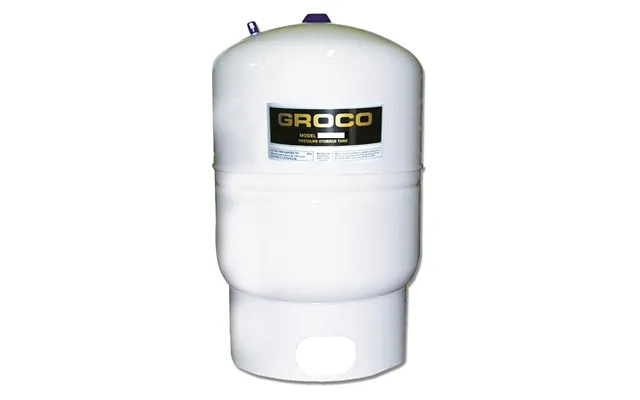
The Groco PST-3A Pressure Storage Tank is listed at $709.12 by The Twister Group. Its description identifies it as a pressure storage tank with a 3.2-gallon drawdown. That makes it a specialized option for applications where controlled fluid storage and pressure support matter more than simple container volume.
A pressure tank is not interchangeable with an ordinary drum or reservoir. Its value comes from its role within a connected system. When reviewing this type of product, consider the required capacity, connection points, operating environment, installation requirements, and compatibility with the rest of your equipment.
Start by confirming whether the listed drawdown matches your application. You should also review the tank’s technical documentation, material compatibility, pressure specifications, and installation instructions before purchase. The reference data identifies the GROCO product and its listed price, but it does not provide a full technical specification sheet.
That distinction matters. A listed price can help you compare options, but it cannot replace engineering review. Think of the product page as a map: useful for direction, but not a substitute for checking the actual terrain.
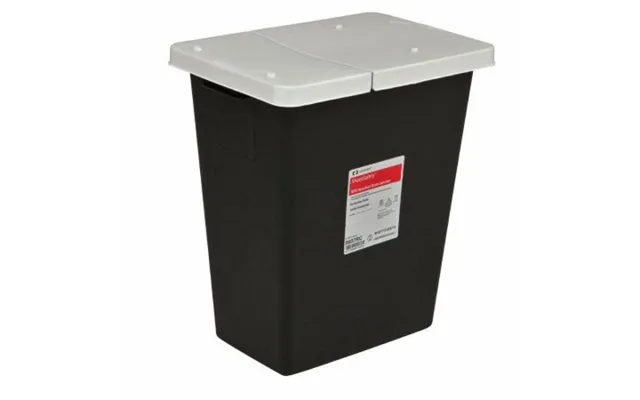
The Cardinal RCRA Waste Container 8 Gallon is listed at $443.29 through HerbsDaily, with a count of 10. Its description states that the containers are PGII rated and meet Department of Transportation requirements for transport without secondary packaging. It also mentions a leak-resistant gasket, an absorbent pad, and a tamper-evident label.
These features are aimed at containment and handling. The absorbent pad may help contain liquid contents if a primary container breaks, while the gasket is described as leak resistant. The tamper-evident label is presented as a way to help deter tampering during final disposal.
Waste storage is not an area where guesswork pays off. The correct container depends on the waste type, transport requirements, workplace procedures, and applicable regulations. The listing also notes that floor brackets and carts are sold separately, with both locking and non-locking options mentioned. That means you should consider the entire handling setup rather than looking at the container alone.
Always verify the current compliance requirements for your specific waste stream and location. The reference listing provides product information, but it does not establish that the container is suitable for every material or every use.
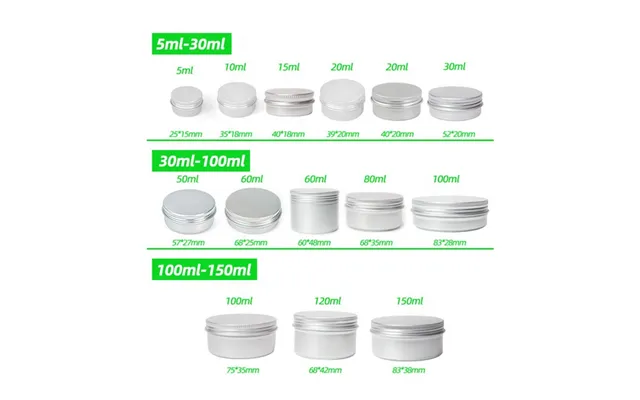
For compact packaging, the selection includes aluminum candle tins with screw-cap lids in sizes ranging from about half an ounce to nearly 7 ounces, based on the listed milliliter sizes converted to fluid ounces. The listed price is $0.14 through an Alibaba listing. These tins may suit businesses that need a small, closable format for candles, cosmetics, samples, or similar products.
Another listing offers custom luxury tea and coffee tins made from metal, with a gold round design and double lid. Its listed price is $0.25. The description emphasizes an empty container format, so buyers should evaluate the tin as packaging rather than as a filled product.
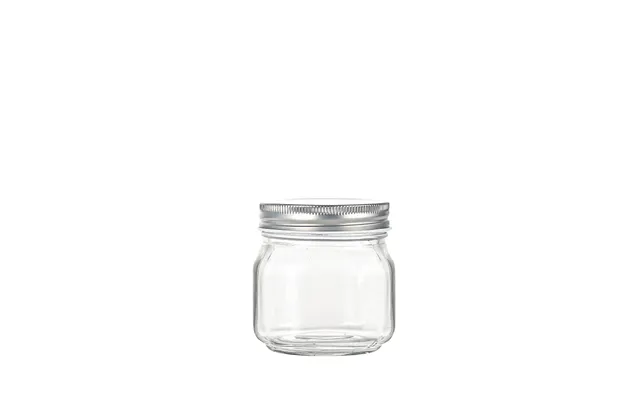
Glass options are also included. A wholesale transparent glass oval jar listing offers sizes from roughly half a fluid ounce to about 6.1 fluid ounces, with a metal screw cap and the option described for screen printing customization. The listed price is $0.06.
Material affects appearance, handling, durability, and product presentation. Aluminum tins are lightweight and compact. Metal tea or coffee tins can create a more premium presentation. Glass jars provide a clear view of the contents and may support printed branding, according to the listing.
Before ordering packaging, check lid fit, interior dimensions, labeling needs, breakage concerns, and whether the container suits the product inside. A beautiful package is only useful if it protects the contents and works efficiently on your filling line.
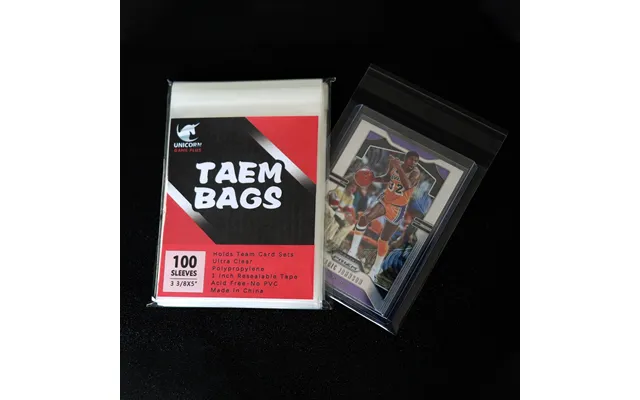
The selection includes 2-mil clear resealable team set bags made from polypropylene, with a listed count of 1,000 and a listed price of $6. These bags may be worth comparing when visibility and resealing are priorities. The clear format can make identification easier, while the resealable design can support repeated access.
Another listing describes eco-friendly ziplock red stand-up pouches with a window and aluminum foil plastic construction. The product is described for packaging up to approximately 8.8 ounces, converted from the listed 250-gram capacity. Its listed price is $0.01.
When you compare pouches and bags, look beyond the headline price. Review the material, thickness, closure type, window design, pouch shape, and stated capacity. A stand-up pouch may use shelf space differently from a flat bag, while a clear bag may make visual inventory checks easier.
Also consider whether the product will be stored indoors, moved frequently, exposed to moisture, or placed in retail packaging. The reference data does not provide complete performance testing, so treat the listed material and thickness as starting points for evaluation rather than a guarantee of performance.
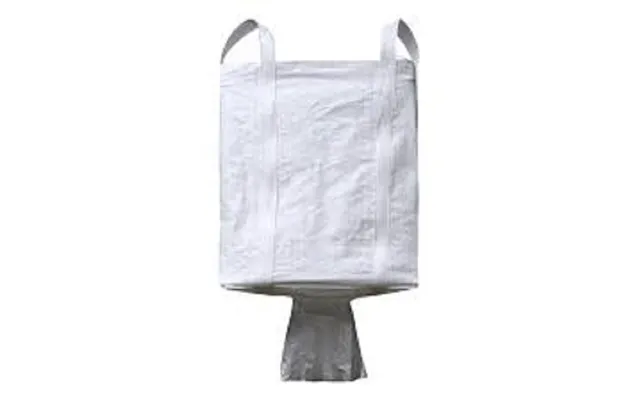
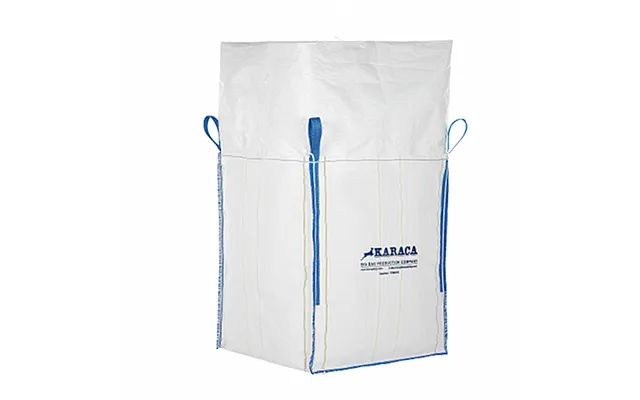
For larger material-handling needs, the selection includes an EGP factory wholesale polypropylene woven bag described for chemical storage and bulk loads of approximately 1,102, 2,205, or 3,307 pounds. The listed price is $2.50. A separate EGP 2-ton big bag is described for mesh, sand, or wood and includes a customized logo option, also listed at $2.50.
These products are designed around volume and handling efficiency. Instead of using many small containers, a bulk bag can provide a single packaging format for larger quantities. That can simplify staging, labeling, and movement, provided the bag is suitable for the material and lifting method.
Check the stated capacity, fabric type, lifting design, liner requirements, and intended material before using a bulk bag. Chemical storage deserves particular care because compatibility and containment requirements can vary significantly. The product title alone should not be treated as a complete safety approval.
For customized-logo bags, confirm artwork requirements and minimum order conditions directly through the relevant listing. The reference data identifies customization as a feature, but it does not provide details about artwork fees, production timelines, or order quantities.
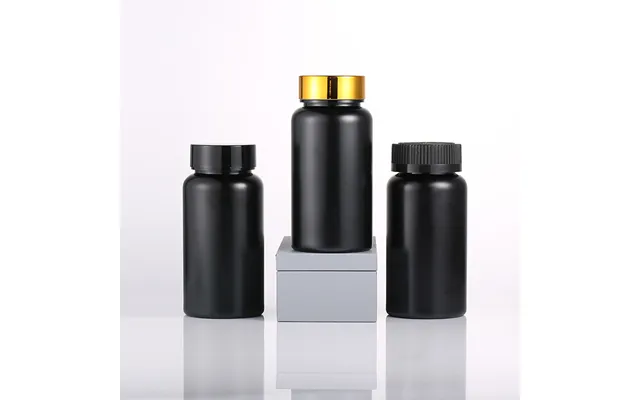
The selection includes black empty plastic medicine pill bottles with black and gold lids. The listed sizes convert from approximately 2 to 5 fluid ounces, and the listed price is $0.09 through an Alibaba listing. This type of container may appeal to businesses seeking a compact bottle format with a dark exterior and contrasting lid design.
Because the bottles are described as empty, buyers should separately evaluate closure suitability, labeling, product compatibility, and any requirements that apply to the intended contents. A container designed for one type of product may not be appropriate for another, particularly when moisture, light, or chemical interaction is a concern.
Small containers can create big workflow challenges when quantities increase. Standardizing bottle sizes and labels may make counting, filling, and shelf organization easier. You can also compare whether the listed capacities match your typical fill volume, leaving appropriate headspace where needed.
For regulated products, review all applicable packaging and labeling rules before placing an order. The reference listing supplies size and appearance details, but it does not confirm regulatory approval for a particular medicine or formulation.
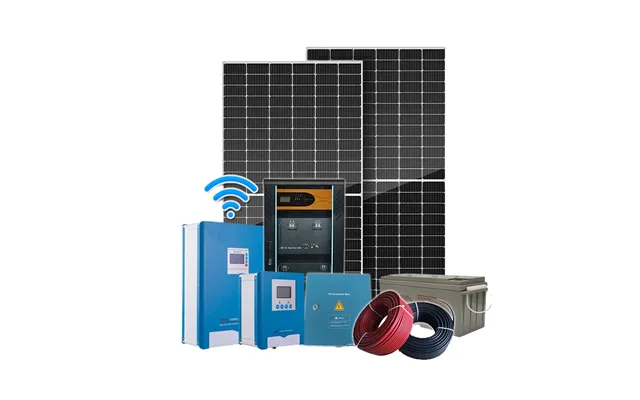
Several listings focus on solar, wind, and battery energy storage. One all-in-one energy storage system is described as a 5-kilowatt-hour wind and solar power system with larger system options also referenced in the title. Its listed price is $1,950. Another hybrid solar power energy system is described with lithium battery capacities from 30 to 150 kilowatt-hours and is listed at $1,550.
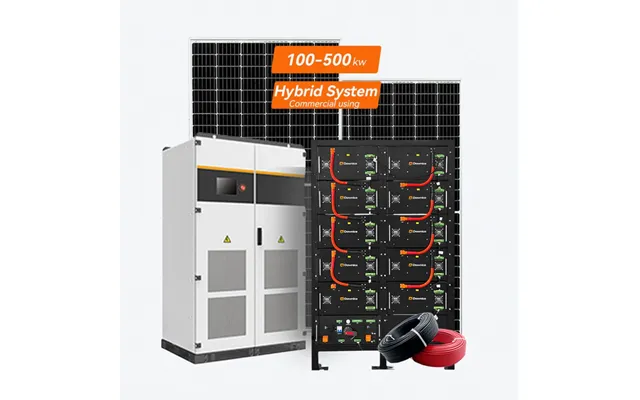
The selection also includes a 30-kilowatt commercial solar power lithium battery energy storage system with a stackable split design and IP65 protection mentioned in the title. Its listed price is $0.20. Because that price is unusual compared with the system description, buyers should verify the listing details, configuration, and whether the amount represents a complete system or another unit basis.
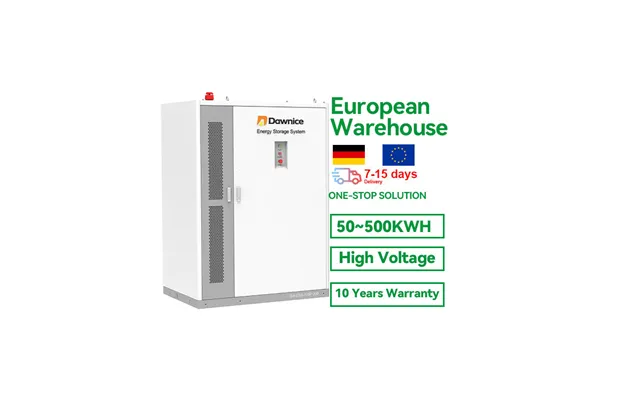
For more demanding applications, the reference data includes a Dawnice energy storage system described at 350, 400, or 450 kilowatt-hours, listed at $11,500. There is also an all-in-one 1.1-megawatt-hour high-voltage outdoor power supply using LiFePO4 battery technology, with IP55 protection stated in the title and a listed price of $254,500.
These systems are not simple plug-in storage products. Their selection requires careful review of voltage, power output, battery chemistry, enclosure protection, installation conditions, controls, and grid compatibility. The listed capacity is only one piece of the puzzle. A facility should confirm that the system can support its actual load profile and operating plan.
The reference prices vary dramatically. Small packaging listings include $0.01, $0.06, $0.09, $0.14, and $0.25 items, while the listed pressure tank is $709.12 and the waste container package is $443.29. Energy systems range from $1,550 and $1,950 listings to $11,500 and $254,500 listings.
Do not compare these figures as though they describe the same kind of purchase. A low-priced packaging item may be listed per piece, while a waste container may be listed as a count of 10. An energy system may involve a larger configuration with entirely different installation and technical considerations. Always confirm the unit basis, included components, and exact configuration.
A storage solution’s real cost can include accessories, installation, inspection, transport, labeling, maintenance, and replacement parts. For example, the Cardinal listing says carts and floor brackets are sold separately. Energy systems may also require professional installation and site preparation, although those details are not provided in the reference data.
Use price as a filter, not as the final decision. The cheapest option is not necessarily the best value if it does not fit your handling process, capacity needs, or compliance requirements.
ZoneOffer provides a comparison environment for reviewing industrial storage products from different listings. It is not a store, manufacturer, installer, or fulfillment provider. That means you can use the available information to create a shortlist, then verify the final product details with the relevant seller or supplier.
A practical comparison process starts with your requirements. Write down the material, capacity, quantity, dimensions, handling method, and operating environment. Then compare the products that fit those requirements instead of browsing by price alone.
For packaging, focus on size, material, closure, appearance, and quantity. For waste containers, focus on compliance information, containment features, and handling accessories. For energy systems, focus on capacity, voltage, chemistry, enclosure rating, and professional installation needs.
The industrial storage selection in the reference data spans pressure tanks, regulated waste containers, small tins, glass jars, resealable bags, stand-up pouches, bulk bags, medicine bottles, and commercial energy systems. Each category answers a different storage challenge. By matching capacity and material to your operation, checking the full configuration, and verifying technical or regulatory requirements, you can make a more confident comparison. ZoneOffer helps you review these options in one place, while the final suitability check should always come from the product documentation and the relevant supplier.