


Motor Boats price list
Last updated Saturday, Nov 14, 2026

View 6 Offers
Loading...
Last updated Saturday, Nov 14, 2026
Choosing a motor boat can feel a little like selecting the right vehicle for the water. Some buyers want a compact craft for fishing, others need a larger inflatable boat for serious outings, and some are looking for a powerful vessel with room for extended trips. The right choice depends on how you plan to use the boat, how many people need to ride in it, and what type of performance you expect.
The reference data includes three motor boat options available through Alibaba: a two-person inflatable speed boat with an aluminum floor priced at $209, a 23.3-foot luxury fiberglass RIB with a 200-horsepower motor priced at $9,500, and a four-person inflatable speed or rescue boat with an air mat floor priced at $208. ZoneOffer is a comparison site, so its role is to help you review options and compare listed products rather than sell the boats directly.
These three listings represent noticeably different approaches to boating. Two are compact inflatable models designed around portability and practical use, while the larger fiberglass RIB offers a more substantial platform with a listed 200-horsepower motor. Think of them as three different tools: one may suit a small fishing outing, another may work for a group, and the largest option is built around size and power.
Price is also a major dividing line. The two smaller inflatable boats are listed at $209 and $208, while the fiberglass RIB is listed at $9,500. That gap makes it especially important to compare intended use instead of looking at price alone. A low-cost compact boat and a larger motorized RIB may belong to entirely different boating categories.
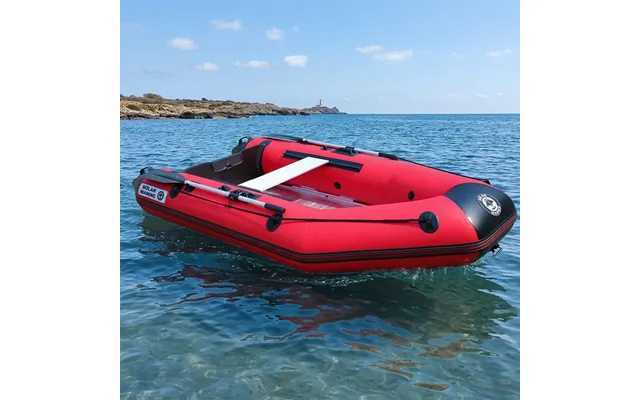
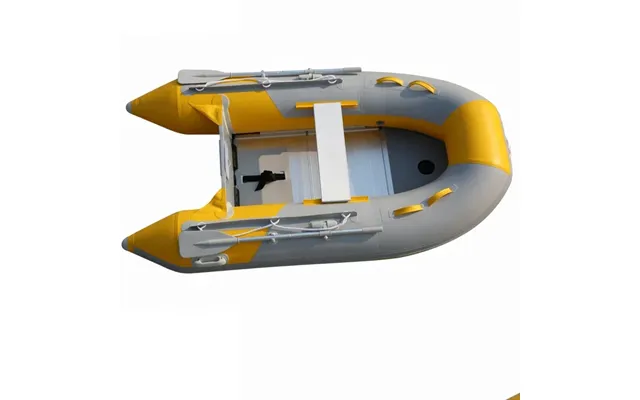
The first listing is titled “2 Person Inflatable Speed Assault Boats Aluminum Floor CE Approved PVC Dinghy Welded Sealing for Sea Fishing and Flood R.” Its listed price is $209, and the store shown in the reference data is Alibaba. The listing describes the boat as a PVC dinghy with an aluminum floor and welded sealing.
With space described for two people, this model may appeal to buyers who want a compact boat for individual use or a small partnership on the water. A two-person capacity can make the boat easier to plan around, especially when you do not need the extra size of a larger craft. Before choosing it, consider the combined weight of passengers, equipment, fuel, and any fishing gear you expect to carry.
An aluminum floor can provide a firm surface compared with a fully soft-bottom inflatable design. That may make it easier to stand, organize equipment, or move around the interior, although the actual experience depends on the boat’s complete construction and setup. Buyers should review the full specifications before assuming how rigid, heavy, or portable the finished boat will be.
The listing also mentions PVC construction and welded sealing. These details are useful starting points when comparing inflatable boats because material and seam construction can influence how a boat is assembled and maintained. Still, the reference data does not provide a complete technical specification sheet, so details such as dimensions, maximum load, included accessories, and engine configuration should be confirmed before purchase.
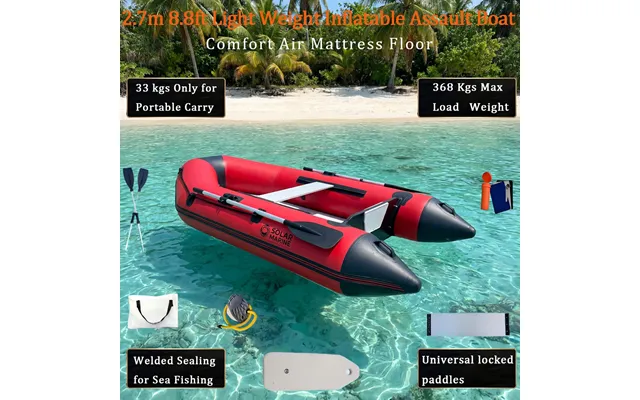
The second compact option is titled “Heat Weld Process Solarmarine 4 Person Air Mat Floor Inflatable Speed Boat High Quality Speed Rescue Boat for Using in S.” It is listed at $208 through Alibaba. The description identifies it as a four-person inflatable speed boat and rescue boat with an air mat floor.
The four-person format gives this model a different practical profile from the two-person aluminum-floor boat. It may be worth considering if you want space for more passengers or need room to distribute equipment. However, passenger capacity should never be interpreted as a guarantee that every passenger can bring unlimited gear. Always check the manufacturer’s listed load limits and operating guidance.
An air mat floor is designed around an inflatable floor structure rather than the aluminum floor mentioned in the other compact listing. That can be appealing to buyers who prioritize an inflatable format, but it also means setup and inflation become important parts of the ownership experience. Ask how the floor is inflated, how long setup takes, and what equipment is included.
The title refers to a heat weld process and describes the boat as a speed and rescue model. Those terms may help shoppers identify the intended design direction, but they do not replace a full inspection of the specifications. Look for information about overall length, width, tube diameter, passenger limit, maximum motor rating, repair materials, and storage requirements.
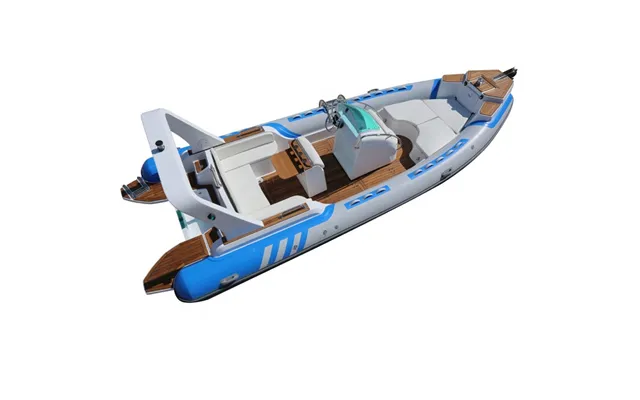
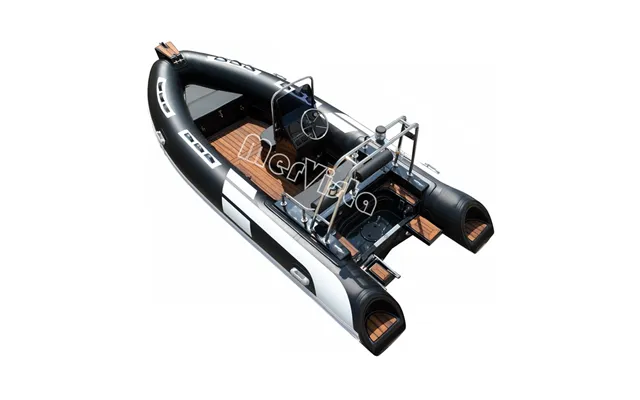
The largest listing is titled “CE 23.3ft Luxury Fiberglass RIB Hypalon Inflatable Fishing Rowing Boat With 200hp Motor for Sale Italy.” It is listed at $9,500 through Alibaba. The reference data identifies a 23.3-foot fiberglass RIB, Hypalon inflatable construction, and a 200-horsepower motor.
This boat sits in a very different category from the two compact inflatable models. Its listed length and motor power suggest a larger, more substantial vessel for buyers seeking additional size and performance. The listing also mentions fishing and rowing, which may interest people looking for a versatile boat format. Because the data does not specify every feature, prospective buyers should request complete details before making a decision.
RIB stands for rigid inflatable boat. In general terms, this design combines a rigid hull with inflatable tubes around the sides. The fiberglass construction listed here points to a solid hull material, while the Hypalon reference identifies the inflatable tube material named in the listing.
A RIB can offer a distinct balance between a rigid boat and a fully inflatable craft. The rigid hull may provide a different ride and handling character, while the inflatable tubes contribute to the boat’s overall design. The actual performance depends on many factors, including hull shape, weight, engine setup, load, water conditions, and operator experience.
The price comparison is straightforward: the four-person inflatable boat is listed at $208, the two-person inflatable boat at $209, and the 23.3-foot fiberglass RIB at $9,500. The two compact models are separated by just $1 in the reference data, while the larger RIB is priced substantially higher.
Price should be viewed as one piece of the puzzle rather than the entire picture. A boat’s total cost can also involve the motor, trailer, inflation equipment, safety equipment, registration requirements, storage, maintenance, and possible setup expenses. The reference data does not provide those additional costs, so shoppers should calculate their expected ownership budget separately.
A listed price can help you create a shortlist, but it should not be treated as a complete ownership estimate. Confirm what is included in the listing. For example, check whether the motor, floor, pump, seats, oars, repair kit, and other accessories are part of the offer or shown only as part of the product title.
The data also includes promotional wording about exclusive perks of up to $500 off in the descriptions for all three listings. Because the reference does not explain eligibility, timing, or conditions, shoppers should verify whether any such offer applies before relying on it in their budget.
Inflatable boats can be attractive when portability and flexible storage matter. The two compact listings are both inflatable, but they use different floor approaches: one identifies an aluminum floor, while the other identifies an air mat floor. That difference may influence setup, weight, firmness, and how you plan to transport the boat.
The fiberglass RIB is a larger alternative with a listed length of 23.3 feet and a 200-horsepower motor. It may suit a buyer who wants a larger vessel rather than a compact boat that can be prepared for occasional outings. However, a larger boat generally requires more planning for storage, transport, launching, and maintenance, so it is wise to consider your complete boating routine.
Start with the activity you expect to enjoy most. The two-person listing specifically mentions sea fishing and flood use in its title, while the four-person listing mentions speed and rescue use. The larger RIB listing mentions fishing and rowing. These descriptions can guide your initial comparison, but you should still confirm whether the boat is appropriate for your intended location and conditions.
If you usually go out alone or with one other person, a two-person boat may provide a simpler fit. If you often travel with a small group, the four-person option may deserve attention. If you want a large platform and substantial engine power, the 23.3-foot RIB is the most prominent option in this comparison.
Fishing from a boat requires more than passenger space. Think about tackle storage, seating, movement around the boat, stability, and how easily you can reach the water. The reference data identifies fishing in the titles of the two-person inflatable boat and the larger RIB, but it does not list fishing-specific accessories or layouts.
Ask whether rod holders, storage compartments, seats, or other fishing equipment are included. If they are not included, estimate the cost and effort of adding them. A boat may look perfect in a product title yet feel less suitable once you account for the equipment you actually use.
Regardless of the boat you choose, preparation matters. Review the manufacturer’s operating instructions, confirm the passenger and weight limits, inspect the hull or inflatable tubes, and check that the motor setup matches the boat’s requirements. For inflatable models, inspect seams, valves, and the floor before every outing.
Wear properly fitted personal flotation devices and learn the rules that apply to your location. Keep essential equipment organized so it is easy to reach rather than buried beneath bags. Weather, water conditions, visibility, and operator experience can all affect a trip, so plan conservatively and avoid treating a product title as a substitute for training.
Inflatable boats benefit from routine care. Keep the material clean, allow it to dry before storage, and inspect for cuts, abrasions, leaks, or loose areas. Use repair materials appropriate for the boat’s construction, and follow the manufacturer’s recommendations for inflation pressure and storage.
Do not leave the boat exposed unnecessarily when it is not in use. Store it in a clean, dry location and avoid sharp objects that could damage PVC, Hypalon, or other inflatable materials. The reference data names PVC for the two-person boat and Hypalon for the larger RIB, so buyers should use care instructions suitable for the specific material.
A fiberglass RIB requires attention to both the rigid hull and inflatable components. Inspect the fiberglass for visible damage and check the inflatable tubes, valves, and seams regularly. The 23.3-foot model is listed with a 200-horsepower motor, so engine maintenance should be treated as an important part of ownership.
Because the reference data does not provide the motor’s make, model, fuel system, or service schedule, request those details before buying. Ask about recommended maintenance intervals, fuel requirements, controls, and included equipment. A clear maintenance plan can help prevent surprises after your first few trips.
Before you choose any of these listings, request a complete specification sheet. Confirm the boat’s exact dimensions, weight, passenger capacity, maximum load, motor rating, floor type, material, and included accessories. If the boat is described as CE approved, ask for the relevant documentation rather than relying only on the wording in the title.
You should also confirm the product’s current price and listing details. Prices, promotions, and availability can change, and the reference data only records the listed information at the time it was supplied. Compare the final product configuration, not just the headline title.
Use this checklist when reviewing the three products:
• Intended use: fishing, rowing, speed, rescue, or general recreation.
• Capacity: two people, four people, or the larger 23.3-foot format.
• Construction: PVC inflatable, air mat floor, aluminum floor, fiberglass RIB, or Hypalon tubes.
• Power: confirm whether a motor is included and verify the listed 200-horsepower setup for the RIB.
• Budget: compare the $208, $209, and $9,500 listed prices with your total ownership costs.
• Equipment: identify what comes with the boat and what must be purchased separately.
• Storage and transport: consider where the boat will be kept and how it will reach the water.
ZoneOffer is a comparison site designed to help shoppers review products from listed sellers. It is not a store and does not replace the need to verify product details with the seller. For these motor boat listings, you can use the comparison process to examine price, boat type, capacity, construction, and the features mentioned in each title.
A thoughtful comparison can prevent a common mistake: choosing the cheapest option without considering whether it fits your needs. The $208 four-person boat, $209 two-person boat, and $9,500 fiberglass RIB each present a different starting point. Which one makes sense depends on your passengers, activities, storage, transport plans, and desired level of power.
The motor boat listings in this comparison cover a wide range of needs, from compact inflatable designs to a 23.3-foot fiberglass RIB with a listed 200-horsepower motor. The two-person aluminum-floor PVC boat is listed at $209, the four-person air mat floor boat at $208, and the larger RIB at $9,500. Compare construction, capacity, intended use, motor details, included equipment, and ownership requirements before deciding. With careful research, you can choose a boat that feels less like a gamble and more like the right tool for your time on the water.