

Motor Vehicle Loading Ramps price list
Last updated Saturday, Nov 28, 2026


View 10 Offers

Loading...
Last updated Saturday, Nov 28, 2026
Choosing the right loading solution can make vehicle access feel less like a steep mountain and more like a smooth bridge. Whether you need to move a wheelchair or scooter across a change in surface, arrange a passenger transfer, or compare transport-related services, the details matter. Size, weight capacity, portability, and the intended use should all guide your decision.
This guide focuses on the products and service listed in the supplied comparison data. The main physical ramp is the Drive Medical Wheelchair and Scooter Ramp, while the Airport Transfer Ngurah Rai International Airport to Keramas, Gianyar listing represents a private van transfer rather than a loading ramp. Understanding that difference is important when browsing vehicle equipment and mobility solutions.
Motor vehicle loading ramps are designed to help people, mobility devices, or equipment move between surfaces. In a vehicle setting, a ramp can create a gradual route where a step or height difference would otherwise be difficult to manage.
Think of a ramp as a practical pathway. Instead of lifting a wheelchair or scooter, the user can guide it across an inclined surface. The best option depends on the device being moved, the available space, the ramp’s dimensions, and its weight capacity.
Not every listing connected with vehicle transport is a physical ramp. Some services help people travel from one location to another, while others provide equipment for changing levels. Separating these categories helps you compare options more accurately and avoid choosing a service when you actually need hardware.
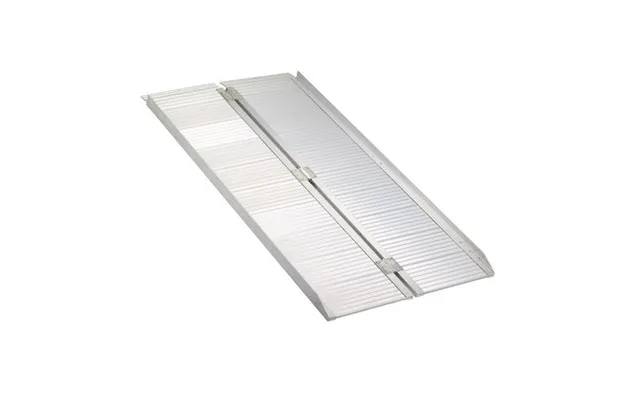
The Drive Medical Wheelchair and Scooter Ramp is described as a transition ramp for moving a wheelchair or scooter from one surface to another. It has a listed length of 5 feet and a width of 26 1/2 inches, giving shoppers clear measurements to consider before purchase.
The reference data lists a weight capacity of 600 pounds. That figure is a key specification, but it should be treated as a maximum capacity rather than an automatic guarantee that every situation will be suitable. You should consider the combined weight of the mobility device and user, along with how the ramp will be positioned.
The product is listed as a single unit and includes a carry bag. That combination can be useful for people who want a ramp that is easier to organize and transport between locations. A carry bag also helps keep the ramp together with its accessories or related mobility equipment when it is not being used.
Portability can be one of the most useful features in a mobility ramp. A fixed ramp may work well in one place, but a portable model offers more flexibility when the user encounters different entrances, thresholds, or vehicle access points.
The Drive Medical ramp is described as having a durable, lightweight construction. The reference information does not provide a specific product weight, so shoppers should not assume an exact lifting weight. Still, the stated design focus suggests that portability is part of the product’s intended use.
Ask yourself where the ramp will travel. Will it stay near one entrance, ride in a vehicle, or move between several locations? A portable format may be especially helpful when access needs can change from one destination to the next.
Ramp dimensions influence both usability and storage. The listed 5-foot length provides the surface over which the wheelchair or scooter transitions. The 26 1/2-inch width indicates the available side-to-side space.
Before selecting a ramp, compare these measurements with the width of the mobility device. Check the scooter or wheelchair’s overall width, including any parts that extend outward. A ramp should offer a practical route without forcing the user to steer too close to the edges.
Length matters because a longer ramp can provide a more gradual path in some applications, while a shorter ramp may be easier to store. However, the correct choice depends on the height that must be crossed and the setup where the ramp will be used. The supplied data identifies the dimensions but does not specify every compatible height or vehicle configuration.
Storage is often overlooked until the ramp is needed. A 5-foot product requires enough room when stored, even if it is portable. Measure the intended storage area in your vehicle, garage, or home before ordering.
The included carry bag can make handling more convenient, but it does not remove the need to confirm available space. Picture the ramp as a long tool: it may be simple to carry, yet it still needs a suitable place between uses.
The listed 600-pound capacity is one of the most important facts about the Drive Medical ramp. To plan responsibly, add the weight of the user, wheelchair or scooter, and any items being carried. The total should remain within the stated capacity.
Capacity alone does not answer every safety question. The ramp must also be placed on an appropriate surface and used in a stable configuration. The supplied reference data does not provide detailed setup instructions, so users should consult the product’s instructions and follow the manufacturer’s guidance.
Never treat a weight rating as permission to improvise. A ramp can have a high capacity and still be unsuitable if it does not sit securely, if the surface is unstable, or if the angle does not match the intended use. Good planning is the foundation of safe access.
The product description specifically presents the ramp as a way to move from one surface to another. That could involve a threshold, raised edge, or similar change in level, but the reference data does not define every approved application.
Consider the surfaces involved before use. A smooth transition may be easier to manage than a sudden change in height, but the exact conditions should be checked against the manufacturer’s instructions. When in doubt, pause and assess rather than turning a small access problem into a larger one.
The Drive Medical ramp includes perforated slots that help keep water from collecting on the ramp. This feature can be useful because standing water may make a surface less convenient to use and can add unnecessary weight when a ramp is being handled.
Drainage-style openings do not mean the ramp should be used carelessly in wet conditions. They are a design detail, not a substitute for checking traction, stability, and the surrounding surface. Weather, ground conditions, and the vehicle setup can all affect how a ramp should be used.
After exposure to moisture, inspect the ramp before storing it. Keeping equipment clean and appropriately stored can support its condition over time, although the reference data does not provide a specific maintenance schedule or durability guarantee.
The included carry bag adds a practical layer to the product. Instead of carrying the ramp without protection or leaving it loose in a vehicle, users have a designated way to move and store it.
This can be helpful for caregivers, families, and mobility users who regularly travel between locations. A bag can also reduce clutter, making the ramp easier to identify when several items are stored together.
Still, convenience should not replace measurement. Confirm that the folded or stored ramp and its bag fit your available space. The reference data confirms that a carry bag is included, but it does not describe the bag’s dimensions or additional compartments.
The Airport Transfer Ngurah Rai International Airport to Keramas, Gianyar listing is different from the Drive Medical ramp. It describes a private van transfer from Ngurah Rai International Airport to Keramas, Gianyar, rather than a physical vehicle-loading product.
The transfer is listed for up to 7 passengers and includes door-to-door service, meet and greet, flight tracking, and free cancellation. Its estimated journey time is 50 minutes. These details describe a travel service, not the construction or performance of a loading ramp.
Why include it in a guide about vehicle loading ramps? Because comparison shoppers may encounter transport services alongside mobility equipment. The two options can support different needs: one provides transportation, while the other helps a wheelchair or scooter cross a surface transition.
If you need equipment to help a mobility device move across a surface change, the Drive Medical ramp is the relevant listing. If you need a private vehicle to transport passengers from the airport to Keramas, Gianyar, the Airport Transfer listing addresses that travel need.
These are not interchangeable products. A van transfer does not replace a physical ramp, and a ramp does not provide a passenger journey. Start with the problem you are trying to solve, then compare the option that matches it.
Start with the basics: intended use, dimensions, capacity, portability, and storage. The Drive Medical listing provides a 5-foot length, 26 1/2-inch width, 600-pound capacity, durable lightweight construction, perforated slots, and a carry bag.
Next, compare those details with your own equipment. Measure the wheelchair or scooter, consider the total loaded weight, and identify where the ramp will be used. A product may look suitable online, but real-world measurements are what turn a promising option into a practical one.
Finally, review the manufacturer’s instructions before use. The supplied data does not include every technical detail, such as the recommended incline, surface requirements, or vehicle compatibility. Those points should be confirmed from the product documentation.
Will the ramp be used occasionally or frequently? Does the width suit the mobility device? Can the ramp be stored in the intended vehicle or room? Is the listed capacity sufficient for the combined load? Does the setup offer a stable transition?
These questions act like a checklist before you commit. They help you focus on function instead of being distracted by features that may not matter for your situation.
Comparison shopping gives you a clearer view of product specifications and related services in one place. It can help you distinguish a physical mobility aid from a transportation booking and focus on the details that matter most.
ZoneOffer is a comparison site, not a store. The platform helps users review listed offers and product information, but shoppers should verify the current details shown for the relevant listing before making a decision. Prices and other offer information can change, so treat the displayed data as the basis for comparison rather than an independent promise.
For the Drive Medical ramp, the supplied listing shows a price of $441.79 through Herbsdaily. The airport transfer listing shows a price of $47 through Airport Transfer Portal. These prices belong to different types of offerings, so comparing them directly would be like comparing a toolbox with a taxi ride.
A confident choice comes from matching the product to the task. For mobility access, focus on the Drive Medical ramp’s listed measurements, capacity, carry bag, lightweight construction, and perforated slots. For airport travel, focus on the private van transfer’s passenger limit, door-to-door format, meet and greet, flight tracking, and estimated journey time.
Take a moment to write down your requirements before browsing. A short list can include the mobility device width, total load, storage area, travel frequency, and type of surface transition. When the specifications line up with your needs, the decision becomes much simpler.
The Drive Medical Wheelchair and Scooter Ramp is the relevant physical access solution in the supplied data, with a 5-foot by 26 1/2-inch design, a listed 600-pound capacity, a carry bag, durable lightweight construction, and perforated slots intended to help prevent water collection. The Airport Transfer listing serves a different purpose as a private van journey for up to 7 passengers. By separating equipment from transport services and checking dimensions, capacity, storage, and intended use, you can compare options more thoughtfully through ZoneOffer.