

Kite Buggies price list
Last updated Saturday, Oct 17, 2026



Loading...
Last updated Saturday, Oct 17, 2026
Kite buggying turns wind into motion, transforming an open beach or suitable land area into a natural racetrack. Instead of relying on an engine, you use a traction kite to pull a three-wheeled buggy across the surface. The result can feel like sailing on land: responsive, fast-paced, and completely connected to the weather around you.
Choosing the right equipment matters because a kite buggy is more than a seat with wheels. Your comfort, control, safety, and ability to progress all depend on how well the buggy, kite, lines, and release systems work together. This guide explains what to look for, how to prepare, and how the featured RUPP package may fit into a serious outdoor recreation setup.
Kite buggying is a wind-powered sport in which a rider sits low in a lightweight buggy while steering a traction kite. By moving the kite through the wind window, you generate pulling force and direct the buggy across the ground. Think of the kite as your engine, the lines as your steering connection, and the buggy as your land-based sailing craft.
The sport can be enjoyed at different experience levels, but it rewards patience. Beginners typically spend time learning kite control before attempting longer rides or higher speeds. As confidence grows, riders can explore turns, controlled acceleration, and more advanced handling techniques in appropriate conditions.
A well-matched setup helps you focus on technique instead of fighting your equipment. The buggy should feel stable beneath you, the steering should respond predictably, and the kite control system should allow you to manage power when the wind changes.
Equipment selection also affects convenience. A package that brings several key components together may simplify the buying process, especially for an experienced rider who already understands the requirements of the sport. However, you should always check exactly what is included and whether the package suits your intended riding environment.
Your riding position influences how easily you can steer and handle changing traction. A suitable buggy should let you maintain a comfortable posture while keeping your attention on the kite. If you feel cramped, unstable, or unable to shift your weight naturally, even a mild session may become tiring.
Comfort is not merely a luxury. When you are relaxed, you can make smoother decisions and react more effectively. Like a well-fitted pair of outdoor boots, the right buggy setup supports the activity rather than distracting you from it.
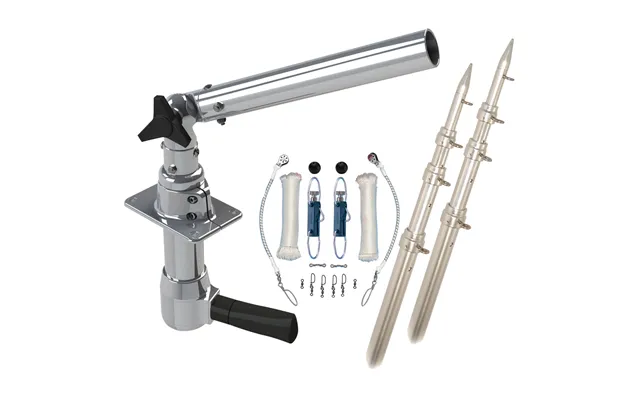
The reference offer features the Rupp Rev-tpgn-18t Revolution Top Gun Package With 18ft Poles & Complete Single Line Rigging Kit With Klickers Release Clips. The listed brand is RUPP, and the offer appears through The Twister Group.
The listed price is $2,491.12. This article presents that information as a comparison reference, not as a direct sale. ZoneOffer is a comparison site, so shoppers should review the available listing details before making a purchase decision.
Based on the supplied information, the package includes 18-foot poles, a complete single-line rigging kit, and Klickers release clips. These details may be particularly relevant to shoppers looking for a more comprehensive rigging-oriented package rather than an isolated component.
The listing does not provide additional specifications about buggy frame dimensions, wheel construction, rider capacity, kite size, terrain suitability, or included accessories. For that reason, you should verify those points before deciding whether the package matches your complete kite buggy setup.
Poles and rigging components help organize and support the operating system connected to your kite setup. The 18-foot pole specification is one of the clearest details in the featured listing, but a single measurement does not tell the whole story. You should also consider how the poles integrate with the rest of your equipment.
Rigging is similar to the wiring in a musical instrument: each part has to connect correctly for the whole system to perform as intended. Before riding, inspect attachment points, line paths, clips, and release mechanisms. A small issue found on land is far easier to address than one discovered while moving.
The listed package includes Klickers release clips. Release equipment is an important part of managing a traction system because riders need a clear way to reduce or disconnect pulling force when necessary. You should learn how the specific release clips operate before using them in active conditions.
Do not assume that a release component is self-explanatory. Read the product information supplied with the equipment, practice the motion carefully in a safe location, and make sure every person using the setup understands the procedure. Familiarity can turn a stressful moment into a controlled response.
Start by defining your goals. Are you interested in casual recreational rides, regular training sessions, or more demanding performance? Your answer helps determine what kind of buggy, kite, control system, and supporting equipment you should investigate.
Next, consider where you expect to ride. A wide, open area with a suitable surface can offer a very different experience from a crowded beach, uneven ground, or a location with obstacles. Your equipment should match the space, and the space should be appropriate for the activity.
When comparing a package, create a checklist. Look for the buggy itself, kite or kites, control lines, handles or bar, harness components if applicable, release mechanisms, wheels, axles, seat support, and any required connectors. The supplied RUPP listing identifies poles, single-line rigging, and Klickers release clips, but it does not state that every item in a complete kite buggy system is included.
This simple check prevents a common disappointment: buying what appears to be a complete setup and later discovering that essential parts must be sourced separately. A package can be valuable while still requiring additional equipment, so clarity is your best friend.
New riders should prioritize control, predictability, and instruction over maximum speed. More experienced riders may want equipment that supports a particular riding style or technical objective. In both cases, the safest choice is the one you understand and can operate confidently.
If you are still learning kite control, spend time practicing with the kite before adding the buggy. Steering a kite while managing a moving vehicle creates several tasks at once. Building skills in stages is like learning to paddle before attempting a challenging river: the foundation makes everything else easier.
Safety begins before the kite leaves the ground. Inspect the buggy, wheels, lines, connections, poles, clips, and release components. Look for visible damage, unusual wear, loose hardware, or anything that does not move as expected. If a component seems questionable, pause and investigate it rather than hoping it will hold.
Choose a location with plenty of open space and keep clear of people, vehicles, buildings, trees, power lines, and other obstacles. Wind can change direction or strength quickly, and a kite can create significant pulling force. A clear riding area gives you more time and room to respond.
Wind is the sport’s fuel, but it is also one of its biggest variables. Avoid conditions that exceed your experience or equipment knowledge. Gusty weather can make the kite feel unpredictable, while changing direction can affect both steering and braking.
Before a session, observe the wind and ask yourself whether the conditions appear steady enough for your skill level. If the answer is uncertain, choose a calmer opportunity. There is no prize for forcing a ride in weather that makes control difficult.
A helmet is a sensible part of a kite buggying setup, and additional protective gear may be appropriate depending on the riding surface, conditions, and your experience. Wear clothing that allows movement without loose parts becoming entangled with lines or equipment.
It is also wise to tell someone where you plan to ride and avoid treating remote areas casually. Carry what you need for the session, keep your surroundings in view, and know how you will stop the system if conditions change.
Preparation makes the actual ride smoother. Assemble your equipment on the ground and identify every connection before launching the kite. Confirm that lines are separated, clips are secured as intended, and the buggy is positioned so it cannot roll unexpectedly.
Practice basic kite movements without traveling. Learn how the kite responds when you steer it left, right, upward, and downward. Then practice reducing power and using the release system according to the equipment instructions. These exercises build muscle memory without adding speed to the equation.
A repeatable routine can reduce mistakes. You might begin with a visual inspection, check the weather, clear the riding area, assemble the buggy, inspect the rigging, confirm your protective equipment, and then practice low-power control. The exact routine is yours to develop, but consistency matters.
After each session, inspect the equipment again. Dirt, sand, and repeated movement can reveal issues that were not obvious before riding. Keeping notes about conditions and performance may also help you understand what works best for you.
Online comparison shopping is useful when product titles contain many technical terms. Instead of focusing only on the headline price, break the listing into categories: brand, included components, dimensions, compatibility, seller information, and any stated limitations.
The featured offer has a listed price of $2,491.12 and identifies RUPP as the brand. Its title highlights 18-foot poles, a complete single-line rigging kit, and Klickers release clips. Those are useful comparison points, but they should be considered alongside the equipment you already own and the components you still need.
Ask whether the package is intended for your current system, whether it includes a kite or buggy, and whether additional connectors or control equipment are required. You should also verify the condition of the item and review the listing for any specifications not shown in the supplied reference data.
It helps to write down your questions before reviewing an offer. That way, excitement does not steer the decision. The goal is not simply to find a product with an impressive title; it is to find equipment that fits your actual riding plan.
Kite buggying becomes more rewarding as your control improves. Early sessions may focus on launching, steering, stopping, and maintaining a comfortable line. Later, you may work on smoother turns and more precise kite positioning.
Progress should feel deliberate rather than rushed. Increase one variable at a time, such as riding distance, kite power, or maneuver complexity. If you change everything at once, it becomes difficult to tell what caused a problem. Small improvements add up like links in a chain.
After riding, consider what felt stable and what felt confusing. Did the kite respond as expected? Did the buggy remain comfortable? Were the lines and release components easy to understand? Your answers can guide future equipment choices and practice sessions.
Experienced riders can also benefit from a second perspective. Training with someone knowledgeable may help you spot inefficient habits, improve setup procedures, and understand how to react to changing conditions. Even a short discussion can sharpen your decision-making.
Kite buggying combines wind, wheels, and skill into an outdoor experience that feels both technical and free. The featured RUPP package lists 18-foot poles, a complete single-line rigging kit, and Klickers release clips at $2,491.12 through the twister group. Because ZoneOffer is a comparison site, use the listing as a starting point, confirm what is included, and match the equipment to your buggy system, experience, and riding environment. With careful preparation and respect for the wind, you can make your setup more purposeful and your time outdoors more enjoyable.