

Fly Tying Materials price list
Last updated Wednesday, Nov 25, 2026



View 9 Offers
Loading...
Last updated Wednesday, Nov 25, 2026
Fly tying is part craft, part problem-solving, and part fishing strategy. With the right materials on your desk, you can build flies that look lively in the water and hold together through repeated casts. The challenge is knowing which supplies deserve attention when listings vary in size, color, construction, and price.
This guide focuses on the fly tying materials currently featured in the reference data: dyed white natural bleached rooster neck feathers, white waxed tackle yarn, and a dark navy blue waxed tackle yarn kit with a needle. These products serve different purposes, so comparing them is less like choosing between identical hooks and more like choosing the right tools for separate jobs.
ZoneOffer is a comparison site, not a store. Its role is to help shoppers review product information and compare listed offers. Always check the current listing before making a purchasing decision, since product details can change.
A finished fly is only as dependable as the materials used to make it. Feathers influence shape, movement, and profile, while thread or yarn helps secure components and add structure. A good material does not need to be complicated; it simply needs to match the job.
Think of your tying bench as a small workshop. Feathers are the paint and texture, thread is the fastener, and your tools are the hands that bring everything together. When those elements work in harmony, even a straightforward pattern can appear convincing.
Material selection also affects your workflow. A supply that is easy to handle can help you tie more consistently. One that is awkward, too fragile, or poorly suited to the pattern may slow you down and create unnecessary frustration.
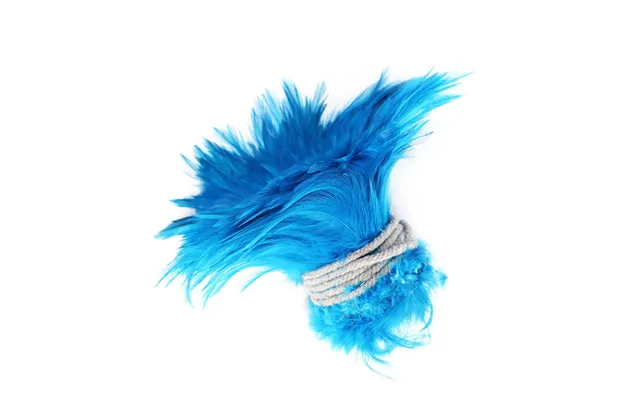
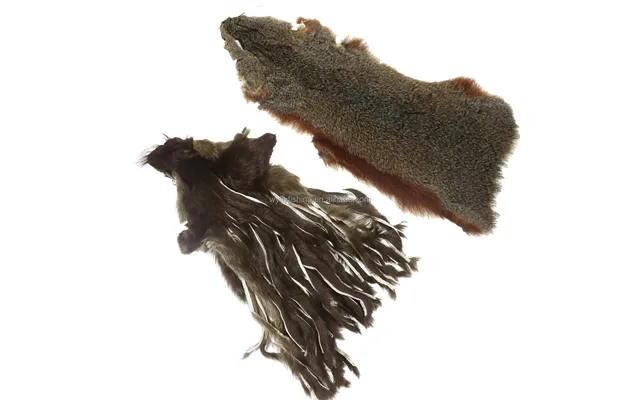
The reference data includes three notable listings. The first is a wholesale offering of 4- to 6-inch dyed white natural bleached hackle strung rooster neck feathers for fly fishing tying. The listed price is 89.20, and the store shown is Alibaba.
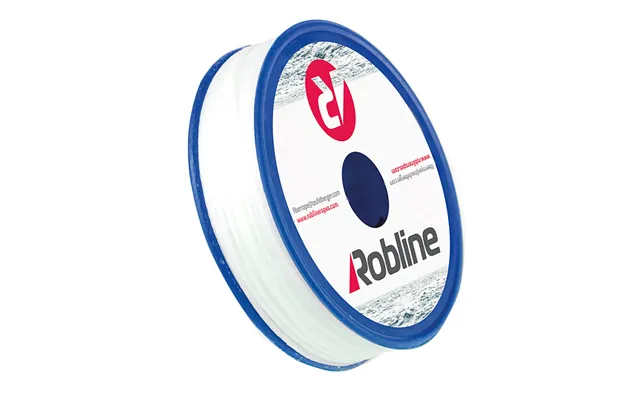
The second listing is FSE ROBLINE TY-10WSP waxed tackle yarn whipping twine in white. It is described as approximately 0.04 inches thick and 50.3 yards long, based on the supplied metric dimensions. The listed price is 8.12, and the store shown is The Twister Group.
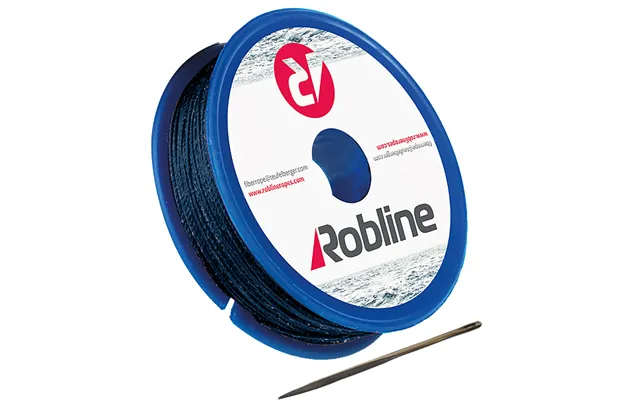
The third product is the FSE ROBLINE TY-KITBLU waxed tackle yarn whipping twine kit with needle in dark navy blue. Its supplied dimensions convert to approximately 0.03 inches thick and 87.5 yards long. The listed price is 14.12, and it is also listed through The Twister Group.
These items are not direct substitutes. The rooster feathers are a natural tying material, while the two FSE ROBLINE products are waxed yarn or whipping twine. Comparing them requires looking at purpose, handling, color, quantity, and whether a needle is useful for your projects.
Hackle feathers are valued for their fine fibers and flexible structure. In fly tying, they can help create legs, collars, tails, wings, and other flowing details. Their natural movement can give a finished fly a more animated appearance, especially when the fibers are arranged carefully.
The featured listing describes 4- to 6-inch dyed white natural bleached hackle strung rooster neck feathers. The white color offers a clean visual base and can suit patterns that call for a pale profile. White feathers may also be useful when a tier wants a bright accent or plans to add color during the tying process.
Because the product is described as wholesale, it may appeal to tiers who use feathers frequently or want a larger supply for repeated projects. However, the reference data does not specify the exact quantity, feather count, or packaging format. Those details should be confirmed on the listing before purchase.
When examining hackle, look closely at the consistency of the fibers. You want feathers that are reasonably even, flexible, and suitable for the scale of the flies you tie. A feather that is too stiff may be difficult to wrap, while one that is too delicate may not hold its shape.
Color consistency also matters. Since this listing is described as dyed white and naturally bleached, review the current product images and description to understand the appearance being offered. A bright, uniform color may be important for certain patterns, while slight variation may be perfectly acceptable for other styles.
Length is another practical consideration. The listed 4- to 6-inch range gives you a general idea of the feather size, but it does not by itself confirm the usable length of each individual fiber. Consider the hook sizes and fly styles you commonly tie before deciding whether the range fits your bench.
Waxed yarn can provide grip and structure during tying. The coating may help the material stay in place as you work, which can be useful when securing wraps or finishing a section of a project. Its function is different from that of a natural feather, but it can be just as important when you need a reliable tying material.
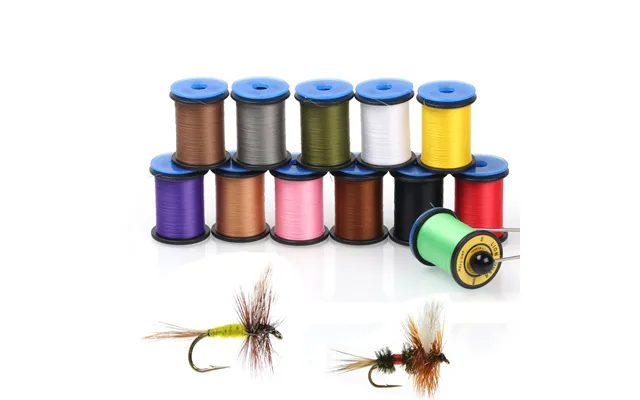
The FSE ROBLINE TY-10WSP listing is described as white waxed tackle yarn whipping twine. The supplied size is approximately 0.04 inches by 50.3 yards. Its white color makes it a neutral option that can blend into pale designs or create a visible contrast against darker materials.
The listing identifies the brand as FSE ROBLINE and the store as The Twister Group. The listed price is 8.12. Since no regular price is provided in the reference data, it would be inappropriate to describe this amount as a discount or sale price.
White twine can be a practical choice for tiers who want a versatile color. It may work as a visible body element, a securing material, or a foundation under other components, depending on the pattern and tying technique.
Its approximately 0.04-inch thickness should be considered alongside the size of the flies you usually make. Thicker material can create a stronger visual presence, while finer material may be easier to use on smaller patterns. The best choice depends on the proportions you want rather than on thickness alone.
The approximately 50.3-yard length offers a substantial amount of material for general tying tasks. Still, usage varies widely. A tier who ties occasionally may find that length lasts a long time, while someone producing many flies may use it quickly.
The FSE ROBLINE TY-KITBLU listing combines dark navy blue waxed tackle yarn whipping twine with a needle. The supplied dimensions convert to approximately 0.03 inches thick and 87.5 yards long. The inclusion of a needle makes this listing different from the white twine option.
A needle can add convenience when you need to guide, pass, or manipulate yarn through a tight area. It may also help with controlled finishing work. The reference data confirms that the kit includes a needle, but it does not specify the needle’s size, shape, or material.
The dark navy blue shade gives tiers an alternative to white. It can blend into darker patterns or create a deliberate color contrast. As with any colored material, the final effect will depend on the other materials used and the pattern’s overall design.
A kit can be appealing when you want more than a spool alone. If you do not already have a suitable needle or prefer having a coordinating tool included, this option may streamline your setup.
The listed price is 14.12, and the store shown is The Twister Group. Because the reference data does not include a regular price, savings amount, or availability statement, those details should not be assumed.
The longer listed length may also attract tiers who use dark twine regularly. Yet quantity should not be the only deciding factor. If your patterns mainly call for pale colors, the white FSE ROBLINE twine may be more suitable even if the navy option provides more material.
Choosing between the two FSE ROBLINE products starts with color and then moves to format. The white TY-10WSP is listed at approximately 0.04 inches by 50.3 yards. The dark navy blue TY-KITBLU is listed at approximately 0.03 inches by 87.5 yards and includes a needle.
White can provide a clean, bright appearance and may be easier to see while you work. Dark navy blue can offer a deeper visual tone and may blend naturally with darker materials. Which one feels right depends on your patterns, lighting, and personal tying style.
The difference in thickness may also influence handling. The white twine is listed as approximately 0.04 inches thick, while the navy twine is approximately 0.03 inches thick. These measurements are conversions from the supplied data, so review the original listing for the seller’s stated specifications.
Would you rather have a thicker white material or a thinner navy material with a needle included? That simple question can help clarify the better match for your bench.
It is easy to buy materials because they look interesting, but your most useful supplies are the ones that support the patterns you make. Review your current projects and identify whether you need feathers, body material, securing yarn, or a finishing aid.
If you tie several patterns that use pale accents, the featured white hackle or white waxed twine may be worth considering. If you work with darker designs or want a deeper color, the dark navy blue kit may be more appropriate.
Material size should match the size of the fly. A feather or yarn that looks balanced on one pattern may overwhelm another. Before buying, compare the listed dimensions with your typical hook and fly sizes.
The featured rooster feathers are described as 4 to 6 inches long. The two yarn listings provide thickness and length information. These specifications are useful starting points, but they do not replace practical judgment about how the material will look when wrapped, trimmed, or secured.
Convenience can make a real difference during a long tying session. A material that includes a useful tool may reduce the number of separate items you need to gather. That is one reason the dark navy blue kit may interest tiers who want waxed twine and a needle together.
On the other hand, a spool-only option may be preferable if you already have the tools you need. The white FSE ROBLINE twine provides a focused purchase without the added kit format described for the navy product.
When comparing listings, look beyond the headline price. Check the material type, color, length, thickness, included accessories, brand, and seller. A lower listed amount may not be the best value if the product does not suit your patterns.
For the featured products, the comparison is especially important because the formats differ. The hackle listing is a wholesale feather product, the white twine is a spool of waxed material, and the navy blue item is a kit with a needle. They should be evaluated according to their intended use.
Pay attention to wording such as “wholesale,” “kit,” and “with needle.” These terms can signal meaningful differences in how the product is packaged or what is included. The reference data does not provide complete packaging details for every item, so confirm any unanswered questions on the current listing.
ZoneOffer can help you compare the available information in one place, but it does not sell these products directly. Treat the listed details as a starting point, then review the seller’s current information before ordering.
Good organization protects both your time and your materials. Keep feathers separated by color and type so you can find the right fibers quickly. Store yarn and twine where they will not become tangled, crushed, or contaminated by loose scraps.
Labeling can be simple. Write down the color, approximate thickness, and intended use. For the featured products, you might identify the white twine as approximately 0.04 inches thick and the navy twine as approximately 0.03 inches thick. A short note about the included needle can also help you remember which kit contains that accessory.
Keep your work area tidy as you tie. Loose fibers and cut pieces can hide useful material, while clutter makes it harder to judge proportions. A clean bench is like a clear map: it helps you see the next step.
If you are developing a fly tying setup, begin with materials that cover different functions. The featured products provide a useful example of variety: natural hackle for texture and movement, white waxed twine for a light-colored tying material, and dark navy blue waxed twine with a needle for a darker option and added convenience.
You do not need every color or material immediately. A thoughtful selection is usually more useful than an overflowing box. Choose supplies that match the flies you want to make, then expand as your techniques and patterns develop.
Experienced tiers can also use these products to fill specific gaps. Perhaps you need white hackle for a particular profile, waxed twine for a strong accent, or a darker kit for finishing work. The key is to buy with a purpose rather than allowing an attractive listing to decide for you.
The featured fly tying materials offer three distinct options: dyed white natural bleached rooster neck feathers, white FSE ROBLINE waxed tackle yarn, and a dark navy blue FSE ROBLINE waxed tackle yarn kit with a needle. Each has a different role, size, color, and format. By matching the material to your patterns, preferred working style, and existing tools, you can make a more confident choice. Use ZoneOffer as a comparison resource, review the current seller information, and let your tying goals guide the final decision.