

Horse Tack price list
Last updated Saturday, Oct 17, 2026





View 9 Offers
Loading...
Last updated Saturday, Oct 17, 2026
Choosing horse tack can feel like assembling a puzzle while your horse watches from the other side of the stall. You need the right size, suitable materials, dependable hardware, and equipment that matches the way you ride. The reference selection includes halters, riding crops, a dressage whip, and leather care supplies, giving you a useful starting point for everyday handling and riding preparation.
ZoneOffer is a comparison site, so it helps you review listed products and prices in one place rather than acting as a store. In this guide, we’ll look at the available horse tack, explain what each product type is designed to do, and share practical tips for choosing and maintaining your equipment. Ready to make your tack decisions simpler?
Horse tack includes equipment used to handle, lead, groom, or ride a horse. Some items are central to riding, while others support groundwork and daily care. A halter, for example, is commonly associated with leading and handling, while a riding crop or dressage whip is an aid used by a rider when appropriate.
The best choice depends on your horse, your discipline, and your routine. A horse used for dressage may require different accessories from one used mainly for trail riding. Even when two products look similar, their size, construction, adjustability, and intended use can make a meaningful difference.
Before comparing colors or finishes, ask a straightforward question: what task will this item support? If you need a halter for regular handling, focus on fit and adjustability. If you want leather care, look for a product that matches the condition of your tack. If you use a whip, consider the listed length and whether it suits your riding discipline.
This approach prevents impulse buying. Tack should work like a well-organized toolbox: every piece has a purpose, and the right tool makes the job easier without creating unnecessary complications.
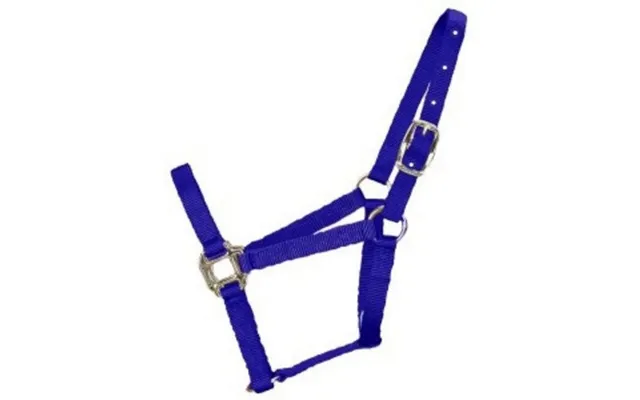
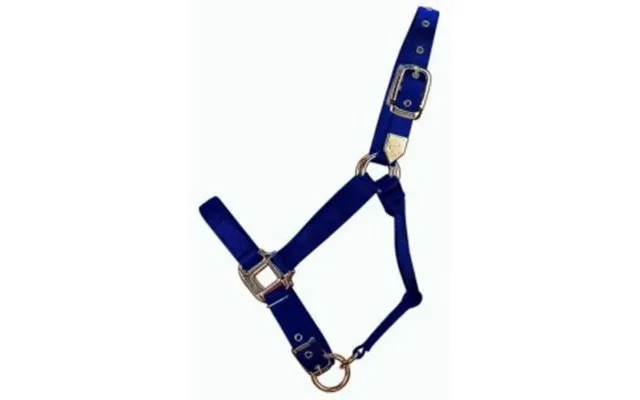
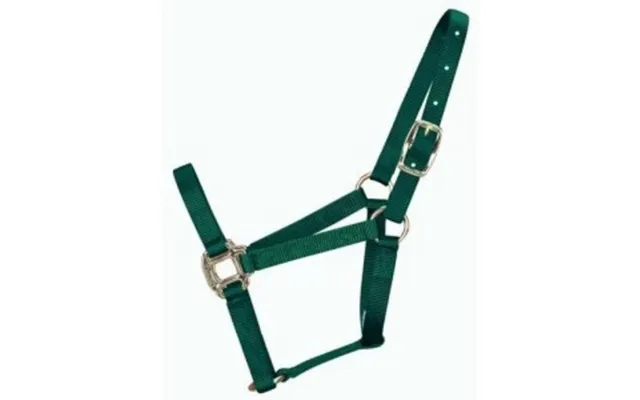
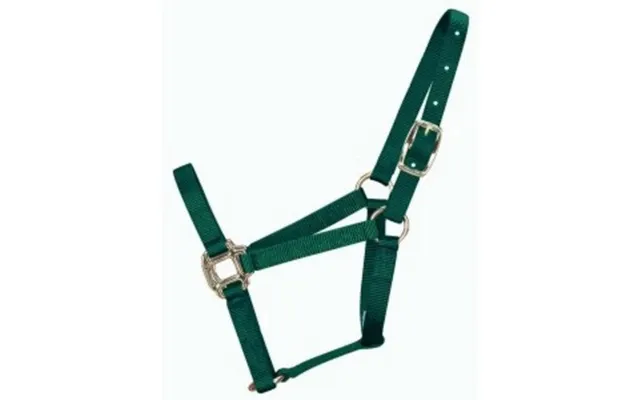
The listed halters include several sizes, colors, and construction styles. Hamilton options include a small halter listed for sizes 5–8, a large adjustable halter listed for sizes 11–16 in navy, large and dark green quality halters listed for sizes 11–16, and a yearling halter listed for sizes 3–5 in dark green. Each of these products is listed at $33.12, except the Hamilton adjustable large navy halter, which is listed at $21.50.
These size ranges are useful starting points, but you should still compare them with your horse’s actual measurements and the manufacturer’s sizing guidance where available. A label such as “small,” “large,” or “yearling” is not a substitute for checking how the halter sits on the horse.
The Hamilton products provide a range of options for different horse sizes and stages. The small blue quality halter is listed for sizes 5–8, while the yearling dark green halter is listed for sizes 3–5. The large choices are listed for sizes 11–16, with navy and dark green options available in the reference data.
When comparing these products, think beyond color. Check the listed size, adjustment points, and the way the halter rests around the nose and behind the ears. The noseband should not press tightly, and the halter should not hang so loosely that it can catch or shift during normal handling.
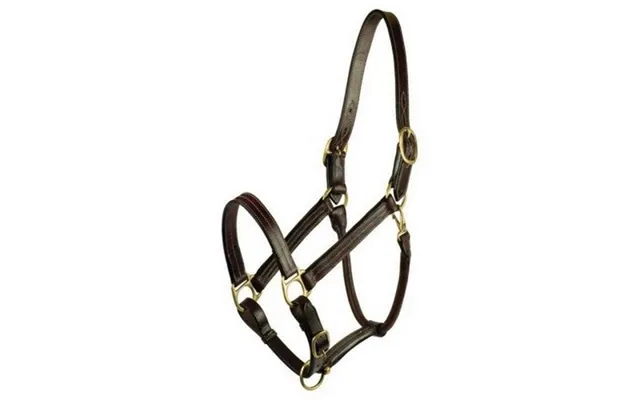
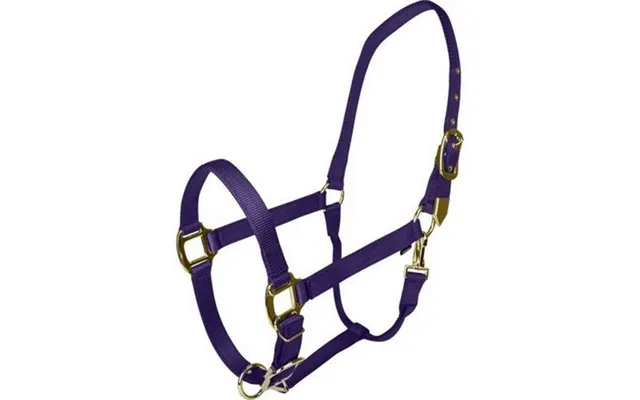
The reference data also includes two Gatsby halters. The Gatsby Gold Adjustable Halter with Snap is listed as oversize and purple, with a price of $39.14. The Gatsby Premium Adjustable Triple Stitched Halter is listed in cob size and Havana, priced at $78.36.
The premium Gatsby model is described as having solid brass hardware, a double-buckle crown, a throatlatch snap, an adjustable chin, and supple pre-conditioned leather. Its triple-stitched design and leather construction may appeal to riders who want a more finished, traditional look in their handling equipment.
Because the Gatsby products are listed in different size categories, compare the oversize and cob designations carefully. A halter that looks attractive but does not fit correctly can become uncomfortable and less practical. Think of fit as the foundation; appearance is the finishing touch.
A properly fitted halter should sit securely without pinching. The noseband should rest in an appropriate position on the horse’s face, while the cheekpieces and crown should remain stable as the horse moves. You should be able to check the fit with your fingers, but the halter should not be so loose that it shifts significantly during leading.
Adjustment is especially helpful when a horse’s shape changes or when one halter needs to accommodate minor differences in fit. The listed Hamilton adjustable halter and the Gatsby adjustable designs may be worth comparing if flexibility is important to you.
Inspect three main areas whenever you put on a halter. First, look at the noseband and make sure it does not sit too low or press into sensitive areas. Next, check the crown behind the ears for rubbing or excessive pressure. Finally, examine the throatlatch area so the halter remains secure without restricting comfortable movement.
Run your hand over contact points after use. Warmth, hair loss, or rub marks can signal that the fit, adjustment, or material needs attention. A few seconds of inspection can help you catch a small problem before it becomes a bigger one.
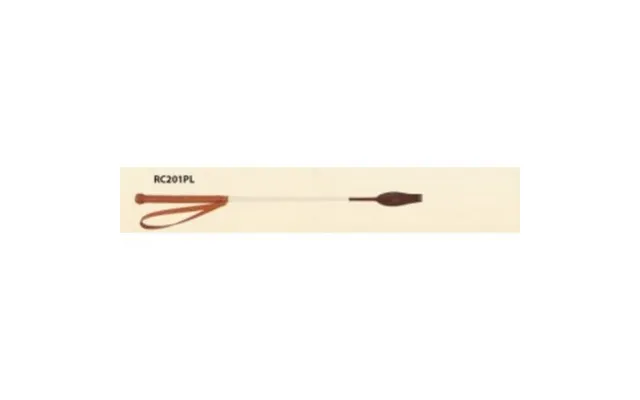
The riding aids in the reference data include the Us Whip Riding Crop W Loop Blk 20 Inch, listed at $23.55, and the Us Whip Dressage Whip Blk 39 Shaft, listed at $21.63. Both products are from Us Whip, but their listed lengths and product types differ significantly.
The 20-inch riding crop is a shorter option, while the dressage whip has a 39-inch shaft. Your choice should reflect your discipline, riding position, instruction, and personal comfort. A longer whip is not automatically better, just as a shorter crop is not automatically easier to use.
A riding crop may suit riders who prefer a compact aid that is easy to carry. The listed model includes a W loop and a black finish. A dressage whip, by contrast, has a longer shaft and may be considered when the rider needs an aid that can be used without changing hand position as much.
Use any riding aid thoughtfully and only as directed by a qualified instructor. The goal is communication, not force. Your hands, seat, legs, voice, and timing should remain central to the conversation between you and your horse.
The difference between 20 inches and 39 inches is substantial. Before selecting a whip, consider where you ride, how you hold your reins, and whether the length feels manageable. A whip that is too long for your experience may feel awkward, while one that is too short may not suit the intended use.
If you are uncertain, ask an instructor to help you compare the two styles. Practical guidance can be more valuable than guessing from a product title alone.
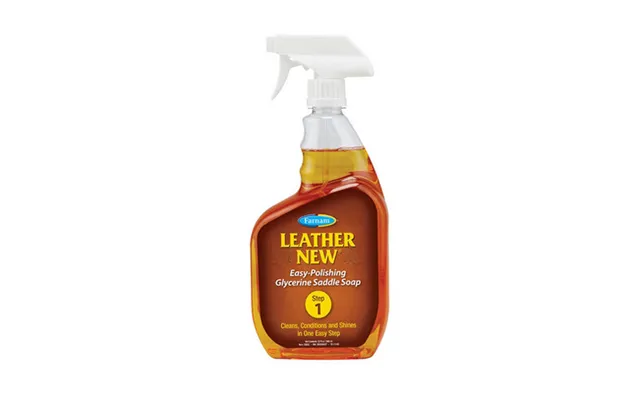
The Farnam Leather New Easy-Polishing Liquid Glycerine Saddle Soap is listed in a 32-ounce size at $17.71. Its description says it cleans, conditions, and polishes leather in one step. It is also described as softening and preserving leather while leaving a high-gloss shine.
Leather care is not merely about appearance. Tack that becomes dry or neglected may feel less comfortable and can develop cracking over time. Regular cleaning helps remove surface dirt, while appropriate conditioning supports the leather’s feel and flexibility.
The product directions recommend removing dust and dirt first, then applying the saddle soap directly and rubbing it into the leather with a cloth. The description specifically notes using enough cloth nap to reach down into stitches and carving. Continue rubbing until the foam disappears.
The instructions also recommend using Leather New Deep Conditioner afterward to restore softness and pliability. That additional conditioner is mentioned in the product description, but it is not one of the listed offers in the reference selection.
The product description says the saddle soap can also be used on wet leather to help prevent stiffening, and on stiff leather to soften it and help prevent cracking. Even so, avoid rushing the process. Clean gently, use a suitable amount, and pay attention to seams, stitching, and areas that flex frequently.
Always consider the leather type and any care instructions supplied with your tack. When trying a product on an unfamiliar item, testing a small, less visible area first can help you observe how the finish reacts.
The listed prices range from $17.71 for the Farnam leather care product to $78.36 for the Gatsby Premium Adjustable Triple Stitched Halter. The Us Whip dressage whip is listed at $21.63, the Hamilton adjustable large navy halter at $21.50, and the Us Whip 20-inch riding crop at $23.55.
Several Hamilton quality halters are listed at $33.12, while the Gatsby Gold Adjustable Halter with Snap is listed at $39.14. These figures can help you create a shortlist, but price should be considered alongside size, material, adjustability, construction, and intended use.
If you are creating a basic setup, begin with the items you use most often. A correctly sized halter may be a higher priority than an extra style option. If your leather equipment needs attention, a cleaning product can support the longevity of tack you already own.
Compare like with like whenever possible. A leather halter and a basic halter may serve related handling purposes, but they may differ in material, detailing, and price. The least expensive option is not always the most suitable, while the most expensive option is not automatically the best match for every horse.
A quick inspection can reveal loose stitching, worn edges, damaged hardware, or areas that need cleaning. Look closely at buckles, snaps, loops, crown pieces, and adjustment holes. For a whip or crop, check the handle, shaft, and loop before carrying it into the riding area.
With halters, pay special attention to points that receive tension during leading. With leather items, watch for dryness, stiffness, or cracking. Tack care is similar to checking the tires on a car: it takes little time, but it can make your routine safer and more predictable.
Remove dirt after use rather than allowing it to build up. Let damp equipment dry appropriately, then store it in a clean location where it will not be crushed or exposed to unnecessary moisture. Keep leather from becoming neglected, and avoid folding or bending equipment in ways that create permanent stress points.
Organizing tack by purpose can also save time. Keep handling equipment easy to reach, place leather care supplies together, and store riding aids where they will not be damaged. A tidy setup makes regular inspection much more likely.
Start by describing your routine in practical terms. Do you lead your horse daily? Do you need an adjustable halter? Are you preparing for dressage? Is your existing leather tack dry or dull? Your answers will point you toward the most relevant product category.
For size variety, the Hamilton selection includes small, yearling, and large options. For leather construction and additional detailing, the Gatsby products provide two distinct choices. For riding aids, the Us Whip options differ in length. For maintenance, the Farnam product focuses on cleaning, conditioning, and polishing.
When reviewing an offer on ZoneOffer, note the brand, product title, listed size, color, material information, length, and price. The reference data identifies each listed offer as being from the store Peta2z. Availability, shipping, and other purchasing conditions are not provided in the reference data, so confirm those details separately before making a decision.
This checklist helps you avoid comparing products based only on photographs or names. Tack is personal equipment, and small details can have a large effect on comfort and usefulness.
The right horse tack should support clear communication, comfortable handling, and consistent care. The reference selection offers Hamilton and Gatsby halters in several sizes and styles, Us Whip riding aids in 20-inch and 39-inch options, and Farnam Leather New saddle soap in a 32-ounce size. Compare fit, purpose, construction, and listed price carefully, then inspect and maintain your equipment regularly. With a thoughtful approach, choosing tack becomes less like guesswork and more like building a dependable partnership with your horse.