

Climbing Rope price list
Last updated Saturday, Oct 17, 2026
| Climbing Rope | Price |
|---|---|
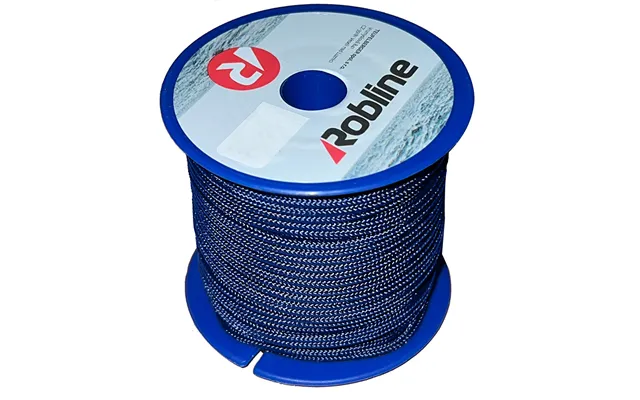
| Fse Robline Mr-2blu Mini Reel Orion 500 - Blue | $14.12 |




Loading...
Last updated Saturday, Oct 17, 2026
| Climbing Rope | Price |
|---|---|
| Fse Robline Mr-2blu Mini Reel Orion 500 - Blue | $14.12 |
Climbing rope is one of those pieces of outdoor gear that deserves careful attention. It may look simple, but the right cord can make a major difference in how you organize equipment, secure accessories, manage camp setup, or approach a climbing-related project. With so many sizes, materials, and formats available, choosing can feel like standing at a trailhead with several paths in front of you.
This guide focuses on the climbing rope option listed in the reference data: the FSE ROBLINE MR-2BLU Mini Reel Orion 500 in blue, offered by The Twister Group. It also explains how to think about small-diameter rope, reel formats, product descriptions, and comparison shopping. ZoneOffer is a comparison site, so it helps you review listed product information rather than selling the item directly.
The featured product is the FSE ROBLINE MR-2BLU Mini Reel Orion 500 in blue. The reference listing identifies the brand as FSE ROBLINE and the store as The Twister Group. It is presented as a mini reel containing approximately 98.4 feet of rope with a listed diameter of about 0.08 inches.
The listed price is $14.12. Because prices and product information can change, you should review the current listing before making a purchase decision. The reference data does not provide a separate regular price, discount amount, shipping information, availability status, or customer rating, so those details should not be assumed.
A mini reel offers a practical way to keep a length of cord contained and manageable. Instead of dealing with a loose bundle that can twist into a knot, you can store the rope in a compact format and pull out the amount you need. Think of it as a spool of thread designed for outdoor tasks: tidy, portable, and easy to organize.
That format may appeal to people who want a small rope option for gear organization, utility tasks, or projects where a long, heavy climbing rope would be unnecessary. However, the product’s intended use should always be confirmed from the current seller listing and manufacturer information before you rely on it for any safety-critical application.
Diameter is one of the first details shoppers notice when comparing rope. The featured FSE ROBLINE product is listed at approximately 0.08 inches in diameter. That makes it a very thin cord compared with the ropes commonly associated with belaying or lead climbing.
Thin cord can be convenient because it takes up less space and usually feels lighter to carry. It can also be easier to route through small openings or use for compact organization tasks. The tradeoff is that a thin cord may not be suitable for every load, knot, device, or climbing system. Size alone does not tell you whether a rope is appropriate for a particular purpose.
It is tempting to treat rope diameter like a simple scorecard: thicker must be stronger, thinner must be lighter. Real-world selection is more nuanced. Construction, fiber type, intended application, condition, and manufacturer specifications all matter. Two ropes with similar diameters may behave differently under tension, abrasion, moisture, or repeated handling.
Before using any rope near people, elevated positions, or life-support equipment, check the product’s technical documentation. Look for clearly stated working limits, breaking strength, compatibility information, and intended-use guidance. If the listing does not provide those details, that absence is important information in itself.
The reference data describes the FSE ROBLINE MR-2BLU Mini Reel Orion 500 as approximately 98.4 feet long. That amount can be useful for multiple small projects, depending on how much rope each task requires. A reel also allows you to measure and cut sections as needed, although cutting should be considered permanent because it changes the original configuration.
Length affects both convenience and planning. A longer reel may provide flexibility, while a shorter length may be easier to store and handle. If you already know the dimensions of your project, compare them with the available length before ordering. A quick measurement at home can prevent the frustrating moment when a cord comes up short by just a few feet.
Start by writing down what you expect the rope to do. Will it organize gear, secure a lightweight item, assist with a craft project, or support a technical setup? Once you define the task, estimate the required length and account for knots, loops, and any extra section needed for adjustment.
Knots consume more rope than many shoppers expect. A compact cord may appear long on the reel, but repeated knots and doubled sections reduce the usable distance. Planning ahead is like packing a suitcase: if you fill every inch, there is no room for last-minute changes.
The featured product is blue. Color can make a rope easier to identify among other equipment, especially when several cords are packed together. A distinctive color may also help you remember which line belongs to a specific project or kit.
Color should not be confused with a performance rating. The blue finish does not, by itself, establish strength, weather resistance, abrasion resistance, or suitability for climbing protection. Treat color as an organization and visibility feature unless the product documentation says otherwise.
People often use the phrase “climbing rope” broadly, but rope products can serve very different purposes. Dynamic ropes are designed to manage energy in certain climbing systems, while static lines and utility cords are commonly selected for tasks where stretch behavior differs. Small accessory cord occupies another category and may be intended for organization, attachment, or general utility.
The FSE ROBLINE listing provides a small-diameter mini reel format, but the reference data does not identify it as a dynamic climbing rope, static climbing line, or certified life-safety product. For that reason, do not assume that it can replace a purpose-built climbing rope. The correct choice depends on the job, the equipment involved, and the specifications confirmed by the manufacturer.
If a rope will support a person, arrest a fall, function as part of a belay system, or carry a serious load overhead, use only equipment specifically designed, rated, and approved for that application. Read the instructions, inspect the rope, and follow accepted training practices. A general-purpose cord and a life-support rope are not interchangeable just because both are made from braided fibers.
When in doubt, pause before buying. Ask whether the product description clearly addresses the intended application. If it does not, choose a product with more complete technical information rather than guessing. A few extra minutes of research can be more valuable than a lower price.
Regardless of the rope type, inspection is a smart habit. Look for visible cuts, flattened sections, fraying, discoloration, melted areas, contamination, or unusual stiffness. Pay attention to the ends, because cutting and handling can cause unraveling if the rope is not finished properly.
Inspection cannot reveal every internal problem, and it does not turn an unsuitable cord into suitable safety equipment. Still, it helps you spot obvious damage before a project begins. Store rope away from sharp edges, chemicals, excessive heat, and unnecessary compression. Keeping it clean and organized makes future inspections easier.
A reel is already a useful storage format, but you should still keep it in a dry, protected place when not in use. Avoid tossing it into a bag with knives, tools, or rough hardware that could scrape the fibers. If the rope becomes dirty, follow the manufacturer’s care instructions rather than applying an untested cleaning product.
Do not drag cord across abrasive surfaces when you can avoid it. Repeated rubbing can wear down fibers over time, even if the damage is not immediately obvious. Gentle handling is a simple way to help preserve the rope’s condition for future utility tasks.
When comparing rope products online, begin with the fundamentals: brand, product name, diameter, length, color, construction, and intended use. The featured listing supplies the brand, model name, blue color, approximate dimensions, seller, and listed price. Those details create a useful starting point, but they may not answer every technical question.
Next, look for specifications that match your project. Depending on the rope category, relevant information may include strength, stretch, sheath construction, core construction, water behavior, certification, and compatibility with hardware. Do not assume that a product has a feature simply because another rope in the same category does.
The listed price for the featured mini reel is $14.12. That can help you compare it with other options, but price alone cannot tell you whether a product is appropriate for your intended task. A lower-cost cord may be a sensible choice for a simple utility project, while a technical climbing application may require specialized equipment with documentation that justifies a different price.
ZoneOffer helps shoppers compare available product information in one place. Since it is a comparison site rather than a store, you should verify the current price, seller details, availability, and full terms on the relevant listing before completing a purchase.
The featured mini reel may interest shoppers looking for a compact blue cord in a small-diameter format and a length of approximately 98.4 feet. It could be worth examining for lightweight utility work, equipment organization, or other projects where the manufacturer’s specifications match the task.
It may be less suitable for someone specifically seeking a standard climbing rope for belaying, rappelling, or fall protection. The reference data does not identify the product as a dynamic or static life-safety rope, and it does not provide certification or strength information. That distinction matters. The right rope is the one whose design and documentation fit the job, not merely the one with the word “rope” in its name.
Before you place an order, ask yourself a few practical questions. Do you need a thin cord or a full-size climbing rope? Is approximately 98.4 feet enough? Does the blue color help with your organization system? Are the product specifications detailed enough for your intended use?
You should also confirm whether the listed seller and product information are current. The reference data names The Twister Group as the store associated with the offer, but it does not state shipping terms, availability, or delivery timing. Check those details directly on the current listing rather than relying on assumptions.
First, define the task. Second, identify the required length and diameter. Third, confirm the rope’s intended application. Fourth, review technical details and warnings. Fifth, compare the current price and seller information. Finally, inspect the rope when it arrives and use it only within the limits stated by the manufacturer.
This process may sound methodical, but it is quick once you make it a habit. Rope selection is a little like choosing a tool from a toolbox: a small screwdriver may be perfect for one job and completely wrong for another. Matching the tool to the task keeps the project efficient and safer.
If the specifications fit your needs, a compact reel can simplify your gear kit. Keep it labeled, measure sections before cutting, and avoid mixing it with ropes intended for different purposes. A dedicated storage pouch or compartment can help prevent tangles and protect the cord from rough objects.
You can also record the date you began using the rope and the types of tasks it has handled. This is especially helpful when several similar cords are stored together. A small note can save time later and make it easier to notice when a product has experienced heavy wear.
The FSE ROBLINE MR-2BLU Mini Reel Orion 500 is listed as a blue mini reel with approximately 98.4 feet of 0.08-inch rope, offered by The Twister Group for $14.12 in the reference data. Its compact format may appeal to shoppers seeking a small cord for suitable utility or organization tasks. However, the available information does not establish that it is a life-safety climbing rope, so you should verify the manufacturer’s specifications before using it for any technical or load-bearing application. Compare carefully through ZoneOffer, confirm current listing details, and choose the rope that genuinely matches your project.