

Ping Pong Robots price list
Last updated Saturday, Oct 17, 2026





View 3 Offers
Loading...
Last updated Saturday, Oct 17, 2026
Finding the right ping pong training tool can make practice more focused, more repeatable, and a lot more enjoyable. A table tennis robot serves the ball for you, giving you a steady practice partner whenever you want to work on timing, movement, and consistency. For players who prefer a digital game, a table tennis title can offer a different kind of challenge through sustained rallies and tactical play.
ZoneOffer is a comparison site that helps you review listed products and prices in one place. It is not a store, so the offers shown should be treated as comparison information rather than a direct purchase page. In the current reference data, the main products include two Huipang S8-pro table tennis robot listings on Alibaba and the King Pong game on Yuplay.
A ping pong robot is an automated ball launcher designed to send table tennis balls toward a player. Instead of relying on another person to serve, you can use the machine as a repeatable practice partner. That makes it useful for players who want to spend more time hitting and less time collecting balls or waiting for the next rally.
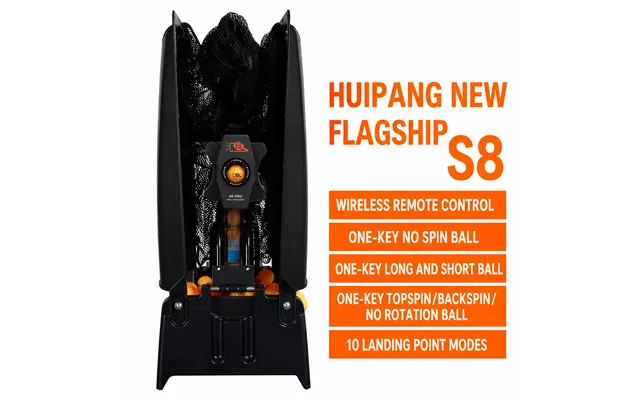
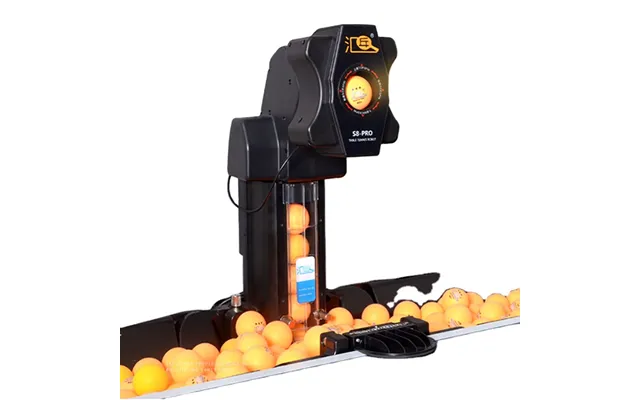
The Huipang S8-pro listings are described as automatic or full-automatic table tennis serving machines. One listing also describes the product as a programmable table tennis trainer, while the other refers to a remote control and a ball launcher. These descriptions point toward a training-focused device intended for structured practice.
Practice becomes easier to organize when the next ball arrives without a human server. You can focus on your stroke, footwork, or reaction instead of coordinating every serve with a partner. Think of the robot as a metronome for table tennis: it helps create a rhythm that lets you concentrate on one part of your game at a time.
Of course, a robot does not replace every kind of practice. Live opponents create changing tactics and unpredictable decisions. Still, a serving machine can complement regular games by giving you a consistent way to repeat specific movements.
The reference data includes two Huipang S8-pro products. Both are listed on Alibaba and both are priced close to $300, making them the primary robot options in this comparison. Their titles and descriptions suggest that they belong to the same general product family, although each listing uses slightly different wording.
The first listing is titled “Huipang S8-pro Table Tennis Robot Remote Control Automatic Ping Pong Serving Machine Club Training Ball Launcher With Ne.” Its listed price is $298. The description says, “1M new products. Exclusive perks up to us 500 off,” as provided in the reference data. Because the listing text is abbreviated, shoppers should review the complete product page for any specifications that are not included here.
The product title highlights several features: remote control, automatic serving, club training, and ball launching. Those terms may appeal to players who want a machine that fits into a dedicated practice routine. However, the available data does not specify the number of serving modes, ball capacity, speed range, spin settings, or included accessories.
The second listing is titled “Huipang S8-pro Robot For Table Tennis Serving Robot Machine Full-automatic Programmable Table Tennis Trainer Ping Pong R.” Its listed price is $295, and it is also shown on Alibaba. The description contains the same wording about “1M new products” and “Exclusive perks up to us 500 off.”
This listing emphasizes full-automatic operation and programmability. Those words may be especially relevant if you want practice sessions that follow a planned pattern. The reference data does not provide additional technical details, so it would be unwise to assume that this version has settings not explicitly stated in the listing.
At the listed prices, the second Huipang S8-pro offer is $3 less than the first. Both products are associated with Alibaba, and both have titles describing automated table tennis training. One title places more emphasis on remote control and club training, while the other highlights full-automatic operation and programmability.
That small price difference may not be the most important factor. Instead, compare the complete listings carefully. Are the controls clearly explained? Does the listing identify what comes with the machine? Are the operating instructions available? These questions matter because a training robot is only useful when its functions match your practice goals.
If remote control is the feature that catches your attention, the first listing places it directly in the product title. If programmable training is more important to you, the second listing highlights that capability. The reference data does not confirm how the two machines differ in practice, so the safest approach is to use those title distinctions as starting points rather than final conclusions.
Price can help narrow the choice, but it should not be the only filter. A few dollars may matter less than the controls, setup requirements, and included equipment described on the individual listing. Always compare the full information before deciding.
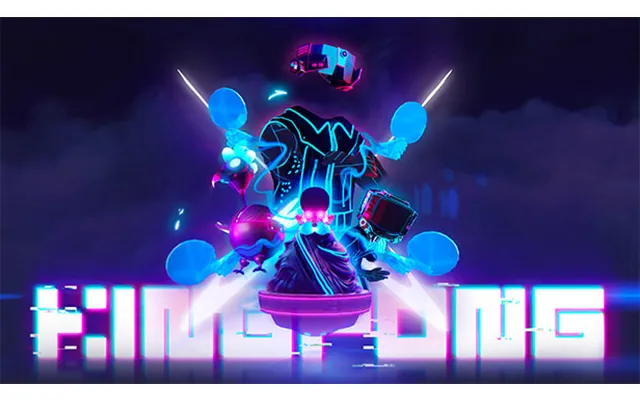
The third offer is King Pong, listed on Yuplay for $2.39. Unlike the Huipang products, it is described as a game rather than a physical ball-serving machine. The listing says that gameplay is simple and fun, that once the player hits the ball it always reaches the table, and that the games become sustained and tactical. It also mentions surprising an opponent.
King Pong may therefore suit someone looking for a digital or game-based ping pong experience rather than a physical training robot. Its listed price is much lower than the Huipang machines because the products serve different purposes. Comparing them is a little like comparing a tennis video game with a real practice court: both relate to the sport, but they offer different ways to engage with it.
King Pong could appeal to players who enjoy simple gameplay and tactical exchanges. The listing’s description focuses on extended games and surprising an opponent, suggesting that decision-making and sustained play are central to the experience.
The available reference data does not identify the platform, system requirements, supported devices, or multiplayer details. If any of those factors are important to you, check the full Yuplay listing before purchasing. The $2.39 price is the only listed price detail available in the supplied data.
The best option depends on what you want to do. A physical robot is designed to send balls toward you for table tennis practice. A digital game offers a virtual or game-based way to enjoy ping pong. Neither is automatically better; they simply answer different needs.
Choose a robot if you want repeated physical hitting practice and already have access to the necessary table tennis setup. Choose a game if you want a low-cost way to enjoy tactical ping pong gameplay without focusing on physical equipment. Asking yourself one simple question can help: do you want to train your body, play a digital match, or do both?
The Huipang S8-pro listings are the more relevant choices for structured physical practice because their titles describe serving machines and table tennis trainers. You may be able to build drills around repeated balls, although the reference data does not confirm specific modes or settings.
A useful practice mindset is to keep each session focused. Work on one stroke or movement pattern at a time instead of trying to improve everything at once. Repetition can act like a spotlight, showing you where your technique feels stable and where it breaks down.
King Pong may be more suitable when you want a simple, fun game with sustained and tactical exchanges. The listed description centers on gameplay rather than equipment or training functions. It may be a convenient alternative for someone who wants a ping pong-themed experience in a different format.
Product titles can be helpful, but they rarely tell the whole story. When reviewing a table tennis robot, look beyond phrases such as automatic, programmable, or remote control. Check whether the complete listing explains setup, controls, supported ball types, practice patterns, and included components.
The supplied data does not provide those specifications for either Huipang listing. That does not mean the features are absent; it means they are not confirmed in the information available here. A careful comparison keeps confirmed facts separate from assumptions.
Some buyers may want a personal practice tool, while others may be considering equipment for a club or shared training space. The first Huipang title includes the phrase “club training,” but the reference data does not provide further information about club use. Treat that wording as part of the product title, not as a guarantee that the machine meets every club requirement.
Think about where you will use the robot and how often. A machine that fits your space and practice habits is more valuable than one with an impressive-sounding title that does not match your routine.
The first Huipang listing mentions a remote control, and the second mentions programmability. Those details may influence how convenient the machine feels during practice. Yet the reference data does not explain the control layout, programming process, or available patterns.
When you inspect the full offer, look for clear explanations and images of the controls. The easier it is to understand the operating process before buying, the easier it is to judge whether the product suits your level and goals.
The two Huipang S8-pro offers are listed at $298 and $295. King Pong is listed at $2.39. These prices come directly from the reference data, but no regular prices are provided for the offers. The data also does not confirm final costs, taxes, or any other charges.
The Huipang descriptions mention “Exclusive perks up to us 500 off,” but the supplied data does not explain the conditions, eligibility, or application of that wording. It should not be treated as a confirmed discount on either specific product. Check the individual listing for current terms before relying on any promotional statement.
A lower price does not necessarily mean a product is a better value. A physical robot and a digital game have different uses, so their prices cannot be compared as if they were identical products. The right question is not simply “Which costs less?” but “Which option gives me the experience I actually want?”
For the Huipang listings, the $3 difference is relatively small compared with the importance of the functions and details you may need. For King Pong, the $2.39 price places it in a completely different product category within this comparison.
If you choose a robot, set a clear purpose for every session. You might focus on keeping your racket angle steady, moving into position, or building confidence with repeated returns. Short, intentional drills can be more useful than simply hitting until you feel tired.
Use a simple progression: begin with comfortable returns, then increase the challenge when your movement feels controlled. A robot can provide repetition, but you still need to watch the ball, stay balanced, and adjust your technique. The machine supplies the rhythm; you supply the judgment.
Repetition can become dull if every session feels identical. Add variety by changing your goals rather than assuming the machine has specific settings that are not confirmed in the listing. For example, count successful returns, focus on placement, or alternate between forehand and backhand work according to your own plan.
If you are practicing with another person, take turns observing technique and offering simple feedback. Even when the robot provides the balls, a human practice partner can help you notice posture, timing, and movement habits.
ZoneOffer brings the listed offers together so you can review product names, descriptions, prices, and stores in one place. In this selection, you can compare two Huipang S8-pro listings from Alibaba with King Pong from Yuplay.
Because ZoneOffer is a comparison site rather than a store, it does not replace the individual product page. Use the comparison information as your first step, then review the seller’s complete listing for details that are not included in the reference data. This approach helps you make a more informed choice without confusing a comparison page with a retailer.
The current ping pong selection includes two Huipang S8-pro automatic table tennis robot listings on Alibaba, priced at $298 and $295, plus King Pong on Yuplay at $2.39. The Huipang products are aimed at physical serving and training, while King Pong offers a simple, sustained, tactical game experience. Compare the purpose, confirmed features, and full listing details rather than looking at price alone. With the right match between product and goal, your next ping pong session can feel less like random practice and more like a clear path forward.