


Billiard Cue Accessories price list
Last updated Thursday, Nov 12, 2026

View 11 Offers
Loading...
Last updated Thursday, Nov 12, 2026
Your cue is more than a piece of equipment. It is the tool that helps you control speed, spin, and direction on the table. Whether you play casually with friends or spend long sessions practicing your break, protecting that cue can make a real difference. A suitable case keeps your billiard gear together and gives you a simpler way to carry it from one game to the next.
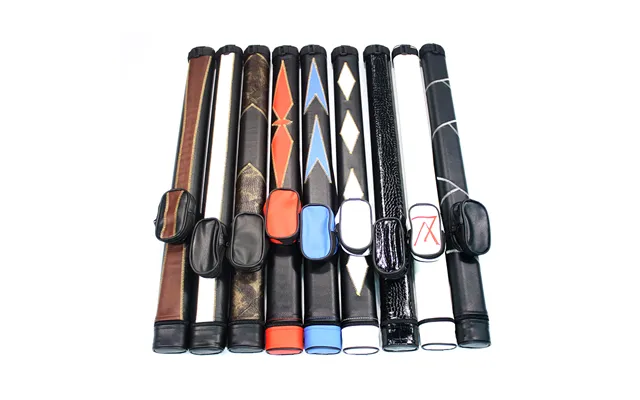
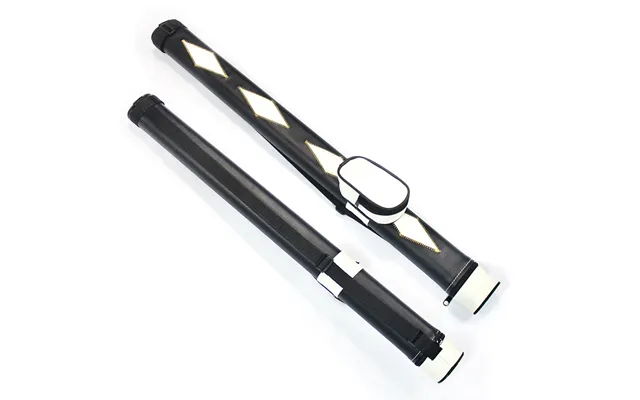
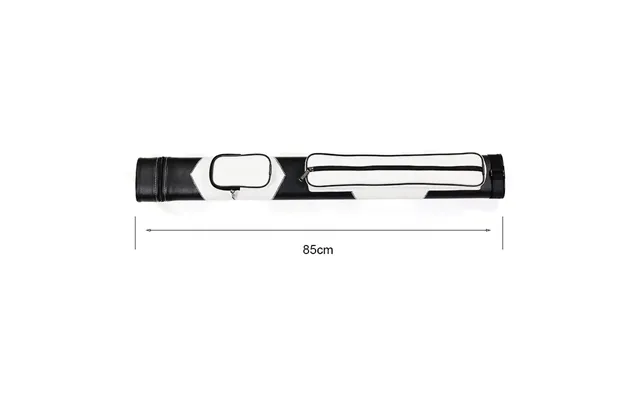
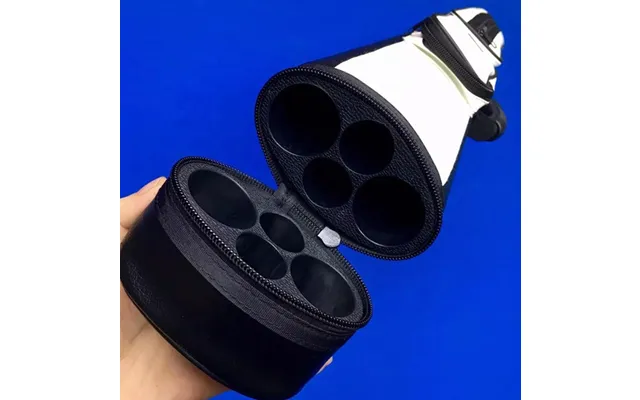
In the reference selection, two billiard cue case offers stand out: the Factory Price PU Leather 1/2 Billiard Pool Cue Bag Billiard Case and the Wholesale Cheap Price Billiard Snooker 1/2 PU Leather Pool Cue Case Bag. Both listings are shown at $4.00 through Alibaba. They are designed around a 1/2 cue case format and use PU leather as the listed material.
This guide explains what these listings offer, how cue cases fit into a wider billiard accessory setup, and what you should consider before choosing one. Think of a cue case as a travel jacket for your cue: it helps organize your equipment while making transport more convenient.
Pool cues are built for controlled performance, but they still need sensible handling between games. Carrying a cue without a dedicated case can make storage awkward and may leave the equipment exposed to everyday knocks, dust, or clutter. A case creates a clear boundary between your cue and the rest of your gear.
A case can also help you keep your setup organized. Instead of carrying separate pieces in your hands, you can place compatible cue sections together in one bag. That simple habit can make preparation feel less rushed. When your equipment has a designated place, you spend less time searching and more time focusing on the table.
The main appeal of a cue case is its combination of protection and portability. It is not a replacement for careful handling, but it can offer a practical layer between your cue and the outside environment. It also helps you transport a cue in a more structured way, especially when moving between home, a billiard room, and other playing locations.
Because the listed products are described as 1/2 cue bags or cases, shoppers should consider whether that format matches the way their cue is assembled. The listing data identifies the products as 1/2 models, so checking compatibility before purchase remains important.
The reference data includes two closely related listings. Both are presented as billiard or pool cue cases made from PU leather, and both are associated with Alibaba. Each has a listed price of $4.00. The similarity between the offers may make it useful to compare their wording, intended use, and purchasing requirements before deciding.
The first listing is titled “Factory Price Pu Leather 1 2 Billiard Pool Cue Bag Billiard Case For Sale.” It is listed at $4.00 on Alibaba. The title identifies it as a PU leather bag or case for a 1/2 billiard pool cue format.
The offer description states “1M new products” and mentions “Exclusive perks up to us 500 off.” Because this wording is supplied as listing data, shoppers should review the offer details on the source listing to understand how those statements apply. The reference data does not provide additional information about quantities, eligibility, shipping, or final purchase conditions.
The second listing is titled “Wholesale Cheap Price Billiard Snooker 1 2 Pu Leather Pool Cue Case Bag For Sale.” It is also listed at $4.00 on Alibaba. Like the first offer, it specifies PU leather and a 1/2 billiard or snooker cue case format.
This listing uses wholesale language in its title and carries the same description about “1M new products” and “Exclusive perks up to us 500 off.” The reference data does not specify a minimum order, so shoppers should not assume that wholesale wording automatically means a particular quantity or buying requirement. Confirm those details through the source listing before ordering.
At a glance, the two offers have several similarities. Both list a $4.00 price, both appear on Alibaba, and both describe PU leather 1/2 cue cases. The main difference is how each title positions the item. One emphasizes a factory price and pool cue bag wording, while the other highlights a wholesale cheap price and includes billiard snooker terminology.
Those title differences may help you identify the listing that best matches your search, but they do not provide enough information to determine which case is better. The reference data does not include dimensions, photographs, interior structure, closure type, padding, color options, customer reviews, or a detailed materials breakdown.
That is why a careful comparison matters. Price can be the first filter, but it should not be the only one. A case needs to fit your cue format and suit the way you plan to carry and store your equipment.
The available information confirms the product category, the listed material, the 1/2 format, the listed store, and the displayed price. It also provides the wording used in each offer’s description. These are useful starting points for comparison, but they are not a complete specification sheet.
Before making a decision, look for the case’s exact dimensions, internal capacity, closure design, handle or strap details, and any information about padding. You may also want to check whether the case is intended for a particular cue construction. Since those details are not included in the reference data, they should be confirmed directly on the relevant listing.
A 1/2 cue case generally refers to a case designed around a cue that separates into two main sections. However, product terminology can vary between listings, so you should treat the title as a starting point rather than a complete fit guarantee.
Why does this matter? A cue case can look suitable in a product photo yet fail to accommodate the exact length or configuration of your equipment. Matching the case to your cue is like matching a phone to its protective cover: the general category helps, but the precise fit is what makes the item useful.
Review how your cue comes apart and compare that arrangement with the product information. If the listing provides measurements, use them. If it does not, look for additional specifications or ask the seller for confirmation. This is especially important when the title uses compact terms such as “1/2,” because that label may not answer every fit question.
You should also consider whether you plan to carry only the cue or additional accessories. A narrow case may suit a simple setup, while a larger design may be more appropriate if you want room for items such as chalk, a glove, or a tip tool. The reference data does not confirm the internal capacity of either featured case, so do not assume that accessories will fit.
Both featured listings identify PU leather as the case material. PU leather is commonly used in accessories because it can provide a leather-like appearance while supporting a practical, easy-to-carry design. For many shoppers, the appeal is the balance between appearance and everyday usability.
Still, the phrase “PU leather” alone does not tell you everything about a case. It does not confirm the thickness, lining, stitching, padding, or resistance to wear. Those construction details can affect how a case feels and performs over time, so review any available product specifications before buying.
The outside of a cue case is only one part of the product. A useful case may also depend on its internal compartments, fasteners, seams, and carrying points. Consider how you will use it: Will it sit in a closet, travel in a vehicle, or move frequently between playing locations?
Everyday convenience often comes from small design choices. A secure closure can help keep equipment in place, while a comfortable handle or shoulder strap can make carrying easier. Since these features are not confirmed in the reference listings, treat them as questions to investigate rather than assumed benefits.
A cue case is one part of a broader billiard accessory collection. Other commonly considered accessories include chalk, cue gloves, tip tools, cue cleaners, racks, and storage solutions. Each item serves a different purpose, but the best setup is usually the one that matches your playing habits.
For example, chalk is associated with cue tip contact, while a glove may be chosen for a smoother bridge hand movement. A tip tool can support routine cue maintenance, and a rack helps organize balls before play. These categories are relevant when planning your equipment, but the reference data provides product details only for the two featured cue case listings.
Start with the accessory that solves your most immediate problem. If transporting and organizing your cue is difficult, a case may be the sensible first step. If your case already works well, you might then consider maintenance accessories. There is no need to build an oversized kit when a focused setup does the job.
Compatibility matters across your entire setup. A case should match your cue configuration, while maintenance tools should suit the type of cue tip and equipment you use. Avoid choosing accessories based only on appearance. Ask what problem each item solves and whether it fits your actual routine.
Both reference listings show a price of $4.00, so price alone does not separate them. When two products appear similarly priced, shift your attention to fit, construction, capacity, and listing clarity. A lower displayed price is useful only when the product also meets your needs.
Read the full listing carefully and compare the available specifications. Check whether the title, images, and description agree. Look for information about the cue format, measurements, material, and included features. If important details are missing, that uncertainty should become part of your decision.
It is also wise to distinguish between a displayed listing price and your final purchase cost. The reference data supplies the listed price but does not provide shipping charges, taxes, minimum order requirements, or other purchasing terms. Review the source listing for those details before placing an order.
Ask yourself five practical questions: Does the case fit my cue? Is the material clearly identified? Does the case have enough room for my intended gear? Are the carrying and closure features suitable? Are the final purchasing terms clear? These questions can turn a quick product search into a more informed comparison.
ZoneOffer is a comparison site, not a store. Its role is to help shoppers review available offer information, while the source listing remains the place to confirm current product details and purchasing conditions. This distinction matters because prices, descriptions, and seller terms can change.
When you find an offer that interests you, use the comparison information as a starting point. Then inspect the source listing for the latest specifications. Do not rely on a product title alone, particularly when the title includes promotional or wholesale language that may require further explanation.
A thoughtful shopping process is not complicated. Identify the product type, compare the available listings, verify fit and specifications, and confirm the final terms before buying. That approach helps you avoid surprises and makes it easier to choose equipment that suits your playing style.
Once you choose a case, basic care can help keep it looking presentable. Store it in a clean, dry area and avoid placing heavy objects on top of it. Keep sharp items away from the outer surface, since accessories with hard edges can mark or scratch a bag.
Use gentle cleaning methods appropriate for the material, and review any care instructions supplied with the product. Do not assume that every PU leather surface responds the same way to household cleaners. A cautious approach is better than using a harsh product that may damage the finish.
Before closing the case, make sure the cue sections are positioned properly and that loose accessories are not pressing against them. If the case has separate compartments, use them as intended. Avoid overfilling the bag when its capacity has not been confirmed.
Good storage habits support the case’s main purpose: keeping your billiard equipment organized during transport and between sessions. The case cannot replace careful handling, but it can make careful handling easier.
The best cue case is not necessarily the one with the most impressive title. It is the one that fits your cue, supports your routine, and provides the features you actually need. The two featured Alibaba offers may appeal to shoppers looking for PU leather 1/2 cue cases at a listed price of $4.00, but the reference information does not establish which one is the better choice for every player.
Think about your normal day at the table. Do you carry one cue section or several pieces? Do you need room for accessories? Will the case be stored most of the time, or carried frequently? Your answers can guide your priorities more effectively than a generic product label.
Take a few minutes to verify the details that matter most. A careful check now can save you from choosing a case that looks suitable but does not match your equipment. In billiards, small differences can affect the experience, and the same is true when selecting accessories.
The featured billiard cue accessory offers provide two PU leather 1/2 cue case options listed at $4.00 through Alibaba. One is presented as a factory-price billiard pool cue bag, while the other uses wholesale and billiard snooker wording. Since the available data does not confirm dimensions, padding, capacity, or purchasing terms, compare the listings carefully and verify those details before buying. With the right fit and practical features, a cue case can become a simple but valuable part of your billiard setup.