

Yoga & Pilates Blocks price list
Last updated Saturday, Oct 17, 2026




View 6 Offers
Loading...
Last updated Saturday, Oct 17, 2026
A yoga or Pilates block can turn a difficult pose into a manageable one. Think of it as an extra hand: it brings the floor closer, supports your balance, and helps you explore movement without forcing your body into uncomfortable positions. Whether you are building a home practice, teaching classes, or looking for useful fitness equipment, the right block can make every session feel more controlled.
In the current comparison selection, you will find soft high-density EVA foam bricks, solid cork blocks, and a cork block and strap bundle. There is also a yoga card deck designed to add variety to home practice. Prices shown in the listings range from $0.62 for a Home Exercise Equipment Natural EVA Foam Fitness Yoga Block to $32 for the Cork Block And Strap Bundle. Since ZoneOffer is a comparison site, you can use these details to compare options rather than treating ZoneOffer as a retailer.
Blocks are useful because they change the height and support available during an exercise. If your hands do not comfortably reach the floor in a standing forward fold, placing them on blocks can reduce strain and help you maintain a longer spine. In balance work, a block can provide a stable target. During seated stretches, it may also help you sit more comfortably.
For Pilates-inspired movement, a block can offer feedback about alignment and body position. It may help you notice whether your hips are level or whether your shoulders are drifting forward. The block does not do the work for you; instead, it acts like a quiet coach that encourages better awareness.
Flexibility develops gradually. A block lets you adjust an exercise to suit your current range of motion instead of pushing toward a position your body is not ready to hold. That makes it easier to focus on breathing, posture, and smooth movement.
Try thinking of the block as a bridge rather than a shortcut. You are still practicing the pose, but you are using a more comfortable route to reach it. Over time, you may choose a lower height or remove the support when your alignment and mobility improve.
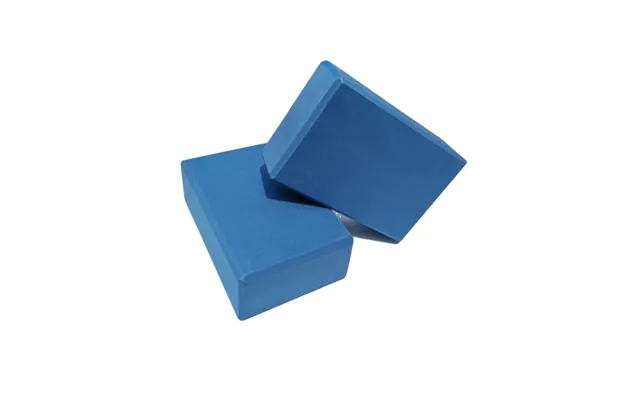
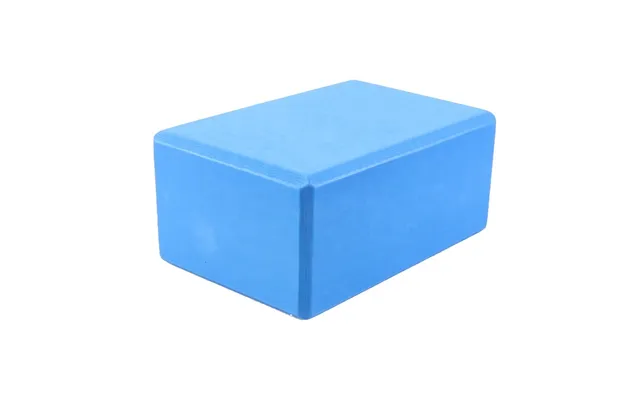
The reference selection includes two EVA foam options from Alibaba. The Premium Soft Eco-friendly Yoga Brick High-density Natural EVA Foam Fitness & Yoga Home Exercise Equipment is listed at $0.90. The Home Exercise Equipment Natural EVA Foam Fitness Yoga Block Premium Soft Yoga Brick is listed at $0.62.
Both listings describe EVA foam and identify the blocks as soft or premium soft. That type of design can appeal to beginners, home users, or anyone who prefers a lighter-feeling support tool. Foam blocks are often easy to position quickly during a flowing routine, although the reference data does not provide product weights or exact dimensions for these two listings.
Foam can be appealing when you want a block that feels gentle against the body. It may work well for seated poses, supported stretches, or routines where you frequently move equipment from one side of the mat to the other. A soft surface can also feel more approachable if you are new to yoga.
Before choosing, consider how you plan to use the block. A gentle foam brick may suit relaxed stretching, while a firmer option may feel more reassuring for weight-bearing positions. The listings describe these products as high-density or premium soft EVA foam, but the reference data does not include independent performance testing, ratings, or user reviews.
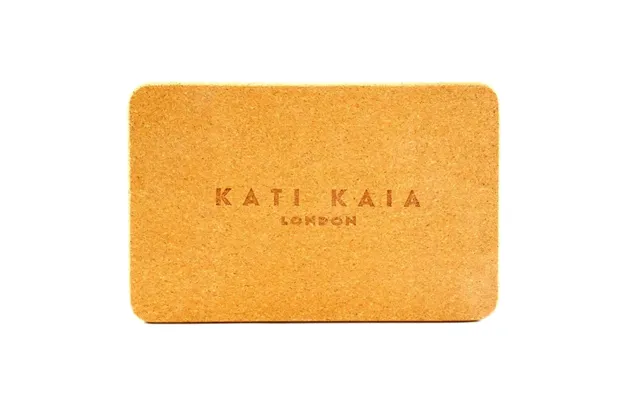
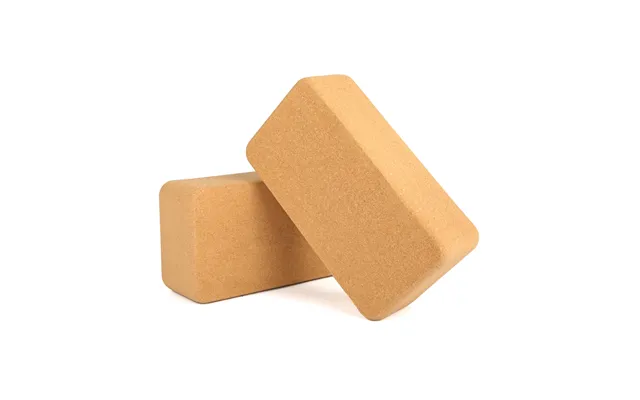
The Natural Cork Yoga Block from Kati Kaia is listed through Cerqular at $26.70. Its description identifies it as a 100% natural cork yoga block made with sustainable, fine-grain cork material. The listing also describes high density, firmness, an easy-to-grip textured surface, and comfortable contoured edges.
Cork has a distinct feel compared with foam. Its firm structure can provide a grounded platform for standing poses, transitions, and balance practice. The textured surface may also make the block feel secure in the hands, although how it feels can depend on your grip, the room, and the intensity of your practice.
The Natural Cork Yoga Block is listed at 22 by 15 by 7.5 centimeters. Converted to imperial measurements, that is approximately 8.7 by 5.9 by 3 inches. These dimensions can give you a useful sense of the block’s footprint and height when comparing it with other equipment at home.
The listing also highlights contoured edges. Rounded or shaped edges can make a block more comfortable to hold, especially when you use it for support in seated or standing positions. Still, the best fit depends on your hand size, preferred grip, and the poses in your routine.
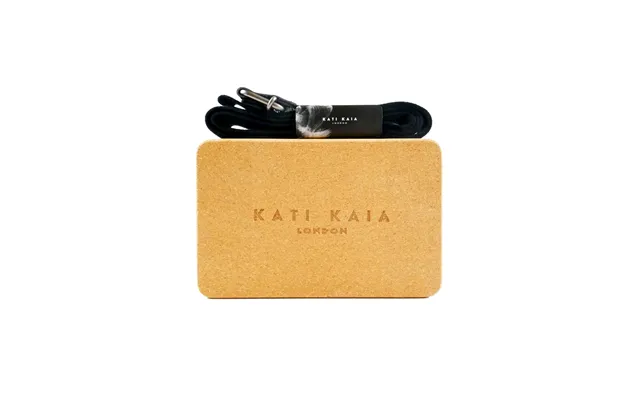
If you want more than a single block, the Cork Block And Strap Bundle from Kati Kaia is listed through Cerqular at $32. The description says the kit includes cork yoga blocks, yoga mat straps, and other yoga accessories. It also emphasizes grip and ease of use for deepening stretches and supporting asana practice.
A strap can complement a block in a simple way. The block changes height, while the strap can help you extend your reach or maintain a connection between your hands and feet. Together, they create more ways to modify a pose. You might use the block under one hand and the strap around your feet, for example, when exploring a seated stretch.
A bundle may be convenient if you are starting from scratch and want several accessories in one purchase. It can also suit someone who already knows that straps are useful in their practice. The reference data does not specify the exact number of blocks, strap length, or complete accessory list, so review the individual listing carefully before making a decision.
At $32, the bundle costs more than the individual Natural Cork Yoga Block listed at $26.70. That difference may be worthwhile if the included accessories match your needs. If you only want one firm support, the standalone block may be the simpler comparison.
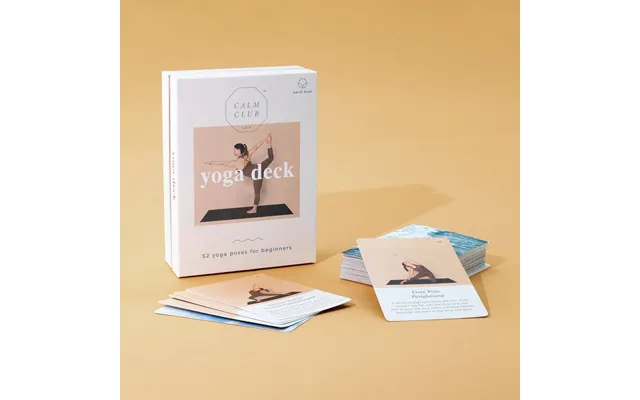
The Calm Club - Yoga Deck is listed from Kati Kaia through Cerqular at $20. It is not a block, but it can work alongside yoga and Pilates equipment by helping you plan a home session. The description presents it as a deck of illustrated cards featuring easy-to-follow asana poses.
The listing mentions 50 illustrated cards, while the kit details refer to a deck of 52 yoga cards. Because the reference includes both figures, shoppers should check the product page for the final contents. The description also says the product uses 100% recyclable packaging, is plastic free, and is recyclable.
Repeating the same routine can feel like watching the same episode every night. A pose deck offers a simple way to introduce variety. You can select a few cards for a short session, create a sequence around a particular goal, or use the illustrations as reminders when you are still learning pose names.
The description positions the deck as approachable for beginners and says Kati Kaia supports mental health charities by donating a percentage of profits to good causes. The reference data does not specify the donation percentage or the charities involved, so those details should not be assumed beyond the listing description.
Your choice comes down to the feel, firmness, and type of support you want. The EVA foam listings may appeal if you are looking for a soft yoga brick at a lower listed price. The Natural Cork Yoga Block may be better suited to shoppers who prefer firm, textured, natural cork support.
Ask yourself a few practical questions. Do you want a block for gentle stretching, or do you expect to place significant weight through your hands? Do you prefer a softer surface or a solid platform? Will you carry the block often, or will it stay in a home practice area? These questions can narrow the field quickly.
For slower sessions, a comfortable block can support longer holds. For balance-focused work, firmness may feel more reassuring. If your routine changes frequently, a bundle with a strap may give you more options than a single block. There is no universal winner; the best choice is the one that fits the way you actually move.
You should also consider how much equipment you already own. Buying another accessory can be useful when it fills a clear gap, but it may add clutter if you already have similar tools. A simple inventory of your mat, straps, blocks, and other props can prevent unnecessary duplication.
Start with the block at its highest and most supportive position when you are learning an exercise. Place it on a stable surface and make sure it does not wobble before transferring weight onto it. Move slowly, keep your breathing steady, and stop if you feel sharp pain rather than normal stretching sensation.
For standing poses, position the block where you can reach it without collapsing your chest or twisting awkwardly. In seated stretches, use it to raise your hips or support your hands. In balance work, keep the block close enough to use as a guide, but do not rush into a pose simply because the prop is available.
A block should improve your control, not encourage you to chase a deeper shape. Imagine laying train tracks for your movement: the block helps keep your body traveling in a steady direction. If your alignment becomes unstable, change the height or choose a gentler variation.
Beginners may benefit from practicing near a wall or another stable support, especially during balance exercises. If you have an injury, medical condition, or significant pain, seek guidance from a qualified professional before adding new exercises to your routine.
The reference offers a broad price range. The Home Exercise Equipment Natural EVA Foam Fitness Yoga Block is listed at $0.62, while the Premium Soft Eco-friendly Yoga Brick is listed at $0.90. The Wholesale High-density Solid Yoga Gymnastics Exercise Brick 3x6x9 Cork Yoga Blocks is listed at $2.30.
The standalone Natural Cork Yoga Block is listed at $26.70, the Calm Club - Yoga Deck at $20, and the Cork Block And Strap Bundle at $32. These amounts are the prices supplied in the reference data. The Alibaba descriptions mention exclusive perks of up to $500 off, but the reference does not state that a specific offer applies to each listed item, so shoppers should verify any promotion before purchasing.
A low listed price may be attractive, but the right comparison also includes material, intended use, product dimensions when available, and whether accessories are included. A single cork block and a multi-item bundle serve different purposes. Comparing them only by price would be like comparing a single shoe with a full gym bag.
Availability, shipping costs, taxes, and final checkout totals are not provided in the reference data. Check the relevant retailer listing for current terms and product information before placing an order. ZoneOffer helps you compare the available entries; it does not operate as the store selling them.
Try placing one block beneath each hand during a supported forward fold. Keep your knees comfortably bent and focus on length through your back. You can also use a block beneath your seat in a cross-legged position if sitting directly on the floor feels difficult.
For a balance drill, stand near a stable support and place one hand on a block. Practice shifting your weight gradually rather than jumping into the final position. If you use the cork block, notice how the firm surface feels under your hand. If you use a foam option, pay attention to how the softer material changes your sense of support.
With a strap, you can explore seated hamstring stretches without forcing your shoulders forward. Sit tall, loop the strap around your feet, and hold the ends gently. A block can support your hands or help raise your hips. Keep the movement calm and avoid pulling aggressively.
The Cork Block And Strap Bundle is specifically described as an accessory kit for support and alignment. Even so, use each item according to your comfort level. A prop should make a movement clearer and more manageable, not turn a gentle practice into a contest.
Choose one of the listed EVA foam bricks if your priority is a soft yoga brick and a low listed price. Consider the Natural Cork Yoga Block if you prefer high-density cork, firmness, a textured grip, and contoured edges. The Cork Block And Strap Bundle may suit you if you want a broader accessory kit for stretching and alignment.
If you are looking for inspiration rather than another physical prop, the Calm Club - Yoga Deck offers illustrated pose cards for home practice. You can also combine it with a block to create a more structured routine. The Wholesale High-density Solid Yoga Gymnastics Exercise Brick 3x6x9 Cork Yoga Blocks, listed at $2.30, may interest shoppers comparing cork brick options, though the reference does not provide additional details about quantity or packaging.
Yoga and Pilates blocks are small tools with a surprisingly large role. Foam bricks can offer soft, accessible support, while cork can provide a firm and textured foundation. A bundle adds versatility with a strap, and the Calm Club - Yoga Deck can help keep home sessions fresh. Compare the listed materials, dimensions, accessories, and prices, then verify the retailer’s current information before buying. With the right support, your practice can feel less like reaching for the floor and more like building a steady path toward better control.