

Volleyballs price list
Last updated Saturday, Nov 28, 2026


Loading...
Last updated Saturday, Nov 28, 2026
Choosing the right volleyball can make practice feel more productive and games feel more enjoyable. Whether you are preparing for a middle school entrance exam, building basic skills, or looking for a practical ball for competition, the right design matters. A volleyball is more than a round piece of equipment. It is the teammate you serve, pass, set, and attack hundreds of times.
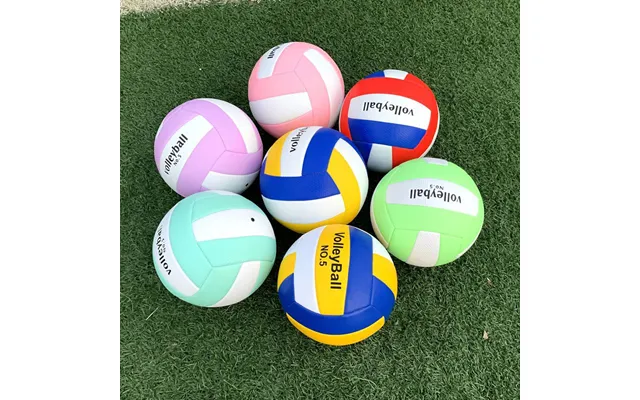
In the current comparison data, one notable option is a Size 5 machine-sewn thickened universal volleyball listed by Voghion. Its listed price is $9.89. The product is described for middle school entrance exam training and competition, making it relevant for players who want one ball for structured practice and game preparation.
This guide explains what to look for in a volleyball, how Size 5 relates to common playing needs, and how to think about construction, training value, and price. ZoneOffer is a comparison site, so it helps shoppers review product information rather than acting as the store itself.
A volleyball affects nearly every part of your session. It influences how a pass feels against your forearms, how comfortably you can control a set, and how predictable the ball seems during a serve. When the ball feels consistent, you can focus more on technique and less on adjusting to equipment.
Think of your volleyball as the canvas for your skills. If the surface, construction, or size does not suit your activity, small frustrations can build quickly. A player may blame a serve or reception when the real issue is simply using equipment that does not match the intended training purpose.
That does not mean you need the most expensive volleyball available. A practical option with a suitable size and construction can be enough for learning, repetition, and organized play. The key is to match the ball with your goals instead of choosing based on appearance alone.
The featured product is titled “5 Size For Middle School Entrance Exam Training And Competition - Machine-sewn Thickened Universal Volleyball Wholesale.” It is associated with the voghion brand and store, and the listed price is $9.89.
Based on the supplied description, this volleyball is positioned for middle school entrance exam training and competition. That makes it especially relevant to players who need a ball for repeated skill work, drills, and preparation sessions connected with school-level volleyball activities.
The product is also described as machine-sewn, thickened, and universal. These details offer useful clues about its intended design, although they should not be treated as a guarantee of performance in every environment. Before choosing any volleyball, consider where you plan to use it, who will use it, and how often it will be handled.
Size 5 is a familiar volleyball size for many standard playing situations. For shoppers, the main benefit of seeing the size clearly in the product title is simple: it helps you compare the ball with the equipment expected for your training or competition setting.
If you are preparing for a middle school entrance exam, checking the expected ball size for your specific program is a smart step. Requirements can vary by organization, so the product title alone should not replace any instructions provided by a school, coach, or event organizer.
Size also matters for younger athletes. A ball that feels too large or difficult to control may make learning less comfortable. On the other hand, a suitable size can help a player develop a more natural relationship with passing, setting, serving, and movement.
The featured volleyball is described as machine-sewn. This refers to the way its outer panels are joined during production. For shoppers, machine-sewn construction can be an important comparison point because it distinguishes the ball from products made with other panel-joining methods.
Construction is worth considering because volleyballs experience frequent contact. They may strike forearms, hands, floors, nets, and outdoor surfaces during normal use. A ball intended for repeated training should be evaluated with attention to how it is made, not only how it looks in a product image.
Still, the term “machine-sewn” does not tell you everything. It does not by itself confirm how a ball will feel, how long it will last, or whether it is suitable for every playing surface. Those questions depend on the complete product information and your intended use.
During practice, consistency is valuable. You want the ball to respond in a reasonably familiar way each time you pass or serve. A clearly described construction can make comparison easier, particularly when you are reviewing several volleyballs with different manufacturing details.
For a student preparing for an entrance exam, a dependable practice routine may matter more than a premium-looking design. Repeating the same movement with the same ball can help you notice changes in your technique. The ball becomes a reference point, much like a metronome for a musician.
The featured product is described as a thickened volleyball. This wording suggests that the design emphasizes a thicker construction, but the reference data does not provide additional technical measurements or performance testing. Therefore, shoppers should view the term as a product description rather than a promise of a specific result.
A thicker design may sound appealing to players who expect regular practice and repeated contact. However, comfort and handling are personal. One player may prefer a particular feel, while another may want a softer or lighter touch during beginner drills.
If you are comparing options, use the thickened description alongside the size, intended use, and construction details. No single feature tells the whole story. Buying a volleyball is a little like choosing a pair of running shoes: the label helps, but the best match depends on how and where you plan to use it.
The listed volleyball is specifically described for middle school entrance exam training and competition. That focus makes it a relevant option for students who are building fundamental skills and practicing under structured conditions.
Training for an exam often involves repetition. You may practice serving from the same area, perform passing drills, work on controlled sets, and rehearse movement patterns. A volleyball used consistently through these sessions can help you concentrate on form rather than constantly adapting to different equipment.
Parents and students can also use the product description as a starting point for discussion with a coach. Ask what ball size is expected, what type of surface will be used, and whether the training environment is indoors or outdoors. Those details can help you decide whether this universal volleyball fits the session you have in mind.
You do not need a complicated plan to make useful progress. Begin with controlled contacts, focusing on your platform and body position. Move to serving practice, then add passing or setting drills that require you to direct the ball toward a target.
Keep your goals specific. Instead of simply saying, “I want to improve,” try focusing on cleaner passes, more consistent serves, or better movement before contact. A clear goal turns practice from random repetition into a path with visible milestones.
Use short breaks to assess how the ball feels and how your technique is changing. Are you reaching instead of moving your feet? Are you contacting the ball too high or too low? A training volleyball is most useful when it supports thoughtful practice, not just constant motion.
The supplied data describes the item as a universal volleyball, but it does not specify a particular indoor or outdoor rating. If you plan to play in a specific setting, review the full listing and any requirements from your coach or organization before making a decision.
Indoor volleyball typically involves a controlled court environment, while outdoor play can introduce additional conditions such as different surfaces and weather. Even when a product is described as universal, the actual demands of your playing location should guide your comparison.
Consider how the ball will be used day after day. A student practicing in a gym may prioritize a comfortable feel and predictable handling. Someone using a ball casually in several locations may focus more on versatility. Your routine is the map; the volleyball should fit the route.
Price is an important part of comparison shopping, but it should not be the only factor. The featured voghion volleyball has a listed price of $9.89. That gives shoppers a clear starting point when comparing the product with other volleyball options.
Next, examine the product title and description. Here, the key details include Size 5, middle school entrance exam training, competition use, machine-sewn construction, a thickened design, and universal positioning. These details help explain what the seller highlights about the product.
Then consider whether the listed purpose matches your own. A volleyball described for school-level training may be more relevant to a student than to someone seeking specialized equipment for a different playing environment. The best deal is not always the lowest number; it is the option that aligns with your needs without adding features you will not use.
Start by checking the ball size. Confirm that it matches your intended training or competition requirements. Next, review the construction description and note whether the product is machine-sewn or described in another way.
Look for the intended use. Does the listing mention training, competition, recreational play, or a specific age group? These words can help you narrow your search, but always compare them with your own setting.
Finally, review the listed price and seller information shown in the comparison results. Product details can change, so use the current listing information when evaluating your options. ZoneOffer helps bring comparison information together, but it is not the store selling the volleyball.
Beginners benefit from equipment that supports confidence. A volleyball should feel manageable enough for a new player to practice basic contacts without becoming overwhelmed. Size, construction, and intended use all contribute to that first impression.
The featured Size 5 volleyball may appeal to shoppers looking for a general option connected with middle school training and competition. However, each player’s experience is different. A beginner should use guidance from a coach or instructor when deciding what best fits their skill level and playing environment.
Remember that improvement comes from technique, not from equipment alone. The ball can support your progress, but it cannot replace footwork, body positioning, communication, or consistent practice. Even the best training tool works only when you pick it up and use it with purpose.
A volleyball suitable for practice can be used across several foundational skills. Serving teaches control and direction. Passing develops platform stability and movement. Setting encourages soft hands, timing, and awareness of where the ball should go next.
When you practice serving, begin with a repeatable routine. Use the same preparation each time, then focus on contacting the ball cleanly. With passing, keep your attention on moving into position rather than swinging your arms excessively. For setting, work on controlled contact and accurate placement.
These skills connect like links in a chain. A better pass creates a better setting opportunity, and a better set can support a stronger attack. A volleyball used regularly during these drills becomes part of the learning process, helping you identify where your control improves and where more work is needed.
Proper care can help you keep your volleyball ready for practice. Store it in a clean, dry location and avoid leaving it where it may be exposed to unnecessary damage. A simple storage habit can prevent the ball from becoming an afterthought between sessions.
Before practice, look over the surface and general condition. If the ball appears damaged or does not feel right, pause and inspect it more closely. Regular checks are especially sensible when several players share the same equipment.
Follow any care instructions provided with the product listing or packaging. The reference data does not include specific maintenance requirements, so avoid assuming that one care method applies to every volleyball. When in doubt, use the manufacturer’s guidance associated with the item.
This product may be worth considering for shoppers seeking a Size 5 volleyball described for middle school entrance exam training and competition. It may also interest buyers who want a machine-sewn, thickened, universal volleyball at a listed price of $9.89.
It could be a practical starting point for students, families, or training groups comparing basic volleyball options. The product’s stated purpose gives it a clear place in the market, particularly for school-related preparation.
At the same time, shoppers should compare the listing with their exact requirements. If you need equipment for a specialized league, a particular playing surface, or a different age group, check the full specifications before choosing. A thoughtful match is more valuable than a rushed purchase.
Begin with your main goal. Are you preparing for an entrance exam, practicing with a school team, or looking for a general volleyball for repeated drills? Once you know the answer, the product description becomes easier to evaluate.
Next, focus on the facts available in the listing: the Size 5 designation, the machine-sewn construction, the thickened description, the universal positioning, the stated training and competition use, the voghion brand and store, and the listed $9.89 price.
Finally, keep your expectations realistic. Product descriptions help you compare, but they cannot answer every question about personal feel or long-term use. If you need more certainty, review the complete listing details and check the requirements of your coach, school, or competition.
The featured voghion Size 5 volleyball offers a clearly described option for middle school entrance exam training and competition, with machine-sewn and thickened construction highlighted in the listing. Its listed price is $9.89. By comparing size, intended use, construction, and price, you can choose more confidently and find a volleyball that supports your practice goals. Use ZoneOffer as a comparison resource, then review the full product information before deciding which ball belongs in your training bag.