


Pastels price list
Last updated Friday, Nov 6, 2026



Loading...
Last updated Friday, Nov 6, 2026
Pastels offer a direct, expressive way to add color to paper and other creative surfaces. Unlike tools that require a brush, palette, or complicated setup, a pastel can move straight from your hand to the page. That makes this medium appealing to beginners, students, hobby artists, and experienced creators who enjoy bold marks and flexible techniques.
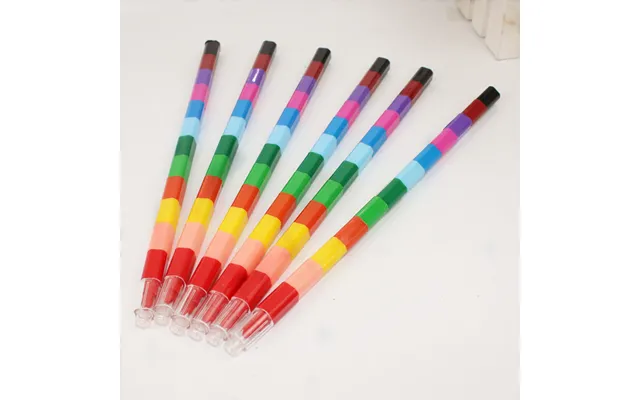
In the current ZoneOffer comparison listing, you can find the Creative Block Coloring Crayon 12 Color Square Crayon Oil Painting Stick Color Pen Color Student Stationery Prizes Whole. This product is listed under the Voghion brand and is shown at a price of $8.41. ZoneOffer is a comparison site, so it helps you review available product information rather than acting as the store itself.
Pastels sit between drawing and painting. You use them like drawing instruments, but their strong color can create the visual impact of paint. This combination gives you freedom to sketch outlines, fill broad areas, blend shades, or build texture without switching between several tools.
Think of pastel as a shortcut from idea to image. You can make a quick mark, soften it, layer another color, and keep developing the picture. The process feels immediate, which is especially useful when you want to experiment instead of spending a long time preparing materials.
Pastels can also suit different creative moods. You might use them for simple coloring, classroom projects, decorative lettering, imaginative scenes, or more structured artwork. The right approach depends on your subject and the effect you want to create.
The featured listing is titled Creative Block Coloring Crayon 12 Color Square Crayon Oil Painting Stick Color Pen Color Student Stationery Prizes Whole. The reference data identifies it as a 12-color square crayon and oil painting stick product intended for coloring and creative use.
The listing describes the item as student stationery and also refers to coloring, crayon use, and oil painting stick applications. That combination suggests a product designed for accessible, hands-on creativity. It may be a practical option for someone who wants a compact selection of colors for drawing or coloring activities.
The listed brand and store are both shown as Voghion in the reference data. The listed price is $8.41. Because product information can change, it is sensible to review the live listing on the comparison results page before making a purchasing decision.
A 12-color set gives you a manageable starting palette. Instead of sorting through a large collection, you can focus on choosing the closest color and then explore layering, mixing, and pressure control. For beginners, fewer colors can make the learning process feel less overwhelming.
A compact set can also work well for school supplies, casual sketching, and creative projects where portability matters. You can begin with the included shades and gradually learn how each color behaves beside another. In art, limitations can act like a set of training wheels: they keep the process simple while you build confidence.
The featured product is described as a square crayon and oil painting stick. A square form can offer more than one type of mark. A broad side may help cover an area, while an edge can create a narrower line. Turning the crayon as you work lets you explore different strokes without changing tools.
Oil painting sticks are generally associated with a rich, solid application of color. When used for drawing or coloring, they can help create strong marks and layered effects. You can press lightly for a softer application or add more pressure when you want a denser mark.
As with any art supply, your results depend on the surface, pressure, angle, and technique you use. Try making short lines, broad blocks, dots, and overlapping strokes on spare paper. A few minutes of testing can show you how to control the tool before you begin a finished project.
If you are new to pastels or oil-style crayons, begin with light pressure. A gentle touch gives you room to add more color later. It also makes it easier to place one shade over another without immediately creating a heavy, solid area.
Try filling a small section with a light layer, then add a second color across part of it. Compare the untouched area with the layered section. This simple exercise helps you see how color placement changes the mood and depth of your drawing.
Layering is one of the easiest ways to make a small color selection feel more versatile. Place one color over another in short strokes, broad strokes, or overlapping shapes. You can create visual variation even when you do not have a separate pastel for every shade.
For example, you could use a lighter color as a base and add a darker color near an edge to suggest depth. You might also place two colors side by side and soften the boundary with another pass. The goal is not perfect blending every time; it is learning how marks interact.
Square crayons offer an opportunity to vary line width. Use an edge for a defined mark and the side for wider coverage. This technique can make a drawing feel more dynamic because it combines narrow details with broad, confident shapes.
Changing the direction of your stroke can also affect the appearance of a surface. Vertical marks may suggest texture, while horizontal strokes can help fill an area evenly. Diagonal lines can add energy to a composition. Why settle for one type of mark when the same tool can produce several?
A 12-color crayon set can support a wide range of approachable projects. Beginners may enjoy simple landscapes, abstract patterns, fruit studies, decorative borders, or colorful lettering. These projects do not require a complex subject, but they encourage you to practice control and color placement.
Students can use coloring crayons for imaginative scenes, classroom art activities, and visual exercises. A limited palette can encourage creative problem-solving: how can you show a shadow without a separate shadow color? How can you make an object stand out using only contrast?
You can also create a series of small studies instead of one large drawing. Make several versions of the same subject using different color combinations. This approach turns practice into a visual experiment and helps you discover which choices you enjoy most.
When selecting a pastel product, consider how you plan to use it. Beginners often benefit from straightforward sets that make it easy to start quickly. A smaller selection can help you concentrate on fundamental skills such as pressure, stroke direction, layering, and composition.
More experienced artists may look for products based on a particular finish, texture, or application style. Some creators prefer delicate marks, while others want bold blocks of color. Since different pastel formats can behave differently, reading the product description carefully is an important part of comparing options.
The featured listing is described as a 12-color square crayon and oil painting stick product. If that format matches your preferred way to work, it may be worth adding to your comparison list. The best choice is not always the biggest set; it is the one that fits your project, habits, and comfort level.
Online comparison works best when you look beyond the product title. Check the listed color count, format, brand, store, price, and description. These details help you understand what is actually being offered and whether it suits your needs.
For the featured item, the reference data lists the brand as Voghion, the store as Voghion, and the price as $8.41. The regular price field is recorded as $0.00, so it should not be interpreted as a confirmed discount or savings figure. The available information supports the listed price, but it does not confirm additional promotions.
It is also wise to distinguish between product facts and personal expectations. A product described for coloring and oil painting stick use may be interesting for many projects, but your final result will depend on your technique and chosen surface. Comparison helps you make an informed choice; practice helps you get the most from it.
A limited palette encourages you to think carefully about relationships between colors. Start by placing the colors side by side and observing which ones feel bright, deep, warm, or cool. You can then decide where each color might work best in a drawing.
Use repeated colors throughout a picture to create unity. For example, a color used in the subject could appear again in the background as a small accent. This simple connection can make a composition feel more organized without requiring a large collection of supplies.
Contrast is another powerful tool. A darker mark beside a lighter area can draw attention to a focal point. Likewise, a brighter color can stand out when surrounded by quieter tones. A dozen colors may seem modest, but thoughtful placement can make them feel surprisingly flexible.
Work from larger shapes toward smaller details. Begin by blocking in the main areas, then add lines, highlights, and texture. This approach helps you avoid spending too much time on details before the overall picture is established.
Keep a spare sheet of paper nearby for testing colors and strokes. It can help you check how much pressure to use before touching the main artwork. This small habit is like checking a map before taking a trip: it can prevent unnecessary mistakes.
Try not to overwork every section. Leaving some visible marks can give a drawing energy and personality. If you keep layering in search of absolute smoothness, you may lose the expressive quality that makes pastel-style work appealing.
The featured product may appeal to people looking for a simple way to explore coloring and oil-painting-stick techniques. Its description specifically references student stationery, making it relevant to learners and casual creators who want an approachable art tool.
It may also suit hobbyists who prefer working with a compact group of colors rather than managing a large assortment. A 12-color set can provide enough variety for practice while keeping the creative process focused and easy to organize.
Ultimately, suitability depends on your personal goals. If you want a beginner-friendly coloring activity, a classroom-style art supply, or a way to experiment with square crayons, this listing may deserve consideration. Review the current offer details so your expectations match the product information.
Pastel drawing can help you become more observant. As you work, you start noticing how colors change beside one another, how pressure affects a mark, and how small details influence the whole image. These lessons can make future creative projects easier and more intentional.
The medium also rewards experimentation. You do not need to begin with a perfect concept or a professional setup. Make a few marks, test a combination, and respond to what appears on the page. The process is more like a conversation than a strict recipe.
If you are comparing options, the Creative Block Coloring Crayon 12 Color Square Crayon Oil Painting Stick Color Pen Color Student Stationery Prizes Whole provides a clearly identified 12-color option at the listed price of $8.41 through Voghion. Use the available details as a starting point, then decide whether the format fits your creative routine.
Pastels make color-focused drawing feel immediate, practical, and enjoyable. The featured Voghion listing offers a 12-color square crayon and oil painting stick product described for coloring and student stationery use, with a listed price of $8.41. Whether you are learning basic techniques or looking for a compact palette for casual projects, thoughtful comparison and regular practice can help you choose and use your art supplies with confidence. ZoneOffer helps you compare product information, while the creative possibilities are yours to explore.