


Laminators price list
Last updated Thursday, Nov 5, 2026




View 5 Offers
Loading...
Last updated Thursday, Nov 5, 2026
A good laminator can turn ordinary documents into cleaner, sturdier, more professional-looking materials. Whether you are protecting signs, organizing classroom resources, preserving reference sheets, or preparing office handouts, the right machine can make everyday tasks feel far easier. But how do you choose one when laminators vary by size, speed, format, and intended use?
This guide explains what to look for when comparing laminators in the United States. It also reviews the product information currently available in the reference data and clarifies where that item fits in the broader office-equipment category. ZoneOffer is a comparison site, so it helps you review listed products and offers rather than selling items directly.
A laminator uses heat, pressure, or both to seal a document inside a protective pouch or film. Think of it as placing a paper document inside a clear shield. The finished piece is more resistant to everyday handling, surface marks, and moisture exposure than an unprotected sheet, although the exact level of protection depends on the materials and machine used.
Laminators are common in offices, schools, home workspaces, libraries, retail environments, and craft rooms. They can be useful for signs, labels, menus, training materials, schedules, flash cards, checklists, and other documents that need to stay readable through repeated use.
Not every laminator suits every task. A compact machine may work well for occasional letter-size documents, while a larger model may be more appropriate for wider pages or frequent workloads. Comparing key specifications helps you avoid choosing a machine that is too limited—or paying for features you may never use.
It also helps to compare the total cost of ownership. The machine is only one part of the purchase. You may also need laminating pouches or rolls, depending on the design. A low upfront price can look less attractive if the supplies are difficult to find or unsuitable for your regular projects.
Start by asking how often you expect to laminate. If you only protect a few pages from time to time, a basic office laminator may be enough. If you prepare documents every day, look for a model designed for more continuous use and a workflow that does not slow you down.
Your typical document size matters too. A machine intended for smaller pages may not handle wider materials. Before comparing listings, identify the largest paper size you normally use. That single detail can quickly narrow your choices.
Laminator features can sound technical, but most are easy to connect to real-world use. The goal is not to collect the longest list of specifications. The goal is to find the features that make your particular jobs easier, more consistent, and less frustrating.
The feed opening determines the maximum width of material the laminator can accept. If your work involves standard office pages, a smaller format may be practical. If you protect posters, wide signs, or larger teaching materials, you will need a machine built for broader documents.
Always consider the finished size, not just the size of the paper. A pouch adds a clear border around the document, and that border needs to fit through the machine. Checking the supported format before purchase can prevent an awkward mismatch.
Many laminators are designed for heated pouch lamination, while some also support cold or pressure-sensitive materials. Heated lamination can be useful for common paper documents, whereas cold options may be worth considering for heat-sensitive items.
Do not assume that every pouch works with every machine. The laminator and pouch need to be compatible. When comparing products, review the supported materials and operating modes shown in the listing rather than relying on appearance alone.
Speed becomes more important when you laminate a stack of documents. A machine that feels perfectly adequate for one or two pages may seem slow during a large project. If productivity matters, compare the stated operating speed and consider how it fits your normal workload.
A smooth workflow involves more than feed speed. Warm-up time, controls, jam-clearing access, and the ability to handle documents consistently can all affect your experience. Simple controls may be especially valuable when several people use the same office equipment.
Different materials may require different levels of heat. Adjustable temperature settings can provide more flexibility, but they also require careful use. Too much heat or an unsuitable setting can affect the pouch or document.
If you prefer a straightforward process, automatic settings may feel more convenient. If you laminate varied materials, more control may be useful. The best choice depends on whether you value simplicity or flexibility more.
Laminating pouches are essential accessories for many pouch laminators. They usually surround the document before it enters the machine, creating a sealed edge around the page. The pouch must match the machine’s accepted format and thickness range.
When comparing pouches, consider the size of your documents, the desired stiffness, and the type of handling the finished item will receive. A frequently used sign may benefit from a more substantial protective finish than a temporary worksheet, but the machine must support the selected pouch.
Ask what the document needs to do after lamination. Should it remain flexible? Does it need to stand up to repeated handling? Will it be displayed, stored, or carried around? These questions help you choose materials that suit the job instead of treating every project the same way.
It is also smart to leave enough clear space around the document for a proper seal. If text or graphics run too close to the edge, the finished result may not look as polished. A small border can act like a frame around the content.
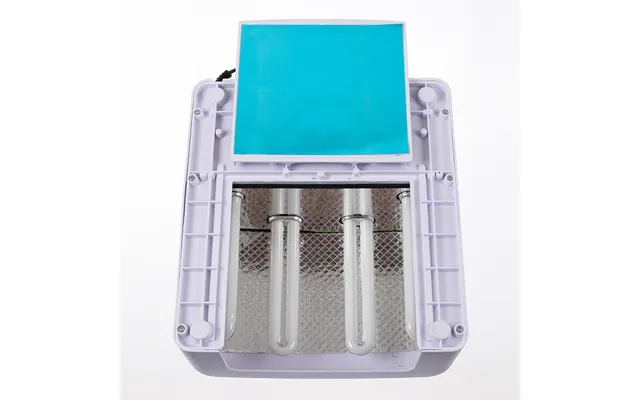
The supplied reference data contains one offer under the laminators category. The listed item is titled “36w Uv Glue Dryer Lamp Machine Lamp Expose Polymer Flash Making Machines Flash Seal Stamp.” Based on that title, it is a UV glue dryer lamp machine rather than a conventional paper laminator.
This distinction matters. A UV glue dryer lamp may serve a different purpose from an office laminator that seals paper inside a pouch. If you are specifically shopping for document protection, check the product description and technical details carefully before deciding that an item meets your needs.
The reference listing identifies Alibaba as the store, gives the displayed price as $7, and does not provide a brand name. It also includes the wording “1M new products” and mentions exclusive perks of up to US $500 off. These details appear in the supplied listing data, but the reference does not provide further information about the exact discount conditions, product specifications, or availability.
Because ZoneOffer is a comparison site, you should treat the listing as information to compare rather than as a direct purchase offer from ZoneOffer. Before making a decision, review the live listing for current details, compatibility information, and any conditions connected with the displayed offer.
Office equipment categories can overlap in casual language. A laminator, document sealer, heat press, UV curing lamp, and pouch machine may all involve heat, light, pressure, or protective materials, but they are not automatically interchangeable.
Look beyond the product title and identify the actual task the machine performs. Does it accept paper inside a pouch? Does it cure adhesive with UV light? Does it seal plastic film? Does it press material onto a surface? The answer will tell you whether the item belongs in your workflow.
Product titles can contain many keywords, especially on large marketplaces. A careful description should help clarify the intended use, compatible materials, controls, and operating process. If those details are missing, treat the listing as a starting point for research rather than a complete buying decision.
Photos can help, but they should not replace specifications. An attractive machine may still be unsuitable for your paper size, pouch type, or workload. In other words, appearance is the cover of the book; compatibility is the story inside.
Before choosing a laminator, write down the answers to a few basic questions. What documents will you laminate most often? How large are they? How many pages might you process in one session? Do you need heated lamination, cold lamination, or both?
Next, consider the people using the equipment. A machine in a shared office may need clear controls and simple operation. A home user may prioritize compact storage. A school or busy workplace may care more about repeat use and workflow efficiency.
A laminator needs a stable work surface and enough room to feed documents through without obstruction. You may also need space for pouches, paper, and finished materials. Measure your available area before choosing a machine, using inches rather than relying on a vague idea of whether it “looks small.”
Storage matters when the machine is used only occasionally. A compact design may be easier to put away, while a larger unit may be more convenient if it stays on a dedicated desk. The right option should fit naturally into your workspace rather than becoming another obstacle.
Good preparation can improve the finished result. Smooth the document, place it neatly inside the pouch, and make sure the edges are aligned before feeding it into the machine. A crooked start can affect the entire page, much like a tilted picture frame makes the whole wall look off.
Allow the machine to operate according to its instructions and avoid forcing material through the feed opening. If a jam occurs, use the machine’s designated release or reverse function when available. Pulling aggressively may damage the document, pouch, or equipment.
Dust, loose paper scraps, and wrinkles can affect the appearance of a laminated item. Preparing the document before sealing it is a simple step that can make the final result look much more professional.
For important projects, test the process on a spare sheet first. This lets you check the temperature, pouch compatibility, and overall appearance without risking the original document.
Price is important, but it should not be the only comparison point. A bargain is useful only when the product performs the job you need. A lower-cost item that cannot handle your documents may lead to wasted supplies and extra research later.
Look at the relationship between the machine, compatible consumables, expected workload, and available features. A sensible comparison considers the complete workflow. How easy is it to prepare a document? How often will you use the machine? Will the available format support your projects?
The reference data shows a $7 offer for the listed UV glue dryer lamp machine on Alibaba. Since the item appears to be a UV glue dryer rather than a conventional laminator, compare its purpose carefully before treating the displayed price as relevant to document lamination.
Protecting documents can sometimes reduce the need to reprint frequently used materials, but lamination also creates a sealed combination of paper and plastic that may be difficult to recycle through ordinary paper systems. Your local recycling guidance should determine how you handle used laminated materials.
You can reduce waste by laminating only documents that genuinely need extra protection. Reuse drafts for testing, avoid oversized borders when they are unnecessary, and choose the correct pouch size for the document. Small decisions add up, like drops filling a bucket.
When browsing comparison pages, begin with the category and then verify the product’s actual function. Confirm the document format, operating mode, supported materials, and any included accessories. If a listing uses broad or unusual wording, investigate before assuming it is a standard office laminator.
Also review the current listing details directly before making a purchase decision. Prices, offers, product information, and availability can change. The reference data provides a snapshot of the listed offer, while the live marketplace listing should provide the latest information.
For the current reference item, remember the key point: it is listed as a 36W UV glue dryer lamp machine, with Alibaba shown as the store and a displayed price of $7. It should not automatically be treated as a document laminator simply because it appears within a laminators-related category.
In conclusion, choosing a laminator starts with understanding your documents, workload, workspace, and preferred materials. Compare useful features rather than chasing impressive-sounding titles, and verify that each product actually performs the task you need. The supplied listing is a UV glue dryer lamp machine, so careful category checking is especially important. With a clear plan, ZoneOffer can help you compare available information and make a more informed choice without confusing different types of equipment.