

Printer & Copier Paper price list
Last updated Wednesday, Oct 14, 2026





Loading...
Last updated Wednesday, Oct 14, 2026
Printer paper is more than a blank surface. It shapes how your photos, flyers, cards, school projects, and creative work look and feel. The right paper can make colors appear brighter, details look sharper, and finished prints feel more polished. The wrong choice, on the other hand, may leave you with dull images, unwanted smudges, or a finish that does not suit your project.
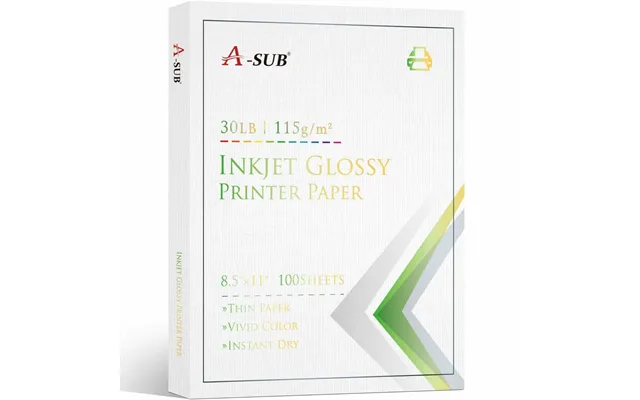
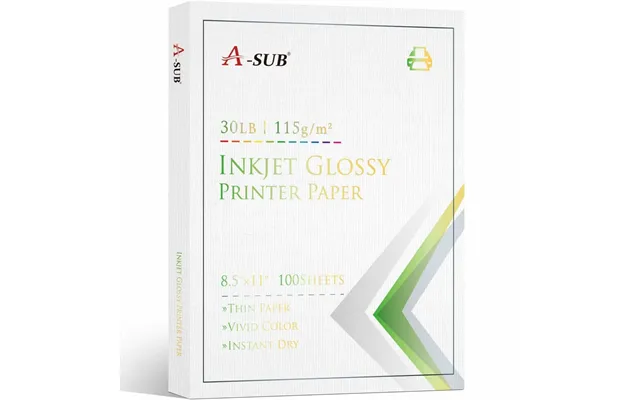
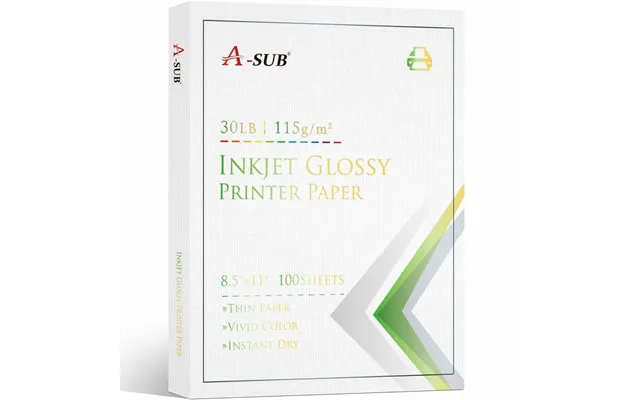
The A-SUB glossy photo paper listings in this comparison offer a practical option for people who want vibrant inkjet prints in a familiar letter-size format. Each listing is described as 8.5 by 11 inches, with a 30-pound weight and glossy cast coating. Whether you print occasional family photos or create materials for a small business, this type of paper can act like a simple upgrade for your printer.
ZoneOffer compares three A-SUB listings in this category. They share the same stated paper size, weight, finish, and intended inkjet use, while the listing titles distinguish them by the quantities 100, 200, and 500. The descriptions associated with the listings describe the paper as a 100-sheet product, so it is wise to review the product page carefully before making a purchase decision.
The 100 listing is priced at $15.99 in the supplied comparison data. It is designed for inkjet printing and features a glossy cast-coated surface. According to the product description, the paper is intended for vibrant everyday prints, photo albums, greeting cards, craft projects, flyers, and artwork.
This option may suit you if you want a manageable quantity for home printing, school assignments, or occasional creative work. It can be a sensible starting point when you are testing a paper type or do not print large batches regularly.
The 200 listing is shown at $24.99. Like the other A-SUB listings, it is described as letter-size glossy photo paper with a 30-pound weight and a cast-coated finish. Its intended uses include home photo printing, scrapbooking, greeting cards, promotional materials, and craft projects.
A larger listed quantity can be useful when you print often and want to keep suitable photo paper ready for your next project. Before ordering, compare the quantity shown in the listing title with the current product details, since the supplied description refers to 100 sheets.
The 500 listing is priced at $49.99 in the reference data. It carries the same A-SUB product description, including the 8.5 by 11-inch size, 30-pound weight, glossy cast coating, and compatibility with inkjet printers using dye-based ink.
This listing may attract frequent printers, crafters, photographers, or small businesses that prefer to compare larger quantities. As with the other listings, check the current quantity information before buying because the description supplied for this product refers to 100 sheets.
The central feature is the glossy cast coating. Think of it as a smooth, reflective layer that helps printed colors appear more lively than they might on ordinary office paper. The product description highlights brilliant color reproduction, crisp detail, and a shiny professional appearance.
Glossy paper is especially useful when the image itself is the star. A family photo, colorful illustration, promotional graphic, or handmade card can benefit from a surface that emphasizes color and contrast. It can give a simple print more visual energy without requiring a complicated finishing process.
A glossy finish can help images look bold and polished. It is a natural match for photographs, artwork, greeting cards, and flyers where bright visual presentation matters. If you want a print to catch the eye, glossy paper can be more suitable than standard copier paper.
Keep in mind that glossy surfaces can reflect light. That is not usually a problem for photos or decorative prints, but it may be less comfortable for documents that people need to read under strong lighting. Choosing the finish should always begin with the purpose of the print.
The listings identify the paper as 30-pound stock. This makes it different from very lightweight everyday copy paper while keeping it suitable for common home and office inkjet printing tasks. The description calls it lightweight yet durable, which may make it practical for photos, cards, craft work, and promotional pieces.
Paper weight affects how a sheet feels in your hand and how substantial the finished project appears. A thicker-feeling sheet can help a flyer or card seem more considered, while still being easy to handle for home projects.
The product description says this A-SUB paper is designed for inkjet printers and works best with dye-based ink. That detail matters because printer paper and ink function as a team. Even a well-designed sheet may not deliver the expected result if it is used with an unsuitable printer or ink combination.
The description also highlights quick-dry performance and resistance to smudging. These features can be helpful when you need to handle prints soon after they leave the printer. Still, it is sensible to give freshly printed pages a little time before stacking, trimming, or placing them in an album.
Before loading the paper, confirm that your printer supports 8.5 by 11-inch sheets and inkjet photo media. You should also check the printer settings for paper type and print quality. Selecting a photo-paper setting may help the printer apply ink in a way that matches the glossy surface.
Every printer menu is different, so look for settings such as glossy paper, photo paper, or high-quality printing. If the result looks too dark, too wet, or uneven, try a different paper setting rather than immediately assuming the paper is the problem.
The supplied product guidance recommends printing on the glossy side. This may sound obvious, but it is easy to load a sheet incorrectly when the two sides look similar. Check the sheet before printing, and place it in the tray according to your printer’s instructions.
A quick test print can save paper and ink. Use one sheet to confirm orientation, colors, margins, and image placement before starting a larger batch. It is a small step that can prevent a stack of misprinted pages.
This paper is positioned as a versatile choice for more than traditional photographs. The product details mention several home, school, creative, and business uses. Its letter-size format also makes it convenient for projects that are designed around common printer dimensions.
Use the paper for printed photos, DIY albums, scrapbooks, and memory books. The glossy surface can help colorful images feel more finished, turning a digital photo into something you can hold, organize, and share.
For albums and crafts, plan your layout before printing. Leave enough space for trimming, captions, or decorative elements. Glossy prints can become the visual centerpiece of a memory project, much like a bright tile in a larger mosaic.
The product description also names greeting cards and craft projects as suitable applications. You can use colorful designs, illustrations, or photographs to create personalized pieces for celebrations, classroom activities, or creative hobbies.
When cutting or folding printed sheets, make sure the ink has dried first. A clean cutting surface and a sharp craft tool can help maintain neat edges. If you plan to fold a glossy sheet, test a spare print because the finish may influence how the fold looks.
Small businesses and independent creators may use glossy photo paper for flyers, artwork, and promotional materials. Bright color and a shiny surface can help a one-page design attract attention when displayed or handed to someone.
For business printing, consider how the page will be used. A glossy flyer may work well for visual promotions, product images, or event graphics. If the page contains a large amount of small text, preview it carefully to ensure the reflective finish does not make reading uncomfortable.
Price and listed quantity are the clearest differences shown in the comparison data. The 100 listing is $15.99, the 200 listing is $24.99, and the 500 listing is $49.99. These prices are the supplied listing prices and should be checked again on the comparison page before you buy.
How should you choose? Start with your printing habits. If you print occasionally or want to try the paper first, the listing marked 100 may be the simplest entry point. If you print more frequently, the listings marked 200 or 500 may deserve closer comparison.
Do not judge only by the number in the title. Review the current product page, confirm the actual sheet count, and compare the cost against your expected use. A quantity that looks economical is only useful if you will actually use the paper and can store it properly.
Occasional users may prefer a smaller commitment. A smaller listed quantity can reduce the chance of unused paper sitting in storage for too long. It can also make sense for a single school project, a short photo session, or a limited craft activity.
Frequent users may want to compare the larger listed quantities. Regular photo printing, craft production, and small-business projects can use paper quickly. Having a suitable supply nearby may make it easier to complete projects without switching between different paper types.
The product guidance recommends storing the paper in a dry, cool place away from sunlight. This is a useful habit for glossy media because moisture, heat, and direct light can affect how paper is handled and stored over time.
Keep sheets flat and protected from dust when possible. Avoid placing heavy objects on top of the paper, and handle the glossy surface with clean, dry hands. Fingerprints may be more noticeable on a shiny finish, especially when you are preparing a print for display.
Storage is like caring for a camera lens: a little attention helps preserve the surface you rely on. Keep the package closed between printing sessions, and remove only the sheets you need.
Start with a high-quality image. Paper can enhance a good file, but it cannot add detail that is missing from the original. Check the image dimensions, crop, brightness, and color before pressing print.
Use a test sheet when the project matters. Test printing lets you inspect the overall color balance and confirm that the design fits the page. If you are printing several copies, this simple preview can help reduce wasted materials.
Allow prints to dry before touching the image area. The description emphasizes quick-drying and smudge-resistant performance, but careful handling is still a smart way to protect the finished result. Store completed prints away from direct sunlight when you are not displaying them.
ZoneOffer is a comparison site that helps shoppers review available product information in one place. It is not a store, and it does not replace the seller’s product page. Instead, comparison shopping can make it easier to examine listing titles, prices, brands, and product descriptions before deciding where to continue.
For these A-SUB listings, comparison is particularly useful because the titles show different quantities while the supplied descriptions refer to 100 sheets. Reviewing the details side by side can help you spot differences, identify questions, and confirm the information that matters most to you.
Use the listed price as a starting point, then verify the current details before placing an order. Prices, product information, and listing conditions may change, so the latest product page should always be your final reference.
A-SUB 8.5 by 11-inch glossy photo paper offers a flexible option for inkjet printing, with a 30-pound weight, glossy cast coating, and stated suitability for photos, cards, crafts, flyers, artwork, and promotional materials. The available comparison listings are priced at $15.99, $24.99, and $49.99 and are marked with quantities of 100, 200, and 500, while the supplied descriptions refer to 100 sheets. Compare the listings carefully, confirm the current details, choose the quantity that matches your printing habits, and store the paper in a cool, dry place for dependable creative work.