

Mashers price list
Last updated Wednesday, Oct 14, 2026
| Mashers | Price |
|---|---|
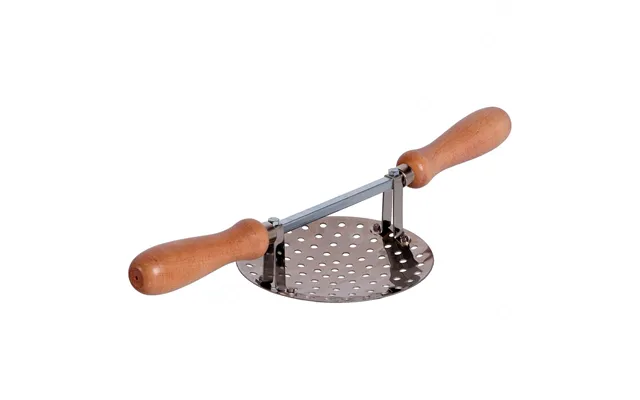
| Traditional Passatelli & Potato Masher - Stainless Steel | $12.54 |


Loading...
Last updated Wednesday, Oct 14, 2026
| Mashers | Price |
|---|---|
| Traditional Passatelli & Potato Masher - Stainless Steel | $12.54 |
A good masher can make everyday cooking easier, faster, and more satisfying. Whether you are preparing fluffy mashed potatoes, soft vegetables, fruit purées, or a rustic side dish, the right kitchen tool helps you control texture without turning the process into a workout. Think of a masher as a bridge between a whole ingredient and a finished dish: simple, reliable, and surprisingly important.
This guide focuses on kitchen mashers and explains what to look for before choosing one. It also highlights the Traditional Passatelli & Potato Masher - Stainless Steel, a listed option from Tagliapasta priced at $12.54. ZoneOffer is a comparison site, so the offer information here is provided to help you compare products rather than to suggest that ZoneOffer sells the item directly.
Mashers are among the most straightforward kitchen tools, but their usefulness goes well beyond mashed potatoes. They let you break down cooked foods while keeping more control over the final consistency than you might have with an electric appliance.
Want a smooth, creamy result? Use steady pressure and repeat the motion until the larger pieces disappear. Prefer a rustic texture with small chunks? Stop earlier and fold the mixture gently. That flexibility makes a masher useful for both quick weekday meals and more carefully prepared recipes.
A masher can also reduce the amount of equipment you need to clean. Instead of reaching for a mixer or food processor for a small batch, you can often work directly in the cooking pot or a serving bowl. Less equipment on the counter can make the whole cooking process feel calmer.
The Traditional Passatelli & Potato Masher - Stainless Steel is listed as a stainless steel kitchen masher. Its traditional design suggests a practical approach for cooks who prefer a familiar, manual tool rather than a powered appliance.
The listed price is $12.54 at tagliapasta. The reference information does not include a brand name, rating, discount, shipping details, or availability status, so those details should be checked separately before making a purchase decision.
Why might this option catch your attention? Stainless steel is commonly chosen for kitchen tools because it has a clean, durable feel and fits easily into many kitchen styles. The most important question, however, is whether the tool feels comfortable in your hand and suits the textures you prepare most often.
Stainless steel gives a masher a firm, solid character. When you press down on cooked potatoes or vegetables, the tool should feel stable rather than flimsy. That matters because mashing is a repeated motion, and a tool that flexes too much can make the task feel harder than it needs to be.
It also has a simple visual appeal. If you like kitchen tools with a classic metal finish, this type of masher can blend naturally with other stainless steel utensils. Still, appearance should come second to comfort, control, and easy cleaning.
Potatoes are the obvious starting point, but they are only one possibility. A kitchen masher can help soften cooked sweet potatoes, carrots, peas, beans, squash, and other tender ingredients. You can use it to create a side dish, prepare a filling, or develop a base for a larger recipe.
Mashed beans can work well in spreads and fillings, while mashed vegetables can add body to soups or blended side dishes. Soft fruit may also be suitable when a recipe calls for a textured purée. The key is to begin with ingredients that are already tender enough to break apart under pressure.
A masher is not designed to replace every kitchen tool. Hard, raw ingredients may resist the motion, and very smooth results may require a different method. If you understand that distinction, you can get better results and avoid putting unnecessary strain on the utensil.
Choosing a masher is less about finding the most complicated design and more about matching the tool to your habits. Ask yourself a few simple questions: What foods do you prepare? Do you prefer smooth or chunky textures? How much hand pressure are you comfortable using? Will you use the masher occasionally or several times each week?
If you cook mashed potatoes regularly, look for a design that feels steady during repeated pressing. If you mostly prepare small portions, a compact and easy-to-control tool may be enough. If you enjoy rustic recipes, the shape of the mashing surface may matter more than the appearance.
Your hand does most of the work, so the handle deserves careful attention. A comfortable handle can make a noticeable difference when you prepare a large pot of food. Look for a shape that allows you to keep a natural grip without squeezing too tightly.
Consider how you normally mash. Some cooks press straight down, while others use a rocking motion. A useful tool should feel controlled in both directions. If the handle feels awkward in your palm, even a sturdy masher may become frustrating to use.
The mashing surface influences the character of your finished food. A design with openings can break cooked ingredients into smaller pieces while allowing some texture to remain. A more solid surface may encourage a denser, smoother consistency, depending on the recipe and the amount of pressure you use.
Texture is personal. Some people want mashed potatoes that are almost silky, while others enjoy visible pieces and a more homemade feel. Before choosing a masher, think about the meals you actually enjoy eating, not only the appearance of the tool.
Start with fully cooked potatoes that yield easily when pressed with a fork. If the pieces are still firm in the center, your masher will have to work harder and the finished texture may be uneven. Cutting ingredients into similarly sized pieces before cooking can help them become tender at roughly the same time.
Drain thoroughly before mashing. Excess water can create a thin result, while too little moisture may leave the mixture dry and difficult to work. Add liquids gradually rather than all at once, giving yourself time to judge the consistency.
Use a gentle rhythm instead of attacking the potatoes with force. Press, lift, and repeat. Once the mixture reaches the texture you like, stop. Overworking potatoes can change their texture and make them less pleasant to eat.
A chunky mash can be a great choice when you want a more rustic dish. In that case, press only until the larger pieces are broken down and the ingredients hold together. You can then fold in seasonings or other additions without turning the mixture into a completely smooth purée.
This approach works especially well for casual family meals. The small variations in texture make the dish feel homemade, like a hand-painted surface rather than a perfectly uniform print.
Vegetable mash can add color and variety to a meal. Cooked carrots, peas, sweet potatoes, and squash can be mashed individually or combined. Try keeping the seasoning simple at first, then adjust after tasting. This allows the natural flavor of the ingredients to guide the recipe.
Beans can also benefit from manual mashing. You can create a coarse mixture for a filling or continue working until the beans become spreadable. A masher gives you the ability to stop at exactly the point you want, which is useful when a recipe depends on texture.
For best results, avoid filling the bowl or pot so heavily that you cannot move the tool freely. Working in a manageable amount helps distribute pressure more evenly and makes it easier to notice any pieces that still need attention.
Care begins immediately after use. Rinse away food residue before it dries, especially around openings or joints where bits may collect. A quick rinse can make the later washing process much easier.
Use warm water and dish soap with a suitable sponge or brush. Pay attention to the mashing surface, since food can remain tucked into small spaces. Rinse thoroughly and dry the utensil before storing it.
Because the featured option is listed as stainless steel, it has a straightforward, practical material profile. However, the reference data does not specify dishwasher compatibility or any special care instructions. For that reason, check the product information supplied by the seller before placing it in a dishwasher or using specialized cleaners.
Store the masher where you can reach it easily. A tool that disappears at the back of a crowded cabinet is less useful than one you can grab when dinner is already underway. Keep it with other frequently used utensils, and make sure it is fully dry before storage.
Inspect the handle and mashing surface from time to time. If you notice damage, unusual looseness, or sharp edges, stop using the tool until you can determine whether it remains safe and practical.
A manual masher is ideal when you want direct control and a simple process. You can see and feel the texture change with every press. It also works well for small portions and does not require a power outlet.
An electric appliance may be more suitable when you need to process a larger amount quickly or want a very uniform result. However, it can be more equipment than you need for a simple side dish. Which approach fits your kitchen? If you value control, quiet preparation, and easy setup, a manual masher has a strong advantage.
The right choice depends on the meal, the quantity, and your preferred texture. Many cooks appreciate having both options available, but a dependable masher can cover a surprisingly wide range of everyday tasks on its own.
One common mistake is trying to mash ingredients before they are tender. A masher is not a substitute for proper cooking. If the food resists strongly, give it more time to soften instead of forcing the tool.
Another mistake is adding too much liquid too quickly. It is easier to loosen a thick mixture than to rescue one that has become watery. Add small amounts and stir between additions.
Many people also continue mashing after reaching the desired texture. More effort does not always mean a better result. Once the food looks and feels right, put the masher down and move on to seasoning or serving.
The Traditional Passatelli & Potato Masher - Stainless Steel is listed at $12.54 from tagliapasta. That gives shoppers a clear starting point when comparing stainless steel mashers and similar kitchen utensils.
Price is only one part of the decision. Think about how often you will use the tool, whether the construction suits your routine, and whether the design supports the textures you prefer. A simple utensil can earn its place in your kitchen when it performs consistently.
Since the available reference data does not provide ratings, customer reviews, shipping information, discounts, or availability details, those factors should not be assumed. Check the current listing for the latest information before deciding.
The appeal of a masher is its clarity. There are no complex settings, cables, or buttons to learn. You add pressure, observe the texture, and adjust your technique. That simplicity can be refreshing in a kitchen filled with specialized gadgets.
Use short, controlled motions, taste as you go, and stop when the food reaches the consistency you want. With practice, you will develop a feel for how different ingredients respond. The tool becomes almost like an extension of your hand.
Whether you are making a comforting potato side, a vegetable mash, or a bean-based filling, a reliable masher can help you work with confidence. The featured stainless steel option is worth considering if you want a traditional manual utensil at a listed price of $12.54.
A kitchen masher may look modest, but it can handle many useful jobs with little fuss. When choosing one, focus on comfort, control, construction, and the textures you enjoy. The Traditional Passatelli & Potato Masher - Stainless Steel from tagliapasta is listed at $12.54 and offers a simple option for cooks who prefer a traditional stainless steel tool. Compare the current listing details carefully, then choose the masher that feels like a natural fit for your kitchen routine.