

Food Graters & Zesters price list
Last updated Wednesday, Oct 14, 2026
| Food Graters & Zesters | Price |
|---|---|
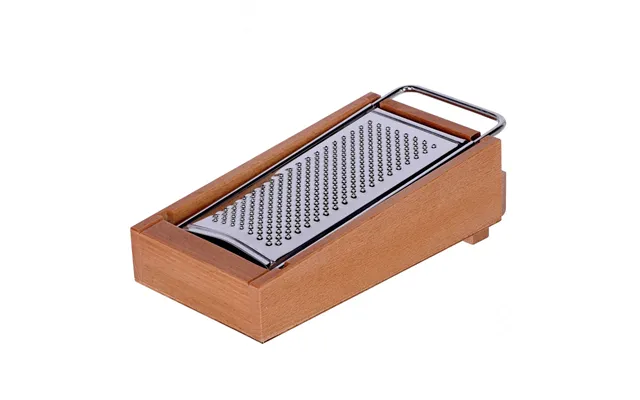
| Cheese Grater With Wood Storage Box | $18.20 |



Loading...
Last updated Wednesday, Oct 14, 2026
| Food Graters & Zesters | Price |
|---|---|
| Cheese Grater With Wood Storage Box | $18.20 |
A good grater or zester can change the way you cook. Instead of chopping cheese into uneven pieces, scraping citrus with a knife, or struggling to create fine shavings, you can prepare ingredients quickly and neatly. These simple kitchen tools act like tiny flavor amplifiers: they turn familiar ingredients into textures and aromas that stand out on the plate.
Whether you cook every day or only step into the kitchen when inspiration strikes, choosing the right grater matters. The best option depends on what you prepare most often, how much storage space you have, and whether you value speed, precision, or versatility. This guide explores the main features to consider and highlights the food grater listed in the reference data.
The featured product is the Cheese Grater With Wood Storage Box, listed through Tagliapasta at $18.20. ZoneOffer is a comparison site, so it helps shoppers review product information and compare options rather than selling the item directly.
The product’s name points to two useful features: a cheese-grating function and a wood storage box. That combination may appeal to cooks who want a dedicated tool that can be kept organized when it is not in use. A storage box can also make a grater feel less like a loose utensil in a crowded drawer and more like part of a tidy kitchen setup.
Because the available listing does not provide further specifications, such as dimensions, materials, blade styles, or included accessories, shoppers should review the current product information before making a purchase. Still, the title and listed price offer a clear starting point for anyone searching for a cheese grater with built-in storage.
Graters are small, but they can handle a surprisingly wide range of tasks. A cheese grater can prepare toppings for pasta, fillings for sandwiches, ingredients for casseroles, or garnishes for salads. The same general category may also include tools designed for vegetables, chocolate, nuts, and citrus zest.
Texture is one of the biggest reasons to use a grater. Finely grated ingredients blend quickly into sauces and batters, while thicker shreds create a more noticeable bite. Think of the difference between a smooth layer of cheese and a pile of coarse shreds: both come from the same ingredient, yet they behave differently during cooking.
Grating can also help distribute flavor. A small amount of finely grated cheese or citrus zest can spread across an entire dish more easily than larger pieces. This makes the tool useful when you want a strong finishing note without adding a large quantity of an ingredient.
Chopping breaks food into separate pieces, while grating creates thin shreds or fine particles. Which method is better? That depends on the dish. Chopped cheese may work well in a filling, but grated cheese usually melts more evenly across a hot surface.
The same principle applies to citrus. A grater designed for zest can remove the fragrant outer layer in fine flecks, helping you add brightness to desserts, marinades, dressings, and drinks. The goal is not simply to make food smaller; it is to create the texture your recipe needs.
Food graters come in several basic designs. Some are flat and easy to store, while others have multiple sides for different textures. There are also compact tools made for specific tasks, such as citrus zesting or producing very fine shavings.
A multi-purpose grater may be a sensible choice if you want one tool to handle several ingredients. On the other hand, a specialized zester may suit you better if citrus plays a regular role in your cooking. Before buying, consider your usual recipes rather than choosing based only on how many surfaces or features a product appears to have.
Flat graters are often straightforward to use and can be held over a bowl, plate, or cutting board. Their slim shape may also be convenient for storage. If your kitchen has limited drawer space, a flat design can be easier to place alongside other utensils.
When using a flat grater, stability matters. Holding the tool at a comfortable angle and working over a secure surface can make the process feel more controlled. A bowl with a wide opening may help catch shreds and reduce mess.
Box graters typically stand on their own and offer several grating surfaces. One side may be useful for larger shreds, another for finer results, and another for slicing or specialty textures, depending on the design.
Their larger shape can be helpful when preparing a substantial amount of cheese or vegetables. However, they may take up more storage space than a flat grater. Ask yourself a simple question: do you need several textures often, or would a smaller tool cover most of your cooking?
Zesters are designed for delicate ingredients and fine results. They are particularly useful when you want the aromatic outer layer of citrus without adding larger pieces of peel. A fine tool can help you create a light, even layer of zest over a finished dish.
When zesting citrus, use gentle pressure and rotate the fruit as you work. Stop when the bright outer skin has been removed. The pale layer beneath it can taste more bitter, so careful control is important.
When comparing cheese graters, start with the grating result. Do you prefer broad shreds, fine particles, or a mixture of textures? The answer will guide you toward the design that best matches your recipes.
Next, think about handling. A grater should feel manageable in your hand and easy to guide across the ingredient. A comfortable grip can make a difference when preparing several servings, especially when the cheese is firm or the vegetable is dense.
Storage is another practical consideration. The featured Cheese Grater With Wood Storage Box stands out in the listing because it includes a wood storage box. For cooks who dislike loose tools scattered in a drawer, this feature may be appealing. It also gives the product a more organized presentation when stored on a shelf or in a kitchen cabinet.
The shape and sharpness of a grating surface affect the final texture. Larger openings generally create more substantial shreds, while smaller openings produce finer results. A fine surface can be useful for blending ingredients into sauces, while a coarse surface may be better for toppings.
If a listing does not specify the blade pattern, avoid assuming that it includes every texture you need. Instead, check the product details carefully. Clear information about the grating surface can help you avoid buying a tool that does not suit your preferred recipes.
A stable grater can make preparation more comfortable. Some designs are held directly over food, while others rest on a bowl or cutting board. Either approach can work, but the tool should not feel awkward or unpredictable during use.
Take your time when testing a new grater. Use smooth strokes and keep your fingers away from the working surface. A hand guard or a remaining piece of food can help protect your fingers as the ingredient becomes smaller.
Good technique can make an ordinary grater feel much more useful. Start with an ingredient that is firm enough to hold comfortably. For cheese, slightly chilled pieces may be easier to manage than very soft ones, although the ideal texture depends on the variety and the recipe.
Move the ingredient across the grating surface in a steady direction. Avoid pressing harder than necessary. Excess pressure can make the motion less controlled, while moderate pressure usually gives you a more consistent result.
Keep the grater positioned over the container where you plan to use the ingredient. This simple habit can reduce transfers and cleanup. If you are preparing cheese for a dish, grating directly over a bowl may save a step.
Grated cheese can add richness to pasta, soups, baked dishes, salads, and snacks. Fine shreds can disappear into a sauce, creating a smooth finish, while larger shreds can form a visible topping.
Try matching the texture to the cooking method. If the cheese needs to melt quickly, smaller pieces may be useful. If you want a golden layer or a noticeable topping, larger shreds may create more visual appeal.
Citrus zest can bring a lively aroma to both sweet and savory recipes. Add it to cookie dough, cake mixtures, sauces, dressings, roasted vegetables, or seafood preparations. Because zest is concentrated, begin with a modest amount and adjust to taste.
For the best flavor, zest the fruit shortly before using it. The fragrant oils are part of what makes zest so appealing, and fresh preparation helps preserve that bright character.
A kitchen tool that is difficult to store may eventually be used less often. That is why storage deserves attention during the buying process. A grater should have a practical home where it can remain clean, dry, and easy to reach.
The featured product includes a wood storage box, which may be useful for shoppers who prefer contained storage. Rather than leaving the grater loose among other utensils, the box can provide a dedicated place for it. As always, review the current listing for details about the box and its construction before purchasing.
Keep storage habits simple. After cleaning the grater, allow it to dry fully before putting it away. This helps prevent moisture from being trapped in the storage area. If the product includes a wood box, follow any care guidance provided with the item.
Cleaning a grater soon after use is usually easier than waiting until food dries onto the surface. Rinse away loose particles, then clean carefully around the openings. A soft brush can help reach areas that are difficult to wipe with a cloth or sponge.
Be cautious while washing. Grating surfaces can be sharp, and rushing can lead to scraped fingers. Hold the tool securely and work slowly. If a dishwasher is being considered, check the product’s care instructions first rather than assuming it is suitable.
Dry the grater thoroughly before storage. This is especially important when the product is paired with a storage box. A clean, dry tool is ready for the next recipe and less likely to develop unpleasant odors from leftover food.
Use the grater for ingredients it is designed to handle. Very hard foods may require more force and can be difficult to process safely. When a tool begins to feel dull, unstable, or damaged, inspect it before continuing to use it.
Do not treat a grater like a cutting board. It is meant for controlled strokes, not heavy chopping or pressing. A gentle technique can protect both the tool and your hands.
The featured product may be worth considering if you want a cheese-focused kitchen tool with dedicated storage. Its listed price is $18.20, and the offer appears in the reference data under tagliapasta. These details give you a useful comparison point when browsing similar food graters and zesters.
It may suit someone who values a tidy kitchen, enjoys preparing grated cheese, or prefers a product that comes with a storage solution. It may be less suitable if you need a tool with several clearly documented grating surfaces, since the available reference data does not list those specifications.
The smartest approach is to compare your needs with the information provided. Do you mainly want to grate cheese? Is included storage important? Would you prefer a multi-purpose design? By answering these questions first, you can shop with purpose instead of being distracted by features you may never use.
Before choosing a grater, write down the ingredients you prepare most often. Cheese, citrus, vegetables, chocolate, and hard spices may each benefit from different grating textures. Your cooking habits are the map; the tool is simply the vehicle.
Next, consider how much space you have. A compact grater may work well in a small kitchen, while a larger design may be more useful for frequent meal preparation. Storage features can also influence your decision, particularly if you prefer a clean and organized countertop or drawer.
Pay attention to product descriptions and avoid filling in missing details yourself. If the listing does not state the material, dimensions, care instructions, or number of surfaces, treat that information as unknown. Checking those details before purchase can help you make a more confident comparison.
Finally, think about value beyond the price. A tool that is easy to use, simple to clean, and convenient to store may earn a regular place in your cooking routine. The cheapest option is not always the most useful one, and the most elaborate option may offer features you do not need.
Food graters and zesters are practical kitchen essentials that can improve texture, flavor, and presentation without taking up much room. The featured Cheese Grater With Wood Storage Box, listed through tagliapasta for $18.20, offers a cheese-grating concept paired with dedicated wood storage. Since ZoneOffer is a comparison site, use the listing as a starting point, review the latest details, and compare it with your cooking needs. The right grater should feel less like another gadget and more like a dependable kitchen shortcut.