

Water Filters price list
Last updated Thursday, Oct 15, 2026


View 10 Offers
Loading...
Last updated Thursday, Oct 15, 2026
Choosing a water filter can feel like standing in front of a crowded toolbox. Jugs, faucet systems, under-sink units, reverse osmosis purifiers, and portable hydrogen bottles all promise a different kind of convenience. Which one fits your kitchen, routine, and budget?
This guide compares the water filtration products listed in the reference data and explains how each format may fit into everyday use. You will find options priced from $8.50 to $310, including simple filter jugs, wall-mounted systems, under-sink filtration, reverse osmosis equipment, and countertop dispensers. ZoneOffer is a comparison site, so use the information here to compare listings rather than treating ZoneOffer as a store.
The products in this selection cover several distinct categories. The simplest choices are activated carbon and alkaline filter jugs. They are designed around portability and easy placement. Faucet and wall-mounted products offer a more fixed setup, while under-sink and reverse osmosis systems are aimed at shoppers seeking a more substantial kitchen installation.
There are also hydrogen water bottle generators and an alkaline ionizer bottle. These are portable water accessories rather than traditional whole-kitchen filtration systems, so it helps to separate their purpose from that of a purifier or filter jug.
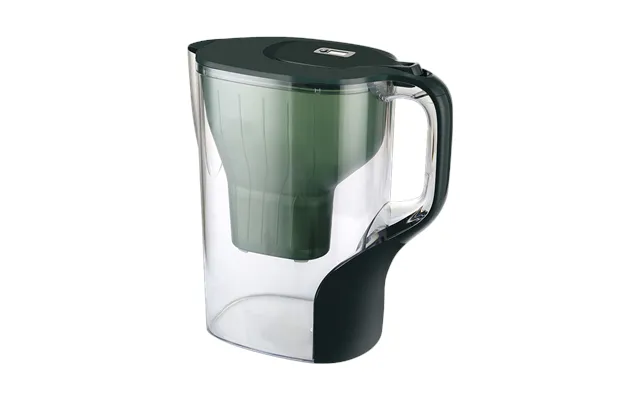
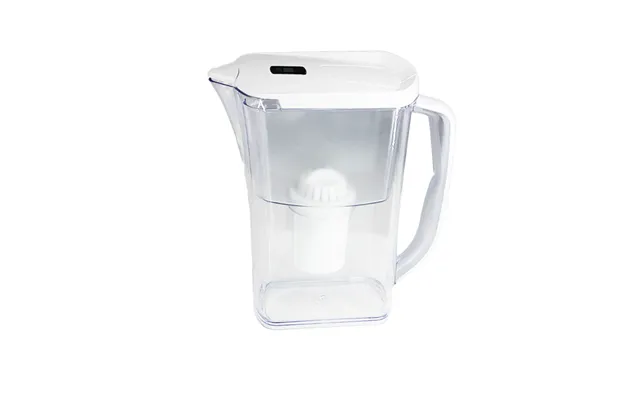
The Activated Carbon Block Water Filter Jug is listed at $11.20. Its title identifies activated carbon, charcoal purification, an alkaline design, and household use. A separate High Efficiency Filtration Water Filter Jug is listed at $10.07 and has a stated 1.06-gallon capacity. These two products may appeal to shoppers who want a compact format without committing to a plumbed-in installation.
A jug is like a small pantry appliance: it stays within reach, requires little setup, and can be moved when needed. If you rent, have limited counter space, or prefer a straightforward starting point, this category is worth comparing first.
Activated carbon is specifically named in the $11.20 jug listing, while charcoal is also included in its title. The product is described as a household alkaline charcoal water purifier and RV water bottle purifier. That wording suggests a flexible format for home or travel-style use, although the reference data does not provide detailed contaminant-removal specifications.
The $10.07 jug offers another low-cost option with a stated 1.06-gallon capacity and high-efficiency filtration in its product title. When comparing these jugs, look at the features that matter most to you: capacity, footprint, portability, and the type of filtration named in the listing.
The Ultrafiltration Electric Home Kitchen Water Purifier is listed at $20. Its title describes a wall-mounted filter for household use and states zero power consumption. This format could suit someone who wants a fixed kitchen position while avoiding a powered appliance, but installation requirements are not specified in the reference data.
Wall-mounted systems can make good use of vertical space. Think of them as hanging a small tool rack instead of filling another section of the counter. Before comparing one with a jug, consider where it would be placed and whether your kitchen setup can accommodate it.
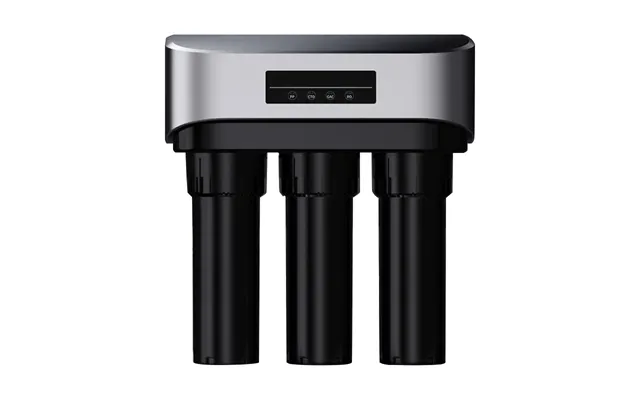
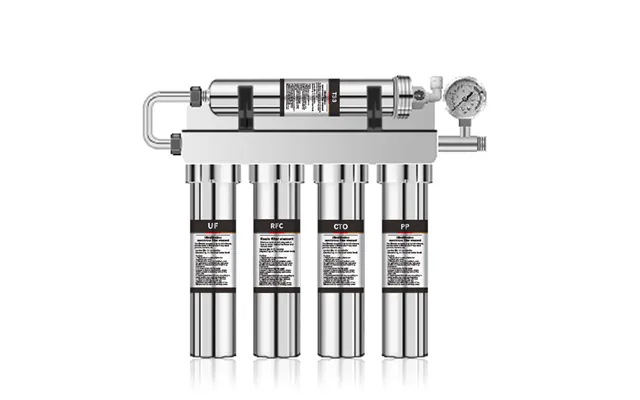
The Non-electric High Flow 5-stage Under Sink UF Filter is listed at $35. Its title identifies five filtration stages, an under-sink installation, a pressure gauge, and 304 stainless steel. It is also described as a non-electric system.
This product stands out for shoppers who want a less visible filter arrangement. Under-sink systems can keep the countertop clear, while the included pressure gauge may help users monitor the system more easily. However, the reference data does not specify installation instructions, replacement intervals, filter-life estimates, or included fittings.
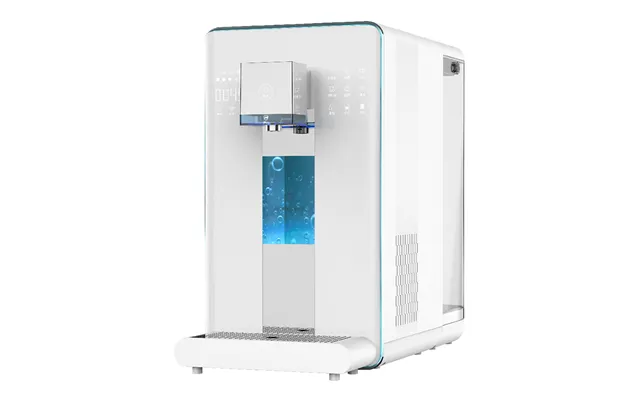
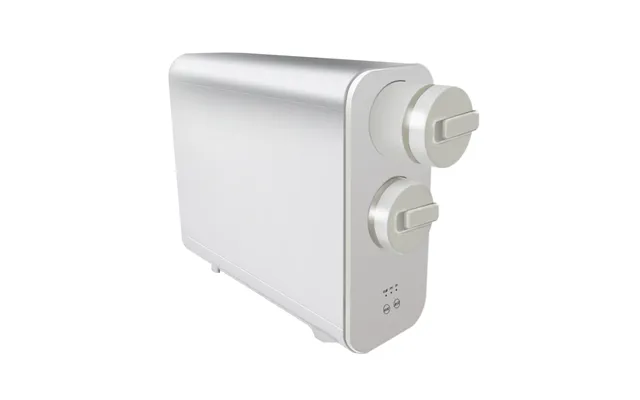
The High-flow Home Kitchen Reverse Osmosis Water Purifier is listed at $177. Reverse osmosis is identified directly in the product title, along with high-flow operation and household use. A second listing, the China Factory Direct Sale 3 Stage RO Filters Purifier, is priced at $310 and is described as an instant drinking hot and cold water dispenser.
These are the most expensive household water-filter listings in the selection. They may be worth comparing if you want a more advanced kitchen appliance or a hot-and-cold dispensing format. Still, important details such as water output, tank size, installation method, filter replacement needs, and power requirements are not supplied, so check the individual listing carefully before making a decision.
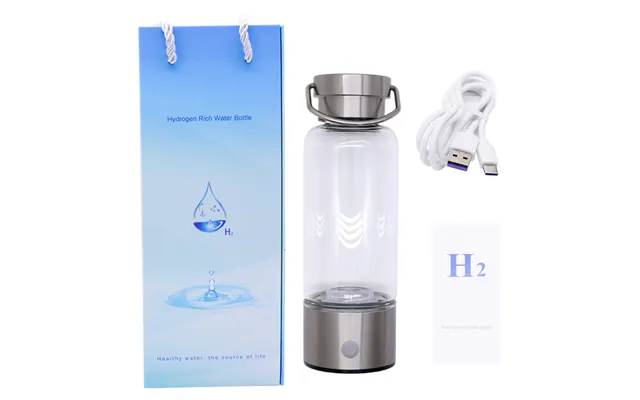
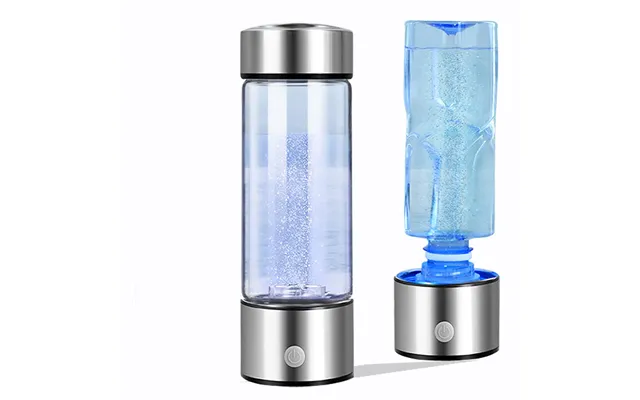
The Hydrogen Water Bottle Generator is listed at $8.50. Its title describes an alkaline maker, antioxidant hydrogen-rich water cup, portable ionizer, and PEM SPE technology. Another product, the Wholesale 2024 Manufacturer New Design Alkaline Ionizer H2 PEM SPE Portable Hydrogen Water Bottle Generator, is listed at $21.04 and has a stated capacity of about 14.2 fluid ounces.
These products belong in a separate comparison group from standard drinking-water filters. Their titles emphasize hydrogen generation, alkaline water, portability, and ionizer technology rather than household filtration stages. If you are mainly looking to reduce the need for countertop refilling, a jug may be more relevant. If portability and hydrogen-water features are your priority, these bottle-style products deserve a closer look.
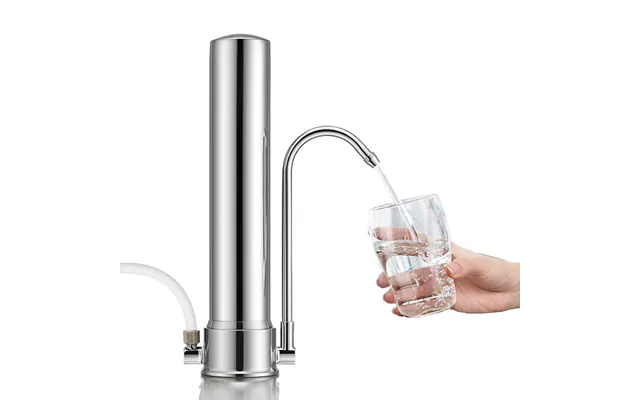
The Easy-to-install Intelligent Faucet for Kitchen Water Purification is listed at $32. The listing describes it as a manual countertop filter for household use and highlights an easy-to-install design. This could be a practical middle ground between a pitcher and a larger under-sink system.
Faucet-style products place filtered water near the sink, where you are most likely to use it. That can be convenient for filling glasses, bottles, and cooking pots. The reference data does not explain whether the faucet replaces an existing fixture, attaches to one, or requires a separate installation method, so those details should be verified in the listing.
Do you want a filter you can lift with one hand, or would you rather install something and leave it in place? A filter jug requires the least commitment among the listed options. The wall-mounted purifier and faucet filter offer fixed positions, while the under-sink and reverse osmosis products are more installation-oriented.
Your answer may be determined by your home rather than your taste. Renters often prefer movable products, while homeowners may be more comfortable comparing under-sink or dispenser systems. If you have limited counter space, an under-sink system can be appealing because it keeps the visible work area open.
Capacity matters because it affects how often you refill or operate the product. The high-efficiency jug listed in the data has a 1.06-gallon capacity, while the portable hydrogen bottle is listed at about 14.2 fluid ounces. These formats serve very different routines.
A larger jug may be better for shared household use, while a small bottle is designed around portability. The listings do not provide a complete capacity specification for every product, so avoid assuming that similarly named filters hold the same amount of water.
Several listings clearly identify their power approach. The wall-mounted ultrafiltration purifier is described as having zero power consumption, and the five-stage under-sink UF filter is described as non-electric. The reverse osmosis and hot-and-cold dispenser listings do not provide enough information here to confirm their power requirements.
If you want a simpler setup, start by comparing products explicitly described as non-electric. If you want dispensing features or instant hot and cold water, review the equipment requirements before choosing.
The lowest listed price among the household water products is $8.50 for the hydrogen water bottle generator. Other lower-priced options include the $10.07 filter jug, the $11.20 activated carbon block jug, and the $20 wall-mounted ultrafiltration purifier.
The mid-range listings include the $21.04 hydrogen water bottle generator, the $32 intelligent faucet, and the $35 five-stage under-sink UF filter. At the higher end, the reverse osmosis purifier is listed at $177, while the three-stage RO hot-and-cold dispenser is listed at $310.
Price is a useful first filter, but it is not the whole picture. A low-cost jug may be ideal for a simple routine, while a higher-priced dispenser may offer a different type of convenience. Compare the design, capacity, installation style, and stated technology together rather than treating the cheapest item as automatically best.
The reference data provides product titles, descriptions, stores, and listed prices, but it does not include complete technical specifications for every item. Before ordering, review the original listing for filter stages, replacement components, dimensions, capacity, connection sizes, and installation instructions.
This is especially important for under-sink, faucet, wall-mounted, and reverse osmosis products. A system may look perfect on paper but still require fittings, space, or tools that you have not planned for. Treat the product title as the signpost, not the entire map.
Some products are labeled with terms such as alkaline, ionizer, hydrogen, antioxidant, or PEM SPE. Those features are different from the basic question of how water is filtered. The reference data does not provide laboratory testing or a complete list of substances removed by these products.
If contaminant reduction is your main concern, focus on listings that clearly describe a filtration method, such as activated carbon, ultrafiltration, or reverse osmosis. Then check the full specifications for performance details before deciding.
Every filtration system should be evaluated for ongoing care, but the supplied listings do not state replacement schedules or maintenance requirements. Do not assume that a jug, faucet filter, or reverse osmosis system has the same upkeep routine as another product in the same category.
Look for information about replacement cartridges, cleaning, filter availability, and access to compatible parts. A product that fits your budget today should also fit your routine over time. Convenience is not just opening the box; it is keeping the system usable month after month.
Comparison shopping helps you see the difference between products that may sound similar. For example, one listing focuses on activated carbon, another on five-stage under-sink ultrafiltration, and another on reverse osmosis with hot-and-cold dispensing. These are not interchangeable designs.
ZoneOffer helps shoppers compare available listings in one place. It is a comparison site, not a store, and the listed sellers in this selection include Alibaba for the household water products. Prices and listing details should be checked on the relevant product page before purchase.
The best water filter is the one that matches your space, routine, installation comfort, and priorities. Choose a filter jug if you want a simple portable format, consider the wall-mounted or faucet options for a fixed kitchen setup, and compare under-sink or reverse osmosis systems if you are looking for a more substantial installation. For portability and hydrogen-focused features, the bottle generators offer a different path.
Use the listed prices as a starting point, then verify the specifications that matter most to you. With the right comparison approach, choosing a water filter becomes less like guessing at a crowded shelf and more like selecting the right tool for the job.