

Cooktops price list
Last updated Sunday, Nov 29, 2026


Loading...
Last updated Sunday, Nov 29, 2026
A cooktop is more than a place to put a pan. It is the engine of your kitchen, the surface that turns raw ingredients into quick breakfasts, family dinners, and late-night snacks. Whether you are replacing an old appliance, creating a compact cooking area, or adding a convenient tabletop option, the right cooktop can make everyday cooking feel smoother.
With so many designs available, choosing one can feel like comparing roads on a map. Gas, induction, electric, ceramic, built-in, and tabletop models each offer a different cooking experience. The best choice depends on how you cook, how much space you have, and what kind of control you want over heat.
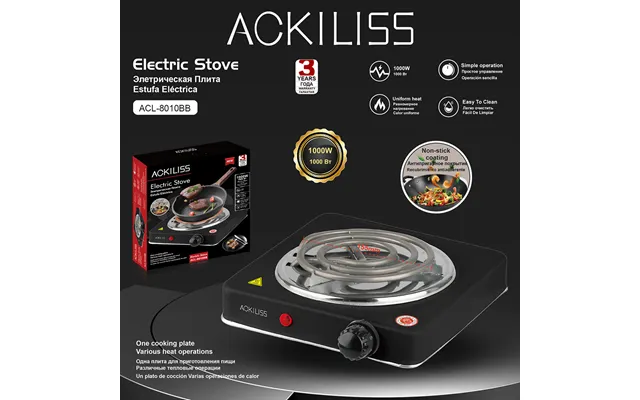
ZoneOffer helps shoppers compare products and deals rather than acting as a store itself. In the cooktop category, the reference offer features a multifunctional, high-power induction cooker designed for home use. It is listed as a tabletop electric stove, making it a practical option for shoppers who want a compact cooking surface without immediately committing to a full built-in installation.
The featured product is the Ceramic Home Use - Multifunctional High-power Stir-fry Hot Pot Induction Cooker. The listing describes it as a ceramic home-use, multifunctional, high-power stir-fry and hot pot induction cooker with a tabletop electric stove format.
This type of appliance may appeal to people who want flexibility. A tabletop cooktop can be useful in a smaller kitchen, a secondary cooking area, or a home where countertop space matters. Instead of treating the appliance like a permanent centerpiece, you can think of it as a compact cooking tool that steps in when you need another burner or a separate surface.
The product is listed under the brand name Voghion and is shown through the store identified as voghion. The listed price is $19.57. Because prices and product listings can change, shoppers should review the current offer details before making a purchase.
The reference data emphasizes several characteristics: tabletop design, electric operation, ceramic construction, multifunctional use, high-power cooking, stir-fry compatibility, and hot pot use. These details give you a useful starting point when deciding whether the product matches your kitchen routine.
“Multifunctional” can be especially appealing if you enjoy switching between different cooking styles. Stir-frying calls for active cooking and frequent movement, while hot pot meals often involve keeping food warm as everyone serves themselves. A cooktop designed around these uses may suit relaxed shared meals as well as quick weekday cooking.
Before choosing any cooktop, it helps to understand the broad categories. Each one has its own personality. Gas is like a visible flame you can adjust by instinct. Electric surfaces are steady and familiar. Induction is more like invisible energy working directly through compatible cookware.
Induction cooktops use electromagnetic energy to heat compatible cookware. The cooking surface itself does not work like a traditional exposed heating coil. Instead, the pan becomes the central part of the heating process.
Many shoppers choose induction because it offers a modern cooking experience and a smooth surface that can fit neatly into contemporary kitchens. It is also a popular format for tabletop appliances because an induction unit can provide a focused cooking area without requiring a large range.
However, cookware compatibility matters. Before choosing an induction product, check whether your existing pots and pans are suitable. If your cookware is not compatible, you may need to replace some pieces or use another type of cooking surface.
Electric cooktops use electrical power to heat a cooking area. They are available in several designs, including tabletop and built-in formats. The featured product falls into the tabletop electric stove category, giving it a more flexible placement style than a permanently installed cooktop.
An electric tabletop cooktop can be useful when you need an extra cooking zone. Imagine your main kitchen as a busy workbench: when every space is occupied, a compact secondary surface can help you prepare another dish without rearranging the entire meal.
Ceramic cooktops are known for their smooth surface appearance. The featured cooker is described as ceramic, which may appeal to shoppers who prefer a clean, modern-looking appliance that blends into a countertop setup.
A smooth cooking surface can also make the appliance feel less visually busy. Still, every surface needs careful handling. Avoid treating a cooktop like a cutting board, and follow the product instructions for cleaning and cookware use.
Gas cooktops remain popular with cooks who prefer a visible flame and immediate visual feedback. You can see the flame change as you adjust the controls, which can make heat management feel intuitive.
Gas models are not the focus of the featured offer, but they are worth considering when comparing cooktop types. The right option depends on your kitchen setup, fuel access, cookware preferences, and comfort with different cooking methods.
A tabletop cooktop is designed to sit on a counter or another suitable flat surface rather than forming part of a permanently installed range. That difference can matter if you rent your home, have limited kitchen space, or want a supplemental cooking area.
Tabletop appliances can also support different routines. You might use one during a large meal when your main cooking surface is full. You might place it in a separate area for hot pot dining. Or you might prefer a smaller appliance because a full-size cooktop is more than you need.
The featured induction cooker is described as suitable for home use and as a tabletop electric stove. Those details make it relevant to shoppers seeking convenience in a compact format. Even so, you should consider your available surface, electrical setup, cookware, and preferred cooking habits before deciding.
In a compact kitchen, every inch of counter space has a job. A tabletop cooktop may offer a way to create a cooking station without redesigning the whole room. It can be particularly appealing when you want a dedicated surface for one cooking task.
Ask yourself a simple question: do you need a permanent installation, or would a flexible cooking tool serve you better? If your needs change from day to day, portability and simple placement may be more valuable than a built-in appearance.
Even in a larger kitchen, an additional cooktop can be helpful. During holidays, parties, or family meals, one cooking surface can quickly become crowded. A second appliance may give you more room to manage separate dishes.
The featured product’s description mentions stir-fry and hot pot use, two styles that can benefit from having a dedicated cooking area. You can focus on one dish without constantly moving pans around the main cooktop.
Stir-frying is fast, active, and practical. Ingredients move quickly from preparation to pan, so a suitable cooktop should fit a cooking style that involves frequent stirring and close attention.
When shopping, look for a design that supports your preferred cookware and gives you enough room to work safely. Since the reference listing specifically describes the featured product as a high-power stir-fry induction cooker, it may interest shoppers who regularly prepare stir-fried meals.
Good preparation matters just as much as the cooktop. Cut ingredients before turning on the appliance, keep sauces nearby, and organize your workspace so you are not reaching across a hot pan. Think of stir-frying as a short performance: the better your setup, the smoother the show.
Hot pot dining is social and interactive. Instead of finishing every ingredient in the kitchen, diners can gather around the cooking surface and prepare food together. A tabletop electric cooktop can fit naturally into this style because it brings the cooking area closer to the table or serving space, provided the setup is safe and appropriate.
The featured product description specifically includes hot pot use. That makes it worth considering for shoppers who enjoy shared meals and want an appliance associated with this cooking format.
Safety should remain the priority. Place the appliance on a stable, heat-resistant surface, keep cords away from walkways, and make sure everyone has enough room around the cooking area. Always follow the manufacturer’s instructions for placement and operation.
Product names can sound impressive, but the most useful comparisons focus on how an appliance fits your life. Start with the format. Is it tabletop or built-in? Do you want a dedicated appliance, or are you replacing an existing cooktop?
Confirm whether the cooktop is induction, standard electric, ceramic electric, or gas. The featured product is described as an induction cooker and tabletop electric stove. That combination may suit shoppers looking for an electric appliance with a compact format.
Cooking method affects cookware compatibility and daily use. If you already own pans you love, check whether they work with the cooktop type before buying. A beautiful appliance is not much help if your favorite cookware cannot be used on it.
Consider whether you want a cooktop for everyday meals, occasional backup cooking, stir-frying, hot pot dining, or a mixture of tasks. The reference product is presented as multifunctional, with stir-fry and hot pot applications included in its description.
Writing down your most common meals can make the decision easier. If you often prepare quick one-pan dishes, your priorities may differ from those of someone who hosts group hot pot dinners.
A tabletop cooktop needs an appropriate place to operate. Measure your available area using imperial units and leave enough room for cookware, utensils, and safe handling. Do not squeeze the appliance between cluttered objects or place it where heat could damage nearby items.
The surface should be stable, level, and suitable for the appliance. Follow the product’s instructions rather than relying on guesswork. A few minutes of preparation can prevent a great deal of frustration later.
Think about how you prefer to control heat. Some shoppers like simple controls, while others want more cooking functions. The featured product is described as multifunctional, but the reference data does not specify its exact control layout or settings. Review the live listing for those details before making a final decision.
Also consider cleaning. Smooth surfaces can look tidy, but spills should be addressed promptly and only with methods approved for the appliance. Always let the cooktop cool as directed before cleaning it.
Price matters, but it is only one part of value. A low-priced cooktop may be attractive if it matches your needs, while a more expensive model may be unnecessary if you only need occasional extra cooking capacity.
The featured voghion cooker is listed at $19.57 in the reference data. That price gives shoppers a clear comparison point, but it should not be treated as a permanent guarantee. Online prices can change, so check the current listing when you are ready to compare.
Instead of asking only, “What is the cheapest option?” ask, “What will I actually use?” A cooktop that supports your favorite meals and fits your space may deliver more practical value than one with features you never touch.
Once you choose a cooktop, good habits help you get more from it. Keep the cooking area clear, use suitable cookware, and read the instructions before the first use. Even a compact appliance deserves the same attention you would give any kitchen tool.
Clean spills according to the manufacturer’s guidance, and avoid harsh methods unless the instructions specifically allow them. Ceramic and smooth surfaces can benefit from careful handling. Do not drag heavy cookware across the surface if doing so could cause damage.
When storing a tabletop appliance, protect it from moisture, impact, and clutter. Keep it in a place where the cord and cooking surface will not be crushed or bent. Small care steps are like regular maintenance on a bicycle: they help keep the tool ready for the next trip.
The featured tabletop induction cooker may appeal to shoppers who want an electric cooking surface for home use, especially those interested in stir-fry or hot pot meals. Its tabletop format may also be relevant to people looking for a compact or supplemental cooking option.
It may be less suitable for someone who specifically wants a permanently installed, full-size kitchen cooktop. The reference data does not provide installation specifications, dimensions, control details, or cookware requirements, so shoppers should verify those points in the current product listing.
That is the value of comparing before buying. You can match the product description with your own kitchen rather than relying on a generic idea of what a cooktop should be.
Before you choose, create a short checklist. Identify the cooking method you prefer, the space available, the meals you prepare most often, and whether you need a permanent or tabletop solution. Then compare those needs with the product description.
For the featured cooker, pay particular attention to its tabletop electric format, induction cooking method, ceramic description, multifunctional positioning, and stated suitability for stir-fry and hot pot use. These are the details supported by the listing and the ones most relevant to deciding whether it belongs in your kitchen.
Also remember to confirm current price and listing information. ZoneOffer is a comparison site that helps you review available product information; it is not the store selling the appliance. Checking the offer before purchase helps ensure that your decision reflects the latest details.
A cooktop should match the way you live and cook. The featured Ceramic Home Use - Multifunctional High-power Stir-fry Hot Pot Induction Cooker offers a tabletop electric format, ceramic design, and multifunctional positioning for home cooking, stir-fry, and hot pot use. Listed at $19.57 through voghion in the reference data, it gives shoppers a specific option to compare. Whether you choose this product or another type of cooktop, focus on cooking method, cookware compatibility, available space, intended use, and safe setup. When those pieces fit together, choosing a cooktop becomes less like guessing and more like finding the right tool for the job.