


Shoe Brushes price list
Last updated Saturday, Nov 14, 2026

View 5 Offers
Loading...
Last updated Saturday, Nov 14, 2026
Clean shoes can change the whole impression of an outfit. A well-maintained pair looks sharper, lasts longer, and feels more comfortable to wear. The right shoe brush acts like a small maintenance tool in your wardrobe: simple, affordable, and useful whenever leather, suede, or everyday footwear needs attention.
This guide explores the shoe brushes featured in the available comparison data, including a compact curved horsehair brush, a French-made leather polishing brush, and a Decker brush with stiff natural union fiber bristles. Each option has a different feel and purpose, so how do you know which one fits your routine?
ZoneOffer is a comparison site that helps shoppers review available product information. It is not a store, and product prices, descriptions, and availability should be checked against the relevant listing before making a purchase.
A shoe brush helps remove loose dust and surface debris before they become embedded in the material. Think of it as sweeping a floor before mopping it. When you brush first, later care products can work more evenly, and you reduce the need for aggressive rubbing.
Brushes are also useful for spreading polish across leather footwear. Instead of applying a thick layer in one spot, you can use controlled strokes to distribute the product over the surface. This can make your shoe-care routine feel faster and less messy.
Not every brush works in exactly the same way. Softer hair is generally more comfortable for polishing and gentle surface care, while stiffer fibers can be useful when you need to loosen dirt from a more resistant surface. The material, shape, handle, and intended use all matter.
The reference data includes three distinct shoe brush listings. They cover different styles, from a compact customized brush to a French-made polishing brush and a medium Decker brush with a small handle.
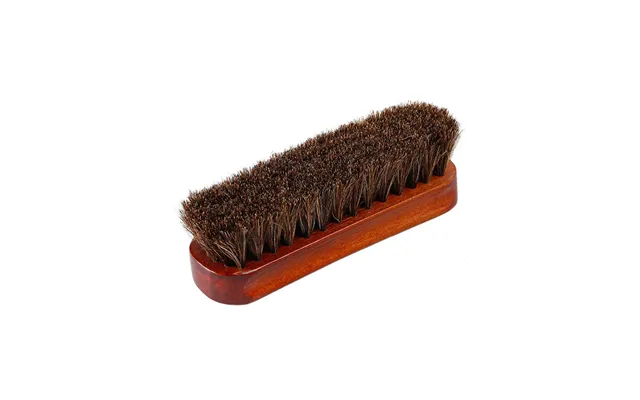
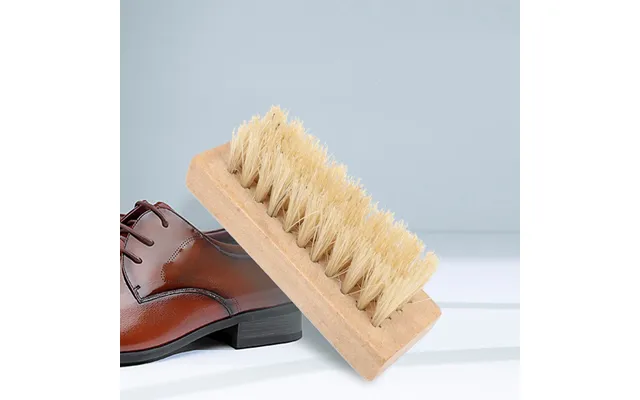
The customized color curved shoe brush is listed with horsehair bristles and a length of approximately 5.9 inches. Its curved design may appeal to shoppers who prefer a brush that sits naturally in the hand while working around the toe box, sides, and heel.
The listing appears on Alibaba with a listed price of $1.20. Its description also mentions “1M new products” and exclusive perks of up to $500 off. Because promotional wording can vary by listing and conditions may apply, review the current offer details before relying on any savings statement.
A compact brush can be especially convenient for a small shoe-care kit. You could keep it in a drawer, travel case, or closet without giving up much space. The curved profile may also help you maintain a steady grip during repeated brushing.
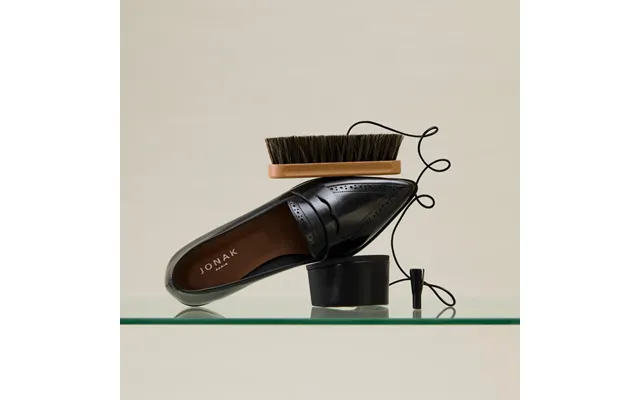
The Jonak unisex shoe polishing brush is described as a leather-care brush made in France. The listing identifies the brand as Rue Madame and places the product on Cerqular at a listed price of $15.84.
This brush is a natural choice for people who want a tool centered on leather polishing. A polishing brush can help spread care products and buff the surface after application. Use light, even movements rather than pressing hard, especially when working on a delicate or finely finished pair.
The product title references Jonak, while the supplied listing identifies the brand as Rue Madame. Since product naming can include collection or listing terminology, shoppers should compare the full product page details before purchase.
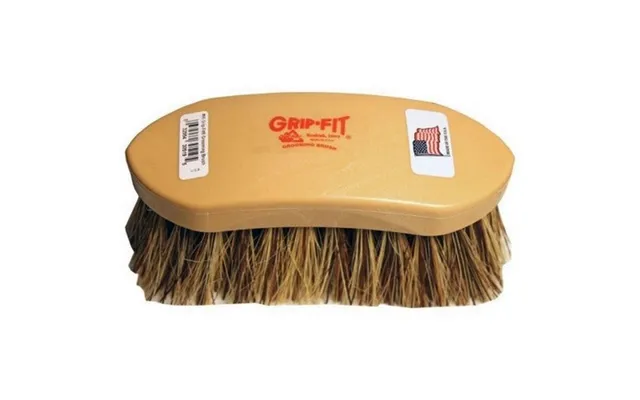
The Decker Pride 96 is listed as a medium, brown brush with stiff natural union fiber bristles. It has a small handle and a flat-trimmed bottom. The handle uses grip-fit technology, according to the provided product description.
This listing appears on Peta2z at a listed price of $11.27. The description emphasizes a stiff fiber construction, which may suit tasks where you need more brushing strength. That makes it a potentially practical choice for removing stubborn surface debris, although you should always match the brush pressure to the footwear material.
The small handle may give you close control, while the flat-trimmed bristle base provides a consistent contact area. If you like a firm brush that feels more functional than decorative, this Decker option may be worth comparing with softer polishing styles.
Bristle type is one of the most important differences between shoe brushes. Horsehair is commonly associated with gentler brushing and polishing work. Its softer feel can be useful when you want to remove light dust or buff leather without treating the surface too roughly.
Natural union fiber is stiffer and more structured. In the Decker listing, the union fiber bristles are described as stiff, so the brush has a different role from a soft polishing brush. It may be better suited to more demanding cleaning tasks, but footwear should still be tested carefully.
When choosing between the two, ask yourself what your shoes usually need. Do they mainly collect light dust after office wear? A softer brush could be a sensible fit. Do they pick up dried dirt from outdoor use? A firmer fiber may provide more useful cleaning power.
Leather, suede, canvas, and synthetic materials can react differently to brushing. A brush that feels appropriate for smooth leather may not be ideal for suede or a fragile finish. If the material is unfamiliar, test the brush on a hidden area first.
For smooth leather, a brush may help remove dust and spread polish. For suede, use a tool specifically intended for suede care when possible, since the nap can be altered by unsuitable brushing. Canvas and synthetic footwear may tolerate firmer cleaning, but excessive pressure can still damage the surface or stitching.
A compact brush is easy to store and carry. The approximately 5.9-inch curved Alibaba brush is an example of a smaller format that may suit travel or quick touch-ups. A smaller tool can also help you reach narrow sections around the heel and sole edge.
Handle shape affects comfort just as much as brush size. The Decker listing describes a small handle with grip-fit technology, while the customized brush uses a curved form. Try to picture your hand moving across the shoe: does the brush feel like an extension of your fingers or something you need to fight?
Soft bristles are often more comfortable for finishing and polishing, while stiff bristles can provide stronger agitation. However, “stronger” does not automatically mean “better.” A firm brush used too aggressively may scuff or disturb a delicate surface.
Use short, controlled strokes at first. If the brush removes dust easily, there is no reason to press harder. Your goal is effective cleaning, not maximum force.
Start by removing laces if they block the areas you want to clean. Place the footwear on a stable surface and brush away loose dirt with gentle strokes. Work from the upper toward the sole edge, paying attention to seams, creases, and the area around the heel.
Once the loose debris is gone, inspect the shoe under good light. If you plan to use polish or another care product, follow the product’s instructions and apply only a small amount at first. Use the brush to distribute the product evenly instead of creating a heavy layer.
After the product has settled as directed, buff the surface with light, repeated strokes. Keep your movements consistent and avoid scrubbing one small area for too long. The process should feel more like polishing a tabletop than scouring a stain from a pan.
Clean the brush after use by shaking or gently brushing the bristles against a clean surface. Do not mix very different products on the same brush if you want to avoid transferring residue between colors or materials.
Use separate brushes for different colors when possible. A brush used with dark polish can transfer residue to lighter footwear. Labeling brushes or storing them in separate compartments can prevent an avoidable mistake.
Keep your shoes dry before brushing. If footwear is wet, allow it to dry naturally away from direct heat before beginning care. High heat can affect some materials, adhesives, and finishes, so patience is usually safer than rushing.
Brush regularly rather than waiting until dirt has built up. A quick cleaning session takes less effort than trying to remove a thick layer of grime later. Even a few minutes of routine care can help your footwear look more presentable.
Do not assume every mark will disappear with brushing. Grease, salt, deep scuffs, and stains may require a suitable cleaner or professional treatment. Brushing is an important first step, not a universal solution.
The three listed prices cover a broad range. The customized curved horsehair brush is shown at $1.20, the Decker Pride 96 is shown at $11.27, and the Jonak polishing brush is shown at $15.84. These are the prices supplied in the comparison data and may change on the associated listings.
Price alone does not tell the complete story. The Alibaba brush emphasizes a compact curved design and horsehair bristles. The Decker brush offers stiff natural union fiber, a small handle, and grip-fit technology in its description. The Jonak listing focuses on leather polishing and identifies the item as made in France.
Which one is the best value? That depends on your footwear collection and how often you brush. A shopper maintaining smooth leather may prioritize polishing performance, while someone cleaning more durable shoes may prefer a firmer brush. Comparing construction and intended use is more helpful than looking only at the lowest number.
When using ZoneOffer, treat the listings as a starting point for comparison. Review the product name, seller or store shown in the listing, brand information, price, and description together. Details can differ between products that appear similar at first glance.
Check the current listing before completing a purchase, especially when a description mentions promotions or special perks. The available data includes promotional wording for the Alibaba listing, but the final terms are not provided here. Confirm the conditions directly on the relevant offer page.
It is also useful to compare the brush with your actual needs. A low-priced brush may be ideal for occasional dust removal, while a more specialized polishing brush could make sense for someone who maintains leather footwear frequently. The smartest choice is the one you will actually use.
The right shoe brush can turn footwear care from a chore into a quick habit. The approximately 5.9-inch curved horsehair brush offers a compact design at a listed $1.20, the Jonak polishing brush is listed at $15.84 and described as made in France for leather care, and the Decker Pride 96 is listed at $11.27 with stiff natural union fiber bristles and a small grip-fit handle. Compare their bristle types, shapes, and intended uses, then choose the tool that matches your shoes and routine. With gentle technique and regular care, a simple brush can help your footwear stay cleaner and look its best.