


Pest Control - Other price list
Last updated Thursday, Nov 12, 2026

View 2 Offers
Loading...
Last updated Thursday, Nov 12, 2026
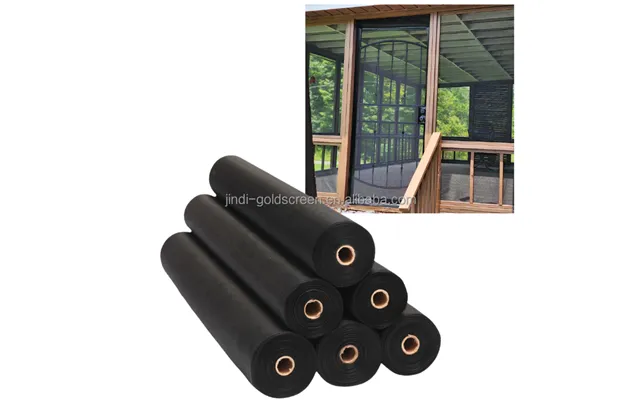
Keeping unwanted insects out of your living space does not always require complicated equipment or harsh chemicals. Sometimes, a simple physical barrier can make a meaningful difference. The Jindi 48 in x 100 ft Roll 18x16 Mesh Fiberglass Mosquito Net is designed for people looking for screening material that can be used around windows and other openings.
Listed through Alibaba at $15.99, this roll offers a generous amount of mesh for household projects, repairs, or custom screening work. On ZoneOffer, a comparison site, you can review this offer alongside other shopping possibilities and decide whether it fits your needs. Think of it as comparing tools before starting a home project: the right material can make the entire job smoother.
The Jindi mosquito net is a roll of fiberglass mesh measuring 48 inches wide and 100 feet long. Its 18x16 mesh specification refers to the arrangement of the openings in the screen. The product listing also identifies it as an E glass mesh and describes it as having no smell and a modern design.
Because it comes as a roll rather than as a finished window panel, you can approach it as a flexible screening material. That may be helpful when you need to replace worn mesh, prepare several openings, or cut sections to match different project sizes. Instead of being locked into one pre-cut shape, you have material to work with.
A roll gives you more control over how you use the screen. You can measure an opening, cut a suitable section, and plan the material around your project. This can be especially useful when a single ready-made panel does not match the width or length you need.
At the same time, a roll requires some planning. You may need appropriate tools and a method for securing the mesh in place. Before ordering, measure the openings you want to cover and consider how much extra material you may need for trimming or fastening.
The reference listing provides several useful details about this screening product. It is a Jindi-branded roll, measures 48 inches by 100 feet, and uses an 18x16 fiberglass mesh. The listing names Alibaba as the store and shows a price of $15.99.
The product title also describes it as suitable for mosquito netting and outdoor window screen use. These details make it relevant for people searching for a screen material rather than a complete framed screen. However, the reference data does not specify included fasteners, frame components, installation tools, or pre-cut pieces.
Mesh numbers can look technical, but they simply help describe the screen structure. The 18x16 designation indicates the pattern of the mesh and can help shoppers compare one screen material with another. If you are replacing an existing screen, checking the dimensions and mesh specification can help you choose a closer match.
It is wise to compare the listed measurements with your current screen before making a decision. A screen that appears suitable in a product title may still require cutting, overlapping, or adjustment depending on the opening you are working on.
Mosquito screening is commonly considered for window openings, porch areas, outdoor structures, and repair work. The Jindi roll is described as an outdoor window screen and mosquito net, so it may appeal to shoppers planning projects that involve keeping flying insects outside while allowing air to move through the screened area.
You might use roll material for a damaged section of window screen, a replacement project, or a custom-sized opening. It could also be useful when several openings need attention. The long roll length gives you room to plan multiple cuts, although the amount required will depend on the size and number of your projects.
Small tears can turn a comfortable room into an open invitation for insects. Replacing the damaged mesh can be a straightforward way to refresh a screen. First, measure the existing panel and inspect how it is attached. Then, determine whether you are replacing only the mesh or rebuilding more of the screen assembly.
Since the listing describes a roll of mesh, do not assume that a frame, spline, clips, or other accessories are included. Those details are not provided in the reference data. If your current frame is usable, you may only need to focus on removing the old mesh and securing the new section correctly.
Outdoor areas often benefit from screening because they are exposed to insects from several directions. A roll can be easier to adapt than a fixed panel when the space has unusual dimensions. You can map the opening, allow for attachment, and cut the material to fit.
Before beginning, consider wind, tension, and the way the screen will be handled. A loose section may allow gaps, while excessive pulling may distort the mesh. Careful measuring is like laying out a puzzle: each piece should fit the space without forcing it.
Fiberglass mesh is a familiar material in many screen applications. Its appeal often comes from its flexible handling and suitability for cutting into project-specific sections. For a shopper comparing screen materials, fiberglass may be worth considering when the goal is a practical barrier for windows or outdoor openings.
The Jindi listing specifically identifies the product as fiberglass and E glass mesh. It also describes the item as having no smell. These are the product characteristics supplied in the listing, while details such as durability ratings, weather resistance, and lifespan are not provided and should not be assumed.
Custom projects rarely behave like perfect rectangles. One opening may be narrow, another may be wide, and a third may need a replacement strip. Roll screening lets you work with those differences instead of searching for one panel that happens to match every measurement.
For the best result, make a simple cutting plan before handling the material. Write down each opening, add the amount needed for attachment, and arrange your cuts to reduce waste. This small step can save time and help you use the roll more efficiently.
Start by identifying the exact areas you want to screen. Measure the width and height of each opening in inches, and record the numbers clearly. If you are replacing old mesh, measure the frame or the section where the new material will be secured rather than relying only on the visible opening.
Next, review the roll dimensions: 48 inches wide and 100 feet long. Compare those measurements with your project list. The width may work well for some openings, while larger areas could require a different layout or more than one section. Planning first helps you avoid unpleasant surprises halfway through the job.
The reference data does not list installation tools or included hardware. Depending on your project, you may need items for measuring, cutting, holding, and securing the mesh. The exact requirements can vary based on whether you are repairing a framed window, covering an outdoor opening, or creating another type of barrier.
Read the seller’s current product information carefully before ordering so you understand what the package contains. If a tool or accessory is essential to your project, verify whether it is included or needs to be obtained separately. A clear checklist can keep a simple screen project from turning into a last-minute search for missing parts.
A 100-foot length offers room for more than one project, but careful use still matters. Create a rough cutting diagram and group sections by width. If several openings have similar dimensions, arranging them together may make the material easier to manage.
Keep your measurements visible while cutting and mark each section after it is separated. This is especially helpful when multiple pieces look alike. Small labels can prevent confusion and make installation more orderly.
Measuring twice before cutting is a simple habit with a big payoff. Include any extra material needed to attach the screen, but avoid adding so much that the piece becomes awkward to handle. The correct allowance depends on your frame and installation method, which are not specified in the listing.
If you are uncertain about how much material to allow, consider testing your method on a small section first. A trial can reveal whether your cutting plan and attachment approach work before you commit a larger piece of mesh.
ZoneOffer is a comparison site, not a store. Its role is to help shoppers review product offers and make more informed buying decisions. For this listing, the available reference details show the Jindi 48 in x 100 ft roll at $15.99 through Alibaba.
The reference data also mentions exclusive perks of up to $500 off, but it does not provide enough detail to determine the exact conditions, eligibility, or application of that statement. Treat promotional language as something to verify on the current offer page rather than as a guaranteed discount for every shopper.
Compare the listed dimensions with your project, review the mesh specification, and confirm that the product type matches your intended use. You should also check current seller information for package contents, shipping details, availability, and any applicable terms. Those details are not supplied in the reference data and may change.
Price is important, but fit matters just as much. A low-cost roll that does not suit your opening may create extra work. On the other hand, a flexible roll with the right dimensions may be a practical choice for several repairs or custom projects.
Every screening project has its own priorities. If you are repairing one small window, a smaller pre-cut piece might be more convenient. If you have multiple openings or want material for future repairs, a roll may offer more flexibility. The right choice depends on your measurements, tools, and preferred installation method.
Consider the environment as well. Indoor window repairs, covered outdoor spaces, and exposed structures may place different demands on the screen. The reference data identifies the Jindi product for mosquito netting and outdoor window screen use, but it does not provide performance ratings for particular weather conditions.
How many openings need screening? Are the frames still in good condition? Do you need only mesh, or do you also need installation hardware? Can you cut and secure a roll yourself? These questions help you decide whether this type of product suits your project.
When you know the answers, shopping becomes less like guessing and more like following a map. You can compare the roll dimensions and listed price with your actual requirements instead of focusing on the title alone.
Once installed, inspect the screen from time to time for tears, loose edges, or gaps. Small problems are often easier to address when they are noticed early. Keeping the surrounding frame clean may also make it easier to see whether the mesh remains properly secured.
Use gentle handling when removing dust or checking a repaired area. Avoid pulling sharply on a loose section, since unnecessary tension can enlarge a weak spot. The best maintenance approach depends on the installation and the conditions around the opening.
The Jindi 48 in x 100 ft Roll 18x16 Mesh Fiberglass Mosquito Net is a flexible screening material listed through Alibaba at $15.99. Its roll format may suit window repairs, custom screening, and outdoor projects where pre-cut panels do not provide the right dimensions. Before purchasing, measure carefully, confirm what is included, and review current offer details. With a sensible plan, the right screen can act like a quiet shield between your home and unwanted flying insects.