

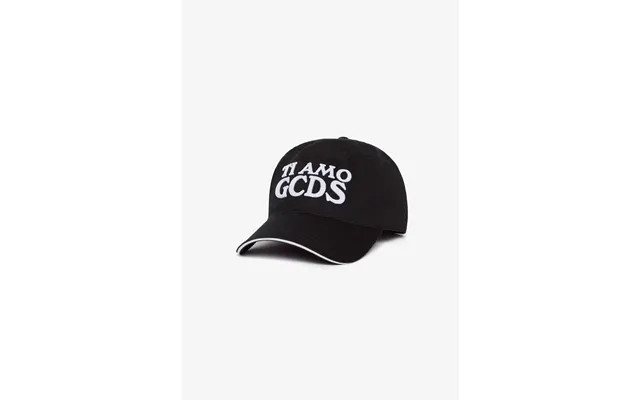
Garment Shields price list
Last updated Saturday, Nov 28, 2026
| Garment Shields | Price |
|---|---|
| Gcds Gcds | $176.00 |



View 1 Offers
Loading...
Last updated Saturday, Nov 28, 2026
| Garment Shields | Price |
|---|---|
| Gcds Gcds | $176.00 |
Garment shields are small but useful laundry accessories designed to help protect clothing from sweat, body oils, deodorant marks, and everyday wear. If you have ever noticed yellowing under the arms of a favorite shirt or washed an item repeatedly because of stubborn marks, you already understand the problem they can help address. A garment shield acts like a quiet layer of protection between your body and your clothing, much like a phone case protects a screen from daily bumps.
For shoppers in the United States, choosing the right garment shield can make clothing care feel less like a chore. The goal is not simply to buy an accessory. It is to find an option that fits your clothing, feels practical to use, and supports a cleaner, more organized wardrobe routine. The reference data features the Gcds Gcds product, listed under the gcds brand by Drestige at a price of $176.00. Because ZoneOffer is a comparison site, shoppers can use the listing as a point of reference while evaluating the product and comparing available options.
Garment shields are protective inserts or barriers used with clothing, especially shirts and other garments that can show underarm moisture or discoloration. Depending on the design, they may be placed inside a garment, worn as part of an underlayer, or used in another way specified by the product. Their central purpose is simple: reduce the direct contact between the body and the fabric you want to preserve.
Think of a garment shield as a buffer. Instead of sweat, oils, or deodorant residue reaching your shirt immediately, the shield can help create an additional layer between your skin and the material. This may be particularly useful for clothing worn during long days, warm weather, travel, work, or social occasions when changing outfits is not convenient.
Many people turn to garment shields because certain clothing items need extra care. A crisp shirt, delicate top, or frequently worn work garment may develop visible marks over time. Even when a shirt looks clean after washing, repeated exposure to moisture and products can gradually affect the fabric.
Garment shields may also appeal to shoppers who want to reduce the frequency of washing some items. Fewer wash cycles can mean less time spent sorting laundry and less repeated stress on clothing. However, a shield does not eliminate the need to clean garments or follow the care instructions attached to them. It is best viewed as an additional clothing-care tool, not a replacement for normal laundering.
The underarm area is often one of the first parts of a shirt to show wear. Moisture, deodorant, body oils, friction, and heat can all contribute to visible changes. A garment shield may help reduce how much of that contact reaches the outer fabric, giving your clothing an extra line of defense.
This can matter most with garments that are expensive, difficult to clean, or worn repeatedly. If a shirt becomes marked after only a few uses, you may end up spending more time washing, treating, and inspecting it. A protective layer can make the routine more manageable, especially when you want to keep favorite pieces looking presentable for longer.
Sweat stains can be frustrating because they may not appear immediately. A garment can look fine when you put it on, yet show discoloration after several wears. Garment shields are designed to help address this kind of issue by placing a protective barrier near areas most likely to experience moisture.
The results can depend on fit, placement, garment construction, and personal use. No accessory can promise identical performance for everyone. Still, the basic idea is practical: catch or limit moisture before it becomes deeply absorbed into the shirt fabric.
Deodorant and antiperspirant products can leave residue on clothing, particularly when a garment is put on before the product has fully dried. This residue may combine with moisture and fabric fibers, creating marks that become harder to remove over time.
A garment shield can provide another layer between the product and the shirt. For best results, it still makes sense to allow personal-care products to dry before dressing and to follow any instructions that come with the shield. Small habits often work better together than alone.
The reference data includes a listing titled Gcds Gcds. It is associated with the gcds brand and shown by drestige. The listed price is $176.00. The supplied data does not provide additional specifications such as dimensions, materials, color choices, attachment method, care instructions, or stock status, so shoppers should verify those details before making a decision.
When reviewing a product listing like this, look beyond the name and price. Ask yourself how the item is intended to be used, whether its design suits your clothing, and what information is available about fit and maintenance. These questions help you compare products based on real-life usefulness rather than appearance alone.
Start with the product description and identify any information about construction, intended placement, and recommended clothing types. If the listing does not explain a feature you consider important, treat that as a reason to investigate further rather than making an assumption.
You may also want to consider how often you plan to use the garment shield. Someone looking for occasional protection for special outfits may prioritize a different design from someone who wants an everyday solution for work shirts. Your routine is the measuring tape; the product should fit it.
Garment shields can differ in design, so comparison is worthwhile. Even when two products serve a similar purpose, they may feel very different in daily use. Look at the following areas when assessing an option.
A shield needs to sit in the right place to be useful. Poor placement can reduce coverage and may create discomfort or visible lines. Before buying, check whether the product is intended for a particular garment style or body area. A design that works well with one shirt may not be equally suitable for another.
Consider the shape of your clothing as well. Slim-fitting shirts, loose tops, sleeveless garments, and structured workwear may require different approaches. If the shield moves during wear, the protective benefit may be reduced.
Because garment shields are worn close to the body or placed inside clothing, comfort matters. A useful product should not distract you throughout the day. Look for clear information about its feel, thickness, and how it is secured, when those details are supplied in the listing.
Comfort is personal. Some shoppers prefer a lightweight layer that stays unnoticed, while others may value stronger coverage. If you are sensitive to seams, adhesives, or particular textures, review the available product information carefully.
The best clothing-care tool is often the one you will actually use. A garment shield that takes too long to position or clean may be ignored after the novelty fades. Consider whether it appears straightforward to put on, remove, clean, or store based on the product information available.
Imagine your normal morning. You are choosing an outfit, preparing breakfast, and trying to leave on time. Would the product fit naturally into that routine, or would it feel like another complicated step? That simple question can reveal whether a design is practical for you.
Laundry can become a cycle of wear, wash, dry, fold, and repeat. Garment shields may help make that cycle more manageable by protecting clothing during wear. If a garment remains fresher between washes, you may be able to plan laundry more efficiently, while still cleaning items whenever they need it.
This does not mean every item should be worn repeatedly without washing. Clothing care depends on the garment, the activity, the weather, and personal preference. Instead, garment shields can support a more thoughtful approach: wash when needed, protect where practical, and avoid treating every item as if it requires the same routine.
Frequent washing can place stress on fabric through water, detergent, movement, and drying. Protecting high-use areas may help you take a gentler approach to clothing maintenance. This can be especially appealing when you want to preserve a favorite shirt or reduce the visible effects of everyday wear.
Always follow the garment’s own care label. A shield is not a reason to ignore washing instructions, stain treatment guidance, or fabric-specific requirements. Think of it as a seat belt: useful protection, but not a substitute for responsible driving.
People interested in garment shields often care about reducing laundry demands and making clothing last. Extending the useful life of clothing can support a less wasteful wardrobe because items may remain wearable for longer. However, the environmental value of any product depends on factors such as its materials, durability, cleaning needs, and how often it is used.
The supplied information does not identify the materials or environmental certifications of the Gcds Gcds listing. For that reason, shoppers should not assume that it is eco-friendly without checking the product details. If sustainability is important to you, look for clear information about construction, longevity, care, and disposal before deciding.
Rather than focusing only on a sustainability label, consider the complete use cycle. Will the product be durable enough for your routine? Can it be cared for without excessive effort? Does it solve a genuine clothing problem? A product that matches your needs is less likely to sit unused in a drawer.
You can also build a practical wardrobe routine by caring for garments according to their instructions, airing items when appropriate, treating marks promptly, and avoiding unnecessary washing. Garment shields may be one part of that broader strategy.
Garment shields may be useful for people who regularly wear shirts, workwear, uniforms, or other clothing where underarm marks are noticeable. They can also appeal to anyone who wants additional protection for garments worn during long days or in warm conditions.
They may be worth considering if you often deal with sweat marks, deodorant residue, or repeated washing of the same clothing. On the other hand, shoppers who rarely experience these issues may not need a specialized solution. As with any household supply, usefulness depends on the problem you are trying to solve.
Travel can make clothing care more challenging. You may pack fewer outfits, spend long hours away from home, or lack convenient access to laundry. A garment shield may fit into a travel-focused wardrobe plan by offering an extra protective layer during wear.
Before traveling, think about storage and cleaning requirements. The reference data does not provide travel-specific details for the Gcds Gcds listing, so confirm its practical features before relying on it for a trip.
ZoneOffer is a comparison site, not a store. Its role is to help shoppers review product information and compare listings. The Gcds Gcds entry appears with the gcds brand, drestige as the listed store, and a price of $176.00 in the supplied data.
When using a comparison listing, treat the displayed details as a starting point. Check the current product page for information that may not appear in the comparison data, including materials, sizing, care instructions, availability, and any conditions connected with the listed price. This is especially important when the product description is brief.
Does the product suit the garments you wear most often? Is the listed information detailed enough for you to understand how it works? Does the price fit your budget? Are there product specifications you still need to confirm? Asking these questions helps you shop with confidence rather than relying on guesswork.
It is also wise to compare the product with other garment shield options when available. Look at design, intended use, comfort, maintenance, and value together. The lowest price is not automatically the best choice, just as the highest price is not automatically the most suitable.
Start by using the garment shield with clothing that gives you the clearest reason to try it. Choose a shirt that often shows underarm marks or requires frequent washing. This creates a practical test instead of leaving the product unused in a drawer.
Pay attention to positioning and comfort during wear. If the shield shifts, rubs, or fails to cover the intended area, review the instructions and adjust how you use it. Keep your expectations realistic, too. The purpose is to help protect garments, not to guarantee that every stain or odor will disappear.
Let personal-care products dry before dressing, wash garments according to their labels, and treat visible marks as soon as practical. Store clothing in a way that allows it to remain clean and dry. These habits can work alongside a garment shield to create a more reliable routine.
Most importantly, notice what works for you. Your wardrobe, body, climate, and daily schedule all affect clothing care. A simple notebook or mental check after several uses can help you decide whether the product is earning its place in your routine.
Garment shields offer a practical way to add protection between your body and clothing, particularly in areas affected by sweat, deodorant, and daily wear. They may help reduce visible marks, support more organized laundry habits, and protect favorite garments when used correctly. The reference listing for Gcds Gcds, from the gcds brand and shown by drestige at $176.00, gives shoppers one product to investigate, while the available data also shows why checking specifications is important. Compare carefully, confirm current details, and choose the option that fits your wardrobe and routine.