

Anode Rods price list
Last updated Saturday, Nov 28, 2026


View 14 Offers
Loading...
Last updated Saturday, Nov 28, 2026
Marine anodes may be small, but they perform a job that can protect much larger and more expensive parts of a boat. These sacrificial components help reduce corrosion around propulsion systems, trim tabs, transoms, bow thrusters, saildrives, and other underwater hardware. Think of an anode as a bodyguard: it takes the punishment first so more valuable metal components can last longer.
The reference listings include anode kits, transom bars, trim tab anodes, suspended anodes, de-icer anodes, a split collar anode, and bow thruster anode sets. They are made from zinc, aluminum, or magnesium, and they are designed for specific marine applications. Choosing the right one is less about picking the cheapest option and more about matching the material, shape, equipment, and installation location.
ZoneOffer is a comparison site, so it does not sell these products directly. Instead, the listings can help you compare product specifications, brands, and listed prices from the available offer source. Before ordering, always confirm that the model matches your boat hardware and intended use.
A marine anode is a sacrificial metal component used to help protect other underwater metal parts from galvanic corrosion. In a marine environment, different metals can interact through the water. When that happens, one metal may corrode faster than another. The anode is designed to sacrifice itself in that process.
That is why an anode gradually wears down. A worn anode is not necessarily a defective one; visible deterioration can indicate that it has been doing its job. However, once too much of the anode has disappeared, it may no longer provide adequate protection. Regular inspection is therefore an important part of boat maintenance.
Anodes are not universal accessories. A trim tab anode for one outboard application may not fit a transom, saildrive, bow thruster, or de-icer system. Even products that look similar can differ in shape, mounting pattern, material, or intended equipment.
The reference data demonstrates this variety. Some products are identified for Mercury Alpha 1 Gen 2 systems, while others are listed for Mercury Bravo 2-3, Yamaha equipment, Yanmar saildrives, or Vetus bow thrusters. The correct match begins with the hardware already installed on your boat.
The material is one of the most important factors when comparing marine anodes. The listings include zinc, aluminum, and magnesium options, but the best choice depends on the boating environment and the manufacturer’s recommendation. You should not automatically substitute one material for another simply because the shape appears compatible.
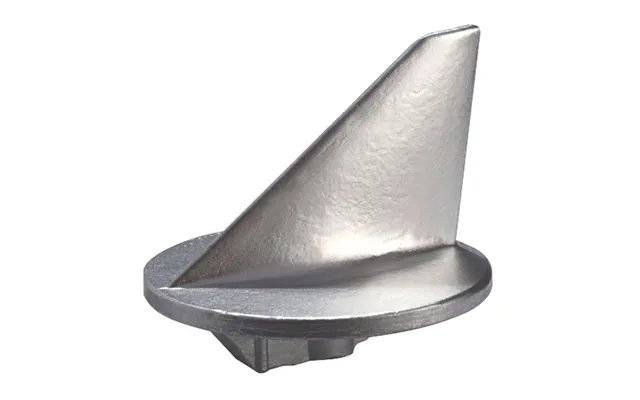
Zinc is widely associated with marine anode applications, and several products in the reference data use zinc. Examples include the Tecnoseal 20804 anode kit for Mercury Bravo 2-3, the Tecnoseal 01112 transom bar anode for Yamaha, and the Tecnoseal 00800 short trim tab anode for Mercury 50hp.
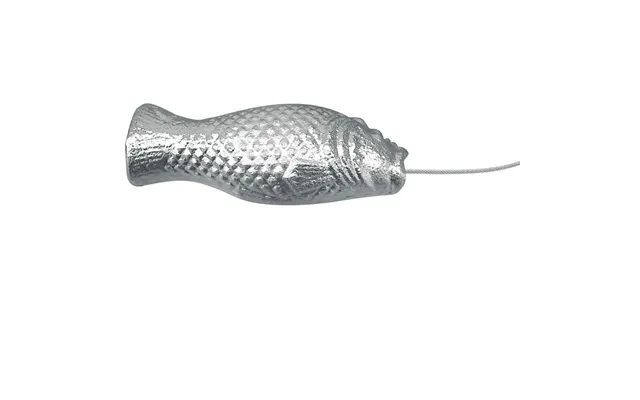
The listings also include a Tecnoseal 00630fish grouper suspended anode with cable and clamp, a Tecnoseal 01305 zinc split collar anode for specified Yanmar saildrives, and Vetus zinc anode sets for bow thrusters. Zinc products appear across several shapes and applications, so the label alone is not enough. The equipment compatibility is equally important.
Aluminum appears in several listed products, including the Tecnoseal 20801al anode kit for Mercury Alpha 1 Gen 2 and the Tecnoseal 01112al aluminum transom bar anode for Yamaha. The Performance Metals 00127a Yamaha transom anode for 115-300hp is also listed as aluminum.
Aluminum can be an appropriate choice for certain marine conditions, but you should rely on the equipment maker’s guidance and the existing anode specification. A practical comparison should consider both the material and the exact part number. Selecting aluminum only because it has a lower listed price could lead to an unsuitable purchase.
Magnesium options in the reference data include the Tecnoseal 20801mg anode kit for Mercury Alpha 1 Gen 2 and the Tecnoseal 20804mg anode kit for Mercury Bravo 2-3. These kits are clearly differentiated from the aluminum and zinc versions by their product codes and material descriptions.
When comparing a magnesium anode with a zinc or aluminum alternative, make sure the material is intended for your operating environment. Marine corrosion protection is not a one-size-fits-all subject. The right material is the one specified for the system and conditions, not necessarily the one with the lowest price or most familiar name.
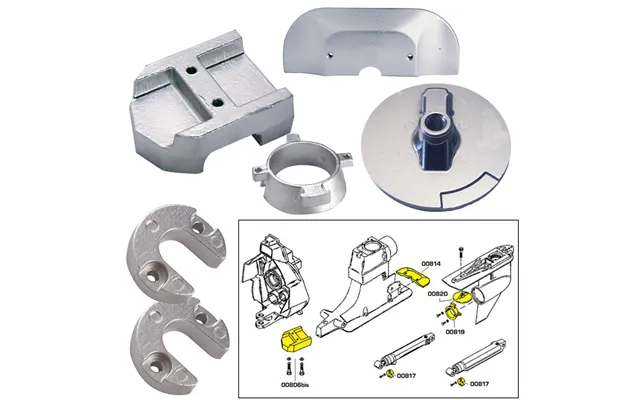
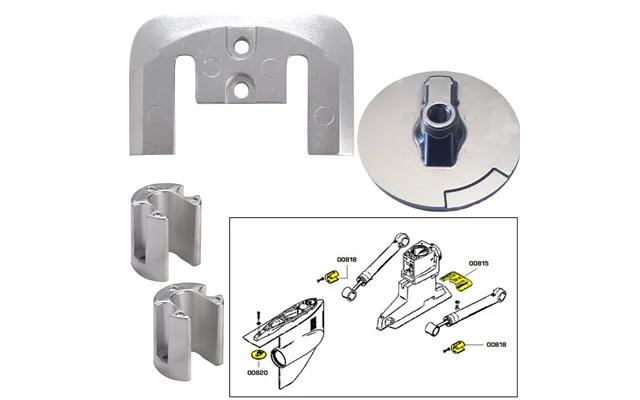
The reference listings include several Tecnoseal kits made for Mercury systems. Kits can be useful when you want the anode and related hardware together rather than sourcing individual parts separately. Still, it is wise to check exactly what the package includes before making a decision.
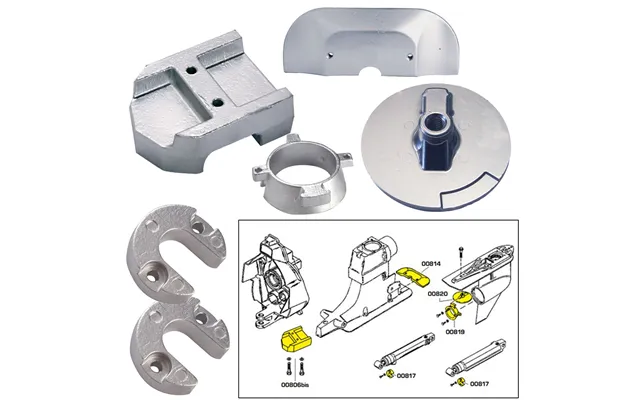
For Mercury Alpha 1 Gen 2 applications, the data lists the Tecnoseal 20801al aluminum anode kit with hardware at $58.12. It also lists the Tecnoseal 20801mg magnesium version with hardware at $68.12. These two products share the same equipment family but use different anode materials.
This is a useful example of why product codes deserve close attention. The “al” and “mg” designations distinguish the material. If your maintenance instructions specify one material, compare that requirement directly against the listing instead of relying on a visual match.
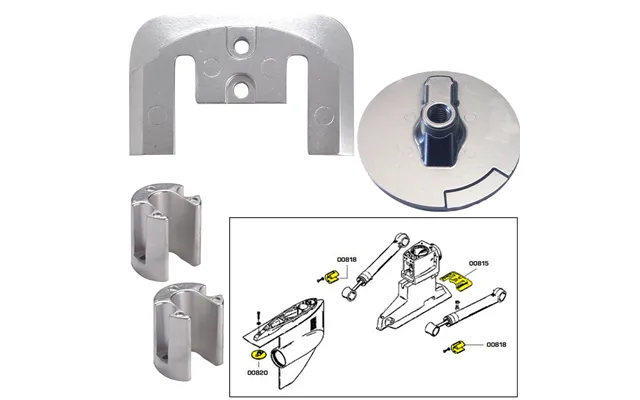
For Mercury Bravo 2-3 systems, the reference data includes the Tecnoseal 20804 zinc anode kit with hardware at $37.12 and the Tecnoseal 20804mg magnesium version at $43.12. Both are listed under the same equipment family, but the material differs.
When comparing these options, consider the required material first, then compare the listed prices and kit details. The zinc and magnesium products should not be treated as interchangeable without confirming that the selected material suits the application.
Yamaha-related products make up another important group in the listings. The options include transom bar anodes and a trim tab anode. These parts serve different physical positions, so the application description matters just as much as the brand.
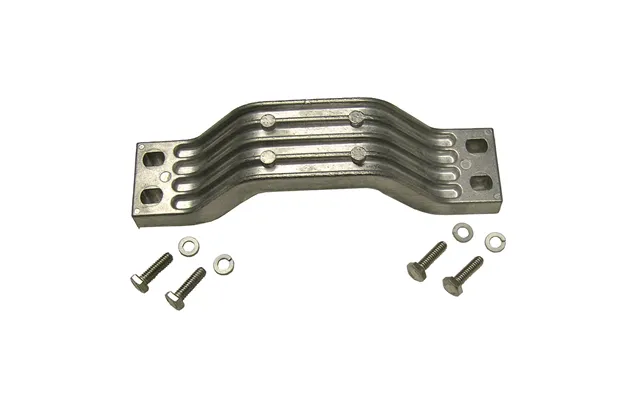
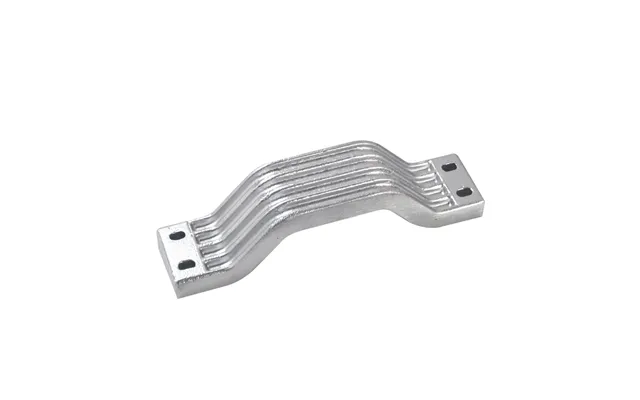
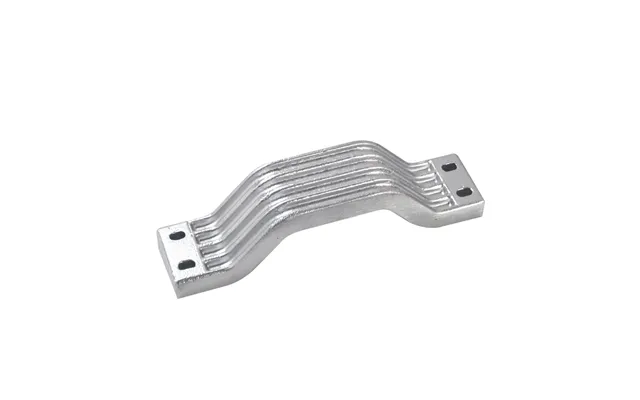
The Tecnoseal 01112 transom bar anode is listed as zinc for Yamaha at $22.12. The Tecnoseal 01112al transom bar anode is listed as aluminum for Yamaha at $17.12. The reference data also includes the Performance Metals 00127a Yamaha transom anode for 115-300hp, listed as aluminum at $16.12.
These products show why you should compare the mounting style and stated horsepower range carefully. A Yamaha transom anode is not automatically suitable for every Yamaha setup. The Performance Metals listing specifically identifies a 115-300hp range, while the Tecnoseal transom bar listings are identified by their model descriptions and material.
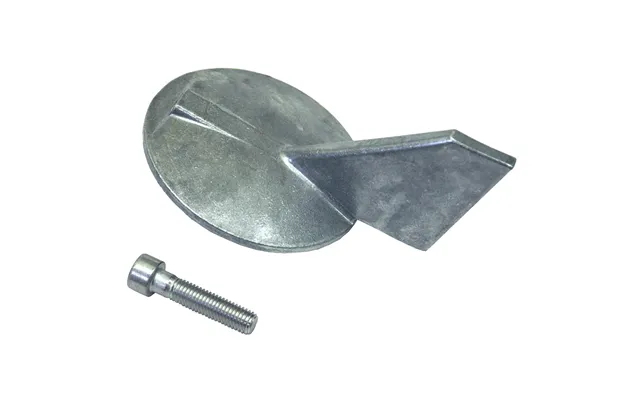
The Performance Metals 00181a Yamaha trim tab anode for 150-200hp counter-rotating applications is listed at $21.12. Unlike a transom bar, a trim tab anode is shaped and positioned for the trim tab area. The counter-rotating description is an especially important compatibility detail.
Before choosing this type of product, compare the engine configuration, horsepower range, and anode position with your existing equipment. A part that fits one Yamaha application may not fit another, even when the brand is the same.
Not every anode is a simple plate or bar. The reference data includes specialized designs for suspended protection, de-icing equipment, saildrives, and bow thrusters. These products demonstrate how anode shape follows function.
The Tecnoseal 00630fish grouper suspended anode is listed as a zinc product with a cable and clamp at $77.12. The cable and clamp are notable parts of the description because they indicate a suspended installation format rather than a conventional bolted anode.
For a product like this, examine how the anode is intended to hang and connect. The installation method is part of the product’s identity. Replacing it with a different style could change how the anode interacts with the surrounding water and protected equipment.
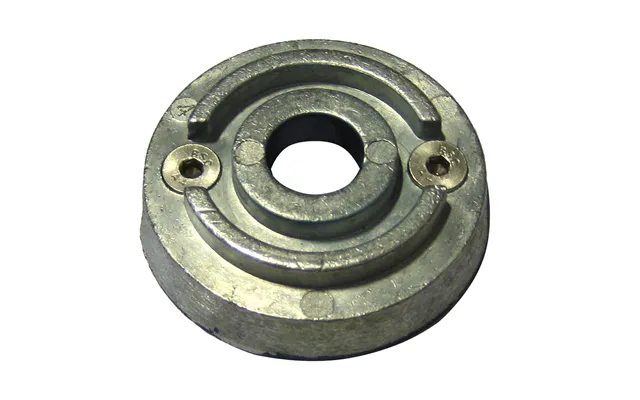
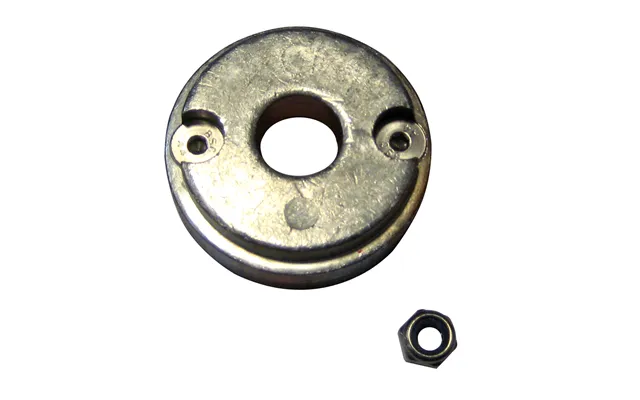
The Tecnoseal Tka02 de-icer anode is listed as zinc and identified for a 0.50-inch shaft and 0.5hp to 0.75hp applications. Its listed price is $10.12. This is the lowest listed price among the reference products, but price alone should not drive the decision.
Because this anode is associated with a de-icer and a specific shaft size, measurement and equipment matching are essential. Use a ruler or the manufacturer’s specifications to verify the shaft dimension before ordering. A small mismatch can make an otherwise suitable product unusable.
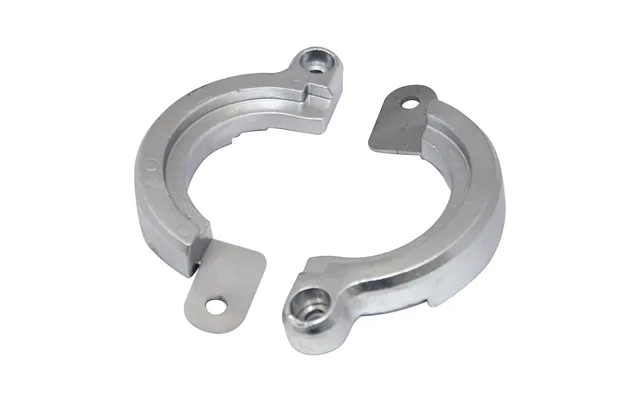
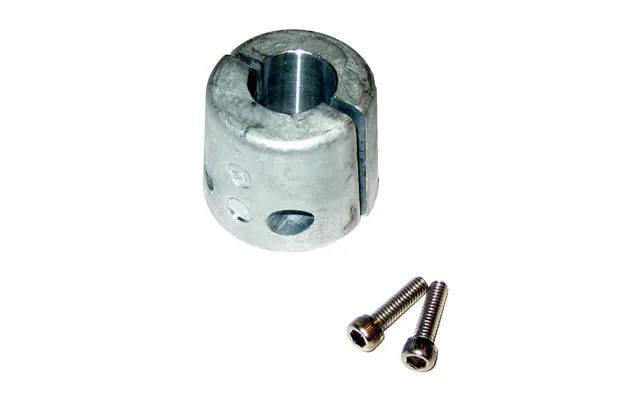
The Tecnoseal 01305 zinc split collar anode is listed for Yanmar saildrives identified as SD20, SD25, SD30, SD31, SD40, SD50, and SD60. Its listed price is $38.12. The split collar design is tailored to fit around a shaft or related saildrive component.
With a part like this, the model list is especially valuable. Compare your saildrive designation against the listed models rather than assuming that every Yanmar saildrive uses the same collar. The correct model range can prevent an avoidable installation problem.
The reference data contains two Vetus zinc anode sets for bow thrusters. The Vetus Set0149 is listed for 35, 55 Kgf bow thrusters at $65.12, while the Vetus Set0150 is listed for 75, 80, 95 Kgf bow thrusters at $69.12.
These two sets are a good reminder that equipment size or rating can affect compatibility. Although the listed prices are relatively close, the product ranges are different. Select the set based on the bow thruster specification, not simply on the small price difference.
Set0149 and Set0150 are distinct product identifiers. If your equipment documentation names one of these numbers, use that information as your starting point. If you are unsure, inspect the existing anode set and consult the bow thruster documentation before purchasing.
The safest comparison process is simple: identify the manufacturer, locate the equipment model or rating, confirm the anode material, and then check the set number. This approach works like using a map before setting out—you are less likely to take the wrong route.
Inspection begins with a visual check. Look for heavy loss of material, deep pitting, cracking, loose mounting hardware, or a surface covered with marine growth. An anode that has been reduced significantly from its original form may need replacement, but the acceptable wear level can depend on the equipment maker’s instructions.
Also inspect the contact area and mounting hardware. An anode needs a suitable electrical connection to the component it protects. Corrosion, paint, dirt, or loose fasteners can interfere with that connection. Do not paint over an anode unless the manufacturer specifically says to do so.
Before removing an old anode, take a photograph of its position and note the hardware arrangement. This small step can make reinstallation easier, especially when the part has multiple bolts, a clamp, or a cable. It also gives you a reference when comparing the old part with a replacement.
When installing a new anode, use the correct hardware and tighten it as instructed by the equipment manufacturer. Avoid forcing a part into place. If the holes, shape, or connection do not line up, stop and recheck the product number.
The listed prices in the reference data range from $10.12 for the Tecnoseal Tka02 de-icer anode to $77.12 for the Tecnoseal 00630fish suspended grouper anode. Other examples include the Performance Metals 00127a at $16.12, the Tecnoseal 01112al at $17.12, and the Tecnoseal 01112 zinc version at $22.12.
Higher or lower pricing does not automatically indicate better or worse protection. Product style, material, included hardware, equipment compatibility, and installation format all influence the comparison. A $10.12 anode for a de-icer cannot be directly compared with a $77.12 suspended anode as though they serve the same role.
The reference data identifies the offer source as The Twister Group for these listings. ZoneOffer remains a comparison site, so shoppers should review the listing details and confirm the current information before making a purchase decision.
Start with the component that needs protection. Is it a Yamaha transom, a Mercury trim tab, a Mercury sterndrive system, a Yanmar saildrive, a Vetus bow thruster, or a de-icer? Once you know the application, narrow the options by product code and material.
Next, confirm the material. The reference products may look similar while being made from zinc, aluminum, or magnesium. Treat the material description as a key specification, not a minor detail. Finally, check the physical design, included hardware, model range, and any horsepower or equipment rating shown in the listing.
Before selecting an anode, ask yourself five questions: What equipment is it for? What is the exact model or part number? Which material is specified? Does the shape match the original? Does the listing include the hardware or accessories you need?
These questions help you avoid a common mistake: buying an anode based only on brand or appearance. A good match is like a properly cut key—it must fit the specific lock, not just look similar to another key.
The right marine anode can be a simple but important part of corrosion maintenance. The reference listings cover a broad selection of Performance Metals, Tecnoseal, and Vetus products, including zinc, aluminum, and magnesium options for Yamaha, Mercury, Yanmar, Vetus, and specialized marine equipment. Compare the application, material, product code, and installation design before choosing. By using ZoneOffer to compare the available listings and then confirming the specifications for your equipment, you can make a more informed maintenance decision without treating every anode as interchangeable.