

Caulking Tools price list
Last updated Tuesday, Nov 3, 2026





View 4 Offers
Loading...
Last updated Tuesday, Nov 3, 2026
A neat bead of caulk can make a room look finished, stop drafts from sneaking through gaps, and help protect surfaces from moisture. The right tool makes that job easier. Instead of wrestling with messy fingers, uneven lines, or excess adhesive, you can use a purpose-built applicator, scraper, syringe, or spray gun to improve control.
This guide explores the caulking and adhesive-related tools listed in the reference data. The selection includes the Boatlife 2185 Syringe, a polyurethane foam spray gun, the Wnew four-piece silicone glue kit, and the Ganwei woodworking glue applicator. They serve different roles, so choosing between them is less like picking one “best” tool and more like choosing the right wrench for the job.
Caulking is often treated as a simple finishing task, but the quality of the application can affect the final appearance and the performance of the seal. A controlled application helps you place material where you need it, while a scraper or smoothing tool can help create a cleaner edge.
Think of caulk as a ribbon. If you squeeze or spread it unevenly, the ribbon twists and breaks. A suitable tool gives you a steadier hand and makes narrow joints, corners, panels, and other detailed areas easier to manage.
The best choice depends on the material, the size of the gap, the shape of the joint, and the level of precision you want. A syringe may suit small, targeted applications, while a spray gun is designed for a different type of foam work. A brush-and-scraper kit, meanwhile, can help with spreading and cleanup.
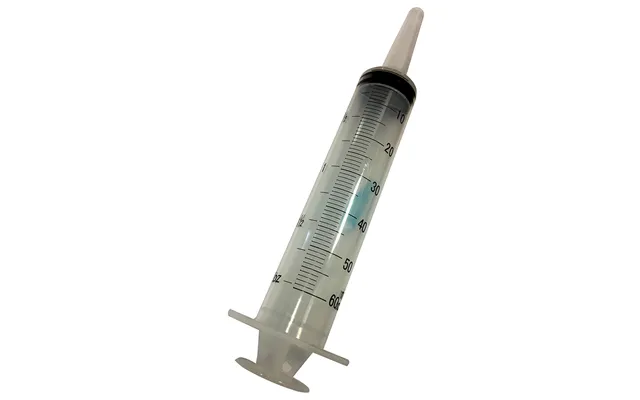
The Boatlife 2185 Syringe is listed as a Boatlife product from The Twister Group, with a price of $8.12. Its syringe format makes it a potentially useful option when you need to direct a small amount of material into a precise area.
A syringe-style applicator can be helpful for tight spaces, small repairs, and detailed work where a broad application would create unnecessary mess. It gives you a narrow point of control, rather than requiring you to spread material across a larger surface.
Before using any syringe applicator, check that the material is suitable for the tool and that the opening is clear. Work slowly and apply only as much as the joint needs. It is usually easier to add a little more material than to remove a large excess from a finished surface.
Consider this type of tool when precision matters more than speed. It may be suitable for small seams, narrow spaces, or situations where you want to place adhesive or sealant without covering nearby areas.
It can also be useful when you are working around corners, fittings, or detailed components. However, the syringe is not a universal replacement for a caulk gun or foam applicator. Its value comes from controlled, localized application.
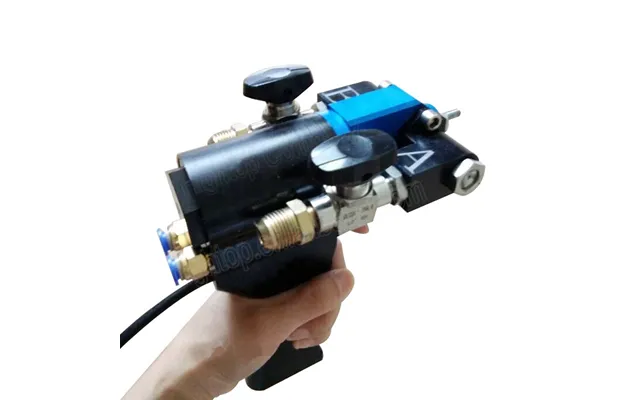
The Polyurethane PU Foam Spray Gun P2 is listed through Alibaba at $200. The listing describes it as a foam spray gun and includes promotional wording about new products and potential savings of up to “US 500 off.” Because the reference does not provide further specifications, shoppers should review the listing details carefully before making a decision.
A foam spray gun is designed for a different workflow from a small syringe or hand scraper. It is intended for controlled delivery of polyurethane foam, which may be used in suitable building and sealing applications. The tool format can offer a more directed approach than applying foam without an applicator.
When working with expanding foam, preparation matters. Protect nearby surfaces, plan where the material should go, and avoid applying more than necessary. Foam can expand, so a small amount may cover more space than expected. Always follow the instructions supplied with the specific foam and tool.
Ask yourself whether your project actually requires polyurethane foam. If you are sealing a small interior joint, a scraper or narrow applicator may be more appropriate. If you are filling a larger void or working with foam as part of a building task, a spray gun may offer more control.
Also consider your experience level. Foam work rewards careful preparation. Have your work area ready before you begin, because pausing halfway through an application can make the job harder to manage.
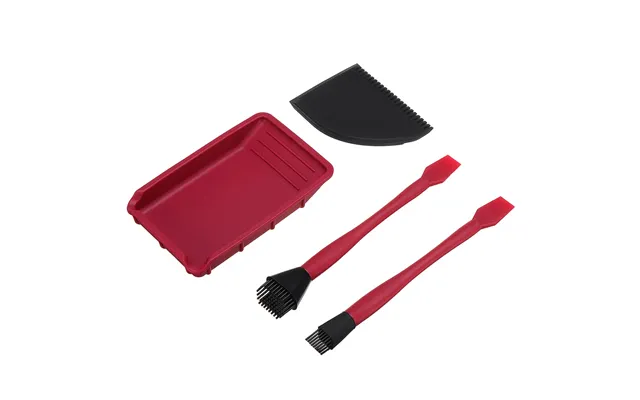
The Wnew four-piece silicone glue kit is listed by Banggood.com at $29.99. The set includes a wide brush with a thin blade, a narrow brush with a thin blade, a flat scraper, and a glue tray. The listed brand is W new, and the tools are described as silicone products in red and black.
This kit is aimed at spreading, smoothing, and managing glue across different surfaces. Its combination of wide and narrow tools makes it useful for both larger areas and more confined joints. The flat scraper can help remove excess material or smooth a surface after application.
The listing describes the kit for woodworking tasks, including joints, wooden boards, panels, narrow gaps, mortise-and-tenon work, splicing, and flat-plate scraping. Although these uses focus on glue, the same tool categories can be relevant when you need to spread or tidy compatible sealant materials.
A four-piece set gives you options without requiring you to use one tool for every task. The wide brush can cover a broader area, while the narrow brush can reach into smaller joints. The scraper offers a different kind of control, and the tray can help keep the work area more organized.
The listing also states that the tools can remove dried glue without water, feature smooth lines without burrs, and are designed for toughness and durability. Treat those statements as product-listing information and still use normal care when handling dried material. Scrape gently when working near finished wood or delicate surfaces.
If you regularly move between broad panels and narrow joints, this type of kit can feel like having several different brushes in one toolbox. You can change tools as the work changes instead of forcing a wide applicator into a tight corner.
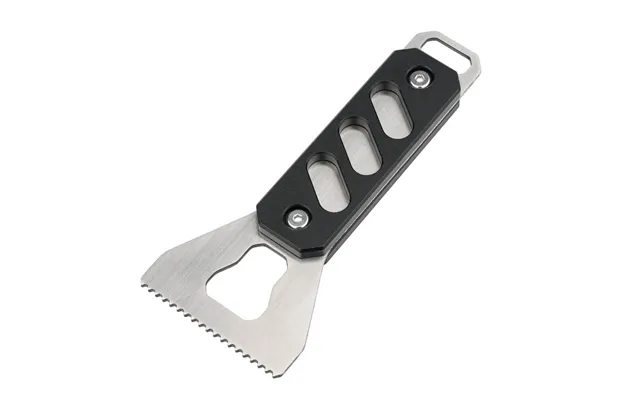
The Ganwei MG0-000-0161A woodworking glue applicator is listed by Banggood.com at $25.99. The product uses a CNC aluminum alloy body with an anodized finish and stainless steel elements, according to the reference data. It is described as a compact, lightweight applicator with an ergonomic handle.
This tool is designed for woodworking glue applications, but it may also interest people who want a more structured method of spreading compatible materials across joints and project surfaces. The listed design focuses on control, portability, and reduced hand fatigue during extended work.
The product description highlights multipurpose use for woodworking and says the handle is shaped for comfort and control. Those features can be helpful when you need to maintain a consistent motion instead of repeatedly stopping to reposition your hand.
The Ganwei tool may appeal to woodworkers who want a dedicated applicator rather than a complete brush-and-scraper kit. It can be a sensible style of tool for projects involving repeated glue application, especially when handling comfort is important.
It is not necessarily the right choice for every caulking task. The tool is presented as a woodworking glue applicator, so confirm that the material you plan to use is compatible before applying it. Product fit matters just as much as the tool’s construction.
Each product has a different purpose. The Boatlife syringe is the most focused option for small, precise applications. The polyurethane foam spray gun is aimed at foam delivery. The Wnew kit offers several spreading and scraping tools, while the Ganwei applicator provides a dedicated, compact woodworking design.
For a small and carefully targeted job, a syringe format may be the simplest match. For varied woodworking tasks, the Wnew kit offers more tool shapes. If you prefer a single applicator with an ergonomic design, the Ganwei product may be worth examining. For polyurethane foam work, the P2 spray gun belongs to its own category.
Price can also influence your shortlist. The reference lists the Boatlife syringe at $8.12, the Ganwei applicator at $25.99, the Wnew kit at $29.99, and the polyurethane foam spray gun at $200. These are the listed prices in the supplied data and may not represent every cost or future price change.
Start by identifying the material you will use. Is it a woodworking adhesive, a sealant, or polyurethane foam? The answer helps narrow the field immediately. A tool designed for one material may not perform properly with another.
Next, consider the shape of the work. Long, open joints may benefit from a broad applicator or scraper. Tight gaps may call for a narrow brush or syringe. If the job changes from one area to another, a multi-piece kit can provide useful flexibility.
Think about control as well. A good tool should help you apply material without forcing you to fight the applicator. If your hand becomes tired quickly, an ergonomic design may be more appealing. If cleanup is your biggest concern, a scraper could be more valuable than another spreading tool.
Finally, inspect the product information before ordering. Confirm the listed material, included components, intended application, price, and seller details. ZoneOffer is a comparison site, so use it to compare the available product information rather than treating it as the retailer.
Preparation is where many successful applications begin. Clean away dust, loose debris, old material, and anything that could prevent the new bead or adhesive from bonding properly. A clean surface is like a clean canvas: it gives your material a better chance to form an even finish.
Protect surrounding areas with suitable masking materials when necessary. This is especially helpful if you are working near painted surfaces, finished wood, flooring, or fixtures. Keep your scraper, applicator, and cleanup materials nearby before you start.
Use a steady pace rather than rushing. Pressing too hard can create a thick, uneven line, while moving too quickly can leave gaps. Apply enough material for the joint, then smooth it with the appropriate tool if the material instructions allow it.
Read the instructions for the material and tool before use. Wear suitable protective equipment, provide ventilation when required, and keep products away from children and pets. Foam and adhesive products can behave differently, so do not assume that one application method works for all materials.
Test your technique on scrap material or an inconspicuous area when possible. This lets you see how quickly the product flows, how much pressure is needed, and how easily the surface can be smoothed.
Tool care can extend the useful life of an applicator. Remove excess material before it becomes difficult to manage, following the product’s instructions. A scraper can help with residue, but use a gentle touch on surfaces that could scratch.
For the Wnew kit, the listing states that dried glue can be removed without water. Even so, avoid allowing large amounts of material to build up on the brushes, scraper, or tray. Keeping each component reasonably clean makes the next project easier.
Store tools in a dry, organized place after use. Keep narrow applicators protected from damage, and avoid placing heavy objects on brushes or thin blades. Simple habits can save time the next time a gap, joint, or repair needs attention.
One common mistake is choosing a tool before identifying the material. A foam gun, syringe, brush, and scraper do not perform the same role. Match the tool to the product first, then focus on the details of the project.
Another mistake is applying too much material. More is not always better. Excess can create a messy finish and increase cleanup. Start with a controlled amount and add more only if the joint needs it.
Skipping preparation can also undermine the result. Dust, grease, loose residue, or moisture may interfere with the application. Take a few minutes to prepare the surface and you may avoid much more work later.
Finally, do not ignore the tool’s intended use. The Wnew and Ganwei products are described for woodworking glue applications, while the P2 is described as a polyurethane foam spray gun. Check compatibility rather than guessing.
The featured tools cover several useful approaches to caulking and adhesive work. The Boatlife syringe focuses on precision, the P2 spray gun is intended for polyurethane foam, the Wnew kit provides brushes, a scraper, and a tray, and the Ganwei applicator emphasizes controlled woodworking glue application. Compare the tool format, material compatibility, included parts, and listed price before choosing. With the right match and careful preparation, even a small repair can finish with a cleaner, more professional appearance.