

Conduit & Housings - Other price list
Last updated Monday, Oct 26, 2026




View 17 Offers
Loading...
Last updated Monday, Oct 26, 2026
Electrical cables often pass through walls, panels, decks, junction boxes, and other surfaces. Wherever a cable enters an enclosure, the opening needs thoughtful protection. Without a suitable gland, seal, or connector, the cable may shift, rub against an edge, or leave an unwanted gap around the entry point. Think of these products as a doorway for wiring: they help guide the cable through while supporting a cleaner, more secure installation.
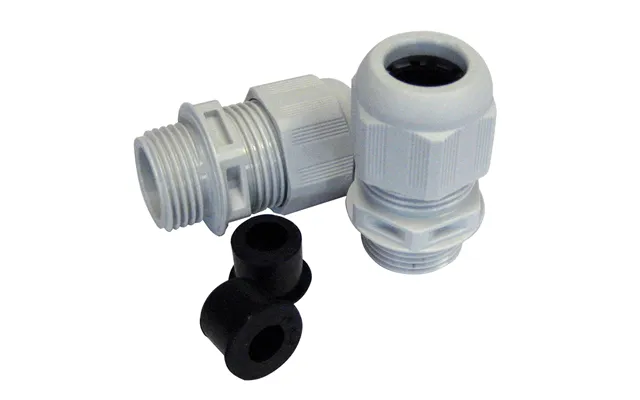
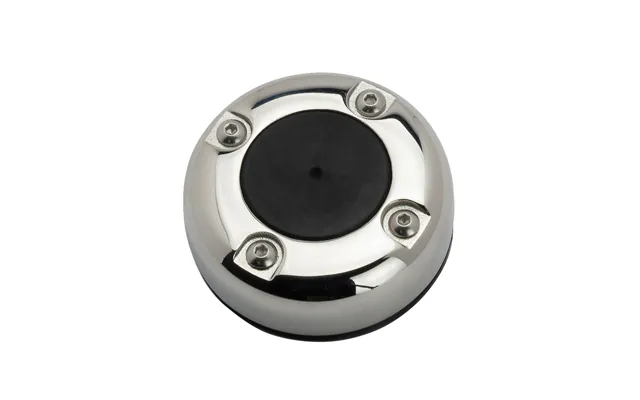
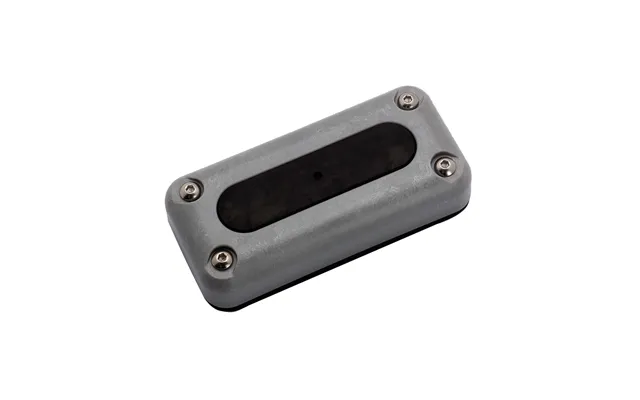
The conduit and housing products in this selection cover several useful applications, including cable glands, retrofit glands, deck seals, cable clamps, and junction-box sealing components. The right choice depends on the number of cables, cable diameter, installation style, and the type of protection you need. A small single-cable gland is not interchangeable with a multi-cable entry, just as a narrow key cannot open every lock.
ZoneOffer is a comparison site, so it helps you review listed products and prices in one place rather than acting as the seller. The reference selection includes products from Seaview, Scanstrut, Blue Sea, and ITW Linx, along with one aluminum LED profile listing from Alibaba. Product details can vary, so always compare the stated specifications with your project requirements before choosing.
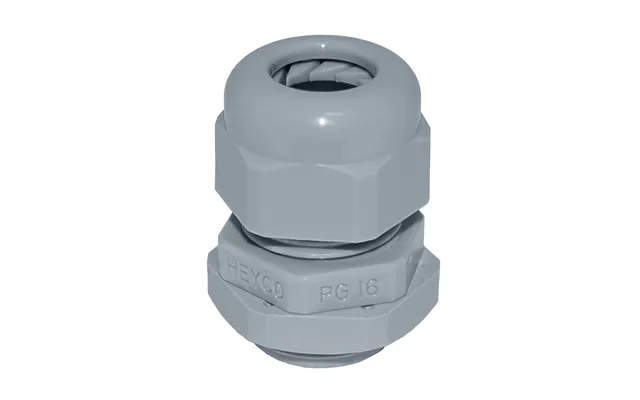
A cable gland usually needs to match the cable diameter and the number of cables passing through it. In this selection, several products identify their capacity directly. For example, the Seaview CGM17P-G grey ABS plastic cable gland is described as supporting multiple cables from about 0.08 to 0.67 inches each. That broad range may make it useful for projects involving more than one cable, provided the cable sizes fit the stated specification.
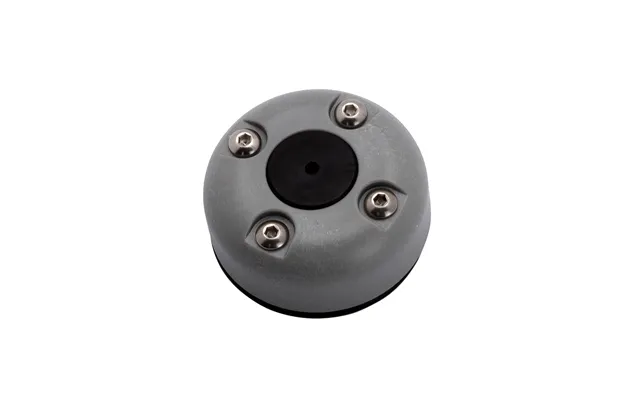
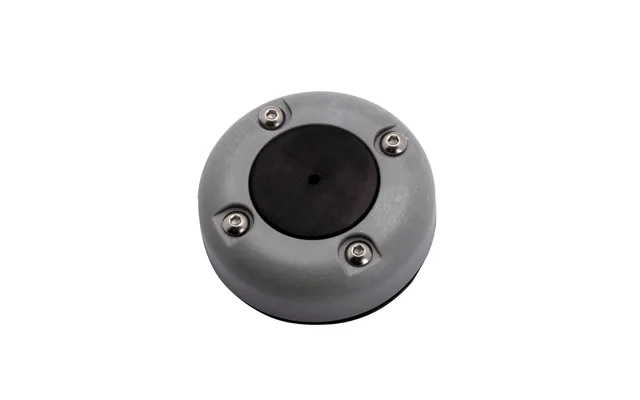
The Seaview CG20P-G grey ABS plastic cable gland is listed for one cable measuring from about 0.08 to 0.39 inches. It is also described as UV stable. At the listed price of $21.12 from The Twister Group, it may suit a straightforward single-cable installation where outdoor exposure is a consideration.
For two cables, the Seaview CG30P-G grey ABS plastic cable gland is listed for cables measuring from about 0.08 to 0.59 inches each. Its description also identifies it as UV stable, and the listed price is $25.12. A similar stainless steel option, the Seaview CG30-SS, is described as a polished stainless steel cable gland for two cables in the same approximate size range. Its listed price is $39.12.
Before comparing finishes or prices, count the cables that need to pass through the entry. The selection includes single-cable, two-cable, and multi-cable options. Choosing a product that is designed for the wrong cable count can create an awkward fit and make installation more difficult.
For a single cable, the Seaview CG20P-G is the clearest match among the listed Seaview products. For two cables, the Seaview CG30P-G and CG30-SS are more directly aligned with the descriptions provided. For several cables, the Seaview CGM17P-G is identified as a multi-cable gland with capacity for up to two cables in the stated range. Read the listing carefully, because “multi-cable” does not automatically mean every cable combination will fit.
Seaview appears several times in the selection, offering grey ABS plastic products, a retrofit model, and a polished stainless steel version. This gives you a useful starting point if you want to compare material, cable capacity, and installation style without jumping between unrelated product categories.
The Seaview CG20P-G is a grey ABS plastic gland described as UV stable and suitable for one cable from about 0.08 to 0.39 inches. It is listed at $21.12. The Seaview CG20P-G2 retrofit cable gland is also grey and is described for cable sizes up to about 0.39 inches, with a listed price of $25.12. The retrofit format may be worth considering when an existing installation affects the way you approach the cable entry, although the reference data does not provide a full installation procedure.
The Seaview CG30P-G expands the capacity to two cables measuring approximately 0.08 to 0.59 inches each. It is listed at $25.12 and described as UV stable. If appearance and material are important, the Seaview CG30-SS provides a polished stainless steel finish for two cables in the same approximate range, at a listed price of $39.12.
The Seaview CG30P-G2 is another retrofit option. Its description gives a wire-size range of approximately 0.08 to 0.59 inches and lists the price at $29.12. Comparing it with the CG30P-G may help you decide whether the retrofit design better suits your installation. Meanwhile, the Seaview CGM17P-G is listed at $41.12 and described as a grey ABS plastic, UV-stable gland for multiple cables measuring approximately 0.08 to 0.67 inches each.
Material can influence both appearance and cost. The listed Seaview ABS plastic products offer grey housings, while the CG30-SS uses polished stainless steel. The plastic options are priced from $21.12 to $41.12 in the supplied listings, while the stainless steel CG30-SS is listed at $39.12. That makes the decision more than a style question: you may also want to weigh the visual finish against the budget.
There is no single best material for every project. A grey plastic housing may blend neatly into some installations, while polished stainless steel can provide a more prominent finished look. Focus on the environment, the required cable capacity, and the product’s listed specifications rather than choosing by appearance alone.
Scanstrut products in the selection focus on cable sealing and deck-entry applications. These include the SB-2G IP67 cable seal pack, the DS-H10 horizontal cable seal, and two DS21 small deck seal connectors. Each has a different description, so compare the intended cable size and format carefully.
The Scanstrut SB-2G IP67 cable seal pack is described for standard and deluxe junction boxes. It is listed at $14.12 from the Twister Group. If your project involves one of those junction-box formats, this product may be a practical item to investigate. The reference data identifies the IP67 designation but does not provide additional testing or installation details, so use the product information available from the listing when evaluating suitability.
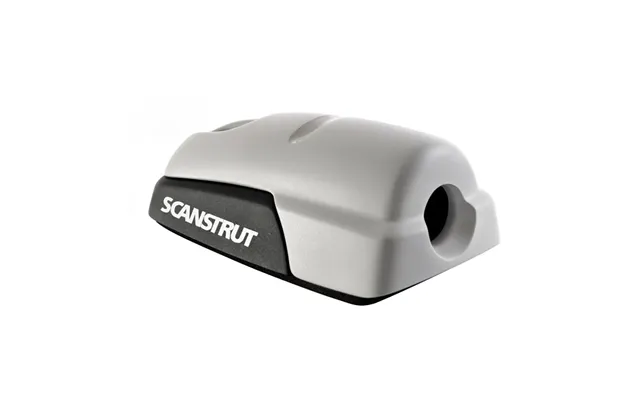
The Scanstrut DS-H10 horizontal cable seal is described for cables measuring approximately 0.24 to 0.39 inches. It is listed at $28.12. Its horizontal format may be relevant when a cable entry needs to follow a particular layout, but the exact installation approach is not specified in the reference data.
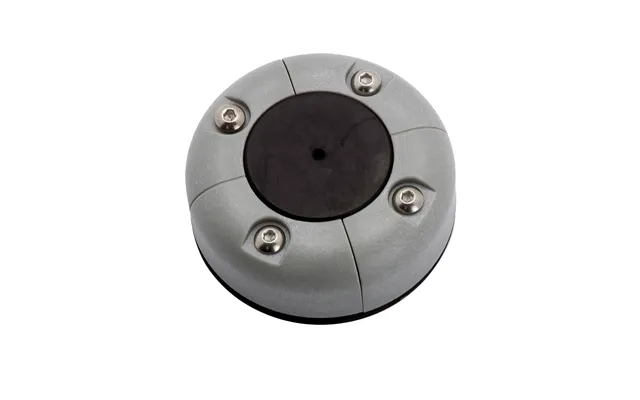
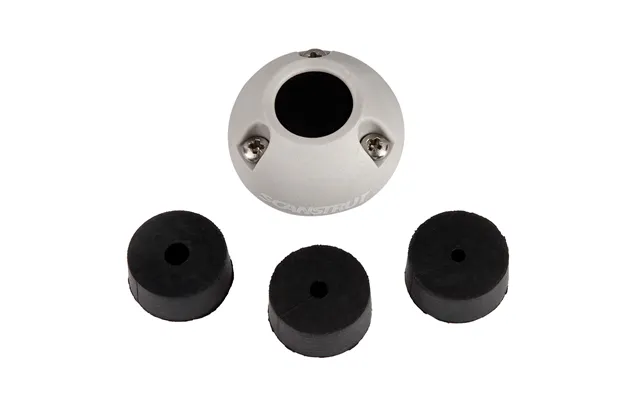
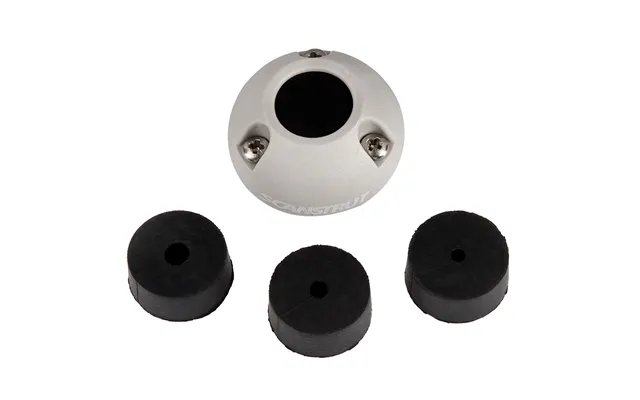
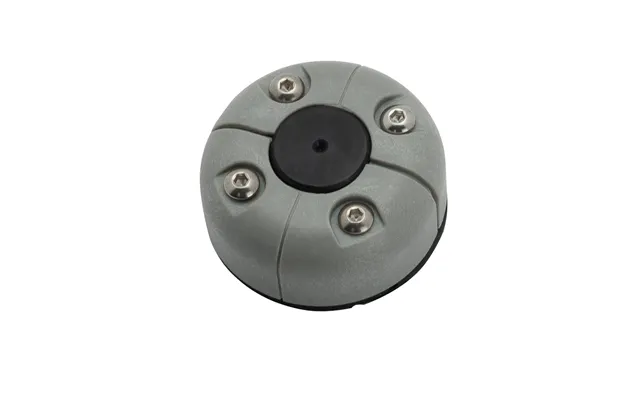
The Scanstrut DS21A-P and DS21B-P are both described as small deck seal connectors for a cable size of about 0.83 inches. The DS21A-P includes a listed measurement of approximately 0.35 inches, while the DS21B-P includes approximately 0.55 inches. Both are listed at $28.12 from the Twister Group.
Because these two products share a similar title and price, the additional measurement in each description becomes especially important. Compare the approximately 0.35-inch and 0.55-inch details with your planned cable route and installation opening. When two products look almost identical on paper, a small dimensional difference can be the deciding factor.
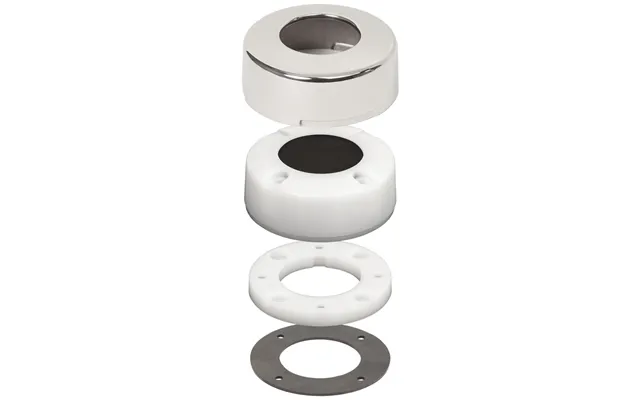
Blue Sea contributes two different types of cable-entry products to the selection. The Blue Sea 1003100 CableClam includes a stainless steel dress cap and is listed at $35.12. The Blue Sea 3125 medium cable gland is listed at $7.12 and is described for 14–10 cable.
The CableClam may appeal to someone who wants a cable entry with a stainless steel dress cap. The 3125, by contrast, is the lowest-priced cable gland in the listed group. Its description uses the range “14–10 cable,” so shoppers should verify that their cable type and size correspond to this designation before purchasing.
Price can be a useful filter, but it should not replace specification checking. The Blue Sea 3125 is listed at $7.12, while the Blue Sea CableClam is listed at $35.12. Those products have different descriptions and features, so comparing them only by price would be like comparing a compact tool with a complete kit simply because both fit in the same drawer.
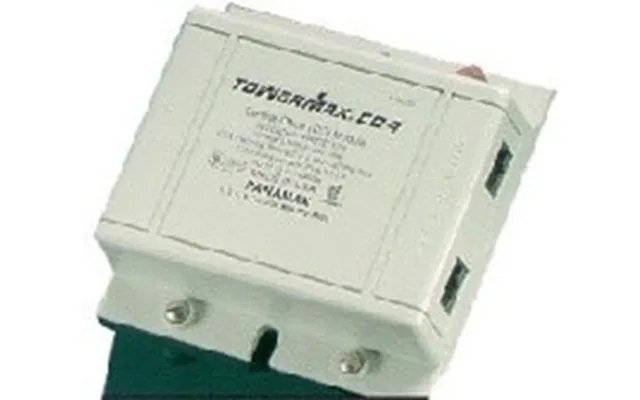
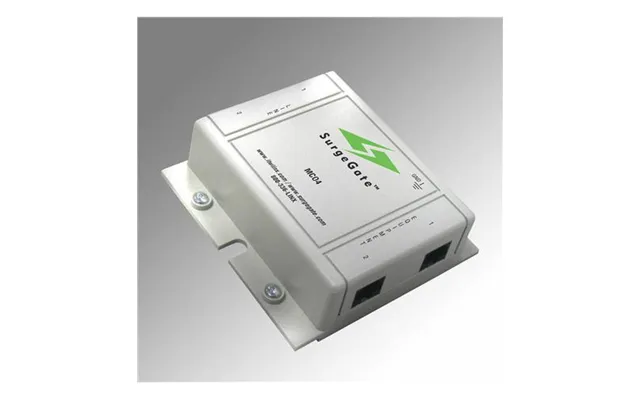
The selection also includes two listings for the ITW Linx MCO4 Towermax CO 4 Module. Both are available through the Twister Group in the reference data, but they show different listed prices: $83.12 and $71.12. The supplied descriptions do not explain the reason for the price difference, so review the individual listing details carefully before deciding.
These products are presented as modules rather than cable glands or deck seals. If your project involves a specific Towermax CO 4 Module requirement, confirm that the product format matches your system. Since the reference data does not provide additional technical specifications, avoid assuming that the two listings are identical beyond their titles.
The listed prices in this selection range from $7.12 for the Blue Sea 3125 medium cable gland to $83.12 for one ITW Linx MCO4 Towermax CO 4 Module listing. Several products sit in the $21.12 to $39.12 range, including the Seaview single- and two-cable glands, the Scanstrut deck seals, and the Blue Sea CableClam.
The lowest-priced listing is not necessarily the right bargain. A product can be inexpensive because it serves a smaller or more specific purpose. Start with the cable diameter and cable count, then consider the material, retrofit format, finish, or junction-box compatibility. This approach narrows the field quickly and helps prevent buying a product that looks attractive but cannot meet the job’s needs.
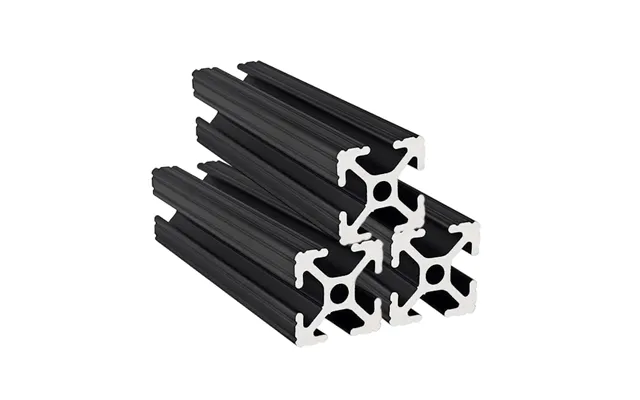
The reference data does not provide regular prices for comparison, so the listed amounts should be treated as the available product prices shown in the data rather than confirmed discounts. The Alibaba listing for a “6063 Alloy Aluminum LED Profile Light Bar” shows a price of $0.10 and mentions exclusive perks of up to $500 off, but it is not described as a cable gland, seal, or housing. Treat that item as a separate LED-related listing rather than a direct alternative to the cable-entry products.
First, identify the number of cables that must pass through the entry. Single-cable products, two-cable glands, and multi-cable options serve different purposes. Write down the cable count before browsing, and you will immediately eliminate several unsuitable choices.
Next, measure the cable diameter in inches and compare it with the listing. The Seaview products include approximate ranges such as 0.08 to 0.39 inches, 0.08 to 0.59 inches, and 0.08 to 0.67 inches. The Scanstrut DS-H10 is listed for approximately 0.24 to 0.39 inches. Small differences matter, especially when a cable sits near the upper or lower end of a stated range.
Then, consider the installation format. A retrofit cable gland may make sense when you are working with an existing setup, while a horizontal seal or deck connector may fit a particular cable route. The Scanstrut SB-2G is described for standard and deluxe junction boxes, which makes junction-box compatibility an important checkpoint.
Finally, compare materials and prices. Grey ABS plastic, polished stainless steel, and stainless steel dress-cap designs appear in the selection. If two products meet the basic size requirements, the finish and listed price can help you make the final choice. Keep the product title, description, and any available technical information together so that no key detail gets lost.
One common mistake is choosing a product based only on a familiar brand name. Seaview, Scanstrut, and Blue Sea each appear in the listings, but their products cover different formats and specifications. Brand recognition can help you search, but it cannot replace checking the cable range and intended use.
Another mistake is confusing a cable seal with a cable gland. Both may support a cable-entry application, yet the listings describe them differently. The Scanstrut DS-H10 is a horizontal cable seal, while the Seaview products are identified as cable glands. Read the product type carefully and make sure it matches the way your installation is designed.
It is also easy to overlook the difference between a standard product and a retrofit product. Seaview offers several retrofit listings, including the CG20P-G2 and CG30P-G2. If you are replacing or adapting an existing cable entry, the retrofit designation may be relevant. If you are starting a new installation, compare it with the standard alternatives instead of assuming the retrofit version is automatically better.
The conduit and housing selection offers practical ways to compare cable glands, seals, clamps, deck connectors, and modules. Seaview provides several cable-count and material options, Scanstrut focuses on seals and deck-entry components, and Blue Sea offers both a medium cable gland and a CableClam with a stainless steel dress cap. Start with cable count and diameter, confirm the installation format, then compare materials and listed prices. With ZoneOffer acting as a comparison site, you can use the available product information to narrow your options and choose a cable-entry solution that fits your project more confidently.