

Well Supplies price list
Last updated Saturday, Oct 17, 2026





View 4 Offers
Loading...
Last updated Saturday, Oct 17, 2026
A dependable well system is like the quiet foundation of a home: you may not notice it every day, but everything runs more smoothly when it is in good condition. From replacement rods to sacrificial anodes, the right well supplies can help you plan maintenance, protect connected equipment, and avoid guesswork when a component needs attention.
This guide focuses on three products listed in the reference data: the Bodegacooler Rod for TWW Series, TWW75 Rod; the TECNOSEAL TEC-DIVERSMG Plate Anode Magnesium, sized 12 inches by 6 inches by 1/2 inch; and the TECNOSEAL TEC-DIVERS Plate Anode Zinc, also sized 12 inches by 6 inches by 1/2 inch. We will explain what these product types do, what to check before buying, and how to compare options responsibly.
ZoneOffer is a comparison site, not a store. Its role is to help shoppers review listed products and prices from different sellers. Product details, pricing, and seller information should always be checked against the current listing before making a purchase.
Well supplies cover a broad range of components used around private wells, water storage systems, pumps, tanks, piping, and related equipment. Some parts help move water, while others support inspection, protection, or routine upkeep. A small component may seem unimportant until it becomes the missing link that stops a larger system from working properly.
That is why compatibility matters more than appearance. A rod, anode, fitting, or replacement part should match the equipment it is intended to serve. Before comparing prices, identify the model, series, dimensions, material, and installation position required by your system.
You should also consider the environment in which the component will be used. Water chemistry, moisture, temperature, electrical conditions, and exposure to corrosion can all influence the type of part that makes sense. When in doubt, consult the equipment documentation or a qualified professional rather than relying on a visual match alone.
The reference data includes one rod and two plate anodes. These products do not serve the same purpose, so comparing them only by price would be like comparing a wrench with a water filter. Each belongs to a different part of the maintenance conversation.
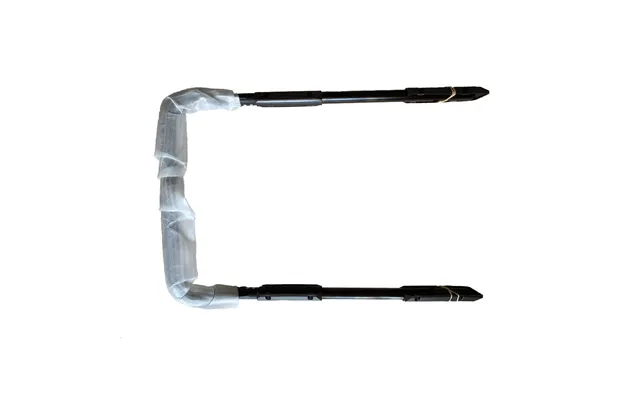
The Bodegacooler Rod for TWW Series, TWW75 Rod is listed as a rod for the TWW series. The listed brand is Bodegacooler, and the listed seller is Bodega Cooler. Its reference price is $55.00.
Because the product title identifies the TWW series and TWW75 designation, shoppers should verify that their equipment uses the same series or accepts the same replacement specification. A rod that looks suitable may still be the wrong length, connection type, or model fit.
When researching this type of product, look for the exact equipment series, part number, and installation instructions. If your existing component has markings, photograph them or write them down before searching. That simple step can prevent an expensive mismatch.
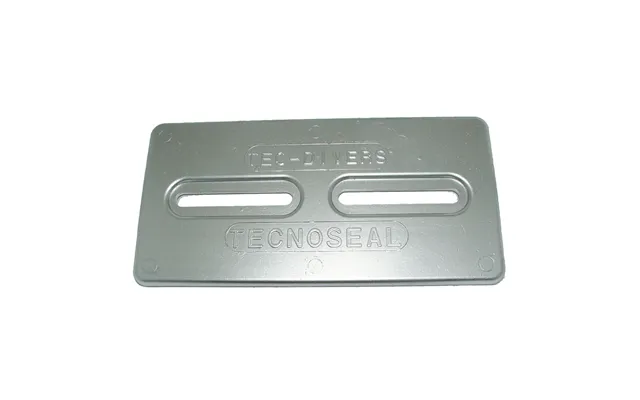
The TECNOSEAL TEC-DIVERSMG Plate Anode Magnesium is listed with dimensions of 12 inches by 6 inches by 1/2 inch. The brand is TECNOSEAL, the seller is The Twister Group, and the reference price is $67.12.
A plate anode is generally used as a sacrificial component in systems where corrosion protection is needed. In simple terms, it is designed to take on corrosive activity instead of allowing more valuable metal components to bear as much of that burden. The exact suitability depends on the system, water conditions, connection method, and manufacturer requirements.
The material is a key identifying feature here: this listed product is magnesium. Do not treat magnesium and zinc as interchangeable simply because both are sold as plate anodes. Material choice can affect performance and suitability, so check your system specifications before selecting one.
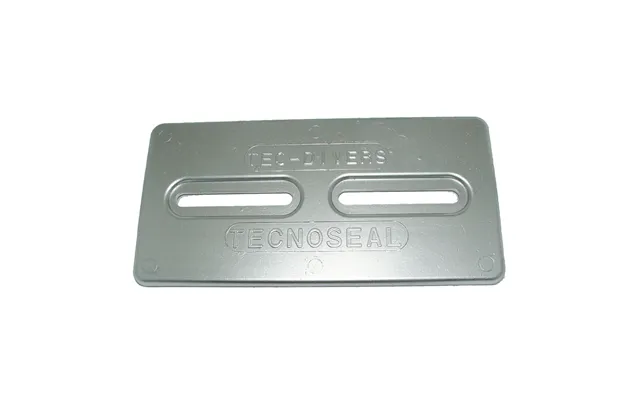
The TECNOSEAL TEC-DIVERS Plate Anode Zinc is also listed at 12 inches by 6 inches by 1/2 inch. It is a TECNOSEAL product sold by the twister group, with a reference price of $65.12.
This product shares the same listed dimensions as the magnesium plate anode, but its material is zinc. That distinction gives shoppers a useful comparison point: the physical size may be the same while the material differs.
The zinc model has a reference price of $65.12, while the magnesium model is listed at $67.12. That is a $2.00 difference in the reference data. Still, price alone should not decide the purchase. The correct anode is the one that matches the equipment and operating conditions, not necessarily the one with the lower listed price.
Magnesium and zinc are both used in sacrificial anode applications, but they are different materials with different characteristics. Think of them as two different tools designed for related jobs. The right choice depends on the system rather than on a universal ranking of one material over the other.
Water chemistry is one factor that may influence anode selection. The surrounding water can affect how quickly an anode is consumed and how effectively it performs its protective role. System design, connected metals, electrical conditions, and manufacturer guidance may also matter.
For that reason, avoid choosing an anode based only on dimensions. The TECNOSEAL magnesium and zinc products both measure 12 inches by 6 inches by 1/2 inch in the reference data, but their materials differ. If your equipment documentation specifies a material, follow that direction.
When documentation is unclear, ask a qualified installer or technician to identify the appropriate material. A short consultation can be far less frustrating than installing a component that does not suit the system.
Start with identification. Write down the equipment manufacturer, series, model, existing component type, and any visible part number. For the featured rod, the TWW series and TWW75 designation are important clues. For the plate anodes, the material and dimensions are central details.
Next, compare dimensions carefully. The listed anodes are 12 inches long, 6 inches wide, and 1/2 inch thick. Those measurements may help you narrow your search, but they do not replace checking the mounting arrangement or connection details.
Then review the material. The magnesium and zinc products are not duplicates. If the system calls for magnesium, a zinc plate may not be an appropriate substitute, and the same caution applies in reverse.
Finally, consider the seller and listing information. The rod is listed with bodega cooler, while both TECNOSEAL plate anodes are listed with the twister group. ZoneOffer allows shoppers to compare the displayed options, but the listing should be reviewed for the latest product details before purchase.
Dimensions are more than numbers on a product page. They are the bridge between a replacement part and the space where it must fit. A component that is too large may not install correctly, while one that is too small may not perform as intended.
For the two listed TECNOSEAL plate anodes, the dimensions are 12 inches by 6 inches by 1/2 inch. Record those measurements alongside the material and product name when comparing them. This creates a quick checklist instead of forcing you to remember several details at once.
Keep in mind that overall dimensions may not tell the whole story. Mounting holes, fasteners, cable connections, shape, and access space can also affect compatibility. If the reference data does not provide those details, do not assume they are identical between products.
Measuring the existing part can help, but safe removal or inspection may require technical knowledge. Turn to the appropriate equipment instructions or a professional if accessing the component involves pressurized water, electricity, confined spaces, or heavy equipment.
The reference data provides three prices. The Bodegacooler TWW75 Rod is listed at $55.00. The TECNOSEAL magnesium plate anode is listed at $67.12, and the TECNOSEAL zinc plate anode is listed at $65.12.
Among the three, the rod has the lowest listed price, while the magnesium plate anode has the highest. The zinc plate anode is listed $10.12 higher than the rod and $2.00 lower than the magnesium option.
These figures are useful for initial comparison, but they should not be interpreted as a guarantee of current pricing, availability, shipping costs, or final checkout totals. Prices can change, and the reference data does not provide a discount, regular price, or availability statement for these products.
A smart comparison considers total suitability first and price second. Buying the wrong part at a lower price is not a saving; it is simply a cheaper mistake. Match the component to the system, then use price to compare suitable options.
Maintenance is easier when you treat it as a calendar task instead of an emergency response. Keep a record of installed components, inspection dates, measurements, and any signs of wear or corrosion. This turns your well system from a mystery box into a manageable checklist.
For anode-based components, inspection may help determine whether the sacrificial material is being consumed. The timing and method depend on the equipment, installation, and water conditions. Follow the relevant manufacturer instructions rather than applying one schedule to every system.
For rods and related mechanical components, watch for signs that the connected equipment is not operating normally. Unusual movement, noise, resistance, leakage, or poor performance may justify a professional inspection. These signs do not identify a specific fault by themselves, but they indicate that further checking may be wise.
Documenting maintenance can also make future shopping simpler. If you know the exact part name, dimensions, and material already used, you can compare replacement options with more confidence.
Well equipment can involve electricity, pressure, water, moving parts, and heavy components. Before attempting installation, identify the hazards involved and read the equipment instructions. Never assume that a replacement part is safe to install simply because it has the correct dimensions.
Shut down equipment according to the manufacturer’s procedure before inspection or replacement. If the work involves electrical connections, pressurized tanks, submerged components, or difficult access, consider using a qualified professional.
Installation details matter for anodes as well. The component may need a specific connection or mounting arrangement to work correctly. A plate installed without the required contact or connection may not provide the intended protection.
For the TWW75 Rod, confirm the correct TWW series application before removing the existing part. For either TECNOSEAL plate anode, verify the required material and mounting details. Preparation is not wasted time; it is the guardrail that keeps a small repair from becoming a larger problem.
ZoneOffer helps shoppers review product options in one comparison environment. It is not a store, and it does not replace the seller’s product page or technical documentation. Use the comparison information as a starting point for research.
When reviewing a listing, focus on the product title, brand, seller, material, dimensions, and displayed price. For the featured products, those details distinguish the Bodegacooler rod from the two TECNOSEAL plate anodes and separate the magnesium model from the zinc model.
Before making a decision, confirm the latest information directly through the relevant listing. Check that the product still matches your equipment and that the displayed price and other purchase details remain accurate.
Comparison shopping works best when you already know what you need. Identify the part first, compare suitable options second, and investigate the seller information third. That order keeps convenience from replacing careful decision-making.
One common mistake is choosing a replacement by appearance alone. Two parts can look similar while differing in material, connection, or intended application. Product names and specifications are more reliable than visual similarity.
Another mistake is ignoring the model or series. The Bodegacooler listing specifically references the TWW series and TWW75 Rod. That information should be treated as part of the compatibility check, not as decorative wording.
Shoppers also sometimes focus too heavily on the lowest price. The listed prices show why context matters: the zinc plate anode costs less than the magnesium plate anode, but the correct material depends on the system. A lower price cannot compensate for poor fit.
Finally, avoid assuming that missing information means everything is standard. If a listing does not state a connection type, mounting method, or compatibility detail, look for official documentation or professional guidance rather than filling the gap with guesswork.
The right well supplies can make maintenance more organized and system care more predictable. In the reference data, the Bodegacooler TWW75 Rod is listed at $55.00, while the TECNOSEAL magnesium and zinc plate anodes are listed at $67.12 and $65.12. Their different purposes, materials, and identifying details make careful comparison essential. Use the model, series, dimensions, material, seller, and displayed price as your starting checklist, and confirm technical suitability before buying. With a thoughtful approach, comparison shopping becomes less like searching for a needle in a haystack and more like following a clear map.