

Lighting Timers price list
Last updated Monday, Nov 9, 2026





Loading...
Last updated Monday, Nov 9, 2026
Lighting timers can make everyday lighting feel almost effortless. Instead of switching lights on and off manually, you can use a timer or motion-responsive control to manage when lighting operates. That can be useful for homes, gardens, entryways, workshops, and other spaces where convenient control matters.
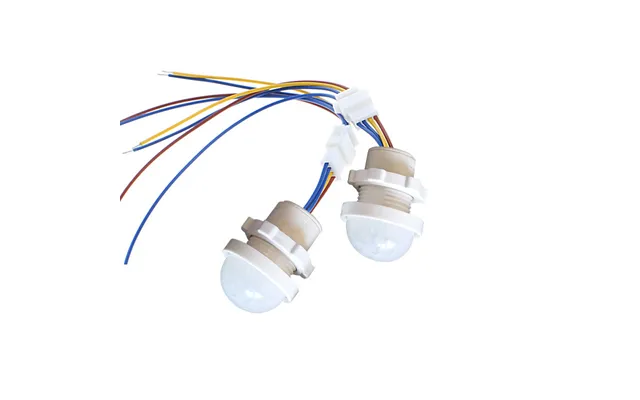
In the current lighting timer selection, one notable product is the Smart LED PIR Infrared Motion Sensor Detector Switch 110V 220V Automatic Detection Lighting Accessory. The listing identifies it as a lighting accessory available through Alibaba, with a listed price of $0.95. ZoneOffer is a comparison site, so the offer details should be viewed as comparison information rather than a direct purchase from ZoneOffer.
A lighting timer is a control device that helps manage when a light turns on or off. Traditional timer models generally follow a schedule, while sensor-based products respond to movement or another detected condition. Both approaches can reduce the need for constant manual switching.
Think of a timer as a quiet assistant for your lighting. You set the conditions, and the control handles the routine task. For some rooms, a schedule may be enough. For other areas, such as a walkway or entrance, automatic detection may be more practical.
The featured product is described as a Smart LED PIR Infrared Motion Sensor Detector Switch. PIR refers to passive infrared technology, a type of sensing commonly associated with detecting movement through changes in infrared energy. In simple terms, the sensor is designed to notice motion and control a connected lighting setup.
The product title also identifies it as an automatic detection lighting accessory. That makes it different from a basic clock-based timer. Rather than relying only on a fixed time, a motion sensor can be useful when lighting needs depend on activity in the area.
Motion-responsive lighting may be convenient in locations where people do not want to search for a switch in the dark. It can also support a more responsive lighting setup, especially in places where activity happens at irregular times.
However, the best use depends on the installation and the intended lighting behavior. A sensor may suit a space where movement should trigger illumination, while a scheduled timer may work better when lighting should follow a predictable daily routine.
The product title lists both 110V and 220V. This is important information to review before considering installation, because electrical systems and equipment requirements vary. The listing data does not provide further compatibility guidance, wiring instructions, installation requirements, or certification details.
Before choosing a lighting control, compare the stated voltage with the requirements of the intended lighting system. If you are unsure about electrical compatibility or installation, consult a qualified professional rather than guessing. A small mismatch can create a serious safety concern.
Lighting timers and sensor switches can be considered for many types of spaces. Indoor examples may include hallways, storage areas, utility spaces, and entrances. Outdoor applications may include paths, gates, patios, or other areas where automatic lighting is useful.
The reference data does not specify a recommended location for this particular product, so the right application should be determined by checking its full technical documentation. The product title suggests automatic lighting control, but it does not provide a complete installation guide or a list of supported fixtures.
For indoor lighting, think about how often movement occurs and whether the light should remain active for a set period. A motion sensor can be convenient in a passageway, but it may be less suitable in a room where someone remains still for a long time.
Placement also matters. A sensor needs a clear opportunity to detect movement, and furniture, walls, doors, or other obstacles may affect how well a control performs. Since the listing does not provide sensing range or timing settings, those details should be confirmed before purchase.
Outdoor lighting introduces additional questions. Weather exposure, mounting location, wiring, and fixture compatibility all deserve attention. The supplied listing does not state whether this product is weather-resistant or rated for outdoor use.
That means you should not assume that the sensor is suitable for an uncovered outdoor location simply because it is described as a lighting accessory. Check the manufacturer or seller information for environmental ratings and installation requirements first.
Automatic lighting can make routine tasks easier. When a system responds to movement, you may not need to find a switch each time you enter an area. When a system follows a schedule, it can help keep lighting behavior consistent.
Lighting automation may also support energy-conscious habits, although actual energy use depends on factors such as the light source, operating time, settings, and user behavior. The reference data describes the product but does not provide measured energy savings or performance results.
Convenience is often the main appeal. A light that responds when needed can feel like a helpful doorway into a smarter home. You walk in, the lighting reacts, and the routine becomes simpler.
Still, automatic control is not magic. The sensor, fixture, wiring, and settings must work together. If one part is unsuitable, the overall experience may be disappointing. That is why product specifications matter as much as the headline description.
Automated lighting may also be considered as part of a broader home security approach. Lighting that turns on in response to movement can make an area more visible. However, the reference data does not promise security performance, deterrence, monitoring, or any specific protection.
Use the product as a lighting control option rather than treating it as a complete security system. Good outdoor visibility can be helpful, but it should not replace appropriate security planning.
When comparing lighting timers, begin with the control method. Does the product use a schedule, motion detection, manual override, or a combination? The featured listing focuses on PIR infrared motion detection and automatic operation.
Next, review electrical compatibility. The reference listing shows 110V and 220V in the title, but it does not provide additional technical specifications. Confirm the exact operating range, load capacity, wiring arrangement, and supported lighting types through the detailed listing before making a decision.
Important details may include sensing distance, detection angle, activation duration, adjustment controls, and maximum electrical load. None of those specifications are included in the supplied reference data for this offer.
That does not mean the product lacks those features; it simply means they should not be assumed. A careful comparison separates confirmed information from questions that still need answers.
Installation style can affect whether a lighting control suits your project. Some devices are designed for a particular box, fixture, or wiring arrangement. Others may require more extensive setup.
The listing describes the product as an accessory but does not state how it is installed. Review the product instructions and seek qualified electrical assistance when needed. Safe installation should come before convenience or price.
The reference data includes one offer for the Smart LED PIR Infrared Motion Sensor Detector Switch 110V 220V Automatic Detection Lighting Accessory. The listed store is Alibaba, and the listed price is $0.95.
The offer description states “1M new products” and mentions exclusive perks of up to US$500 off. These phrases come directly from the supplied listing data, but the data does not explain the conditions, eligibility, timing, or precise meaning of those promotional details. Review the live offer carefully before relying on them.
A low listed price can attract attention, but it should not be the only comparison point. Compatibility, installation requirements, specifications, product documentation, and intended use are equally important.
For example, a sensor may appear suitable at first glance but still require a particular electrical setup or installation environment. Price is one piece of the puzzle, not the whole picture.
A schedule-based timer is usually considered when lighting needs to follow regular times. This can suit a predictable routine. A motion sensor, by contrast, may be more appropriate when lighting should activate only when movement occurs.
Which option is better? Ask yourself how the space is used. If people pass through at changing times, automatic detection may be appealing. If the light should follow a fixed daily pattern, a scheduled control may be easier to plan.
Motion detection can be practical for areas that are used briefly or irregularly. It can help avoid the need to locate a switch during quick trips through a space. The featured product’s title specifically emphasizes PIR detection and automatic lighting operation.
Even so, the sensor’s actual behavior depends on its technical specifications and installation. Confirm the detection and timing features before deciding that it fits your routine.
A scheduled timer may be preferable when the desired lighting pattern is consistent. For example, you may want lighting to follow the same general schedule each day rather than responding to every movement.
The reference offer is a motion sensor switch, not a product described as a conventional clock timer. Therefore, do not assume that it includes scheduling functions unless the full product information confirms them.
Before selecting a lighting control, write down the basics of your project. What light will it control? Where will the device be installed? What voltage does the system require? Will the sensor be indoors or exposed to weather?
Then compare those requirements with the product information. For the featured offer, the available data confirms the product name, PIR motion detection description, 110V and 220V wording, Alibaba listing, and $0.95 price. It does not confirm weather resistance, load capacity, sensing range, or installation method.
Compatibility is the foundation of any lighting control purchase. A product that does not match the electrical system or fixture may not be appropriate, regardless of how attractive the price looks.
If the technical information is incomplete, treat that as a reason to investigate further. Asking questions before purchase can help you avoid choosing a product based only on a short title.
Electrical accessories deserve careful handling. Read the instructions, check the applicable requirements for your installation, and use a qualified professional when you are not confident about the work.
The supplied reference data does not include safety certifications or installation instructions. Because of that, those details must be verified independently through the full product listing or manufacturer documentation.
Comparison shopping works best when you look beyond the product headline. Use the listed price as a starting point, then examine the specifications and the seller information available on the offer page.
ZoneOffer helps shoppers compare product information; it is not the store selling this lighting accessory. The store shown in the supplied data is Alibaba. Product terms, specifications, and promotional details should be checked on the relevant listing before making a purchase decision.
A thoughtful comparison is like using a flashlight in a dark room: it helps reveal details that are easy to miss. Voltage, detection behavior, installation, and environment all deserve attention before you choose.
The Smart LED PIR Infrared Motion Sensor Detector Switch 110V 220V Automatic Detection Lighting Accessory is a notable lighting control option in the supplied data. Its description emphasizes PIR motion detection and automatic lighting operation, while the listing shows a $0.95 price through Alibaba. Before selecting it, confirm electrical compatibility, installation requirements, environmental suitability, and complete technical specifications. With those details checked, you can make a more informed comparison between motion-responsive lighting and traditional scheduled timers.