

Watering Cans price list
Last updated Saturday, Oct 17, 2026
| Watering Cans | Price |
|---|---|
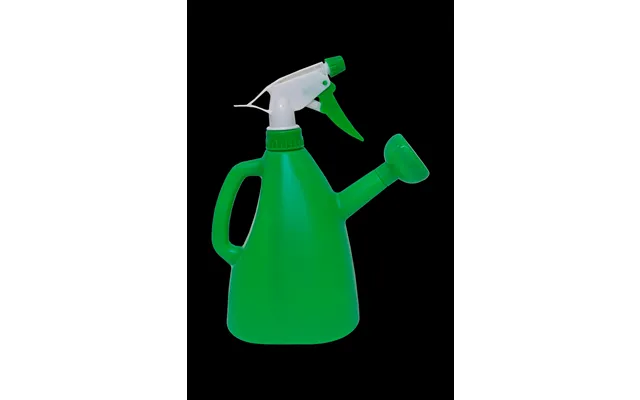
| A Pot For Pot Watering Can | $9.00 |
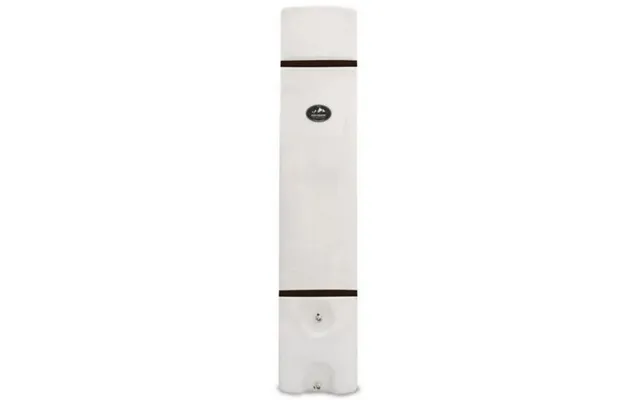
| High Country Plastics - Slant Load Upright Water Caddy | $243.95 |




Loading...
Last updated Saturday, Oct 17, 2026
| Watering Cans | Price |
|---|---|
| A Pot For Pot Watering Can | $9.00 |
| High Country Plastics - Slant Load Upright Water Caddy | $243.95 |
Watering the garden can feel like a small chore, but the right container can make the job smoother, cleaner, and more enjoyable. Whether you care for flower beds, patio plants, seedlings, or larger outdoor areas, a suitable watering can helps you control the flow and reach plants without relying entirely on a hose.
This guide explores watering cans and related watering containers, with practical tips for choosing the right style, using water efficiently, and keeping your equipment in good condition. It also highlights the product listed in the reference data: the High Country Plastics Slant Load Upright Water Caddy. You can use this information as a starting point while comparing options on ZoneOffer, a comparison site that helps shoppers review products and pricing from listed sellers.
A watering can gives you direct control over where water lands. Instead of sending a broad stream across an entire area, you can aim water at the soil around a particular plant. That can be especially useful when you are caring for young plants, containers, hanging baskets, or spaces where a hose may be awkward.
Think of a watering can as a handheld rain cloud. You decide how much water to carry, where to pour it, and how quickly it reaches the soil. This simple control can help reduce accidental splashing and make everyday plant care feel more precise.
Watering cans are also useful when an outdoor tap is inconveniently placed or when you need to water indoor plants. Their portable design allows you to move water from one point to another without setting up a hose or other irrigation equipment.
Not every watering task calls for the same type of container. A compact watering can may suit indoor plants and small garden areas, while a larger water caddy can be more appropriate for carrying or storing a greater supply of water. The best choice depends on your plants, available space, and how often you want to refill.
The reference data includes the High Country Plastics - Slant Load Upright Water Caddy. It is listed as a one-count product from the High Country Plastics brand. The product listing does not provide a detailed capacity, dimensions, color, or watering attachment, so those details should be confirmed through the seller’s listing before you make a decision.
A water caddy can be viewed as the larger cousin of a traditional watering can. It may be useful when you want a dedicated water container, but you should compare the design and intended use with your own routine. Do you need something for delicate seedlings, or are you mainly looking for a container to support broader outdoor watering tasks?
The listed product is the High Country Plastics - Slant Load Upright Water Caddy. According to the supplied data, it is offered by Peta2z and has a listed price of $243.95. The reference data identifies it as a one-count product.
Because the available description is limited, shoppers should avoid assuming features that are not stated. The listing does not confirm capacity, included accessories, material specifications beyond the brand and product title, warranty information, or suitability for a particular type of garden. Reviewing the full seller information is an important step before purchasing.
The product title includes the terms “Slant Load” and “Upright,” which may help shoppers distinguish it from other water containers when searching. However, the reference information does not explain how those design terms affect loading, handling, placement, or watering performance. Treat the title as a product identifier rather than a complete feature list.
The reference data lists the price as $243.95, with no regular price supplied. That means there is no supported basis for calculating a discount or claiming that the item is on sale. Prices can change, so it is wise to compare the current listing details before completing a purchase.
ZoneOffer does not sell the product. It functions as a comparison site, allowing you to review the available information and compare options. The listed store is peta2z, while the brand shown for the product is High Country Plastics. Keeping those roles clear helps you understand where product information comes from and where a purchase may be handled.
Start with the size of your watering routine. If you only care for a few houseplants, a smaller can may be easier to lift and control. If you maintain many outdoor plants, a larger container may reduce the number of refills. However, a bigger container can also become heavier when full, so balance matters.
Next, consider the shape of the handle and the position of the opening. A comfortable grip can make repeated watering less tiring. A wide opening may make filling easier, while a narrower opening may help limit spills during carrying. These details are general product considerations, and the reference data does not confirm which features are included with the High Country Plastics caddy.
Pay attention to how the water exits the container. Some watering cans are designed to produce a gentle sprinkle, while others provide a more concentrated stream. A gentle flow can be helpful for delicate plants and loose soil. A stronger stream may be more practical when you need to soak soil around established plants.
Your storage area matters just as much as your garden. A container that fits neatly near your planting area is more likely to be used regularly. Before choosing a product, consider whether you will store it indoors, in a shed, near a greenhouse, or beside an outdoor water source.
Upright designs may be appealing when you want to keep a container standing rather than lying on its side. Still, the supplied product information does not provide dimensions or storage requirements for the High Country Plastics water caddy. Check the seller’s full specifications to make sure it fits your available space.
Good watering is not simply about adding more water. It is about directing moisture where plants can use it. Aim toward the soil around the base of the plant rather than repeatedly wetting the leaves. This approach can help keep the watering focused and prevent unnecessary splashing.
Water slowly when the soil is dry or compacted. Pouring too quickly may cause water to run away before it reaches the root area. A slower pour gives the soil more time to absorb moisture, much like allowing a sponge to take in water instead of flooding it all at once.
Use your plant’s appearance and the soil’s condition as clues. Wilting can signal that a plant needs attention, but different plants have different preferences. Before watering, check whether the soil already feels moist. This simple pause can help you avoid treating every plant as if it follows the same schedule.
Seedlings often need a gentler approach than mature plants. A forceful stream can disturb loose soil or bend young stems. If your container produces a strong flow, pour carefully and direct the water toward the soil rather than the plant itself.
For indoor plants, move slowly and use a container that you can control with one hand if possible. Water near a sink, tray, or other surface that can handle accidental drips. A carefully chosen watering can turns a messy task into a more predictable routine.
Efficient watering begins with using only what your plants need. Check the soil before reaching for the container, and avoid watering simply because it is part of your usual schedule. Weather, sunlight, plant type, and soil conditions can all affect how quickly moisture disappears.
Water near the roots instead of scattering water across paths, hard surfaces, or empty soil. This keeps more of your effort focused on the plants. You can also group plants with similar watering needs, making your routine more organized and reducing guesswork.
A reusable watering container can support a consistent garden routine because it gives you a direct way to transport and apply water. The reference data does not state the environmental features or material composition of the High Country Plastics caddy, so do not assume it includes recycled content or a specific sustainability certification.
Regular care helps keep watering equipment ready for use. Empty leftover water when appropriate, especially if the container will sit unused for a while. Standing water can become unpleasant over time, and debris may collect inside the container or around its outlet.
Rinse the container with clean water and inspect the opening, spout, cap, or fittings if those components are present. The listed reference data does not confirm which parts are included with the High Country Plastics water caddy, so maintenance should follow the instructions supplied with the actual product.
Store your watering equipment in a location protected from avoidable damage. Keep it away from sharp tools, heavy objects, and extreme conditions when possible. Before using it, look for visible cracks, leaks, loose components, or other signs that could affect safe handling.
A small leak may seem harmless, but it can make carrying water more difficult and leave wet spots where you do not want them. A damaged handle can also affect control. Inspecting the container before use takes only a moment and can prevent a frustrating watering session.
Do not rely on general assumptions about durability, weight, or construction. Product performance depends on the actual design and how it is used. For the featured water caddy, consult the seller’s detailed specifications and care guidance for information not included in the supplied reference data.
When comparing watering cans and caddies, place practical features ahead of flashy wording. Look for clear information about capacity, dimensions, materials, handles, openings, watering outlets, and intended use. If a listing does not answer an important question, treat that as a reason to investigate further rather than filling in the gap yourself.
Price is another useful comparison point, but it should not be viewed in isolation. A lower-priced container may suit a small routine, while a larger or more specialized product may be considered for a different purpose. The right choice is the one that matches your workload, storage space, and comfort.
For the product in the reference data, the known details are the High Country Plastics brand, the Slant Load Upright Water Caddy title, the peta2z store, the one-count quantity, and the listed price of $243.95. The supplied information does not confirm availability, shipping terms, discounts, ratings, or additional product specifications.
Before choosing a watering can or water caddy, ask yourself how much water you usually carry, how far you move it, and whether you need a gentle sprinkle or a more direct flow. These questions quickly narrow the field and keep you focused on real needs.
Also consider who will use the container. A product that feels manageable for one person may feel too heavy or awkward for another when full. Comfort, balance, and grip are not minor details; they are the bridge between owning a watering tool and actually enjoying using it.
For the featured product, verify any missing information directly in the current seller listing. Since the reference data gives only limited specifications, details such as capacity, measurements, construction, and included parts should be confirmed before you rely on the caddy for a particular watering setup.
A good watering container can make plant care more controlled, convenient, and consistent. Small cans work well for focused tasks, while larger caddies may suit broader watering routines. The High Country Plastics - Slant Load Upright Water Caddy is listed at $243.95 from peta2z, but the supplied information is limited, so careful comparison and specification checking are essential. Use ZoneOffer as a comparison site to review the available details, then choose the option that fits your plants, space, and daily habits.