

Outdoor Power Equipment - Other price list
Last updated Saturday, Oct 17, 2026




View 11 Offers
Loading...
Last updated Saturday, Oct 17, 2026
Outdoor power equipment can transform the way you manage a home, garden, greenhouse, or larger property. From backup electricity and renewable energy systems to pond pumps, pruning tools, and landscaping machines, the right equipment can save time and make demanding jobs feel far more manageable.
This comparison guide explores a varied selection of outdoor power equipment featured in the supplied listings. You will find portable solar generators, wind turbines, a pond pump, farm foggers, greenhouse ventilation equipment, electric pruning shears, solar systems, and a hydroseeding machine. Prices shown are the listed prices in the reference data and may change, so it is smart to compare details before making a decision.
Outdoor power equipment covers more than lawn mowers and string trimmers. It includes machines and systems that provide energy, move water, support plant growth, improve ventilation, or simplify outdoor maintenance. Think of it as a toolbox for larger outdoor tasks: each product solves a different problem.
Some equipment is designed for occasional home use, while other products may suit agricultural, landscaping, or commercial applications. A portable power station can help provide electricity during an outage or on a trip. A greenhouse exhaust fan supports air exchange. A pond pump keeps water moving. Meanwhile, a hydroseeding machine is aimed at large-scale grass and landscaping work.
Portable solar generators are among the most versatile products in this category. They combine battery storage with power outlets and charging options, giving you a way to store energy and use it when needed. They can be useful for home backup, travel, outdoor projects, or emergency preparedness.
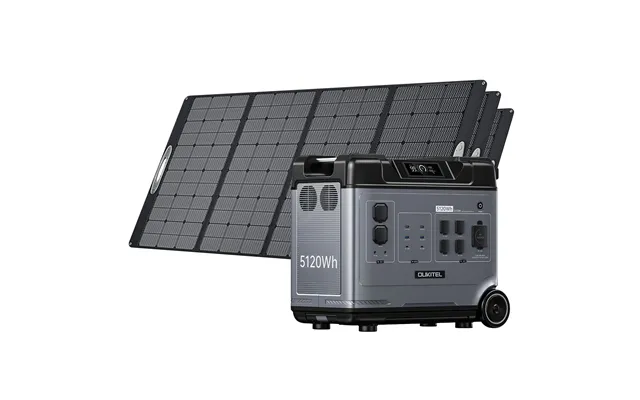
The OUKITEL P5000 Solar Generator is listed at $2,099 and includes three 400-watt portable solar panels. Its stated battery capacity is 5,120 watt-hours, paired with a 2,200-watt AC pure sine wave inverter. That combination is intended to support high-power devices, although you should always compare the equipment’s output requirements before connecting anything.
The listing also highlights 1,800-watt AC input, a 1,400-watt uninterruptible power supply function, and solar input of up to 1,000 watts. Its plug-and-play design may appeal to users who want a straightforward setup rather than a complicated installation. The product description also states a 5,000-cycle lifespan and describes the unit as durable for long-term use.
What makes the P5000 stand out is its balance of capacity and portability. It is described as large enough to provide energy while remaining small enough to carry. If you are comparing home backup equipment, focus on three questions: how much energy can it store, how much power can it deliver at once, and how quickly can it recharge?
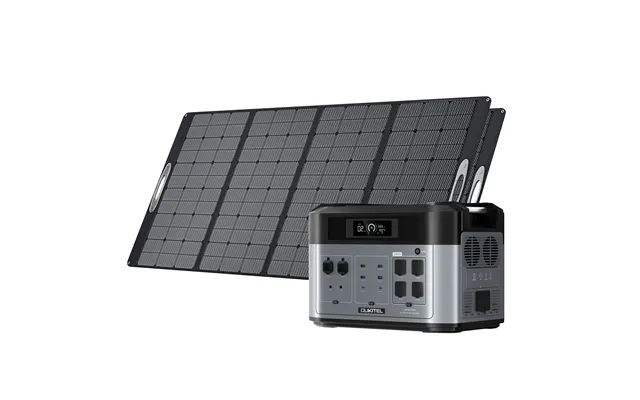
The OUKITEL BP2000 Solar Generator is listed at $1,899 and comes with two 400-watt solar panels. Unlike a fixed battery system, it is described as expandable from 2 kilowatt-hours to 16 kilowatt-hours, allowing the storage capacity to grow with your needs.
The listing states that the unit can charge from 0% to 80% in 1.5 hours using a maximum 1,800-watt AC input. It also describes dual AC and photovoltaic charging, reaching 80% in 1 hour under the stated conditions. The BP2000 includes a 2,200-watt pure sine wave inverter and a 1,400-watt emergency power supply with a transfer time of less than 10 milliseconds.
Other stated features include a lithium iron phosphate battery, 3,500 cycles, and six charging methods. These include AC, solar, car, generator, and AC adapter options as listed in the product description. It may be worth considering if you want expandable storage for home backup, RV trips, or off-grid activities.
When comparing portable solar generators, capacity is only one part of the picture. A larger battery may run equipment for longer, but output determines what you can operate at the same time. Check the inverter rating, charging inputs, available outlets, and whether the system supports expansion.
Recharge time also matters. A generator that takes too long to recharge may be less convenient during an extended outage. Solar input can be useful when conventional power is unavailable, while AC charging may be more practical when speed is the priority.
Battery cycle information can help you think about long-term use. The listings for the OUKITEL models provide different cycle figures, so compare those figures alongside capacity, power output, charging options, and price. In simple terms, do not judge a power station by its headline number alone; look at the entire system.
Several listings focus on renewable energy generation rather than portable battery storage. These products may appeal to people exploring alternative energy for a home, garden, greenhouse, or other property. However, the right choice depends on the site, local conditions, installation requirements, and the equipment you want to power.
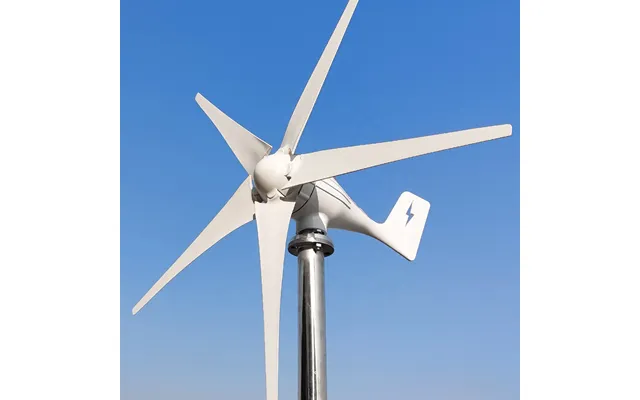
A 48-volt, 800-watt horizontal wind turbine generator is listed at $199. The product is described as a small-size alternative energy system for a home or garden. Its compact positioning may make it interesting for users who want to explore wind generation without starting with a larger system.
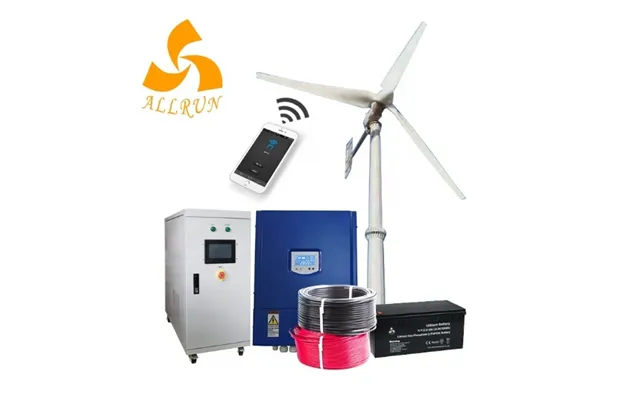
Another listing is a residential roof or ground wind generator available in configurations described as 110 volts, 220 volts, and 380 volts, with 5-kilowatt and 10-kilowatt options. It is listed at $2,600. Because the listing includes multiple configurations, buyers should confirm the exact version, electrical requirements, and included components before purchase.
Wind equipment is site-dependent. A turbine needs suitable wind conditions and a safe mounting location. Ask yourself where it would be installed, how it would connect to your electrical setup, and whether professional advice is needed. The cheapest option is not always the simplest option once installation is considered.
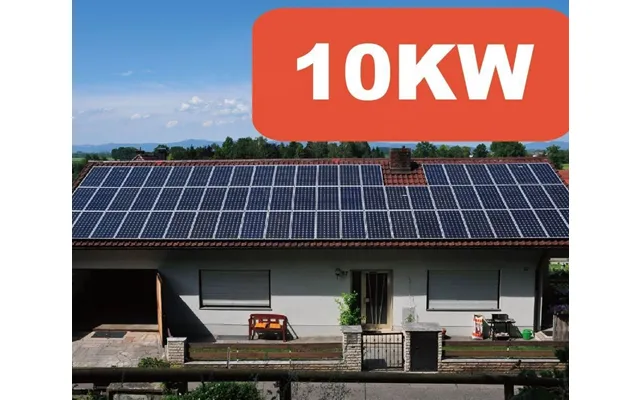
A whole-unit, single-phase and three-phase solar system is listed at $2,450. The product title references 48-volt, 110-volt, 220-volt, and 380-volt configurations, as well as roof and ground mounting. It also references a 10-kilowatt solar system.
This type of product may be relevant for someone planning a more permanent renewable energy setup rather than a portable battery solution. Since the listing includes several electrical configurations and mounting choices, it is important to verify the exact specifications before committing. Consider the available roof or ground space, the intended load, and how the system will integrate with existing equipment.
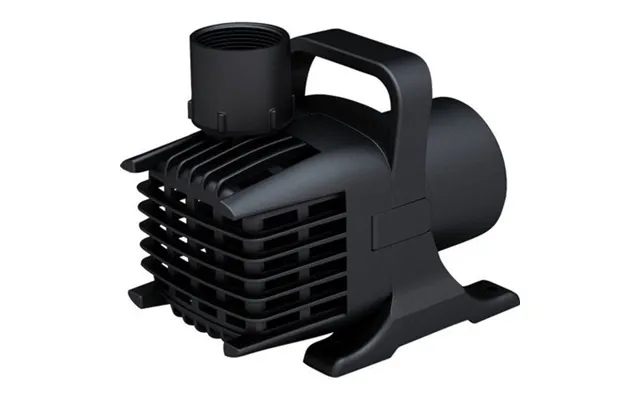
The Atlantic TT-Series Pond Pump is listed at $258.99 and has a stated flow rate of 1,500 gallons per hour. Pond pumps can help circulate water in decorative ponds, water features, and garden installations. Water movement may also support a more dynamic and visually appealing outdoor space.
When evaluating a pond pump, flow rate is important, but it is not the only consideration. You should also think about the distance water must travel, the height it needs to reach, and the type of feature you want to create. A pump for a simple circulation loop may have different needs from one used for a waterfall or larger water display.
Before buying, confirm that the pump’s intended use matches your pond or feature. Also consider placement, access for cleaning, and the power connection. A pond pump is like the heart of a water feature: the right flow keeps the system moving, while a poorly matched pump can lead to disappointing performance.
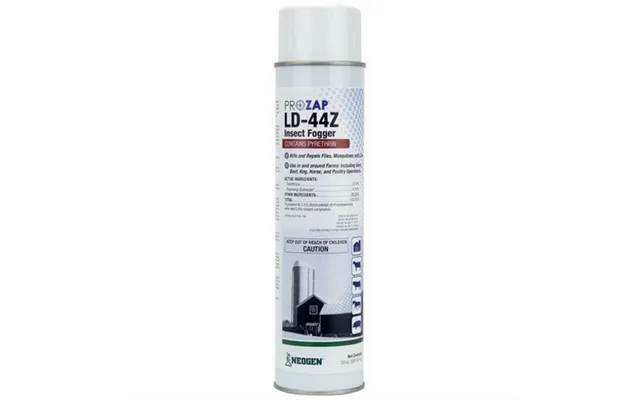
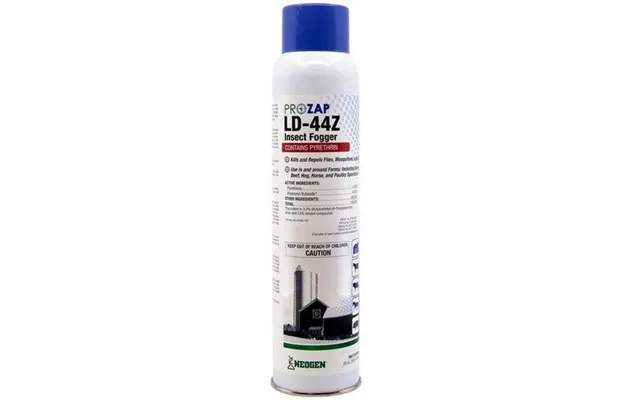
The reference data includes two listings for the Prozap LD-44Z Farm Fogger. The 25-ounce option is listed at $35.45, while the 20-ounce option is listed at $25.87. Both listings identify Prozap as the brand and Peta2z as the store.
These options give shoppers a simple size and price comparison. If you are deciding between them, consider how much product you need for the intended task and whether the smaller container is sufficient. A larger option may be more convenient for some jobs, while a smaller one may suit occasional use.
Always read the product label and follow its instructions before use. Fogging equipment and related products should be handled carefully, with attention to application guidance, protective measures, and the intended environment. The listing itself does not provide additional usage directions, so do not assume details that are not stated.
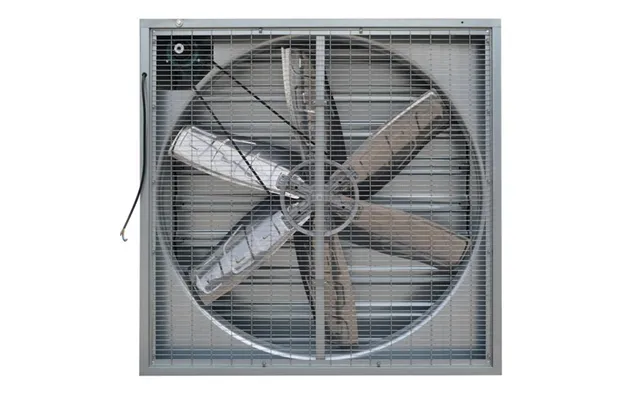
A greenhouse ventilation exhaust fan is listed at $120. The product is described as reliable cooling equipment for agricultural greenhouse plant cultivation and air exchange. For greenhouse operators, ventilation can be an important part of creating a more manageable growing environment.
Air exchange helps move warm, stagnant air out of an enclosed growing space. The fan may be relevant for greenhouse projects where heat buildup and limited airflow are concerns. Before selecting a ventilation system, consider the size of the greenhouse, the location of the fan, and how air will enter as exhausted air leaves.
Think of greenhouse ventilation like opening a window on a warm day, but with more control. A fan can support airflow, yet the overall setup still depends on placement and the design of the structure. Confirm the product’s electrical requirements and installation details before purchase.
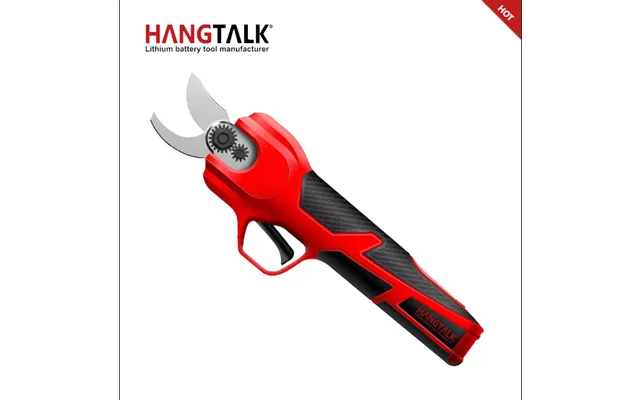
The Kingson lightweight electric pruning shears are listed at $43. The product title describes them as a family model with a removable battery. For gardeners who regularly trim branches, powered shears may provide a more convenient alternative to manual pruning tools.
A lightweight design can be helpful during longer gardening sessions, while a removable battery may make charging and storage more flexible. These shears could be worth comparing if you maintain shrubs, small trees, or ornamental plants and want to reduce repetitive hand effort.
Before using powered pruning shears, consider the branch sizes involved and read the operating guidance supplied with the product. Keep the tool stored safely when not in use, and make sure the battery is handled according to the manufacturer’s instructions. Small tools can still demand careful attention; convenience should never replace safe habits.
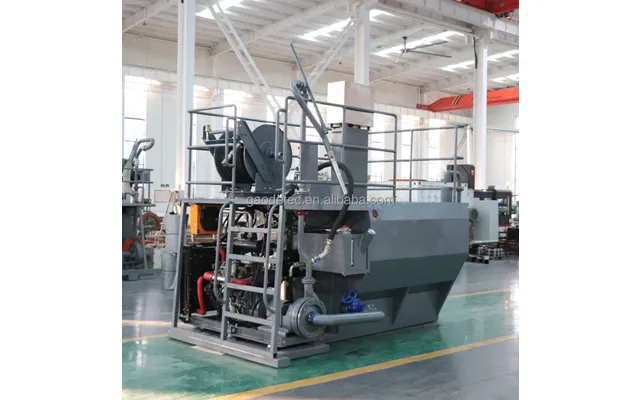
A small hydroseeding machine for grass seeding and landscaping is listed at $20,900. The product title describes it as a green engineering machine intended for grass seeds and landscaping applications. Compared with hand-seeding, hydroseeding equipment is aimed at larger or more specialized projects.
Hydroseeding machines are generally considered when a property, development, or landscaping project requires an efficient way to apply grass seed mixtures over an area. The right machine depends on the project scale, terrain, material requirements, and available operator experience.
At this price point, careful planning is essential. Compare the machine’s intended capacity, operating requirements, maintenance needs, and compatibility with your project before making a decision. If you only need to seed a small patch of lawn, a large landscaping machine may not be practical. If you manage extensive grounds, however, specialized equipment may deserve closer consideration.
Start with the job rather than the product. Are you trying to store electricity, generate renewable power, circulate pond water, ventilate a greenhouse, prune plants, or seed a large area? Once you define the task, the suitable equipment category becomes much clearer.
Next, compare capacity and compatibility. For power equipment, look at watt-hours, watt ratings, voltage options, charging methods, and connection requirements. For a pond pump, focus on gallons per hour and the water feature design. For garden tools, think about weight, battery type, and the work you expect to perform.
Budget is another important filter. The listings range from the $43 Kingson pruning shears and $120 greenhouse fan to the $20,900 hydroseeding machine. That wide spread shows why comparing equipment based on intended use matters. A low-cost tool may be ideal for a focused task, while a larger investment may only make sense for a demanding operation.
Finally, consider setup and ongoing use. Some equipment may be portable and ready to use, while other products may require mounting, wiring, site preparation, or professional installation. A product can look perfect on paper, but the best choice is the one that fits your property, skills, power supply, and workload.
For portable energy, the OUKITEL P5000 is listed at $2,099, while the OUKITEL BP2000 is listed at $1,899. The P5000 highlights a 5,120-watt-hour capacity and includes three 400-watt solar panels. The BP2000 highlights expandable storage and includes two 400-watt solar panels.
For garden and property equipment, the Atlantic pond pump is listed at $258.99, the greenhouse exhaust fan at $120, and the Kingson electric pruning shears at $43. The Prozap fogger listings provide two choices: 25 ounces at $35.45 and 20 ounces at $25.87.
Renewable energy and landscaping equipment occupy a wider range. The small wind turbine is listed at $199, the residential wind generator at $2,600, and the whole-unit solar system at $2,450. The hydroseeding machine is listed at $20,900, making it the highest-priced product in the supplied data.
The featured outdoor power equipment covers a broad range of needs, from emergency energy storage and renewable generation to pond circulation, greenhouse airflow, pruning, fogging, and professional landscaping. Use the listed prices and specifications as a starting point, then verify the exact configuration, compatibility, and intended application before buying. ZoneOffer is a comparison site, so its role is to help you compare available product information rather than operate as a store.