

Sands & Soils price list
Last updated Monday, Oct 26, 2026





View 13 Offers

Loading...
Last updated Monday, Oct 26, 2026
The right growing medium can make a noticeable difference in how plants establish, drain, and retain moisture. Whether you are preparing a tropical terrarium, improving garden soil, starting vegetables, or exploring natural soil amendments, choosing the right product is a little like choosing the right foundation for a house. When the base is suitable, everything built on top has a better chance to thrive.
ZoneOffer helps you compare products from the reference listings, including tropical substrates, diatomaceous earth, soil amendments, forage products, and growing plugs. It is a comparison site, not a store, so the prices shown here are listed comparison details rather than guarantees of current availability or final purchase terms.
Before choosing a product, think about the growing environment first. A tropical houseplant may need a balance between drainage and moisture retention, while a garden amendment may serve a completely different purpose. A terrarium substrate, for example, is not automatically the right choice for outdoor beds.
Start by asking three simple questions: What are you growing, where will it grow, and what problem are you trying to solve? Are you trying to hold moisture, improve airflow around roots, support a bioactive terrarium, amend garden soil, or start plants in a controlled medium? The answer will narrow the field quickly.
Indoor tropical plants, live plant terrariums, and bioactive terrariums often benefit from a substrate designed to balance drainage with moisture retention. Outdoor gardening projects may call for a different type of amendment, while seed or vegetable starts may be better suited to compact starter plugs.
Quantity matters, too. A small pouch may be practical for a few containers, whereas a larger bag may be more useful for several plants or a larger terrarium. The listings include sizes ranging from ounces and pounds to 8-quart and 24-quart pouches, giving you several quantity points to compare.
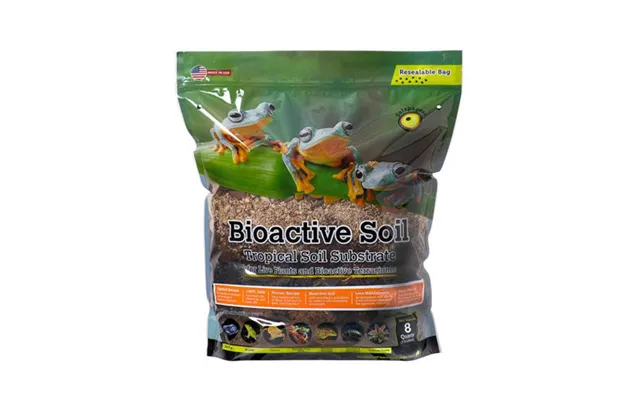
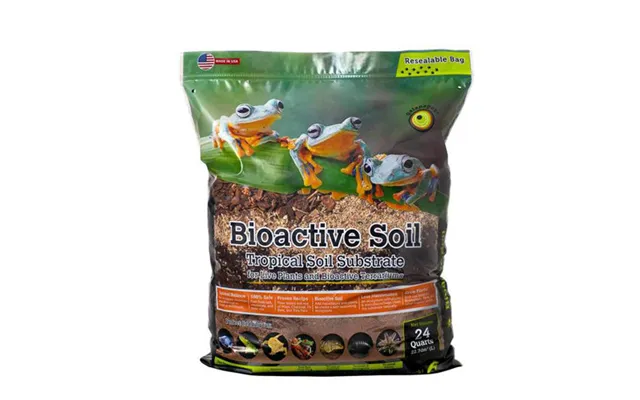
The Galapagos Bioactive Tropical Soil Substrate is listed in both an 8-quart stand-up pouch and a 24-quart stand-up pouch. Its stated blend includes tree fern, fir bark, Tropicoco soil, sphagnum moss, and charcoal. According to the listing, the mix is intended to provide a balance between drainage and moisture retention.
This makes it especially relevant for bioactive terrariums, live plant terrariums, and tropical houseplants. Think of the blend as a team: some materials can help create structure and airflow, while others can help hold moisture. The goal is not simply to stay wet or dry, but to create a more balanced environment for tropical growth.
The 8-quart Galapagos pouch is listed at $14.89, while the 24-quart pouch is listed at $41.06. The larger pouch offers three times the stated volume, so it may be worth comparing when you are preparing multiple containers or a larger setup.
For a single small project, the 8-quart size may be easier to manage. If you are building several terrariums or repotting multiple tropical plants, the 24-quart size may better match the scale of the project. ZoneOffer lets you compare these listings side by side rather than treating one size as automatically better.
Diatomaceous earth appears in several listings, including Starwest Botanicals Diatomaceous Earth, Lumino Diatomaceous Earth Food Grade, and Coopscoop Diatomaceous Earth Food Grade. These products differ in brand, package size, price, and the specific details provided in their descriptions.
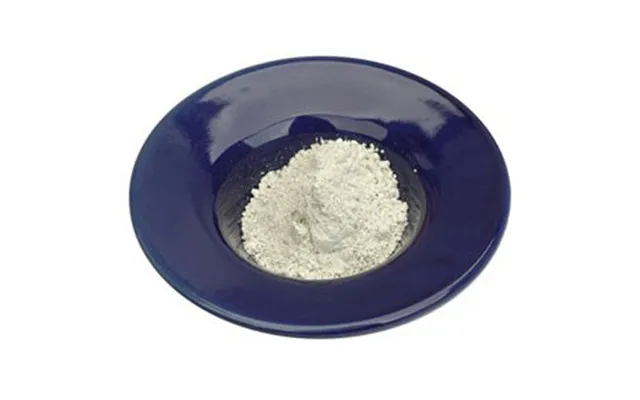
Diatomaceous earth is described in the listings as a naturally occurring sedimentary rock formed from the remains of microscopic algae-like plants. Depending on the product description, it may be associated with uses such as a natural pesticide, soil amendment, deodorizer, cleaner, absorbent, or exfoliator.
The Starwest Botanicals listing contains 1 pound and describes the product as food-grade diatomaceous earth. The listing states that it contains less than 1% crystalline silica and identifies several possible uses, including facial exfoliation, household cleaning, deodorizing, and use as a natural pesticide.
The description also mentions trace mineral silica and provides a suggested daily serving size that should not exceed a teaspoon. It specifically warns users not to inhale the contents and advises keeping the product out of reach of children. Those warnings are important reminders to handle fine powders carefully.
The listed price for the Starwest Botanicals product is $8.30. Because ZoneOffer is a comparison site, you should review the current product information and seller details before making a purchasing decision.
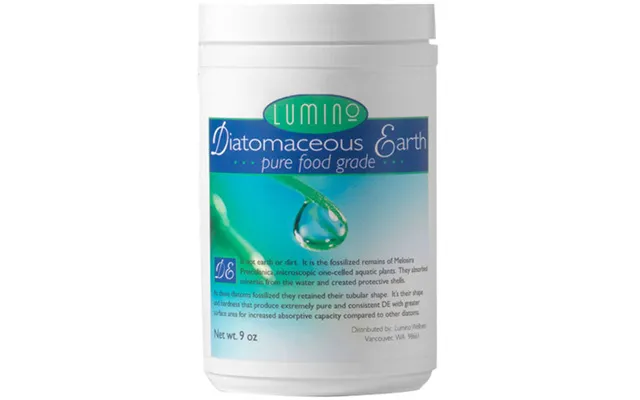
Lumino Diatomaceous Earth Food Grade is listed in a 1.5-pound package at $22.95. Its description says the material comes from a fresh-water deposit and is at least 85% silicon dioxide. The listing also identifies it as a natural deodorizer, cleaner, absorbent, garden soil amender, and beauty-related product.
The product description includes multiple suggested uses, so it is important to focus on the use that fits your project. A garden application, household use, and personal-care use are not interchangeable. Read the label and directions for the specific purpose you have in mind, and take the listed warnings seriously.
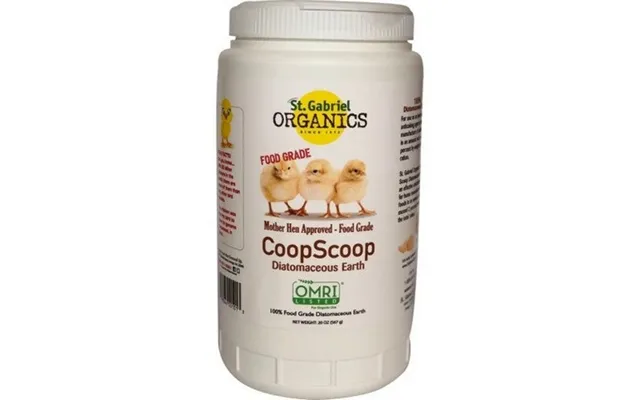
Coopscoop Diatomaceous Earth Food Grade is listed in a 20-ounce package for $10.99. The reference data does not provide a detailed ingredient list or expanded use instructions for this particular listing, so it is best to treat the product title and package size as the available comparison information rather than assume details that are not stated.
When comparing diatomaceous earth products, look at more than the name. Package size, stated grade, intended use, warnings, and price can all affect which option fits your project. A smaller package can be useful for testing or limited use, while a larger package may suit broader garden needs.
The reference listings identify diatomaceous earth as a possible garden soil amender and natural pesticide. However, the product descriptions do not provide a complete application plan for every plant or garden situation. That means you should follow the instructions on the selected product rather than applying a general formula.
Fine powders also deserve careful handling. The Starwest Botanicals listing specifically says not to inhale the contents. Use the product only as directed, keep it away from children, and pay attention to every warning on the label. A natural origin does not remove the need for safe handling.
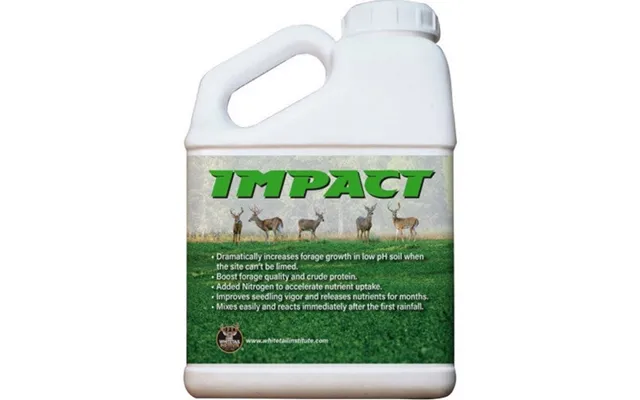
Whitetail Institute Impact Soil Amendment is listed in a 4.25-pound package at $30.16. The reference data provides the product title, package size, brand, seller listing, and price, but it does not include detailed application directions or a full ingredient breakdown.
That makes it a product to investigate further if you are specifically comparing soil amendments. Soil amendment products can be selected for many different garden goals, but the correct choice depends on the soil, plants, and directions supplied by the manufacturer. Avoid assuming that one amendment works the same way in every bed or container.
For an amendment, compare the stated purpose, package size, ingredients, and application instructions. You may also want to consider whether the product is intended for a garden bed, a planting area, a wildlife food plot, or another growing project. The clearer the intended use, the easier it is to avoid choosing a product that does not match your needs.
The Whitetail Institute listing may appeal to shoppers comparing packaged amendments, but the available data does not establish specific performance results. Think of it as one option in a comparison list, not a guaranteed solution for every soil problem.
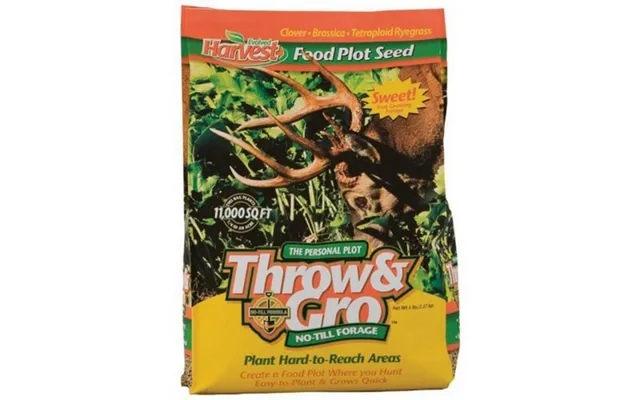
Evolved Throw & Gro No-till Forage is listed as a 5-pound product priced at $23.00. The reference data provides the product name and package size but does not include a seed mixture breakdown, planting schedule, coverage area, or performance claims.
Because no-till forage products can be used in specialized planting projects, check the product label for the information needed before planning. Factors such as planting conditions, soil preparation, timing, and coverage can influence whether a product fits your project. The comparison listing gives you a starting point, not a complete planting plan.
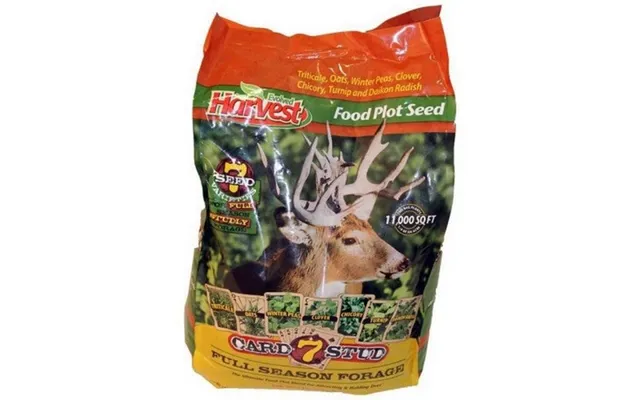
Evolved 7 Card Stud Food Plot Seed is listed in a 10-pound package at $27.12. Like the Evolved forage listing, the reference data does not specify the seed varieties, expected coverage, planting instructions, or seasonal recommendations.
If you are comparing food plot seed, the most useful next step is to review the product label for the seed blend and planting guidance. A food plot is more than a bag of seed; it is a plan involving location, soil conditions, timing, and ongoing care. Choosing a product without checking those details is like buying a map without knowing the destination.
The Coning CN25 listing describes 1 cube containing 6,400 rock mineral wool starter plugs with a thickness of about 1 inch. The listing identifies the product as a vegetable-growing and water-saving hydroponic option and shows a price of $46.05.
Starter plugs can be useful when you want a consistent space for beginning plants before moving them into a larger growing system. Rock mineral wool is commonly associated with controlled growing setups, but the reference listing does not provide detailed instructions for preparing, watering, or transplanting these plugs.
A large quantity of plugs may be more suitable for organized propagation or a higher-volume growing project than for someone starting only a few plants. Before choosing this listing, consider how many plants you plan to start and whether your setup is designed for hydroponic growing.
The listing describes the plugs as water-saving, but it does not provide a measured water-use comparison. Treat that wording as part of the product description rather than a guaranteed result. Your growing method and care routine will still matter.
The listed prices range from $8.30 for Starwest Botanicals Diatomaceous Earth to $46.05 for the Coning CN25 starter plug listing. Other examples include Galapagos at $14.89 for 8 quarts and $41.06 for 24 quarts, Lumino at $22.95 for 1.5 pounds, Coopscoop at $10.99 for 20 ounces, Whitetail Institute at $30.16 for 4.25 pounds, Evolved Throw & Gro at $23.00 for 5 pounds, and Evolved 7 Card Stud at $27.12 for 10 pounds.
Price alone does not tell the whole story. Compare the amount, intended use, ingredients or materials listed, and the scale of your project. A low-priced small package may cost more per unit than a larger package, while a large package may leave you with more material than you can use.
Start by removing products that do not match your growing method. For a tropical terrarium, focus on the Galapagos substrate. For a powder with listed household and garden uses, compare the diatomaceous earth products. For propagation, examine the rock mineral wool plugs. For food plots or forage, compare the Evolved products.
Then compare sizes and prices among the remaining options. This two-step approach keeps the process simple: first match the product type, then compare value. Why pay attention to a product that cannot serve your project?
Several listings contain safety-related information. The Starwest Botanicals description warns users not to inhale the contents and to keep the product out of reach of children. The Lumino listing includes a California Proposition 65 warning and advises consulting a physician before using the product.
Always read the complete label before use, especially for products that may be applied in gardens, handled as powders, or used in personal-care contexts. Do not assume that “food grade” means a product is suitable for every purpose or that it eliminates the need for careful handling.
The product descriptions also contain seller-generated disclaimers and general warnings. These details may not answer every question about application, storage, or compatibility with your plants. When the available listing information is limited, check the manufacturer’s directions before proceeding.
ZoneOffer brings different product listings into one comparison experience. You can review product names, brands, package sizes, listed prices, and descriptions without treating the site as the retailer. The actual seller shown in the data varies, including Peta2z, Herbsdaily, and Alibaba.
This distinction matters. ZoneOffer does not manufacture, stock, or sell these products. Instead, it helps you compare available listing information so you can decide which options deserve a closer look. Before buying, confirm the current details on the relevant seller or product page.
The best sands and soils product depends on the job in front of you. Galapagos offers a listed tropical blend for terrariums and tropical houseplants, diatomaceous earth appears in several package sizes and brands, Whitetail Institute provides a soil amendment option, Evolved lists forage and food plot products, and Coning offers a large quantity of rock mineral wool starter plugs. Compare purpose, size, instructions, warnings, and listed price carefully, then choose the product that fits your growing project rather than simply choosing the cheapest package.