

Herbicides price list
Last updated Wednesday, Oct 14, 2026




View 14 Offers
Loading...
Last updated Wednesday, Oct 14, 2026
Keeping weeds and unwanted garden visitors under control can feel like an endless tug-of-war. One week, your lawn looks tidy; the next, weeds, aquatic growth, moles, deer, or rabbits have moved in. The products in this comparison give you several ways to approach those problems, from aquatic herbicides and plant growth control products to animal repellents and granular treatments.
ZoneOffer is a comparison site that helps you review listed products, brands, sizes, and prices in one place. It is not a store, and the figures below reflect the reference listings rather than a promise of current availability or a special promotion. As you compare, think of your garden like a puzzle: the right solution depends on whether the problem is a weed, unwanted aquatic growth, or an animal feeding on your plants.
The reference data includes products described as herbicides, aquatic herbicides, plant growth control products, and animal repellents. These categories are related, but they are not interchangeable. A herbicide is intended for weed or plant management, while a repellent is designed to discourage animals from entering or feeding in a particular area.
This distinction matters because applying the wrong type of product can waste money and may not address the problem you see. If weeds are spreading through a lawn, look at herbicide listings. If deer or rabbits are eating plants, review repellent options instead. For moles and gophers, the data includes products specifically named for those pests.
Product sizes range from small containers measured in ounces to larger one-gallon options. A 4-ounce container and a 1-pint container are not the same purchase, even when they share a product name. Before choosing, compare the listed size with the area or situation you need to manage, then read the product label for directions and permitted uses.
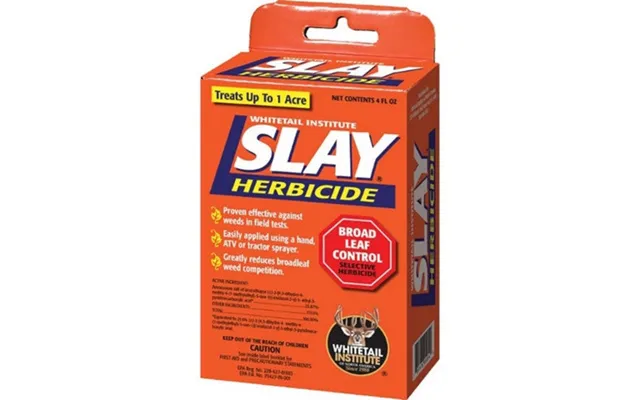
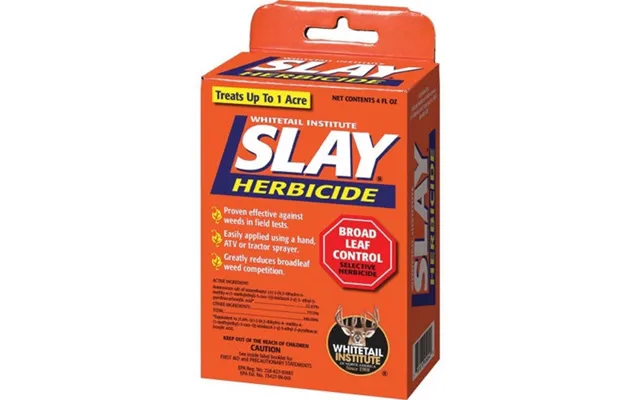
Some listings also appear in more than one size. Whitetail Institute Slay Herbicide is listed in a 4-ounce size for $66.78 and a 1-pint size for $193.89. Comparing size and price together gives you a clearer picture than looking at the price alone.
Aquatic weed management requires extra care because the treatment area may include ponds, lakes, drainage features, or other bodies of water. The reference data includes several products specifically identified as aquatic herbicides or aquatic plant growth control products.
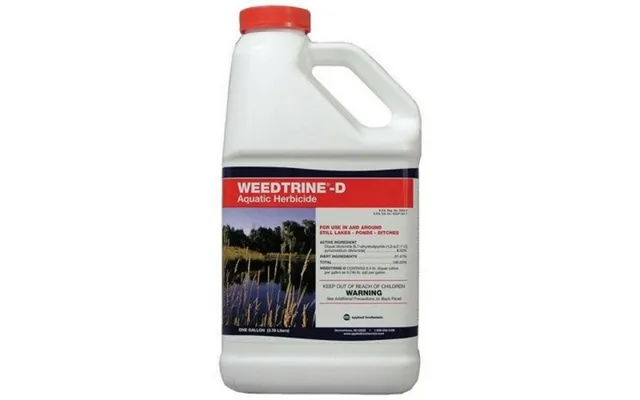
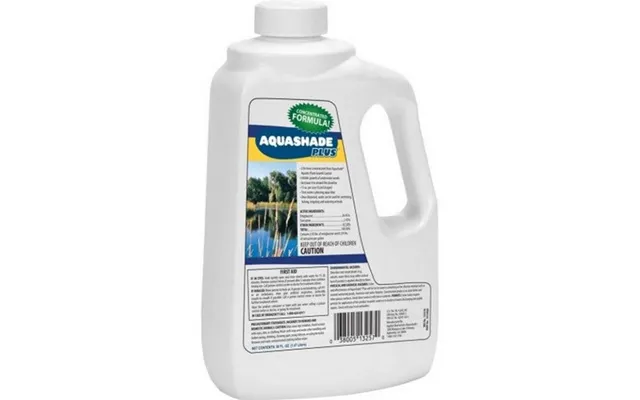
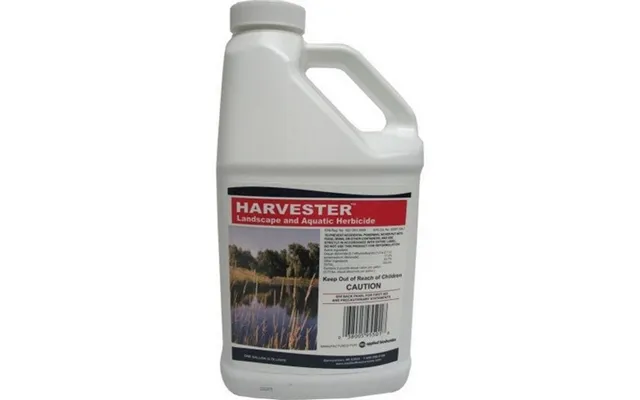
Applied Biochemists Harvester Landscape & Aquatic Herbicide is listed in a 1-gallon size at $254.71. Applied Biochemists Aquashade Plus Plant Growth Control is listed at $102.95 for 50 ounces. The same brand also appears with Weedtrine-D Aquatic Herbicide, listed in a 1-gallon size at $115.75.
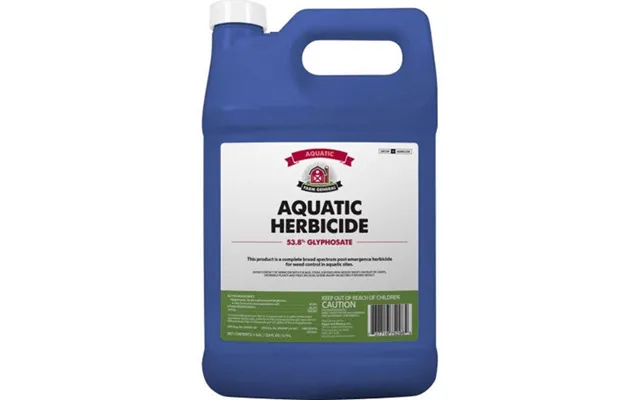
Farm General Aquatic Herbicide Weed Killer 53 is another 1-gallon option, listed at $63.20. These products differ in brand, name, size, and price, but the reference data does not provide application rates, active ingredients, treatment areas, or performance ratings. For those details, consult the product label and any applicable local requirements.
Start by identifying the setting. Is the issue unwanted plant growth in water, vegetation near a landscape feature, or a broader garden problem? The word “aquatic” in a product name can help narrow the list, but it does not replace label instructions.
Next, compare container size and price. The two 1-gallon Applied Biochemists listings have different prices: Harvester Landscape & Aquatic Herbicide is listed at $254.71, while Weedtrine-D Aquatic Herbicide is listed at $115.75. Farm General’s 1-gallon listing is $63.20. These are comparison points, not guarantees of value, because the data does not include coverage rates or usage instructions.
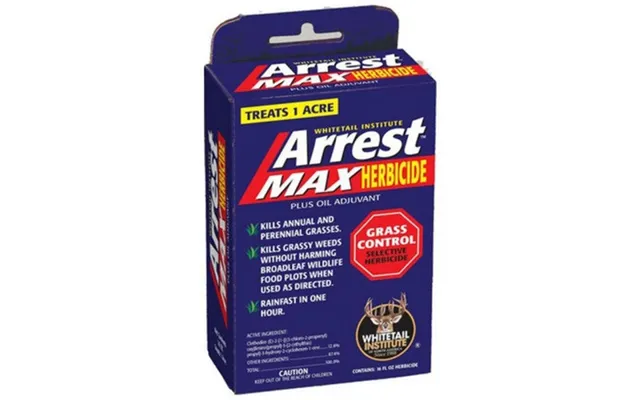
Whitetail Institute appears several times in the listings. Its Slay Herbicide is available in two listed sizes: 4 ounces at $66.78 and 1 pint at $193.89. Its Arrest Max Herbicide is listed in a 1-pint size at $75.67.
When a product is listed in multiple sizes, a larger container may look more expensive but could suit a broader treatment plan. However, you should not assume how much area either size covers. Use the manufacturer’s label to understand dilution, application method, target weeds, and restrictions.
A smaller container can make sense when you are treating a limited area or testing whether a product fits your needs. A larger container may be worth comparing when you expect repeated or wider use. The best choice depends on label directions, the size of your treatment area, and whether the product is approved for that specific location.
Price comparison is still useful. The 4-ounce Slay listing is $66.78, while the 1-pint listing is $193.89. The larger package costs more overall, but the data does not provide enough information to calculate the actual cost per treated area. That is why label-based coverage information is essential.
Not every garden problem calls for a herbicide. Deer and rabbits can damage flowers, vegetables, shrubs, and other plants, so a repellent may be the more relevant category. The listings include granular, ready-to-use, and smaller repellent formats.
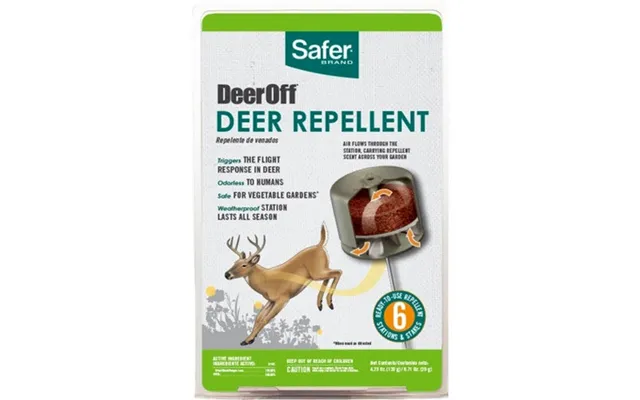
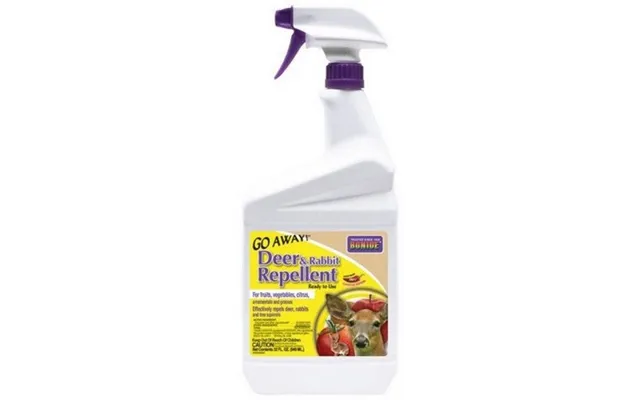
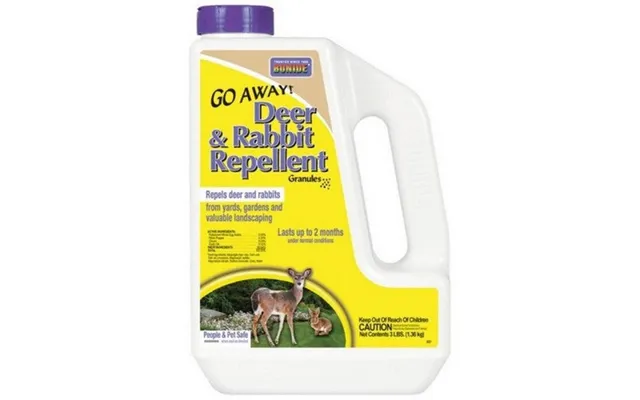
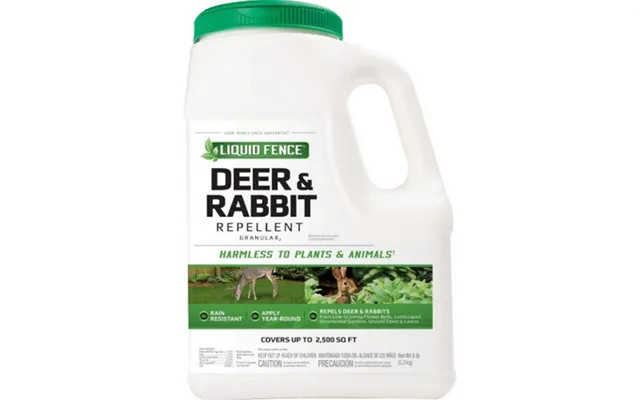
Liquid Fence Deer & Rabbit Repellent Granular is listed in a 5-pound size at $40.49. Bonide Go Away Deer & Rabbit Repellent Granules is listed in a 3-pound size at $22.88. Bonide Go Away Deer & Rabbit Repellent RTU is listed in a 1-quart size at $16.25. Safer Deer Off Repellent is listed in a 4.23-ounce size at $20.97.
These listings offer different formats and package sizes, but the reference data does not state how long each product lasts, how much area each covers, or which plants are suitable for treatment. Use the product label as your guide rather than relying on the name alone.
Granular products are spread across an area, while an RTU product is identified as ready to use. That basic difference can influence how you plan a garden treatment. Granules may suit an area-based approach, while a ready-to-use format may be convenient for targeted application.
Still, convenience should not be the only deciding factor. Check the label for application instructions, precautions, suitable surfaces, and reapplication guidance. A simple plan is often best: identify the affected plants, clear away distractions such as food sources where appropriate, and apply only as directed.
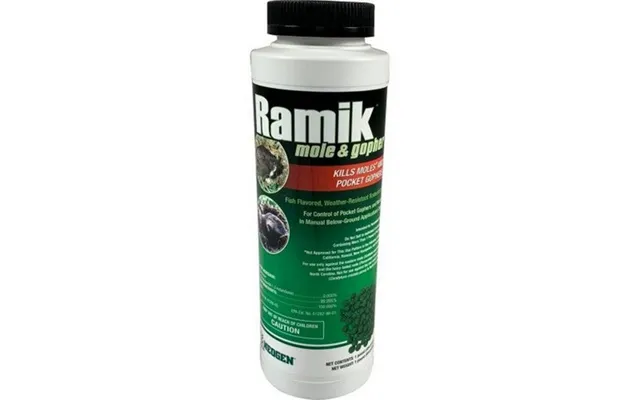
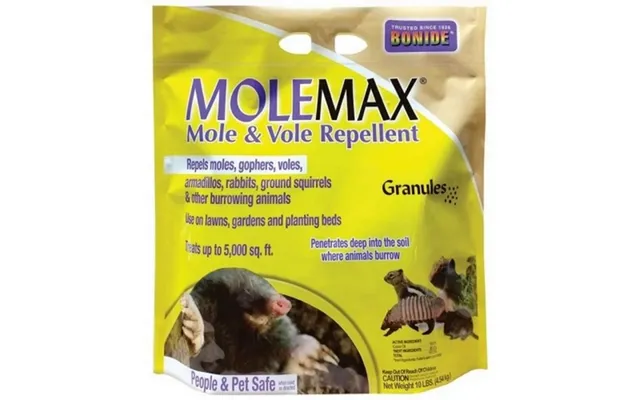
The reference data also includes products aimed at burrowing animals. Ramik Mole And Gopher Killer is listed in a 1-pound size at $21.17. Bonide Molemax Mole & Vole Repellent Granules is listed in a 10-pound size at $22.91.
These products are not general weed killers. Their names indicate a focus on moles, gophers, or voles, so they belong in a different part of your garden-control plan. Before using any pest product, identify the animal correctly. A mound, tunnel, or damaged plant does not always reveal the species by itself.
Why spend money treating the wrong pest? Walk around the affected area and look for patterns. Check whether the damage appears above ground, below ground, around plant roots, or near burrow entrances. You can then compare the product category with the problem you have actually observed.
Always follow the product label, especially for products intended to control animals. Keep children and pets away from treated areas whenever the label requires it, store products securely, and avoid using a product outside its stated purpose.
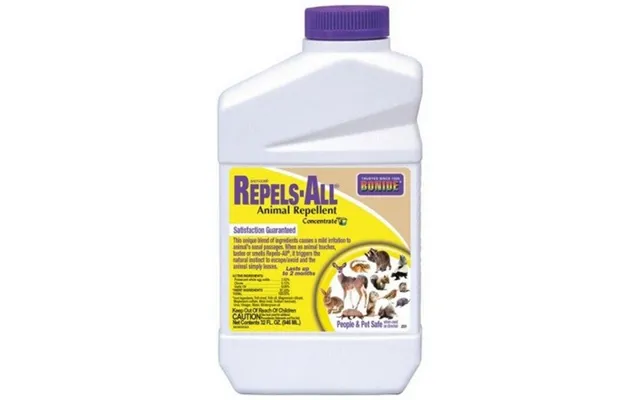
Repels-All Animal Repellent Concentrate is listed in a 32-ounce size at $24.36. Unlike listings that name deer, rabbits, moles, or gophers specifically, this product has a broader animal-repellent name. That may make it interesting for shoppers dealing with more than one type of unwanted animal, but the reference data does not identify its target species or application instructions.
Because “animal repellent” can cover a wide range of uses, read the label carefully before buying or applying it. Confirm that the animals and locations described on the label match your situation. A broad product name is a starting point, not proof that it is suitable for every garden visitor.
Garden protection works best when you treat the cause rather than simply reacting to every sign of damage. Remove fallen fruit when appropriate, protect vulnerable plants with physical barriers where suitable, and monitor the area regularly. If weeds are the issue, improve your identification first. If animals are feeding, focus on repellent or exclusion options.
Think of the process as using a security system. Herbicides address unwanted plants, while repellents help discourage animal activity. Neither category automatically solves every garden problem, and combining products without checking labels can create unnecessary risks.
The listed prices span a broad range. Among the products in the data, Safer Deer Off Repellent is listed at $20.97, while Applied Biochemists Harvester Landscape & Aquatic Herbicide is listed at $254.71. Price differences reflect the products, brands, formats, and package sizes shown in the listings, but the data does not explain coverage or concentration.
Other listed prices include $22.88 for Bonide Go Away Deer & Rabbit Repellent Granules, $22.91 for Bonide Molemax Mole & Vole Repellent Granules, $24.36 for Repels-All Animal Repellent Concentrate, and $63.20 for Farm General Aquatic Herbicide Weed Killer 53. These figures can help you create an initial shortlist.
Whitetail Institute Arrest Max Herbicide is listed at $75.67, while Applied Biochemists Aquashade Plus Plant Growth Control is listed at $102.95 and Applied Biochemists Weedtrine-D Aquatic Herbicide at $115.75. The price is only one part of the decision. Match the product category, package size, and label directions to your actual needs.
Comparing price per ounce or pound can be helpful, but it may not tell the whole story. Products can have different formulas, usage rates, and target applications. For example, two one-gallon products may require different amounts per treatment, so their practical cost could differ even before you consider the purchase price.
The reference data lists regular prices as zero for the offers, so it does not establish a previous price or a confirmed discount. Treat the displayed figures as listed prices in the comparison data, not as guaranteed savings or promotional claims.
Read the complete product label before opening the container. Pay attention to permitted uses, protective equipment, application rates, storage instructions, environmental precautions, and any warnings. If the label does not support your intended use, choose another option rather than improvising.
Measure carefully and avoid drift onto plants, lawns, water, or neighboring areas that are not part of the treatment. Keep products in their original containers, and do not mix products unless the label specifically permits it. More product is not automatically more effective; it can simply create more risk.
Use extra caution around children, pets, edible gardens, pollinators, and aquatic environments. Aquatic products deserve particular attention because water can carry substances beyond the exact place where they are applied. Follow label restrictions and check local rules when necessary.
Wear the protective equipment listed on the label, avoid eating or drinking during application, and wash thoroughly afterward. If you are uncertain about a product’s suitability, ask a qualified local professional or consult the manufacturer’s instructions before proceeding.
Begin with the problem, not the brand. For aquatic plant management, compare the listed aquatic products. For weeds in a landscape or food plot, review the herbicide listings and confirm the target use. For deer and rabbits, consider the named repellents. For burrowing pests, examine the mole, gopher, or vole products.
Then compare size and price. A 1-quart Bonide Go Away Deer & Rabbit Repellent RTU listing at $16.25 may appeal to someone seeking a smaller ready-to-use format, while a 5-pound Liquid Fence granular listing at $40.49 presents a different format and size. Neither should be selected without checking the label and the scale of the problem.
Finally, create a shortlist of two or three products and compare their instructions, target uses, package sizes, and listed prices. This method keeps your decision grounded. Instead of chasing the cheapest bottle, you are choosing the tool that best fits the job.
The reference listings cover a wide range of garden and property-management needs, including aquatic herbicides, plant growth control products, weed treatments, and repellents for deer, rabbits, moles, gophers, and voles. Notable options include Applied Biochemists, Whitetail Institute, Bonide, Liquid Fence, Safer, Farm General, Ramik, and Repels-All products. Use ZoneOffer as a comparison resource, review size and listed price carefully, and always rely on the product label for application and safety instructions. With the right category and a measured plan, you can tackle garden problems more intelligently instead of treating every issue as if it were the same weed.