

Fertilizers price list
Last updated Saturday, Oct 17, 2026





View 19 Offers
Loading...
Last updated Saturday, Oct 17, 2026
Choosing the right fertilizer can feel like giving your garden a tailored meal plan. Some plants need a gentle boost, while others benefit from a more targeted blend for roots, foliage, flowers, or fruit. The fertilizer listings in this comparison guide include seaweed, fish, fish-and-seaweed, kelp meal, and crab shell options, along with nutrient kits and bone meal products.
ZoneOffer is a comparison site, so it does not sell these products directly. Instead, it helps you review listed products, sizes, brands, stores, and prices in one place. Prices and availability can change, so use the details below as a helpful starting point when comparing fertilizer options for your home garden.
Before you buy, ask a simple question: what does your garden actually need? A new seedling, a leafy vegetable, a flowering plant, and an established shrub may not all benefit from the same product. Soil condition, plant type, growing stage, and application instructions should guide your decision.
Organic fertilizers often come from natural materials such as fish, seaweed, kelp, or shell products. Synthetic fertilizers are another category, but the reference listings focus mainly on organic-style marine and animal-based products. A good choice should match your garden’s purpose rather than simply having the largest package or the lowest price.
Fertilizers may be sold as liquids, meals, blends, or kits. Liquid products can be convenient for mixing and applying, while meals and granular materials are often handled differently. Always read the product label for dilution, timing, and application directions instead of guessing.
Package size matters, too. A small container may suit a balcony garden or a few planters, while a larger bag, jug, or pail may make more sense for beds and larger outdoor spaces. The listings include sizes from 16 ounces to 5 gallons, giving gardeners several quantities to compare.
Neptune’s Harvest Fertilizers appears several times in the comparison data, with options based on seaweed, fish, kelp meal, and crab shell. These products may appeal to gardeners looking for marine-based plant food and different package sizes.
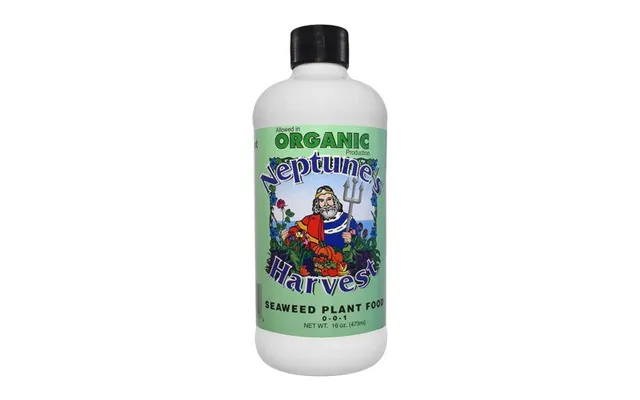
The Neptune’s Harvest Seaweed Fertilizer is listed in a 16-ounce size for $15.46 through Herbsdaily. Seaweed fertilizer can be considered when you want a marine-based product for a general garden feeding program. Follow the label carefully because product strength and application methods vary.
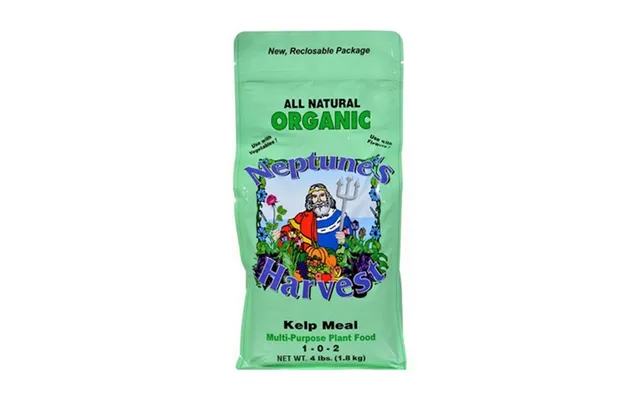
The Neptune’s Harvest Organic Kelp Meal Multi-purpose Plant Food is listed as a 1-count product for $27.96 through HerbsDaily. Its description identifies Ascophyllum nodosum as the source and recommends using it as an addition to a regular Neptune’s Harvest fish fertilizer program.
The listing also advises using the liquid seaweed plant food on plants in alternate feedings. It says to shake well, prepare only one application at a time, and avoid storing diluted fertilizer. Those details are important because mixing more than you need can create storage and consistency problems.
Seaweed-based plant food can be useful for gardeners who prefer a marine ingredient and want an addition to an existing feeding routine. Think of it as one tool in a toolbox, not a universal answer for every soil issue.
If your plants are struggling, look beyond fertilizer alone. Watering habits, light, drainage, pests, temperature, and soil texture can all affect plant performance. Fertilizer cannot replace the basics, just as a topping cannot fix a poorly baked cake.
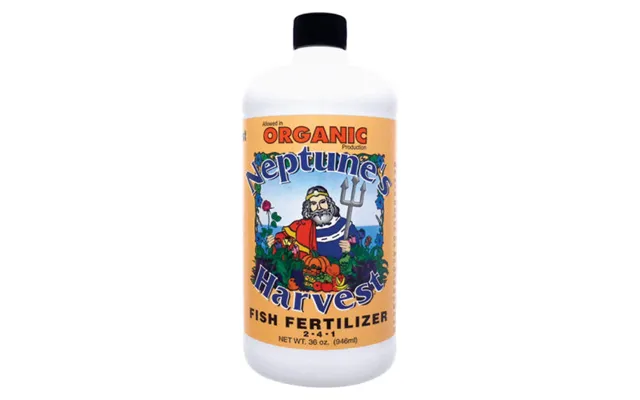
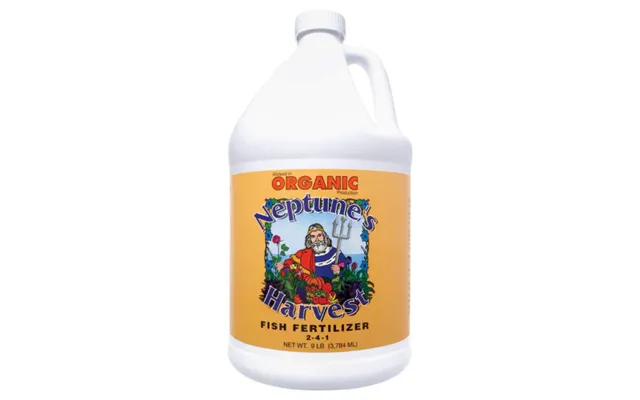
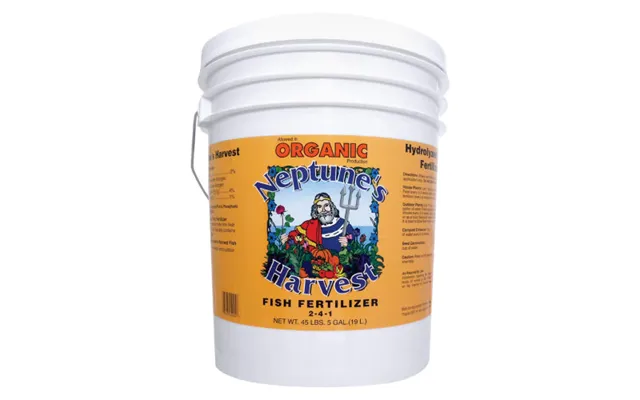
The reference data includes Neptune’s Harvest Fish Fertilizer in three listed sizes: 36 ounces for $19.09, 9 pounds for $47.59, and 5 gallons for $210.58. All three are listed through HerbsDaily.
These size choices make it easier to compare a smaller container with larger quantities. A 36-ounce package may be more practical for limited use, while the 9-pound or 5-gallon options may interest gardeners planning repeated applications across a larger area. The right size depends on your garden’s area and the label’s recommended application rate.
At the listed prices, the 36-ounce option has the lowest total cost at $19.09. The 9-pound listing is priced at $47.59, and the 5-gallon listing is $210.58. However, the lowest upfront price is not automatically the best overall value. Compare the amount you need, storage space, and how often you expect to apply the product.
Because the listings provide package sizes but do not include a complete application-rate comparison, avoid assuming which option has the lowest cost per use. Check the product label before making a final decision.
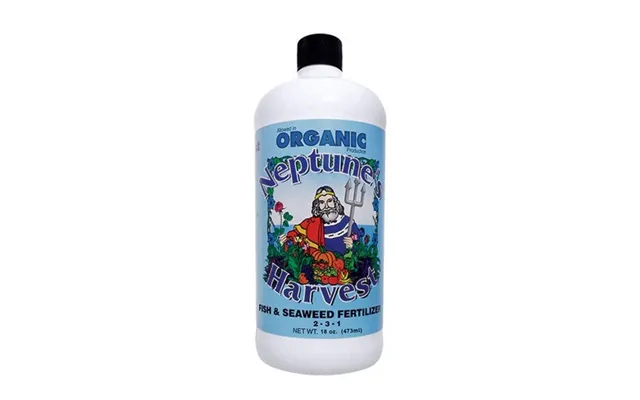
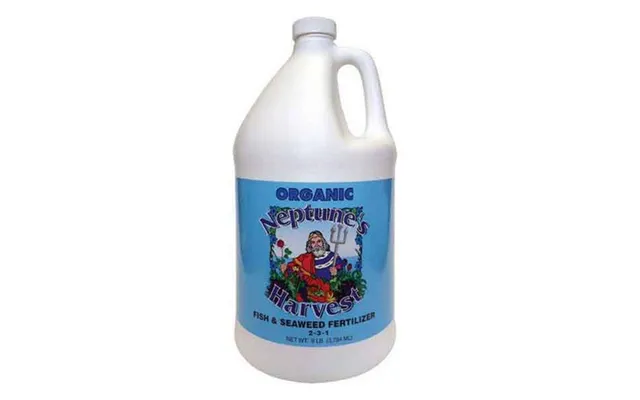
For gardeners who want two marine-based ingredients in one product, Neptune’s Harvest Fish & Seaweed Blend Fertilizer is listed in both 18 ounces and 9 pounds. The 18-ounce option is listed at $14.99, while the 9-pound option is listed at $59.24. Both are available for comparison through HerbsDaily.
A blend can be appealing if you prefer to keep your feeding routine simple. Instead of comparing separate fish and seaweed products, you can evaluate one combined listing. Still, simplicity should not replace label reading. Check directions, intended uses, dilution instructions, and any precautions before applying the product.
The 18-ounce size may suit a smaller garden, a few containers, or someone trying the product for the first time. The 9-pound size has a higher listed price but may be worth considering for gardeners who expect to use more fertilizer over time.
Storage is part of the decision. Larger containers can be convenient, but only if you have a suitable, secure place to keep them. Keep all garden products away from children and pets, and follow the label’s storage instructions.
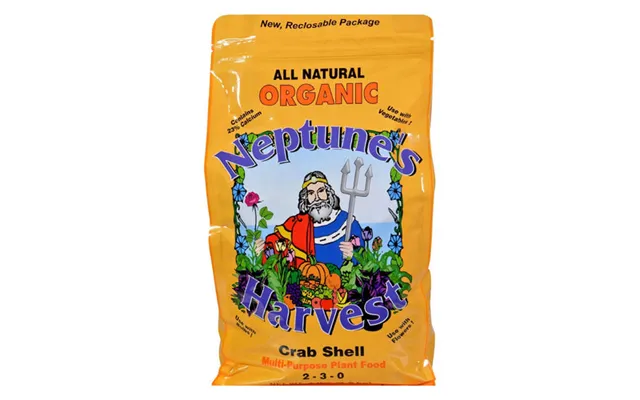
Neptune’s Harvest Crab Shell Multi-purpose Plant Food is listed in a 4-pound size for $20.59 through HerbsDaily. This gives gardeners another marine-based option to compare with fish, seaweed, kelp, and blended products.
Crab shell products may be of interest if you want to explore shell-based plant food rather than a liquid fish product. Since the reference data does not provide a full nutrient analysis or detailed application directions for this listing, use the package label as the primary guide.
When comparing meals and liquids, remember that they may be applied differently. A meal may require an approach suited to soil incorporation, while a liquid may be diluted before use. Do not substitute one product’s directions for another product’s instructions.
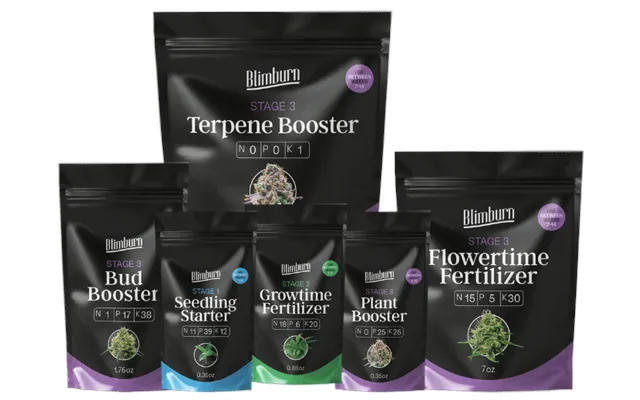
The Nutrients 6 Pack from Blimburn Seeds is listed at $120. The description says the kit includes six different products, each intended to serve a unique purpose and support plants at different growth stages. The listing specifically refers to cannabis plants.
A multi-product kit may appeal to growers who want a stage-based feeding system rather than a single fertilizer. It can also require more organization. Keep track of which product is intended for which stage, and never combine products unless the label or manufacturer instructions clearly allow it.
A kit is a little like a recipe collection: having more ingredients does not guarantee a better result. You need to know when to use each product, how much to apply, and whether the products are meant to be used together or separately.
The reference data does not provide detailed directions, nutrient ratios, or individual product names for the six-pack. For that reason, compare the kit based on its stated contents and price, then review the complete product information before using it.
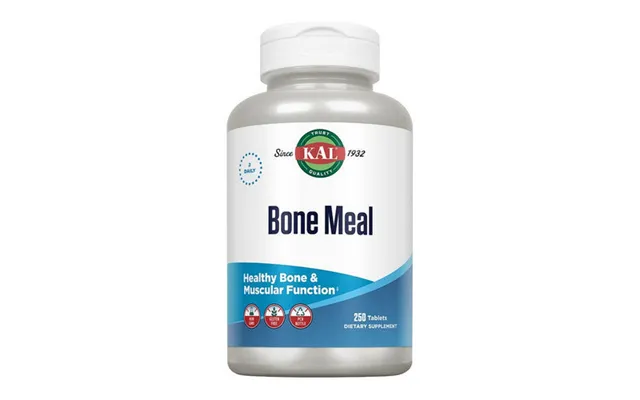
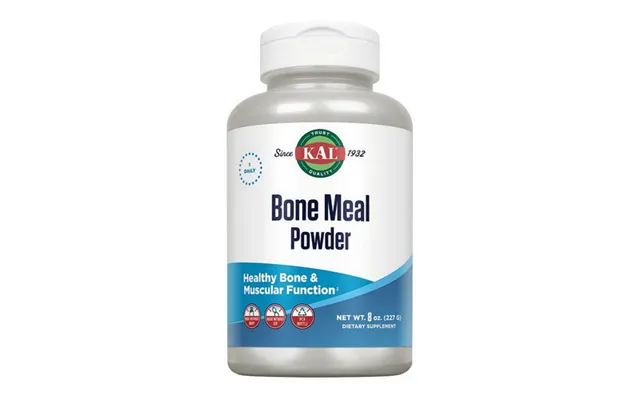
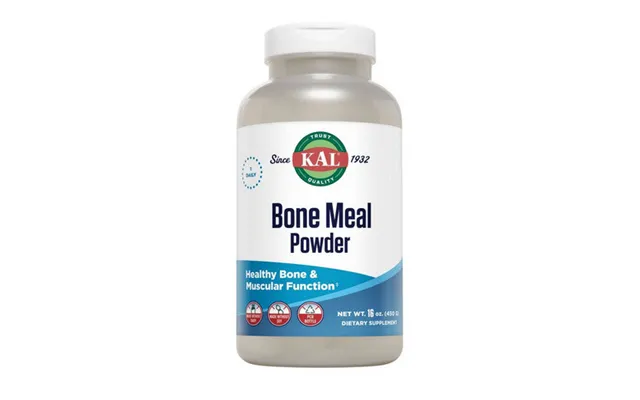
The reference data includes several Kal Bone Meal listings, but their descriptions identify them as dietary supplements for human use rather than garden fertilizers. These products include Kal Bone Meal Powder in an 8-ounce package for $14.79, Kal Bone Meal in 250 tablets for $26.39, and Kal Bone Meal in an unflavored 16-ounce package for $22.99.
Because these listings are described as edible dietary supplements, they should not automatically be treated as gardening products. The presence of the words “bone meal” does not mean every item is suitable for soil or plants. Gardeners should use only products clearly labeled for horticultural use.
Similar names can hide very different intended uses. A garden amendment, an animal supplement, and a human dietary supplement may all contain familiar words but have different manufacturing standards, directions, and safety requirements.
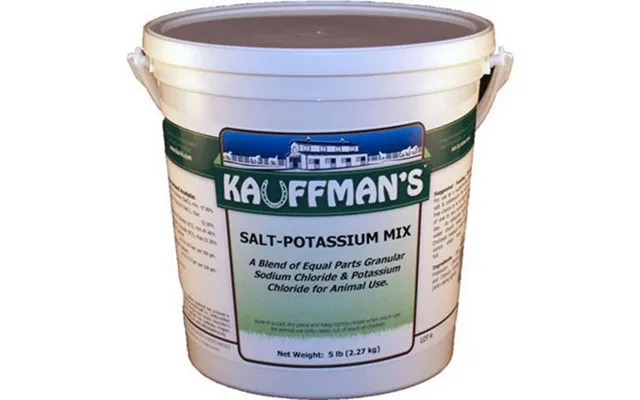
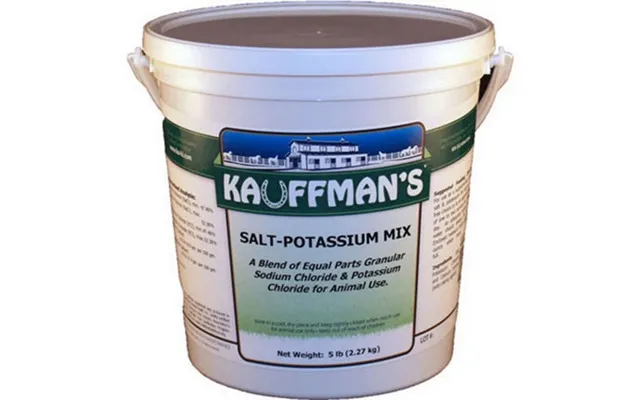
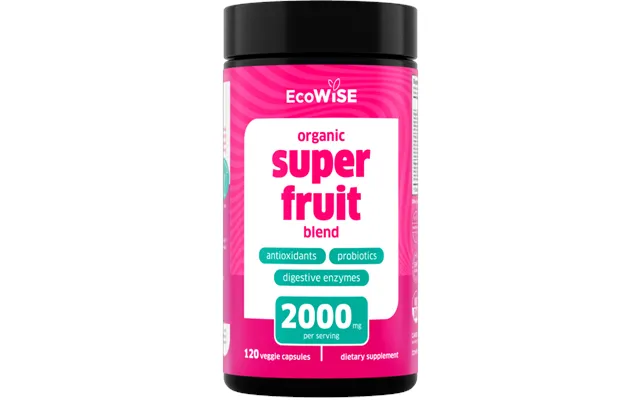
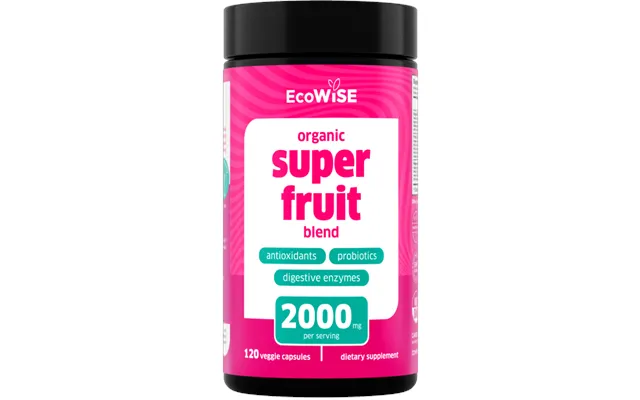
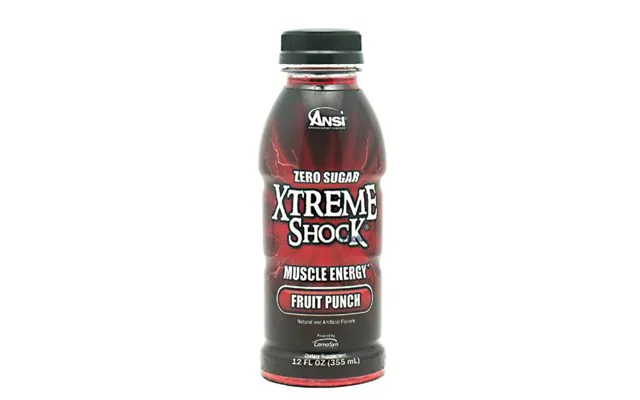
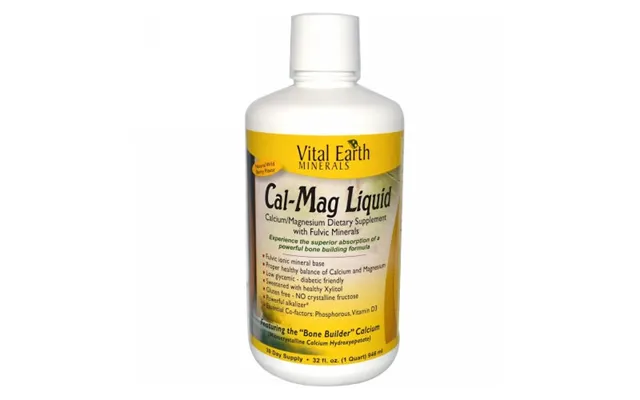
The same caution applies to other items in the data, including Vital Earth Minerals Cal-mag Liquid, Kauffman’s Salt-potassium Mix, EcoWise Organic Super Fruit Blend products, and Advanced Nutrient Science Intl Extreme Shock. Their descriptions identify uses unrelated to ordinary garden fertilizer, so they should not be selected for plant feeding without clear horticultural labeling.
The listed fertilizer prices range from $14.99 for the 18-ounce Neptune’s Harvest Fish & Seaweed Blend Fertilizer to $210.58 for the 5-gallon Neptune’s Harvest Fish Fertilizer. Other listed options include the 16-ounce Seaweed Fertilizer at $15.46, the 36-ounce Fish Fertilizer at $19.09, and the 4-pound Crab Shell Plant Food at $20.59.
Price alone only tells part of the story. Compare the package size, product type, intended application, and the amount of garden you need to cover. A small bottle may cost less at checkout but run out sooner. A large container may offer more material but require more storage space.
When you compare fertilizer deals, consider three questions: How much product do I need? How often will I use it? Can I store it safely? These questions help you avoid buying too little, too much, or the wrong type altogether.
Also remember that the reference listings state that prices and availability may change without notice. Treat the listed amounts as comparison information rather than a permanent price guarantee.
Start with the product label. It should tell you whether the fertilizer is ready to use, needs dilution, or should be mixed into soil. If directions are unclear, do not improvise with concentration or frequency.
Apply fertilizer to the plants and growing areas for which it is intended. Avoid placing unknown products on edible crops or ornamental plants unless the label clearly supports that use. More fertilizer is not always better; excessive feeding can waste money and may stress plants.
A basic routine can make garden care easier. Record the product name, date, area treated, and amount used. This small habit turns guesswork into a clearer plan and helps you notice how your plants respond over time.
Watering should also match the product instructions. Some fertilizers are applied to moist soil, while others may be mixed with water. Use clean measuring tools, avoid splashing, and wash your hands after handling garden products.
For a small garden, compare the Neptune’s Harvest 16-ounce Seaweed Fertilizer, 18-ounce Fish & Seaweed Blend, and 36-ounce Fish Fertilizer. Their listed prices are $15.46, $14.99, and $19.09 respectively through HerbsDaily.
For larger areas, compare the 9-pound Fish Fertilizer at $47.59 with the 9-pound Fish & Seaweed Blend at $59.24. If you need a much larger quantity, the 5-gallon Fish Fertilizer is listed at $210.58.
For gardeners who prefer a solid marine-based product, the 4-pound Crab Shell Multi-purpose Plant Food is listed at $20.59, while the Organic Kelp Meal Multi-purpose Plant Food is listed at $27.96. These products differ in form and description, so the better choice depends on your preferred feeding method and garden needs.
The fertilizer listings in this comparison include several Neptune’s Harvest options, from seaweed and fish fertilizers to fish-and-seaweed blends, kelp meal, and crab shell plant food. Comparing product type, package size, label directions, and listed price can help you make a more confident choice. Just as importantly, separate clearly labeled garden fertilizers from products described as dietary supplements or unrelated nutrient products. ZoneOffer helps you compare the available information, while the final selection should always follow the product label and your garden’s specific needs.