


Emergency Preparedness - Other price list
Last updated Monday, Nov 2, 2026





View 9 Offers



Loading...
Last updated Monday, Nov 2, 2026
Emergency preparedness is about more than filling a closet with random supplies. It is about building a practical plan for water, shelter, storage, protection, and peace of mind. When unexpected events disrupt normal routines, the right tools can act like a bridge between uncertainty and stability.
The products in this comparison include portable water containers, prefabricated housing options, purchase protection, carbon-neutral offsets, and even a preparedness-themed game. Each serves a different purpose, so the best choice depends on your situation. Are you preparing for a short disruption, planning a larger shelter solution, or simply exploring the idea of readiness?
Emergencies can make everyday conveniences unavailable or difficult to access. Water, safe storage, shelter, and dependable planning suddenly become priorities. Preparing ahead gives you more options and helps you make decisions with a clear head rather than under pressure.
A useful emergency plan resembles a layered safety net. One layer may involve water storage, another may provide a place to organize supplies, and another may support a longer-term shelter strategy. You do not need to solve every possible problem at once. Instead, focus on practical steps that match your household, property, and budget.
Begin with the basics: drinking water, a secure place for essential items, and a way to protect important purchases. A compact water container may be more useful for immediate portability, while a larger structure may be relevant to people considering expanded living or storage space.
It also helps to separate short-term preparedness from long-term planning. A portable container belongs in a quick-access category. A prefabricated house belongs in a much larger planning conversation involving space, assembly, intended use, and local requirements.
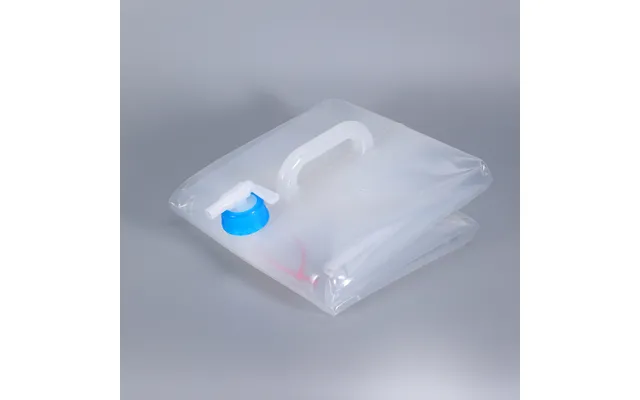
The Umetass outdoor foldable plastic bag is listed as a portable water container and survival water barrel. Its foldable design suggests a focus on convenient storage when the container is not in use. That can be valuable when space is limited and you want emergency equipment that does not occupy a permanent, bulky footprint.
Listed at $1.38 through Alibaba, this item is one of the lower-priced products in the comparison. Its relatively accessible listed price may make it appealing for shoppers exploring basic water-storage options. However, you should review the product information carefully before making a decision, including intended use, construction details, capacity, and suitability for drinking water.
Foldable storage works a bit like an accordion: it can be compact when stored and expanded when needed. That makes the format interesting for emergency kits, temporary water management, camping-related preparation, or backup storage planning.
Before choosing any water container, consider where you would keep it, how you would transport it, and how you would fill it. A container is only useful if it fits your routine. You may also want to organize it with labels and a simple rotation plan so you know what is available when you need it.
The reference data identifies the Umetass product as a portable water container, but it does not provide detailed specifications about materials, maximum capacity, cleaning instructions, or water-contact certifications. Those details should be confirmed on the listing before purchase.
The comparison includes two prefabricated housing products from Alibaba. One is a “2 Story 40ft Foot Hurricane Proof Light Steel Foldable Houses Expandable Pre Fabricated 4 Bedroom Container House,” listed at $4,999. The other is a “20 Feet Flat Pack Folding Storage Living Welded Fast Assemble Save Space Prefab Container House In Indonesia,” listed at $1,520.
These products represent a very different level of emergency preparation from a portable container. They may interest shoppers considering additional living space, storage, temporary accommodation, or a larger shelter concept. The product titles mention foldable or flat-pack designs, which can be relevant when transport and space efficiency matter.
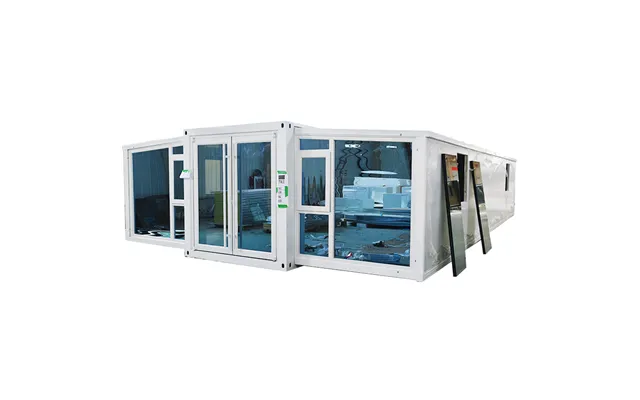
The first listed structure is described as a two-story, 40-foot, light-steel, expandable prefabricated house with four bedrooms. Its title also includes “hurricane proof,” but shoppers should verify exactly what that claim means, which standards apply, and what installation requirements are involved.
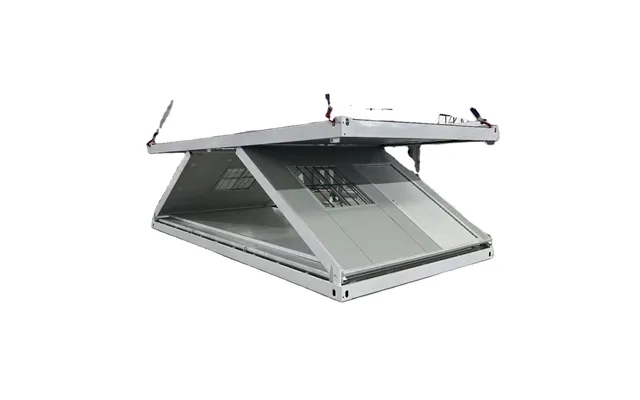
The second listing is described as a 20-foot flat-pack folding storage and living prefab container house. It is presented as a fast-assembly, space-saving option, and its listed price is lower than the first housing product. That difference may make it relevant to buyers looking for a more compact structure, although price alone does not establish which option is more suitable.
Neither listing should be treated as a simple, ready-to-use emergency kit. Large structures require careful planning. You may need to investigate site access, foundations, utilities, local building rules, assembly, transport, insulation, and weather suitability. The reference data does not confirm these details, so they should be checked before committing to a purchase.
Think of a prefabricated structure as a project rather than a single product. The listed item is only one piece of the puzzle. You also need to understand how it reaches your property, where it will sit, and how it will function once installed.
Ask practical questions. Does the available space support the structure? Can delivery equipment access the site? Will the design suit storage, living, or another purpose? What preparation is required before assembly? These questions can prevent an appealing product title from turning into an impractical purchase.
The two listed housing products use different size descriptions: one references 40 feet and the other references 20 feet. Those dimensions can help you begin a layout discussion, but they do not provide every measurement needed for planning. Confirm the full footprint, height, interior arrangement, and expansion details from the relevant listing.
Use also matters. A structure intended for storage may not meet the same expectations as one marketed for living. Likewise, a multi-bedroom design may involve different planning needs than a compact flat-pack unit. Match the product category to your actual goal instead of assuming that every prefab structure serves the same purpose.
The listing for Product Protection - P037 is described as protection beyond the manufacturer’s warranty. It is offered through Buture under the Xcotton brand and is listed at $39.99. The reference description directs shoppers to an external website for more information.
Purchase protection can be worth considering when a product represents a meaningful investment. This may be especially relevant when comparing larger or more complex items, such as prefabricated structures. Still, the listing data does not explain the coverage terms, exclusions, duration, claims process, or eligibility requirements.
Protection plans are not interchangeable. Before selecting one, review what it covers and what it does not. Pay attention to the relationship between the plan and the manufacturer’s warranty, as well as any requirements for filing a claim.
It is also important to distinguish product protection from emergency readiness. A protection plan may relate to a purchase, but it does not replace water storage, shelter planning, communications, or other preparedness steps. Consider it one possible financial layer, not the whole safety strategy.
The reference data includes three carbon-neutral offset listings from Cerqular. They are associated with the Shameless Pets brand and cover 53.96 pounds, 84.45 pounds, and 143.10 pounds of carbon dioxide offset. Their listed prices are $1.48, $2.31, and $3.92, respectively.
These options are not emergency tools in the traditional sense. Instead, they relate to an environmental consideration that some shoppers may want to include when making purchases. Choosing an offset can be part of a broader effort to think about the impact associated with consumption.
Emergency preparation often focuses on immediate resilience, but responsible planning can also include long-term priorities. Carbon offsets may appeal to people who want their shopping decisions to reflect environmental goals alongside practical needs.
The listed products identify offset amounts and prices, but the reference data does not explain the underlying projects, verification methods, retirement process, or terms. Review those details on the relevant listing before deciding whether an offset matches your expectations.
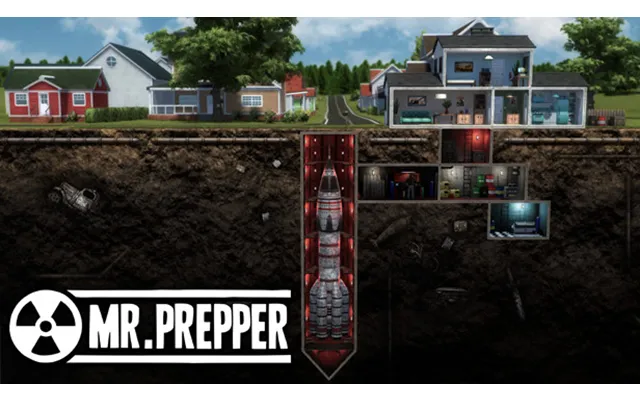
Mr. Prepper is a game listed through Yuplay at $2.08. Its description centers on being prepared while sensing that something is wrong and facing the risk of nuclear war. Unlike the physical products in the comparison, it offers a fictional or interactive way to engage with preparedness themes.
A game cannot replace real emergency supplies or a household plan. However, it can make preparedness concepts more approachable. Sometimes a story gives people a low-pressure way to think about risks, priorities, resource management, and decision-making.
Preparedness discussions can feel intimidating, especially when the subject involves serious risks. A game may provide an easier opening for talking about what a household would do in an uncertain situation. You can use that conversation to identify practical next steps, such as organizing supplies or reviewing where essential items are stored.
Keep the distinction clear: entertainment is not a substitute for real-world preparation. Treat Mr. Prepper as a themed experience rather than a source of verified emergency guidance.
A strong checklist should be simple enough to use when you are tired, stressed, or short on time. Start by listing your household’s needs and then group them into categories such as water, shelter, storage, information, and financial protection.
The products in this comparison can fit into different categories. The Umetass item relates to portable water storage. The Alibaba listings relate to larger prefabricated structures. Product Protection - P037 relates to purchase protection. The carbon-neutral options relate to environmental choices, while Mr. Prepper relates to preparedness-themed entertainment.
No single product can solve every emergency challenge. A useful plan leaves room for changing conditions, different household needs, and unexpected limitations. You might begin with a compact water container, then develop a more detailed shelter plan later.
Review your checklist periodically. Confirm that supplies remain accessible, that everyone knows the basic plan, and that larger projects still make sense for your property and budget. Preparation is less like flipping a switch and more like adding bricks to a strong wall.
Price is an obvious comparison point, but it should not be the only one. The listed prices range from $1.38 for the Umetass water container to $4,999 for the two-story prefabricated house. The different price levels reflect different product categories and intended scales, so direct price comparisons can be misleading.
Instead, compare purpose, practicality, details, and risk. A low-priced product may still be unsuitable if it does not match your intended use. A larger purchase may deserve more research because installation, transport, and site requirements could be significant.
ZoneOffer is a comparison site that helps you review listed products and prices; it is not a store. Use the information as a starting point, then examine the relevant seller listing for specifications, terms, and current details before purchasing.
The reference data identifies stores such as Alibaba, Cerqular, Buture, and Yuplay for the listed offers. It does not provide complete information about availability, shipping, installation, or other conditions. Those details should be confirmed directly through the applicable listing.
Emergency preparedness works best when it is realistic, organized, and matched to your circumstances. The products in this comparison range from a compact foldable water container and large prefabricated housing options to purchase protection, carbon-neutral offsets, and a preparedness-themed game. Start with your most immediate needs, investigate every important detail, and build your plan one useful layer at a time.