

Rain Gauges price list
Last updated Wednesday, Oct 14, 2026
| Rain Gauges | Price |
|---|---|
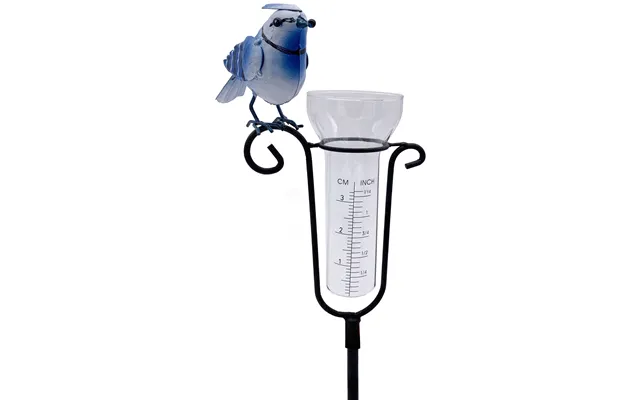
| Esschert Design Blue Jay Rain Gauge With Stake | $49.95 |
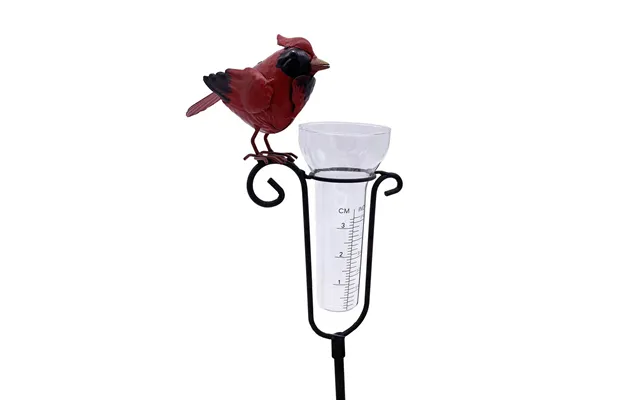
| Esschert Design Cardinal Rain Gauge With Stake | $49.95 |




Loading...
Last updated Wednesday, Oct 14, 2026
| Rain Gauges | Price |
|---|---|
| Esschert Design Blue Jay Rain Gauge With Stake | $49.95 |
| Esschert Design Cardinal Rain Gauge With Stake | $49.95 |
A rain gauge gives you a simple way to observe rainfall in your own outdoor space. Instead of relying only on a broad weather report, you can look at the water collected right in your garden. That local view can make your outdoor routine feel more informed and personal.
Rain gauges can also add visual interest to a flower bed, lawn, patio border, or vegetable garden. A well-designed model works like a small garden ornament while still serving a practical purpose. It is a little like having a weather journal that sits outside and records each storm for you.
The three products in this selection combine a measuring vessel with a decorative bird design on a stake. The result is a garden accessory that can blend into a natural setting rather than looking like a purely technical instrument.
The reference selection includes three rain gauges from Esschert Design. Each one features a different bird: a blue jay, a cardinal, or a finch. All three are listed with a stake and are described as suitable for a garden.
Each featured model is listed at $49.95 through GreaterGood.com. ZoneOffer is a comparison site, so it helps you review the available product information rather than operating as the store selling the item. Before making a purchase, compare the current listing details shown through the relevant offer.
The Esschert Design Blue Jay Rain Gauge With Stake features a blue jay perched on the rain gauge. Its design is intended to bring a bird-inspired accent to the garden while providing a place for rain to collect.
At $49.95 in the supplied listing, this model may appeal to anyone who enjoys blue jay imagery or wants a decorative piece with a more distinctive personality. The stake makes it suitable for placing in a garden setting where the bird detail can be seen clearly.
The Esschert Design Cardinal Rain Gauge With Stake uses a cardinal as its decorative centerpiece. Like the other models in this selection, the cardinal is positioned on the rain gauge and the product includes a stake.
Listed at $49.95 through Greatergood.Com, the cardinal version is a natural option for shoppers who prefer that bird design. Its appearance can make a practical garden tool feel more like part of the landscape.
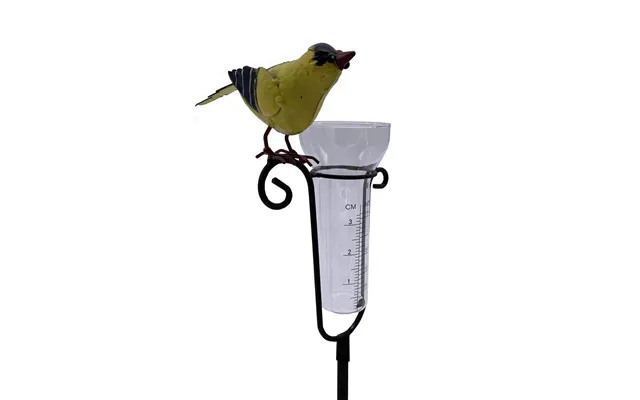
The Esschert Design Finch Rain Gauge With Stake features a finch perched on the gauge. It is described as a garden-friendly design and includes a stake for outdoor placement.
This model is also listed at $49.95. If you prefer a smaller bird motif or simply like the look of a finch in your garden, it offers the same general decorative concept as the blue jay and cardinal versions.
Because the supplied offers list the same brand, the same listed price, the same store, and the same basic format, the main visible difference is the bird design. That makes the choice less about comparing a long list of technical features and more about deciding which appearance suits your outdoor space.
Ask yourself what you want the rain gauge to do visually. Would a blue jay complement the colors around your patio? Does a cardinal match the character of your flower bed? Or would a finch create the gentlest accent among herbs, shrubs, or climbing plants?
Think of the bird as the personality of the gauge. The measuring function is useful, but the decorative figure is what you will notice every time you walk past it. Choosing the right design can help the product feel intentional rather than simply placed in the yard.
Placement matters if you want to observe rainfall consistently. A rain gauge should be positioned where it can collect rain openly, rather than being tucked beneath a roof edge, dense tree canopy, or large garden decoration.
Open placement also helps the bird design remain visible. A spot near a path, planting bed, or lawn border can provide a pleasant view without making the gauge seem disconnected from the rest of the garden.
Before pushing the stake into the ground, look around after a typical rainfall. Notice where water runs, where plants create overhead cover, and where splashes might reach the gauge from nearby surfaces. A thoughtful location can make your observations more useful and help the ornament look balanced.
A rain gauge is far less useful when it disappears behind tall plants. Choose a place where you can read the collected water without stepping into a muddy bed or moving leaves out of the way.
Visibility is especially important for a decorative model. If the blue jay, cardinal, or finch is hidden, you lose much of the visual appeal that makes these products different from a plain measuring container.
Branches, fences, walls, and overhanging roofs can affect how rain reaches a gauge. A clear location generally makes it easier to observe the water collected from a storm without nearby objects interfering with the result.
You should also consider how sprinklers or hoses may affect the gauge. If your chosen position receives routine watering, you may want to move it or adjust your watering habits when you want to observe natural rainfall.
Rain gauges are commonly available in manual and digital formats. A manual gauge uses a visible collection area that you inspect yourself. It offers a straightforward experience: look at the gauge, note the amount, and empty it when appropriate.
Digital models may appeal to people who prefer electronic readings or additional display features. However, the featured Esschert Design products are decorative manual-style garden gauges with bird figures and stakes. Their attraction comes from combining outdoor observation with garden décor.
Which approach is right for you? If you enjoy walking through your garden and checking conditions directly, a decorative manual gauge can feel satisfying. If you prefer a more technology-focused setup, you may want to compare other rain gauge types separately.
The important point is to match the product to your habits. A rain gauge does not need to be complicated to be enjoyable. Sometimes the simplest tool is the one you remember to use.
Rainfall observations can give you another piece of information when you are thinking about garden care. You can compare what you see in the gauge with the condition of your soil, the appearance of your plants, and the weather over several days.
This does not replace attention to the garden itself. Instead, it adds context. The gauge becomes one small clue in a larger picture, much like checking the clouds before deciding whether to plan an outdoor activity.
A decorative model may also encourage more frequent observation. When an object looks attractive, you are more likely to notice it while walking through the yard. That repeated visibility can turn a basic measurement into a simple outdoor habit.
The right rain gauge should feel comfortable in its surroundings. A bird-on-stake design may suit a cottage-style garden, a wildlife-inspired corner, or a planting area with natural textures. It can also add a softer detail to a more structured landscape.
Consider the scale and visual rhythm of your space. If your garden already contains several ornaments, the rain gauge can become one element in a larger display. If the space is Minimal, the bird figure may act as a focal point.
Color and placement can influence the overall effect. A cardinal may provide a noticeable accent, while a finch or blue jay may create a different mood. Since the three products share the same listed price and general format, appearance is a practical starting point for comparing them.
Outdoor products collect more than rain. Leaves, pollen, dust, and small debris may find their way into the collection area. Checking the gauge regularly can help keep the reading area easier to view.
When you inspect it, look for anything that blocks the opening or makes the water level difficult to see. A gentle cleaning routine can help preserve the clear view of the collected rain, while careful handling can help protect the decorative bird detail.
The stake should also remain secure in the ground. If the soil becomes loose or the gauge leans, reposition it so the product stands as intended. A level, visible placement makes the garden display look better and keeps the gauge easier to observe.
You do not need an elaborate system to get value from a rain gauge. Check it after rainfall, note what you see, and reset it according to your own routine. A small notebook or phone note can help you remember observations over time.
Regular checks also let you spot changes in the gauge itself. If the collection area becomes difficult to read or the stake shifts, you can deal with the issue before it becomes a bigger annoyance.
The supplied comparison data presents three Esschert Design models: Blue Jay, Cardinal, and Finch. Each is offered at $49.95, each includes a stake, and each is described as a garden rain gauge featuring a perched bird.
All three listings identify Greatergood.Com as the store and Esschert Design as the brand. The data does not provide a regular price for comparison, so no discount or savings claim can be made from the listed information.
Since ZoneOffer is a comparison site and not a store, use the product details as a starting point for evaluating the options. Check the current offer information before you decide, especially if the price or listing details change.
Choose the Blue Jay Rain Gauge if the blue jay design best matches your taste or the mood of your garden. It provides the same listed format and price as the other two featured options while giving your outdoor space a distinctive bird accent.
Choose the Cardinal Rain Gauge if you prefer its particular appearance. The cardinal may work well when you want the rain gauge to stand out as a colorful garden feature, although the supplied data does not specify additional color or performance differences.
Choose the Finch Rain Gauge if the finch design feels like the best fit for your planting area. Its listed features match the other models: an Esschert Design rain gauge, a stake, a perched bird, and a $49.95 listing through Greatergood.Com.
In short, there is no need to overcomplicate the decision. Compare the bird designs, consider where the gauge will sit, and select the model you will enjoy seeing in your garden.
Start by confirming the product name and bird design. The three options are similar, so double-checking the title helps ensure that you select the blue jay, cardinal, or finch version you actually want.
Next, review the listed price and store information. The supplied data shows $49.95 for each model through Greatergood.Com. Because online listings can change, treat the displayed offer as information to verify before purchase rather than as a permanent guarantee.
Finally, imagine the product in your garden. Will you be able to see the gauge? Is the stake suitable for your intended location? Does the bird detail complement nearby plants and décor? These simple questions can guide you toward a choice that feels both useful and attractive.
The Esschert Design Blue Jay, Cardinal, and Finch Rain Gauges offer a charming way to bring rainfall observation into the garden. Each featured model includes a stake, a perched bird design, and a listed price of $49.95 through Greatergood.Com. Since the main difference in the supplied data is the bird motif, your best choice comes down to personal style, garden placement, and the design you will enjoy seeing after every storm.