
Rebar & Remesh price list
Last updated Wednesday, Sep 30, 2026



View 4 Offers
Loading...
Last updated Wednesday, Sep 30, 2026
Rebar and remesh are closely associated with strength, structure, and dependable performance. In building projects, reinforcing steel helps concrete resist tension and hold its shape. However, the reference listings in this category cover more than standard construction materials. They also include realistic rebar-style props designed for performances, demonstrations, and visual effects.
That difference matters. A construction professional looking for reinforcement should not treat a foam action prop as a structural component. Likewise, someone creating a stage scene may want a lightweight, bendable prop rather than a heavy steel bar. In this guide, we’ll examine the listed products, explain how they differ, and show you what to consider before comparing an offer on ZoneOffer, a comparison site.
Rebar is short for reinforcing bar. In reinforced concrete and masonry, it works like a hidden skeleton inside the material. Concrete handles compressive forces well, while reinforcing steel helps provide tensile strength. The patterned surface of rebar is designed to help it bond with concrete.
Remesh takes a similar idea and organizes reinforcing steel into a grid. This format can be useful when a project needs distributed reinforcement across a broader surface. The exact material, size, spacing, and installation method depend on the project requirements, so buyers should always match the product to an appropriate construction plan.
Before looking at price, ask a simple question: what job must the product perform? A structural reinforcement product must be suitable for construction use. A stage or film prop needs to look convincing, remain manageable, and perform safely in its intended setting. These are very different goals, even when both products resemble rebar.
The listings supplied here include two foam rubber action props with bendable internal cores, plus a separate piling cap. They do not establish that the listed props are suitable for concrete reinforcement. Their descriptions present them as simulated rebar products for routines, scenes, and visual effects.
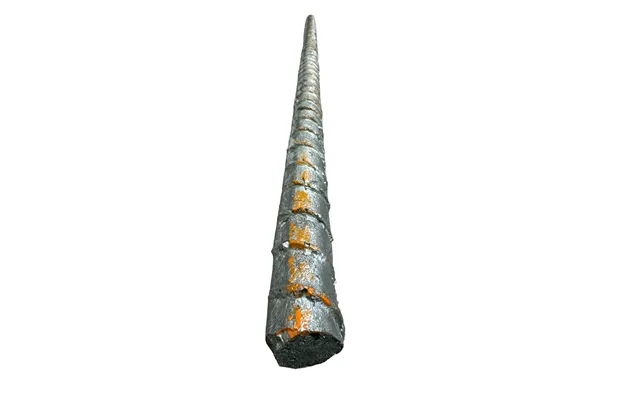
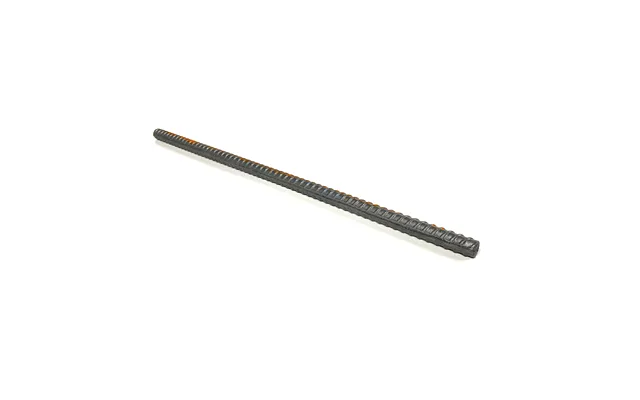
The 48 Inch Foam Rubber Deformed Steel Rebar Action Prop With Bendable Core is listed at $80.00 from Prop Money Inc. under the NewRuleFX.com brand. It is described as a simulated rebar section molded from a real piece, with a foam rubber exterior and a metal wire or aluminum structure inside for rigidity and flexibility.
At 48 inches long, this is the longer of the two listed rebar props. Its stated size is 1.25 by 1.5 by 48 inches, and its listed weight is 9 ounces. That combination gives the prop a substantial visual presence while keeping the listed weight far below what many people would expect from a solid steel bar.
A fixed prop can look convincing when it stays in one position, but a bendable prop offers more creative control. The description says this model can be bent and re-formed, which may help during a strongman routine, staged action sequence, or demolition-style scene.
Think of the core as the prop’s flexible spine. It supports the shape while allowing movement. For performers and production teams, that can make handling more natural than using a rigid object. Still, the product should be used only for the type of activity described by the listing, not as a substitute for structural steel.
The Steel Rebar Foam Rubber Action Prop With Metal Bendable Core is the shorter option listed from Prop Money Inc. It is priced at $40.00 and identified with the NewRuleFX.com brand. The description presents it as a 24-inch simulated rebar section with a foam rubber outer surface and a bendable internal core.
The stated dimensions are 0.75 by 0.75 by 24 inches, while the listed weight is 2.25 ounces. Its smaller format may be easier to transport, store, or use in tighter scenes. It can also work well when a production needs the visual language of rebar without the size of the longer 48-inch version.
The decision is fairly straightforward. Choose the 48-inch prop when length and visual impact are important. Choose the 24-inch model when you need a more compact prop or want something easier to manage in a confined area.
Price is another clear difference in the supplied data: the longer prop is listed at $80.00, while the shorter prop is listed at $40.00. The best value depends on the scene, routine, or display rather than size alone. A shorter product that fits your setup may be more useful than a longer one that takes up unnecessary space.
The product descriptions specifically mention uses such as strongman routines and hyper-realistic demolition scenes. They also refer to combining the props with breakaway cement and brick rubble sold separately. This suggests a focus on visual storytelling, where texture, flexibility, and realistic appearance help create a convincing effect.
For a performance, the prop may help communicate strength without requiring a solid steel object. For a film or photo setup, the detailed molded surface and hand-painted effects can add realism to the frame. The bendable core may also help a director, performer, or photographer adjust the prop’s position quickly.
Consider the camera distance, available space, movement, and number of people handling the item. A long prop may read more clearly from a distance, while a shorter one may be easier to position in a close-up. If the object needs to bend during a scene, the internal core becomes especially important.
It is also wise to separate appearance from function. These products are described as simulated rebar and action props. Their realistic finish does not turn them into construction-grade reinforcement. Use them as visual or performance accessories, not as components inside concrete or masonry.
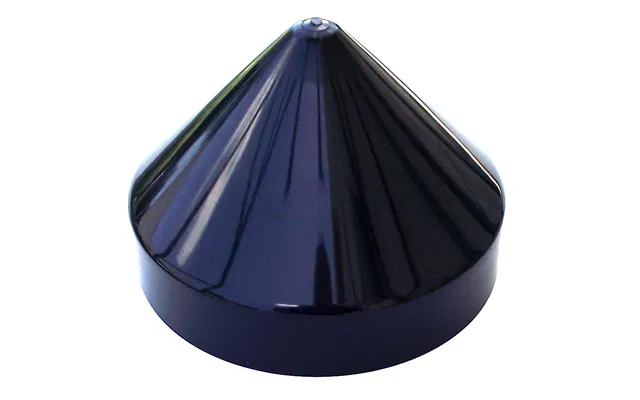
The Monarch BCPC-13.5 Black Cone Piling Cap is listed at $36.12 from The Twister Group. The brand is MONARCH, and the supplied description identifies the product as a black cone piling cap measuring 13.5 inches.
A piling cap is not the same type of product as reinforcing bar or remesh. It belongs to a different part of the building and construction product landscape. That makes careful comparison essential, especially when browsing a broad category that includes several kinds of site and structural accessories.
Start with the listed model, color, and size. In this case, the reference data identifies the model as BCPC-13.5, the color as black, and the size as 13.5 inches. If your project requires a particular fit or application, compare those details closely before making a decision.
Do not assume that an item’s presence in a rebar-related category means it performs the same role as reinforcement. Product names can overlap across construction searches, but the intended use remains the key distinction.
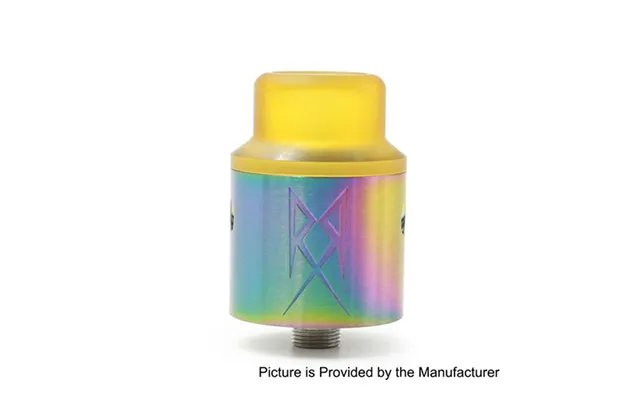
The Recoil V2 Style RDA Rebuildable Dripping Atomizer with BF Pin in Rainbow is listed at $8.50 from 2fdeal. The listing describes the color as rainbow. It is not a rebar, remesh, piling cap, or construction product.
Its appearance in the supplied category data is a reminder to inspect every listing individually. A category label can bring together products that do not share the same practical purpose. If you are searching specifically for reinforcing materials or construction accessories, this item should be separated from the relevant building-related products during comparison.
Filtering by product name, dimensions, brand, and description can save time. It helps you avoid comparing unrelated items simply because they appear in the same search results. On ZoneOffer, the goal is to compare available listing information, not to treat every result as interchangeable.
For this group of offers, the most relevant construction-adjacent listing is the Monarch piling cap, while the two NewRuleFX.com products are specialty props. The RDA listing belongs to an entirely different product type.
The supplied prices range from $8.50 to $80.00. The RDA is listed at $8.50, the Monarch piling cap at $36.12, the 24-inch foam rubber rebar prop at $40.00, and the 48-inch foam rubber rebar prop at $80.00.
These prices should not be compared as though the products serve the same purpose. A low-priced unrelated item is not automatically a better value than a higher-priced specialty prop. Value depends on fit, dimensions, intended use, and the features that matter to your project.
If you need a compact simulated rebar prop, the 24-inch option costs less than the 48-inch version and has a lower listed weight. If you need greater length for a performance or scene, the larger model may better match your needs. If you are comparing a piling cap, its value must be judged by its compatibility with the intended application rather than by comparison with the prop prices.
The reference data does not provide discounts, shipping information, ratings, or availability details. For that reason, buyers should review the current comparison results and confirm the information shown for the specific listing before making a purchase decision.
Begin with the job, then narrow the options. For genuine reinforcement work, use construction specifications and professional guidance to identify the correct type of rebar or remesh. For a theatrical, film, demonstration, or display application, focus on appearance, length, weight, flexibility, and handling.
Next, compare the product details. The two foam rubber props differ in length, dimensions, weight, and price. The piling cap is identified by its model, color, and 13.5-inch size. The RDA is unrelated to these uses and should not be included in a construction-focused shortlist.
Ask yourself: Is this a structural material, a site accessory, or a prop? What length or size do I need? Does the listed weight suit the people handling it? Would a bendable core help? Is the listed brand or model important? Once those questions are answered, product comparison becomes much simpler.
Product descriptions can explain intended features, but they do not replace an assessment of your specific environment. Props used in performances or scenes should be handled thoughtfully, especially when bending, repositioning, or combining them with other set pieces.
Construction products require an even higher level of care. Rebar, remesh, piling accessories, and related materials should be selected and installed according to the project’s engineering and building requirements. The foam rubber props listed here are not presented as structural reinforcement, so they should never be used in place of construction-grade materials.
The most distinctive products in the supplied data are the two NewRuleFX.com foam rubber rebar action props. The 48-inch version offers a longer format and is listed at $80.00, while the 24-inch version is more compact and listed at $40.00. Both are described as bendable simulated rebar products with realistic surfaces.
The Monarch BCPC-13.5 is a black 13.5-inch piling cap listed at $36.12, making it a separate construction-related accessory rather than a reinforcement bar. The Recoil V2 Style RDA is an unrelated rainbow-colored atomizer listed at $8.50. Keeping those distinctions clear is the key to making a useful comparison.
In conclusion, the right choice depends on purpose more than appearance. If you need a realistic prop, compare length, weight, flexibility, and price. If you need a construction component, rely on the appropriate technical requirements rather than a prop listing. ZoneOffer helps you compare product information, but the final decision should always match the actual demands of your project.