

Slot Machines price list
Last updated Saturday, Oct 17, 2026




Loading...
Last updated Saturday, Oct 17, 2026
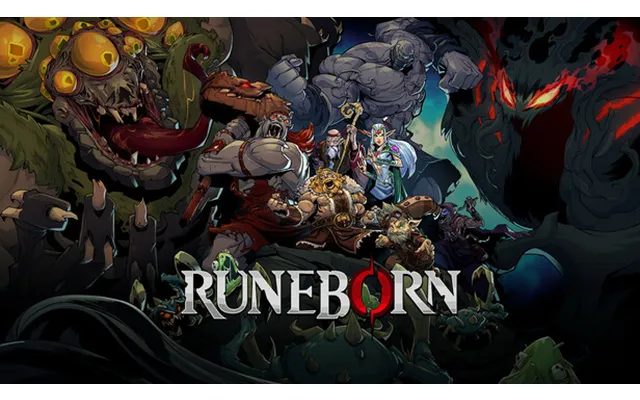
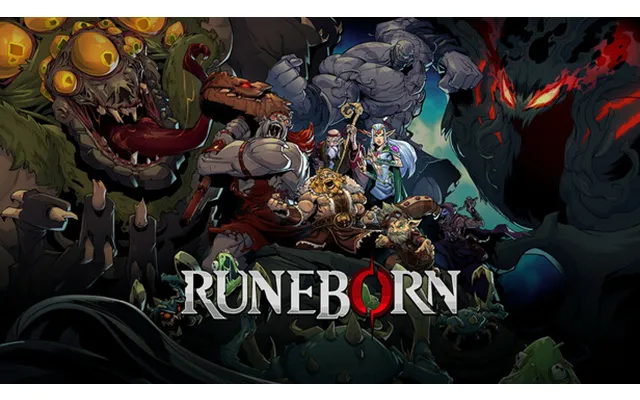
If you enjoy games that mix strategy, risk, and surprising outcomes, Runeborn may be worth a closer look. This dark fantasy roguelike combines deckbuilding with a slot-machine-like mechanic, creating a gameplay loop where every choice can change the direction of your run. Instead of simply relying on fixed turns or predictable combinations, you build your runebook, defeat enemies, and bring together unusual trinkets as you progress.
ZoneOffer is a comparison site that helps you review available offers in one place. In the reference data, Runeborn appears with two listed prices through Yuplay: $8.65 and $5.35. Comparing those options can help you identify the lower listed price before making a decision.
Runeborn is described as a dark fantasy roguelike with deckbuilding elements and a slot-machine-like mechanic. That combination gives the game a distinctive identity. Imagine building a deck as if you were assembling a magical toolkit, then adding a spinning wheel of possibilities that can influence what happens next. The result is a style of play that blends planning with uncertainty.
The game centers on a runbook, enemies, and trinkets. Your runbook acts as the foundation for your journey, while trinkets add another layer of combination and experimentation. Rather than following one fixed path, you can shape your approach around the choices and opportunities presented during a run.
Deckbuilding usually rewards careful planning. A strong collection of cards or abilities can make future encounters easier, but the slot-machine-like system introduces an element of unpredictability. That contrast is part of the appeal. You might prepare one approach, only to discover that a new combination encourages you to adapt.
Would you rather follow a perfectly predictable plan, or take calculated risks when the opportunity appears? Runeborn is built around that kind of tension. The game’s mechanics invite you to think ahead while staying ready to change direction.
The slot-machine-like mechanic gives Runeborn a recognizable hook within the roguelike and deckbuilding space. It suggests that outcomes may involve combinations, timing, or chance-based results rather than only direct card selection. This can make each encounter feel less like checking boxes and more like turning the next page in an unpredictable story.
Importantly, the mechanic does not define the entire experience on its own. It works alongside the runebook, combat, and trinket systems. Think of it as one gear in a larger machine: the spinning element creates uncertainty, while your strategic choices help you make the most of whatever appears.
Randomness can be exciting when it gives you new ways to solve a problem. In Runeborn, the slot-machine-style feature is paired with deckbuilding, so your decisions still matter. You are not simply watching events unfold. You are building the tools that can help you respond to different outcomes.
This kind of design may appeal to players who enjoy discovering combinations rather than using the same solution every time. Each run can become a small experiment. You test an idea, encounter an obstacle, and decide whether to commit to your plan or pivot toward something new.
The runebook is one of the central concepts described for Runeborn. It represents the collection of tools and decisions you carry into your journey. Building it is not only about gathering more options; it is also about creating a setup that works together.
A large selection does not automatically mean a strong strategy. Sometimes, a focused collection can be more useful than a cluttered one. You may want to think about how different elements support one another, especially when you are preparing for future enemies or uncertain combinations.
The best deckbuilding systems often reward both preparation and adjustment. You can start with a direction in mind, but the game may present a reason to reconsider. A promising trinket, a difficult enemy, or an unexpected result can all change the value of your existing choices.
That is where Runeborn’s design may feel especially engaging. Your runebook is not merely a list of items. It is a living plan that can evolve as your run develops. Like packing for a journey through unknown territory, you want useful equipment without carrying so much that you lose focus.
Runeborn also focuses on combining trinkets. The reference description does not specify the full list of trinkets or the exact combination rules, but the concept points toward experimentation. Players can explore how different pieces interact and look for combinations that strengthen their approach.
Trinkets can add personality to a run because they encourage you to search for connections. One item may seem modest on its own, while another may become much more interesting when paired with it. That creates the kind of discovery that keeps a roguelike feeling fresh.
You do not need to understand every possibility immediately. Part of the fun can come from trying a combination, observing the result, and learning from it. In that sense, the game turns each run into a workshop where your strategy develops through experience.
If you enjoy games that reward curiosity, the trinket system may be one of the most appealing aspects of Runeborn. Instead of treating every decision as a final answer, you can approach it as a question: what happens if these elements work together?
Runeborn takes place in a dark fantasy setting and asks you to crush enemies during your run. The description presents combat as a major part of the experience, with the runebook and trinket combinations helping shape how you respond to threats.
Dark fantasy often works best when the atmosphere feels dangerous and mysterious. Even without relying on a traditional linear adventure, a roguelike can create that mood through escalating challenges and uncertain outcomes. Each encounter becomes another obstacle between you and a successful run.
When a game combines deckbuilding with unpredictable mechanics, combat becomes more than a simple test of strength. You may need to assess what is available, identify a useful combination, and decide how much risk you are willing to accept.
That makes adaptation important. A strategy that works against one enemy may not be ideal against the next. By adjusting your runebook and making thoughtful use of trinkets, you can keep your approach flexible rather than relying on one repeated pattern.
Runeborn may appeal to players who enjoy roguelike games, deckbuilding, dark fantasy themes, and systems that mix strategy with chance. It could also interest anyone looking for a game with unusual mechanics rather than a conventional card-based format.
Fans of experimentation may find the combination of runebook building and trinket interactions appealing. Likewise, players who enjoy replayable runs may appreciate a structure where each attempt can encourage different decisions. The reference data does not provide a detailed feature list or player rating, so your interest will ultimately depend on how much you enjoy these broad gameplay ideas.
Roguelike games are often attractive because they make failure part of the learning process. A difficult run is not necessarily wasted time; it can reveal which combinations work, which decisions need reconsideration, and which risks are worth taking.
Runeborn’s described mechanics support that mindset. You build, combine, fight, and learn. Then you can use that knowledge to approach the next run with a clearer plan. It is a little like solving a puzzle that rearranges its pieces each time.
The reference data includes two Runeborn offers listed through yuplay. One is priced at $8.65, while the other is listed at $5.35. Since the lower listed price is $5.35, comparing the offers before choosing can help you focus on the more economical option shown in the data.
ZoneOffer does not sell Runeborn or act as the retailer. It is a comparison site, so its role is to help users review product offers and make more informed choices. The listed information should be checked at the time you are ready to proceed, as offer details can change.
Even when the difference between two prices seems small, comparison gives you useful context. It helps you see that the same named product may appear with different listed prices. Instead of selecting the first result you notice, you can pause and compare the available information.
For Runeborn, the reference data shows a price difference between $8.65 and $5.35. That makes comparison especially straightforward: review both listings, confirm the details, and choose the option that best fits your preferences.
If you are new to games that combine roguelike progression and deckbuilding, begin by treating each run as a learning opportunity. You do not need to master every mechanic at once. Focus on understanding how your runebook develops, how trinkets interact, and how the slot-machine-like system affects your decisions.
Try to notice patterns. Which choices help you handle enemies? Which combinations seem promising? When does taking a risk create a strong result, and when does it leave you exposed? Asking these questions can turn uncertainty into useful information.
A failed attempt can still improve your next strategy. Perhaps your runbook lacked flexibility, or perhaps you committed too heavily to one combination. Instead of seeing failure as a dead end, use it like a map showing where the hazards are located.
Keep your early decisions practical and remain open to change. As you learn more about the game’s systems, you can take more deliberate risks. The goal is not to predict everything; it is to make better decisions with the information you have.
Runeborn stands out in the reference data because it does not present itself as a standard slot machine. It is described as a dark fantasy roguelike that uses a slot-machine-like mechanic within a broader deckbuilding experience. That distinction matters.
The focus is on combining systems: a runebook gives you strategic direction, trinkets encourage discovery, enemies create pressure, and the slot-machine-style element adds uncertainty. Each part contributes something different, much like instruments in a band. The interesting sound comes from how they work together.
At its core, Runeborn appears designed around interaction between planning and chance. You make choices before you know exactly how every situation will unfold, then respond to the results. That structure can create memorable moments because success may come from an unexpected combination rather than a perfectly scripted plan.
If you enjoy games that ask you to think, experiment, and adapt, Runeborn offers a compact concept with several connected layers. Its dark fantasy setting provides the backdrop, while its mechanics provide the reason to keep testing new approaches.
Before choosing an offer, consider what you want from the game. Are you interested in dark fantasy? Do you enjoy building a collection of abilities or tools? Does the idea of combining strategy with a slot-machine-like system sound appealing? If your answer is yes, Runeborn may deserve a place on your shortlist.
The reference data provides two listed prices through yuplay, $8.65 and $5.35. It does not provide a rating, a detailed technical specification, or additional purchase conditions. For that reason, use the available price information as a comparison point rather than assuming details that are not listed.
Runeborn brings together dark fantasy, roguelike progression, deckbuilding, enemy encounters, trinket combinations, and a slot-machine-like mechanic. That mix gives it a distinctive concept for players who enjoy strategy with an unpredictable twist. The reference data lists two yuplay offers at $8.65 and $5.35, making comparison useful when reviewing the available options. ZoneOffer helps you compare those listings, but it is not a store. If the idea of building a runebook, experimenting with trinkets, and adapting to uncertain outcomes appeals to you, Runeborn could be an intriguing game to explore.