

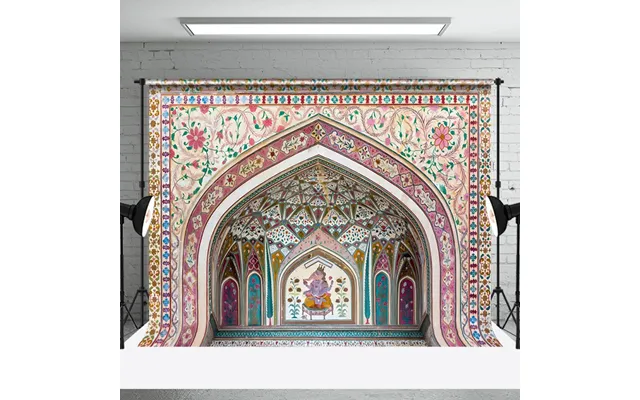
Model Train Accessories price list
Last updated Tuesday, Nov 3, 2026
| Model Train Accessories | Price |
|---|---|
| Vibrant Tiled Archway Intricate Miniature Backdrop - Aperturee | $14.00 |





Loading...
Last updated Tuesday, Nov 3, 2026
| Model Train Accessories | Price |
|---|---|
| Vibrant Tiled Archway Intricate Miniature Backdrop - Aperturee | $14.00 |
Model train layouts come alive through detail. A locomotive may be the star of the scene, but the setting gives it a story. An archway, textured wall, colorful pattern, or distant visual layer can turn a simple display into something that feels like a complete miniature world. The Vibrant Tiled Archway Intricate Miniature Backdrop by Aperturee offers a creative way to add that kind of visual interest.
Listed at $14 on ZoneOffer, this Aperturee backdrop is presented as a miniature backdrop with a vibrant tiled archway design. Its listed description also identifies it as a printed photography backdrop and a matte PVC background. That combination makes it worth considering for hobbyists who want a decorative scene element that can support both model-making projects and photography setups.
Whether you are building a compact model train display, creating a miniature photo corner, or experimenting with scenic composition, a backdrop can work like a painted horizon. It fills empty space, establishes atmosphere, and helps foreground pieces stand out. So, what should you look for when choosing one? Let’s explore how this product may fit into a creative workspace.
A model train layout is more than track and rolling stock. The surrounding environment helps viewers understand the scene. A station, village, industrial district, or street setting can feel more convincing when the background supports the same visual language as the models in front of it.
Think of a backdrop as the stage behind a theater performance. It may not move, but it tells you where the action takes place. A tiled archway can suggest architecture, a passageway, or a decorative exterior without requiring a large number of additional miniature structures.
For hobbyists working with limited table space, this can be especially useful. Instead of building every background feature in three dimensions, you can use a printed visual layer to add depth and context. The result may feel fuller without crowding the layout with extra objects.
Flat layouts can sometimes look unfinished when the area behind the track is left empty. A detailed background helps bridge the gap between the foreground models and the surrounding room. The eye naturally reads the image as part of the scene, which can make the layout feel more intentional.
The Vibrant Tiled Archway design may be a good fit for scenes that need an architectural focal point. Its strong pattern can act as a visual anchor, drawing attention toward a particular section of the display. You might place it behind a station area, near a decorative platform, or as part of a photography composition.
The product is listed under the brand Aperturee and has the title Vibrant Tiled Archway Intricate Miniature Backdrop. Those details point to a design-focused accessory rather than a mechanical train component. Its value comes from appearance and presentation, making it relevant to hobbyists who enjoy scenery, dioramas, and miniature photography.
The supplied description includes terms such as floral backdrop, tree photography background, photography corner backdrop, color background, custom made photography backdrops, and printed photo backdrop. These details suggest that the item is designed around decorative visual presentation. For model makers, that can open up several possible uses beyond a traditional train layout.
At $14, the product may appeal to creators who want to experiment with scenic backgrounds without committing to a large construction project. A single backdrop can serve as a test piece for composition, color balance, or photography. If you are still developing your layout style, a flexible visual accessory can be a practical starting point.
“Vibrant” and “intricate” are important parts of the product title. A bold, patterned background can bring energy to a miniature display, especially when the foreground contains simpler shapes or neutral colors. It can also help a small arrangement look more visually complete in photographs.
At the same time, a detailed backdrop should be placed thoughtfully. If the foreground is already filled with highly colorful buildings, vehicles, and figures, the background may compete for attention. Try treating it like seasoning: enough can enhance the scene, while too much may overwhelm the main subject.
Model train accessories often include scenery elements that help define the setting around the track. While this Aperturee product is specifically listed as a miniature and photography backdrop, it can be considered alongside other scenic components such as structures, figures, signs, and landscape details.
One approach is to use the backdrop as a rear visual layer while keeping physical accessories in the foreground. For example, a small building or platform could sit in front of the tiled archway. This creates a mix of flat and three-dimensional elements, much like a stage set that combines painted scenery with physical props.
Another approach is to use the backdrop temporarily while planning a permanent scene. Place it behind your track, photograph the arrangement, and see whether the colors and architectural theme feel right. This can help you make design decisions before investing time in building walls, structures, or additional scenic features.
Color coordination can make a major difference. Look at the dominant tones in your train cars, buildings, trackside accessories, and backdrop. A colorful archway may work well with simple foreground pieces, while more subdued models can benefit from the backdrop’s visual energy.
You do not need every object to match perfectly. In fact, slight contrast can make the scene more interesting. The goal is balance. If the backdrop is the brightest element, allow some quieter colors elsewhere so the display has room to breathe.
There is no single correct way to position a miniature backdrop. The best location depends on your layout, the angle from which you view it, and the story you want the scene to tell. You can experiment with several placements before settling on one.
A rear-wall position is the most direct option. Place the backdrop behind the main display so it forms a clear background. This can be effective when you want the tiled archway to frame the train or create a recognizable visual destination behind the track.
You could also use it as a side scene. Instead of placing it directly behind the railway, position it beside a small diorama or photography area. This may create the impression of a separate architectural feature within the wider miniature world.
Use the archway as a frame for an important object. A locomotive, miniature figure, station entrance, or scenic feature can become the subject inside or near the arch. Framing naturally guides the viewer’s attention, making the display easier to read at a glance.
Try viewing the setup from the same angle used for photographs. A backdrop that looks balanced from the front may appear uneven from the side. Small adjustments to height, distance, and position can change how the composition feels.
The listed product description places clear emphasis on photography backdrops. That makes photography one of the most natural ways to use the Aperturee design. Model train collectors often photograph layouts to document progress, share creative work, or study how a scene looks outside the workshop.
A printed background can reduce distractions behind the subject. Instead of showing a blank wall, storage shelf, or unrelated household objects, you can create a more deliberate setting. This helps the miniature subject become the center of the image.
The backdrop may also suit a dedicated photography corner. If you regularly photograph small models, arrange a simple area where the background stays ready for use. This can make it easier to capture consistent images whenever you complete a new scene or want to compare layout changes.
Good composition is not only about adding more detail. It is also about matching the visual scale and perspective of the background with the objects in front of it. Step back and check whether the archway appears to belong in the scene or feels too separate from the models.
Lighting matters as well. A bright light pointed directly at the backdrop may create unwanted glare or flatten the appearance of the printed design. Softer, angled lighting can help separate the foreground from the background while preserving the overall mood of the image.
The supplied description identifies the item as a matte PVC background. The word “matte” is relevant for photography because it generally suggests a surface intended to reduce a glossy appearance. For miniature photography, limiting visual reflections can make the background easier to work with under lights.
PVC is also identified in the product description, but the reference data does not provide specific dimensions, thickness, mounting details, or cleaning instructions. Because of that, you should review the available product information before planning a precise installation. The backdrop may be best treated as a flexible creative surface until those details are confirmed.
When setting up any background, avoid forcing it into a position that could crease, bend, or distort the visible design. A smooth and even presentation will usually look more polished than a loosely arranged one. Test the placement first, especially if your layout has tight corners or unusual angles.
Before buying or positioning a backdrop, measure the area where you want to use it. Use inches and feet when checking the available space, and compare those measurements with the product dimensions listed by the seller. The reference data does not include the backdrop’s measurements, so this step is particularly important.
Consider the viewing distance too. A backdrop may look different when viewed close up compared with how it appears across a larger room. If your display is designed for tabletop viewing, check it from the normal distance at which you expect people to see it.
Immersion comes from layers. Start with the railway and major structures, then add middle-ground scenery such as figures, signs, or small accessories. The backdrop can provide the final visual layer, helping the scene extend beyond the physical edge of the display.
The tiled archway design can also inspire a theme. Perhaps your layout needs a colorful urban corner, a decorative entrance, or a photographic setting with architectural character. You do not have to rebuild everything around the backdrop. Instead, use it as a creative clue and select nearby accessories that support its mood.
Remember that realism is not always the only goal. Model making can be playful, imaginative, and stylized. A vibrant backdrop may suit a fantasy-inspired display just as well as a realistic diorama. Why limit your layout to one visual direction when a small background can encourage new ideas?
Flat printed scenery works best when it is connected visually to physical objects. You can place a small wall, fence, sign, or structure in front of the backdrop to soften the transition. Even a few foreground details may help the image feel layered rather than pasted behind the scene.
Keep sightlines in mind. Avoid placing tall objects directly in front of the most interesting part of the archway unless you want to conceal it. A partially visible background can be effective, but the design should still contribute to the overall composition.
The Aperturee backdrop may be suitable if you value visual impact, decorative scenery, and photography versatility. Its listed title emphasizes an intricate miniature archway, while its description highlights printed photography background uses. That makes it relevant to creators who want one scenic element to support several types of projects.
It may be especially appealing for beginners who are learning how to style a miniature scene. A background gives you an immediate design element to work with, so you can focus on arrangement and composition rather than creating every surface from scratch.
Experienced hobbyists may also find value in using it as a temporary concept tool. Before committing to a permanent scenic build, test different foreground pieces against the backdrop. The experiment can reveal which colors, shapes, and accessories work together.
Check the product dimensions, image orientation, and intended use on the seller’s listing before ordering. The reference data confirms the title, brand, store name, description, and listed price, but it does not provide those additional specifications.
Also consider whether you need a background for a permanent layout, a portable display, or photography. Your answer will influence how you position it and what type of support or mounting arrangement you may need. ZoneOffer is a comparison site, so use the available listing information to compare the product with other options rather than treating the site as the seller.
At the listed price of $14, the Aperturee miniature backdrop can be approached as a relatively focused creative purchase. You can use it to refresh an existing display, create a themed photo area, or test a new scenic direction without redesigning an entire layout.
Start with one simple arrangement. Place the backdrop behind a locomotive or small group of accessories, then take a few photos from different angles. Look for areas that feel too empty, too busy, or visually disconnected. Small changes often produce a surprisingly large improvement.
You can also rotate its purpose over time. Use it for a model train scene today, then move it to a miniature photography corner or diorama project later. Its printed backdrop format makes it a visually adaptable addition to a hobby workspace.
The Vibrant Tiled Archway Intricate Miniature Backdrop by Aperturee offers a decorative way to add atmosphere to miniature displays. The reference listing identifies it as a printed, matte PVC photography backdrop with an intricate archway theme, and its listed price is $14. While the available data does not include dimensions or mounting details, the product’s visual focus makes it worth considering for scenery and photography projects.
Use it as a stage, a frame, or a colorful layer behind your models. With thoughtful placement, balanced lighting, and a few complementary accessories, a backdrop can help a compact layout feel more complete. Sometimes, the smallest scenic choice becomes the doorway to a much bigger creative idea.