

Pretend Housekeeping price list
Last updated Saturday, Oct 17, 2026





View 4 Offers
Loading...
Last updated Saturday, Oct 17, 2026
Pretend housekeeping turns everyday routines into imaginative adventures. With the right play set, children can sweep, mop, wash, arrange furniture, and create their own stories while exploring how a home works. These activities may look simple, but they can encourage creativity, coordination, communication, and early practical skills.
The reference selection includes wooden pretend housekeeping toys, a simulation washing machine, a children’s cleaning set, and miniature furniture for home or restaurant role play. Each option offers a different way to build a make-believe world. Whether your child enjoys organizing a pretend room or acting out a complete cleaning routine, these toys can make play feel active and purposeful.
ZoneOffer is a comparison site, so it helps you review listed products and prices rather than selling the items directly. In this guide, we’ll explore the available pretend housekeeping options, what makes each one interesting, and how you can choose a set that matches your child’s play style.
Children often learn through imitation. When they see adults washing, sweeping, arranging, or caring for a home, they may want to recreate those activities. Pretend housekeeping gives them a safe stage where a simple broom or toy washing machine becomes part of a much bigger story.
Role play can also help children practice sequencing. First, they might gather pretend laundry. Next, they can place it in a toy washing machine. After that, they may “dry” it, fold it, and put it away. The activity becomes a small story with a beginning, middle, and end.
That process is like building with toy blocks: every action adds another piece. Children can also develop language by explaining what they are doing, assigning roles to siblings, or pretending to run a restaurant, bedroom, or family home.
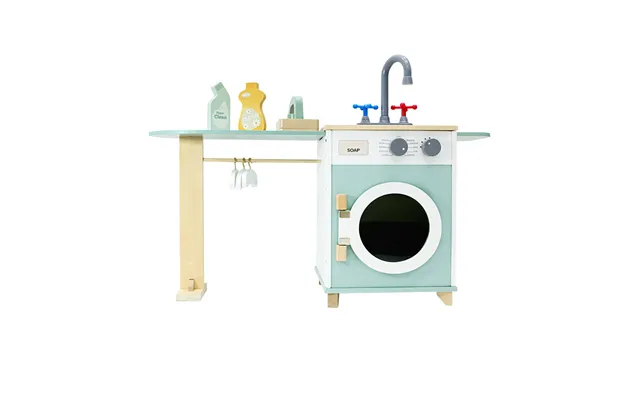
The Wooden Washing Machine Children’s Play House Drum Washing Machine Simulation Toy is designed to bring a familiar household appliance into imaginative play. Its wooden construction and realistic washing-machine theme can help children act out laundry routines without using a real appliance.
This type of toy is especially useful for children who enjoy realistic pretend play. They can imagine loading clothes, selecting a cycle, and checking the drum. Even when the actions are make-believe, the play encourages attention to order and routine.
A pretend washing machine can also become part of a larger household game. Children might combine it with pretend kitchen activities, miniature furniture, dolls, or a cleaning set. One toy becomes the “laundry room,” while another area becomes the bedroom or play restaurant.
Wooden role-play toys often have a classic appearance that fits naturally into a playroom. The listed washing machine is presented as a realistic simulation toy, which may appeal to children who prefer toys that resemble familiar household objects.
When choosing any pretend appliance, consider the child’s interests and the space available for play. A toy that supports repeated storytelling can remain useful beyond one short game. Ask yourself: does your child enjoy copying daily routines, or would a broader cleaning set offer more variety?
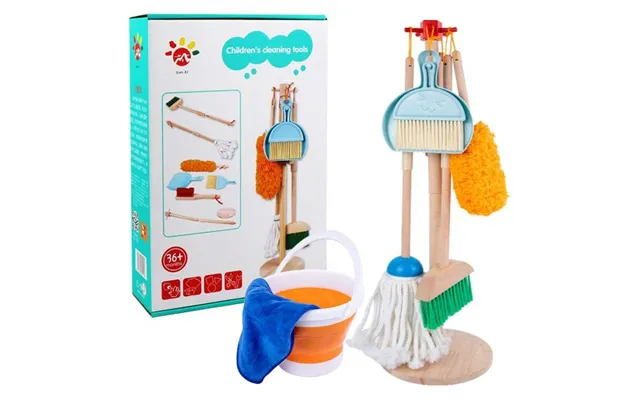
The Custom Children’s Wooden Pretend Role Play Cleaning Set includes pretend sweeping and mopping tools for early educational play. It gives children the chance to copy familiar cleaning movements while creating their own household scenarios.
Cleaning tools can make role play active rather than purely observational. A child can move around the room, decide which area needs attention, and invent a reason for each task. Perhaps the pretend kitchen needs tidying before dinner, or the playroom needs cleaning before guests arrive.
This set may also support cooperation. One child can sweep while another pretends to mop. Older children may create a chore chart or divide the room into different areas. The result is less like a lesson and more like a small team mission.
Pretend sweeping and mopping can encourage gross motor movement, hand control, and coordination. Children practice guiding tools, changing direction, and keeping their attention on a chosen area. These skills develop naturally because the game gives each movement a purpose.
It is important to keep the activity playful. Instead of correcting every action, try asking questions such as, “Which part of the room should we clean next?” or “What happened here?” Questions invite children to think, explain, and lead the story.
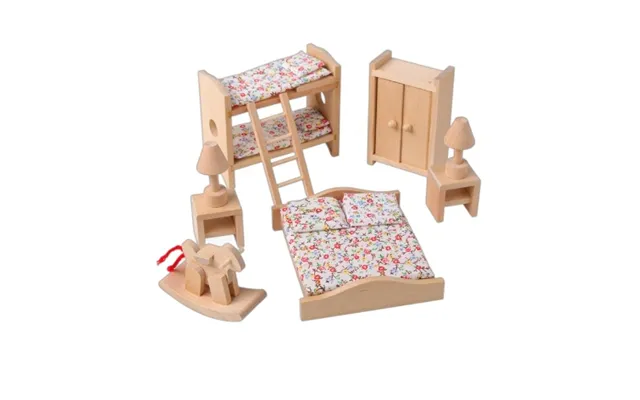
The Children Simulation Home Mini Furniture Role Play Decoration Bedroom Children’s Room Restaurant Toy Set offers a broad setting for imaginative play. Its description references home decoration, a bedroom, and a restaurant, giving children several possible storylines.
Unlike a single-purpose cleaning tool, miniature furniture can support open-ended play. A child might design a bedroom in one game, run a pretend restaurant in another, and create a complete home in the next. The furniture becomes a flexible stage where the story can change every time.
This type of set can work well with pretend housekeeping toys. Children may arrange the furniture, “clean” the room, prepare the restaurant, and welcome pretend visitors. The play moves naturally between organizing, caring, decorating, and social interaction.
Miniature furniture gives children a chance to make decisions. Where should the furniture go? Who lives in the room? What does the restaurant serve? Which area needs cleaning first? These questions help transform a collection of objects into an imaginative environment.
Parents and caregivers can join without taking over. You might play the role of a customer, guest, or family member and let the child decide what happens next. When children direct the game, they practice confidence, communication, and creative problem-solving.
The listed Wooden Washing Machine Children’s Play House Drum Washing Machine Simulation Toy is shown at $19.40 on Alibaba. The Custom Children’s Wooden Pretend Role Play Cleaning Set is listed at $11.30 on Alibaba. The Children Simulation Home Mini Furniture Role Play Decoration Bedroom Children’s Room Restaurant Toy Set is shown at $4.95 on Alibaba.
These prices are the amounts provided in the reference data. Because ZoneOffer is a comparison site, shoppers should review the current listing details before making a purchase. The reference information does not establish additional discounts, shipping terms, stock status, or product policies for these pretend housekeeping items.
Price can be useful as a starting point, but it should not be the only factor. A lower-priced miniature furniture set may offer a different kind of play from a wooden cleaning set. Think about the activity your child will repeat most often. A toy that fits their interests may provide more value than one chosen only because it costs less.
A single simulation toy can give children a clear activity to begin with. The washing machine, for example, creates an obvious laundry-themed game. A cleaning set offers movement and multiple pretend tasks. Miniature furniture provides a wider storytelling environment.
A collection can combine these strengths. Children might use the furniture to create a home, the washing machine to build a laundry area, and the cleaning tools to keep the pretend rooms tidy. However, a smaller setup may be easier for a child who enjoys focused activities.
You do not need a full playroom to create an engaging housekeeping area. One corner can become a pretend laundry room, another can serve as a bedroom, and a small open space can become the cleaning zone. Clear boundaries help children understand where each part of the story takes place.
Place the most frequently used toy where your child can reach it easily during supervised play. Miniature furniture can define the room, while the washing machine can act as a visual centerpiece. Keep the cleaning set nearby so children can move naturally from arranging to tidying.
Think of the space as a tiny theater. The furniture is the stage, the tools are the props, and your child is the director. A simple layout can be enough to inspire a long and detailed game.
Small changes can make familiar toys feel new. One day, the pretend home might need preparation for a family visit. Another day, the restaurant may need cleaning before opening. You can introduce a story prompt, but let your child decide how to solve the problem.
Rotating the order of activities can also help. Start with decorating, then move to cleaning. On another day, begin with laundry and finish by arranging the bedroom. Variety keeps the same products useful across many play sessions.
Always supervise children according to their age and the toy maker’s guidance. Pretend housekeeping should be fun, but children may still need help using play tools responsibly and keeping small pieces organized.
Encourage children to use the toys for their intended pretend activities. Avoid turning tools into objects for hitting, throwing, or climbing. A calm reminder can keep the game safe without interrupting the imagination.
It is also helpful to teach children to put the toys away after play. Tidying the pretend cleaning set or returning furniture to its place can become part of the story. “The housekeeping team is closing for the day” sounds more inviting than simply saying, “Clean up.”
Children who like copying adults may enjoy the washing machine and cleaning set. Those who prefer arranging objects, decorating rooms, or inventing social stories may be drawn to the miniature furniture set.
The products can also suit different play moods. A child may choose active sweeping and mopping one day, then quiet room arrangement the next. That flexibility allows pretend housekeeping to support both movement and calm creative play.
These toys may be especially engaging when siblings or caregivers join in. One person can manage the pretend home, another can act as a restaurant guest, and another can handle the cleaning routine. Shared play turns household tasks into a cooperative story.
When comparing the listed products on ZoneOffer, begin with the kind of play your child already enjoys. If they love realistic appliances, the wooden washing machine may be the natural choice. If they prefer movement and active tasks, the sweeping and mopping set may be more suitable. If they create elaborate worlds, miniature furniture could offer the broadest storytelling base.
Next, compare the listed prices and product descriptions. Look for the option that matches your child’s interests, your available play space, and the type of activity you want to encourage. Since product details can change, use the comparison listing as a guide and verify the current information before purchasing.
Pretend housekeeping sets can turn ordinary routines into imaginative learning experiences. The wooden washing machine supports laundry-themed stories, the wooden cleaning set encourages sweeping and mopping games, and the miniature furniture set opens the door to bedroom, home, and restaurant role play. By comparing these options through ZoneOffer, you can find a product that fits your child’s interests and inspires creative, active play.