


Pet Biometric Monitors - Other price list
Last updated Wednesday, Nov 4, 2026





View 12 Offers

Loading...
Last updated Wednesday, Nov 4, 2026
Keeping track of animal health can feel like trying to read a story without all the pages. A change in movement, pregnancy status, heart activity, or general condition may not always be obvious at first glance. Pet biometric monitors and veterinary diagnostic tools help bring more information into view, giving animal owners and professionals useful equipment for observation and assessment.
The reference selection includes multiparameter monitors, portable ultrasound machines, pregnancy scanners, an electrocardiograph, estrus detectors, an ovulation detector, and a GPS tracker. These products are designed for different situations, so comparing their intended use is just as important as comparing their listed prices. A tracker cannot replace a health monitor, just as an ultrasound scanner is not designed for location tracking.
ZoneOffer is a comparison site that helps you review available offers. It is not a store, and the listed details should be checked on the relevant offer page before making a purchase. In this guide, we will look at the main product groups, compare the listed prices, and explain what to consider when choosing equipment for pets, livestock, or veterinary work.
Pet biometric monitors are tools that help capture or assess information connected with an animal’s condition, activity, location, or reproductive status. The category can include devices that observe several health parameters, machines that produce ultrasound images, equipment that records heart activity, and trackers that show an animal’s position.
Think of the category as a toolbox rather than a single device type. One tool may help a professional examine heart activity, while another may support pregnancy testing in sheep, goats, pigs, or cattle. A GPS tracker serves a different purpose altogether by helping with location and animal identification concerns.
The right choice depends on the animal, the task, and the setting. A portable option may suit field work, while a multiparameter monitor may be more appropriate for a veterinary environment. Before comparing prices, identify the problem you want the equipment to address.
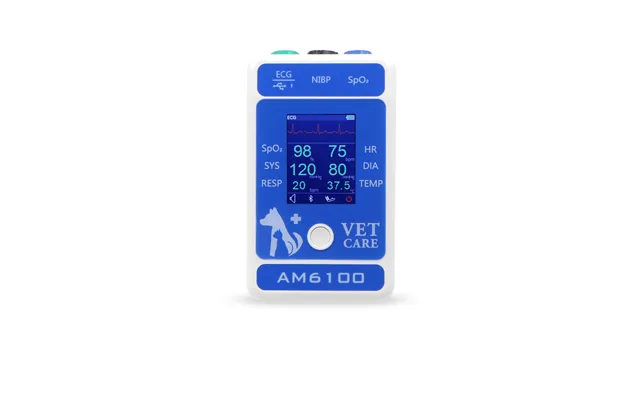
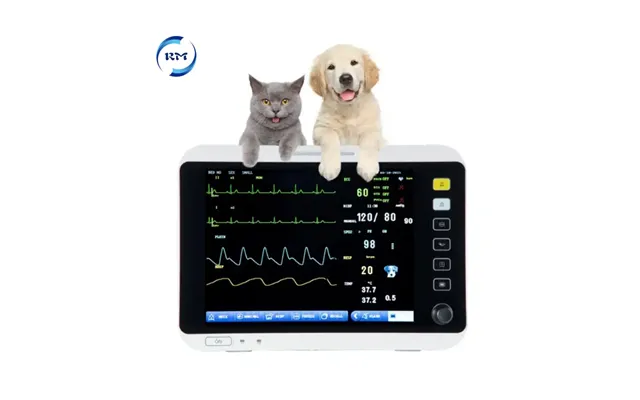
Multiparameter monitors are among the most broad-purpose options in this selection. The Rayman Veterinary Patient Monitor is listed as a multi-parameter monitor for animal use, with a price of $300. Another offer, described as an Animal Health Monitor Veterinary Multiparameter Monitor, is listed at $180.
These devices may appeal to users who want one piece of equipment associated with several monitoring functions. However, the reference data does not specify the exact parameters measured by either product. You should therefore review the technical specifications carefully instead of assuming that every monitor measures the same information.
The listed price difference is significant: the Rayman Veterinary Patient Monitor is shown at $300, while the Animal Health Monitor Veterinary Multiparameter Monitor is shown at $180. Price alone does not determine which model is more suitable. Display type, sensor compatibility, battery operation, portability, and supported measurements could all influence the decision, but those details are not provided in the reference data.
If you are comparing these two offers, create a short checklist. Ask which animal species the device is intended for, which parameters it can monitor, whether it is portable, and whether its data can be reviewed later. A lower listed price may be attractive, but the best value depends on whether the equipment matches your actual workflow.
Ultrasound equipment is another major part of the selection. Several offers are specifically described for pregnancy testing or scanning in animals such as pigs, sheep, goats, cattle, and pets. These products may be relevant to farms, breeders, and veterinary professionals who need equipment for animal diagnostic work.
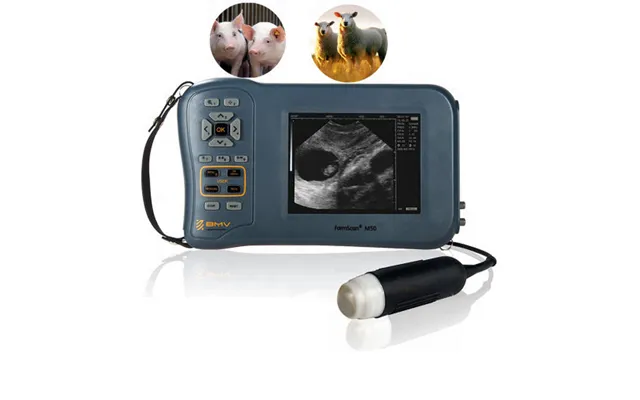
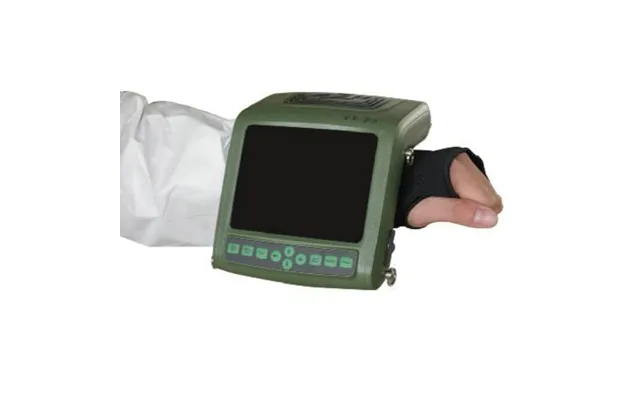
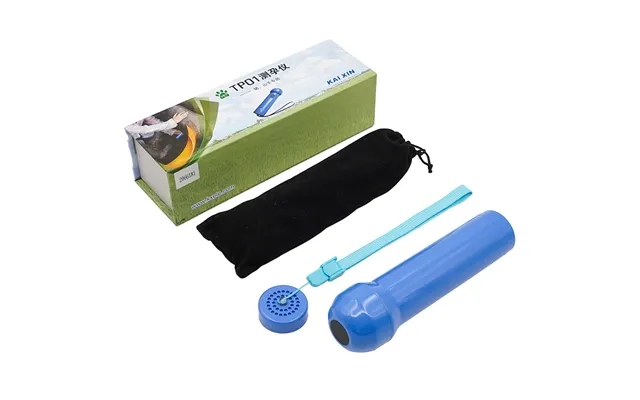
The Hand-held Pig Sheep Pregnancy Tester is listed at $105. The Veterinary Sow Goat Pregnancy Scanner is listed at $122. A Portable Handheld Veterinary Ultrasound Machine for pigs, sheep, and goats is listed at $1,300. The Bmv Veterinary Portable Ultrasound M50 is described for cattle and pets and is listed at $700.
These prices show how widely equipment costs can vary within the ultrasound category. A basic handheld pregnancy tester and a more advanced portable ultrasound machine should not be treated as identical products. Their intended uses, controls, imaging capabilities, and operating requirements may differ, so compare the descriptions and specifications closely.
If your main goal is pregnancy testing, a product specifically named as a pregnancy tester or pregnancy scanner may be the most direct place to begin. The $105 hand-held tester and the $122 sow, goat, pig, and sheep scanner are both clearly positioned around pregnancy testing.
Still, the animal coverage matters. One product title refers to pigs and sheep, while another refers to sows, goats, pigs, and sheep. A device that mentions the species you work with may be more relevant than one with a lower price but a narrower stated focus.
Remember that the titles do not provide information about image quality, probe type, battery life, training requirements, or included accessories. Those details should be confirmed before purchase, especially if the device will be used regularly or in a professional setting.
A portable ultrasound machine may make more sense when you want a broader diagnostic tool rather than a product named only for pregnancy testing. The Bmv Veterinary Portable Ultrasound M50 is listed for cattle and pets at $700, while the Portable Handheld Veterinary Ultrasound Machine is listed for pigs, sheep, and goats at $1,300.
The higher listed prices may reflect different equipment specifications, but the reference data does not explain the reason for the difference. Treat the prices as comparison points, not as proof that one product is more capable. A careful review of the display, probes, imaging modes, storage, and supported species is essential.
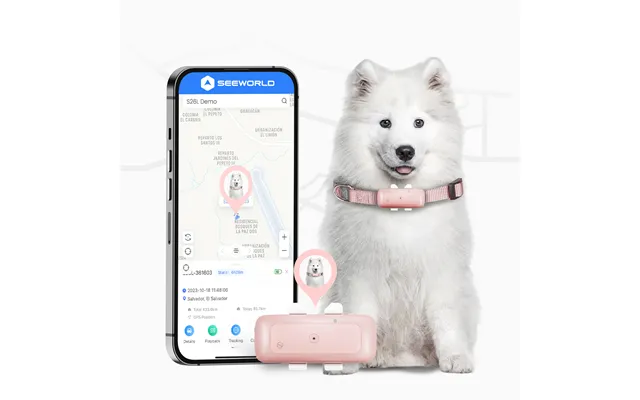
Not every biometric-style product measures a health signal. The Cute AGPS Beidou IP67 Waterproof 4G GPS Tracker for Animals is listed at $32. Its title mentions anti-theft functionality, real-time tracking, Android and iOS compatibility, waterproof construction, and support for AGPS, Beidou, and 4G.
This product belongs to a different part of the animal-monitoring conversation. Instead of checking pregnancy or heart activity, it is focused on location tracking. That can make it relevant when the main concern is knowing where an animal is or improving visibility when an animal moves beyond its usual area.
Because the title mentions IP67 waterproofing, users may want to compare how the device is mounted, how it is powered, and whether a subscription or other service is required. Those points are not included in the reference data, so they should be verified on the offer page.
It is easy to group all smart animal devices together, but their purposes are very different. A GPS tracker answers a location question: where is the animal? An ECG answers a heart-activity question. An ultrasound scanner supports an imaging or pregnancy-related task. A multiparameter monitor may bring several health observations into one device.
Ask yourself which question you need to answer most often. If an animal frequently wanders, tracking may be the priority. If you work with breeding animals, pregnancy or estrus equipment may be more useful. If you need clinical observations, a veterinary monitor or electrocardiograph may be the better category to investigate.
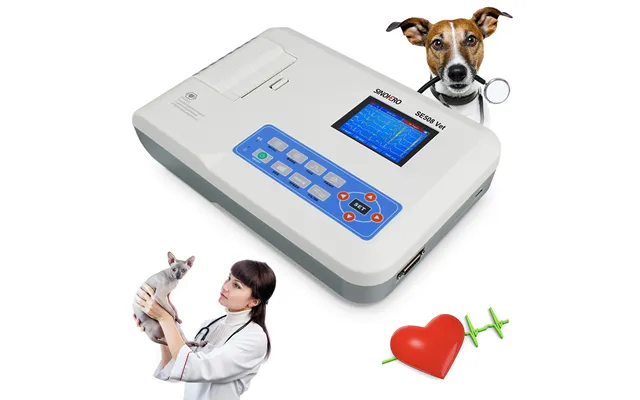
The Digital Veterinary Electrocardiograph Machine is listed as a portable three-channel ECG or EKG machine for animals, with a price of $269. This product is distinct from a general multiparameter monitor because its title specifically identifies electrocardiography and three-channel operation.
For users comparing heart-focused equipment, this offer may be worth examining separately from the broader monitors. The reference data does not state which animal species it supports, what display it uses, how recordings are stored, or whether software is included. Those specifications can have a major effect on practical use.
Portability may be helpful in situations where equipment needs to move between examination areas or locations. However, portability should be considered alongside power options, cables, sensors, and the method used to review the recorded information. A compact design is useful only when it fits the full working process.
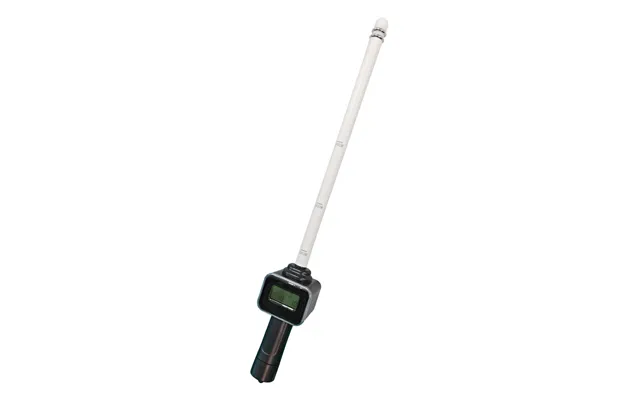
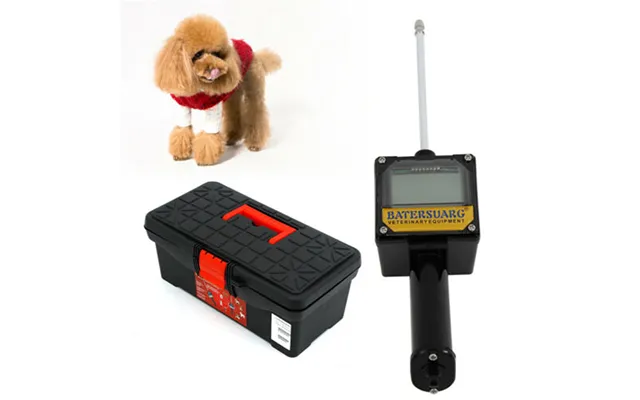
Reproductive monitoring is represented by two specialized offers. The Universal Type Waterproof Digital Cow Sow Donkey Estrous Detector is listed at $30. The Automatic Portable Veterinary Instrument Ovulation Detector for Dogs is listed at $31.75.
Their titles indicate different animal applications. The estrous detector refers to cows, sows, and donkeys, while the ovulation detector is specifically described for dogs. This distinction matters because reproductive tools are not automatically interchangeable across species.
The listed prices are close, but the intended uses are not the same. The $30 detector is described as waterproof and associated with estrous detection in several large-animal species. The $31.75 product is described as an automatic portable ovulation detector for dogs.
When comparing them, focus first on species and task. Do you need to identify estrus in livestock, or are you looking for an ovulation-related tool for dogs? Once that question is clear, review the device method, probe or sensor design, operating instructions, and maintenance requirements. The reference data does not provide those technical details.
The listed prices range from $30 to $1,300. At the lower end, the waterproof estrous detector is listed at $30, the dog ovulation detector at $31.75, and the animal GPS tracker at $32. The pregnancy testers are listed at $105 and $122.
Mid-range options include the Animal Health Monitor at $180, the veterinary ECG at $269, and the Rayman Veterinary Patient Monitor at $300. The Bmv Veterinary Portable Ultrasound M50 is listed at $700, while the portable handheld veterinary ultrasound machine is listed at $1,300.
This spread is useful for creating an initial shortlist, but it does not reveal total ownership cost or technical performance. Accessories, training, replacement parts, compatible sensors, software, and any ongoing service requirements should be checked separately. The reference data lists offers and prices, not a complete cost-of-use analysis.
Start with the job rather than the price. If you need location tracking, comparing ultrasound machines will only make the decision more confusing. If you need pregnancy testing, a general tracker will not address the same need.
After choosing a product category, divide the budget into three parts: the device itself, the items needed to operate it, and the time required to learn or use it. This simple approach helps prevent a low listed price from becoming misleading if additional requirements appear later.
Species compatibility should be near the top of your checklist. Product titles in this selection mention dogs, cattle, cows, donkeys, pigs, sheep, goats, pets, and animals generally. The wording provides useful clues, but it does not replace a full technical description.
Portability is another important factor. Several products are described as portable or handheld, including the veterinary ultrasound machines, the multiparameter monitor, the ECG machine, and the dog ovulation detector. Consider whether you will use the equipment in a clinic, barn, field, or multiple locations.
Also look at the type of information the product provides. Is it a location, an ultrasound image, an ECG recording, a pregnancy result, an estrus indication, or a group of health measurements? Matching the output to your real need is like choosing the right lens for a camera: more equipment does not automatically mean a clearer result.
The reference offers are associated with Alibaba, and each description includes wording about new products and exclusive perks of up to $500 off. The reference data does not provide regular prices for these offers, so the listed prices should not be presented as sale prices or compared with an invented discount.
Before acting on any listing, verify the current information shown on the offer page. Check the exact model, seller information, specifications, included components, and any conditions attached to the displayed price. Product details can change, and a comparison page should be used as a starting point for research.
For general veterinary observation, the two multiparameter monitors may be the most relevant starting points. For pregnancy-related work, compare the two dedicated pregnancy testers with the portable ultrasound machines. For heart-focused assessment, examine the three-channel veterinary ECG.
For reproductive timing, compare the cow, sow, donkey estrous detector with the dog ovulation detector. For animal location, focus on the waterproof 4G GPS tracker. Each product has a different role, and the most suitable option is the one that answers your most important question with the least unnecessary complexity.
If you are unsure, make a two-column comparison. In the first column, write what you need to observe. In the second, record which listed product appears designed for that task, along with its price and stated animal coverage. This quick exercise can turn a crowded product list into a manageable decision.
The pet biometric monitor category includes far more than one type of device. The reference selection covers veterinary multiparameter monitors, ultrasound and pregnancy equipment, ECG technology, reproductive detectors, and a GPS tracker. Listed prices range from $30 to $1,300, giving shoppers several starting points across different budgets. Compare each product by purpose, animal species, portability, and stated features, then verify the full offer details before deciding. ZoneOffer can help you compare the options, while the final choice should be based on the equipment that best fits your animal-monitoring needs.